How to Clean Beer Lines: A Step-by-Step Guide
Cleaning beer lines is essential for maintaining the quality of your draft beer and ensuring a great taste in every pour. By regularly cleaning your beer lines, you can prevent off-flavors and bacterial growth, which can ruin the experience for your customers or guests. In this article, you will learn the best practices and techniques for effectively cleaning your beer lines.
Understanding the Importance of Cleaning Beer Lines
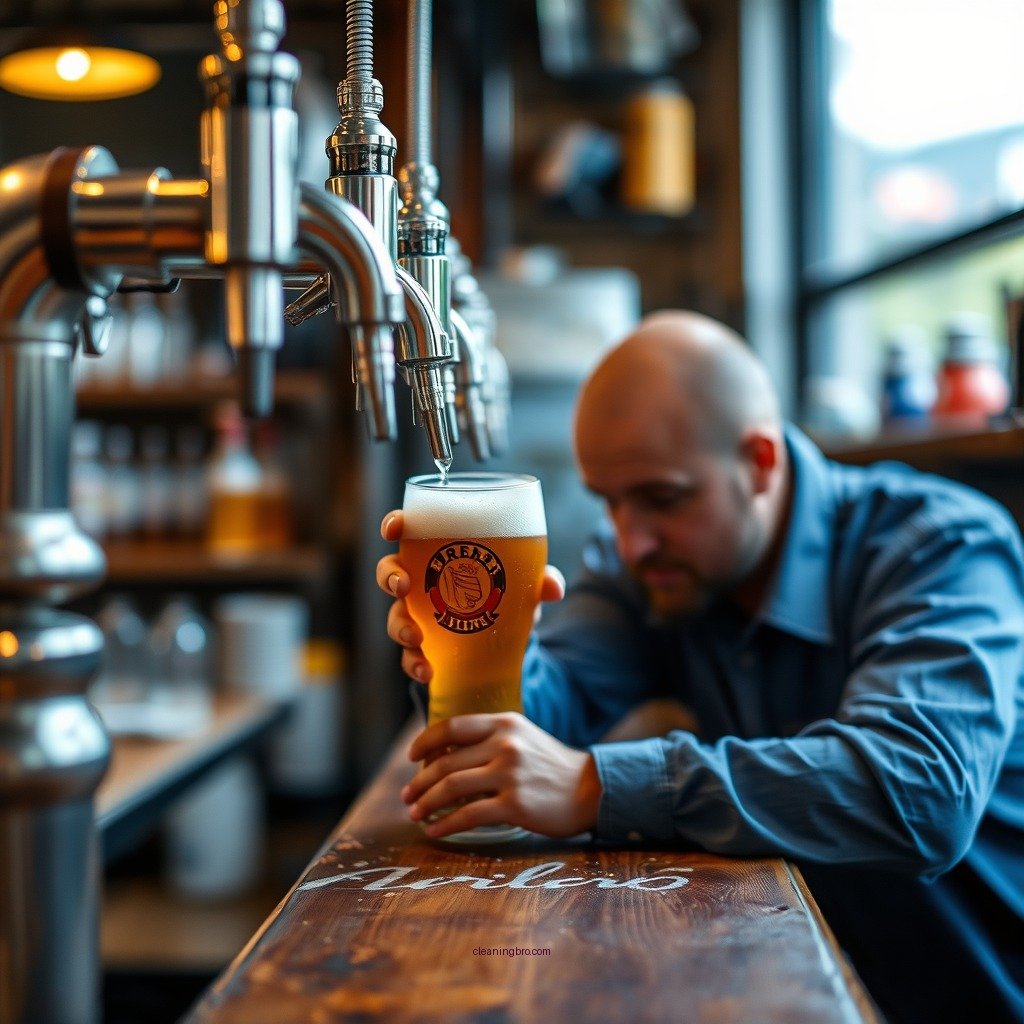
Cleaning beer lines is not just a matter of hygiene; it plays a critical role in the overall quality of the beer served. Over time, beer lines can accumulate residue, yeast, and bacteria, leading to contamination that spoils the flavor. Regular cleaning helps in maintaining the integrity of the beer, ensuring that every pour is fresh and enjoyable. Additionally, clean beer lines ensure optimal flow and reduce foaming issues that can occur when there is buildup in the lines. This not only enhances the drinking experience but also minimizes waste caused by excessive foaming, ultimately saving costs for businesses.
Tools and Supplies Needed
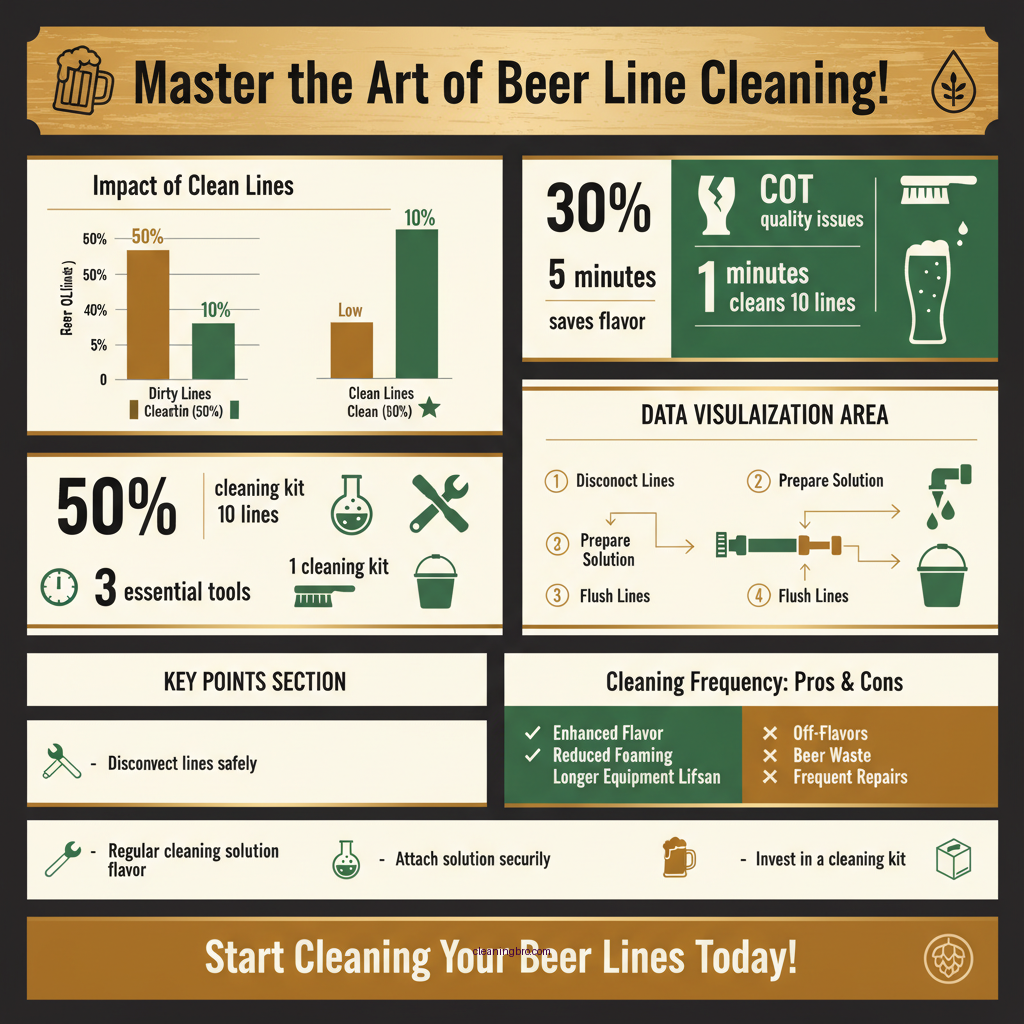
To effectively clean your beer lines, you will need specific tools and supplies tailored to your draft system. Here is a list of essential items:
– Beer Line Cleaning Solution: Choose a cleaning solution that is compatible with your specific beer line system. Common options include alkaline cleaners or specialized brewery-grade cleaning solutions.
– Cleaning Kit: A comprehensive cleaning kit should include brushes of various sizes to scrub the interior of the lines, as well as connectors to facilitate the cleaning process.
– Bucket or Container: Use a bucket or container to hold the cleaning solution. Ensure it is large enough to accommodate the volume of solution needed for your system.
Step-by-Step Cleaning Process
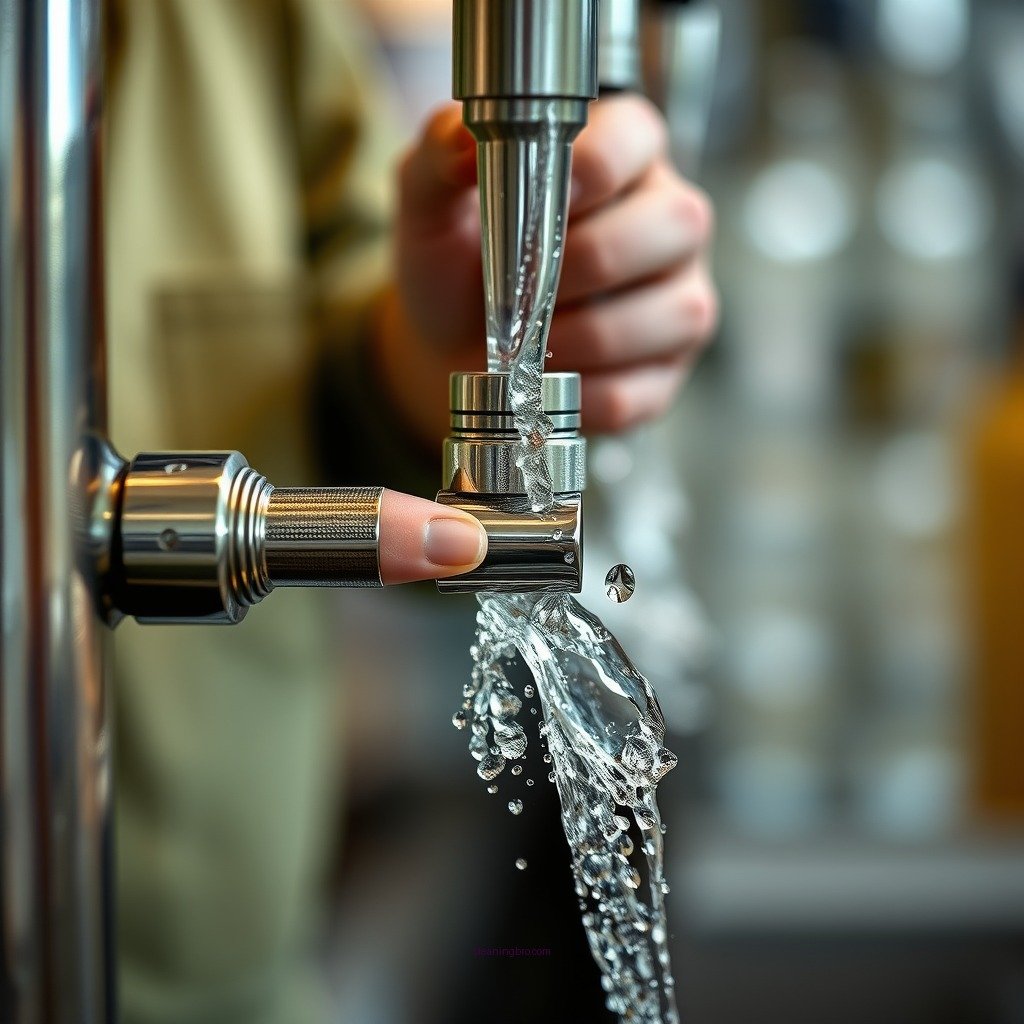
Cleaning beer lines involves a systematic approach to ensure thorough sanitation. Follow these steps for an effective cleaning process:
1. Disconnect the Beer Lines: Begin by safely disconnecting the beer lines from the keg. Ensure that you have the right tools for this task to avoid damaging the fittings.
2. Prepare the Cleaning Solution: Mix the cleaning solution according to the manufacturer’s instructions. Fill your bucket or container with the appropriate amount of solution.
3. Attach the Cleaning Solution: Connect the cleaning solution to the beer lines. Use the connectors from your cleaning kit to secure the connection effectively.
4. Flush the Lines: Turn on the cleaning solution and allow it to flow through the beer lines for the recommended time—usually between 15 to 30 minutes. This step is crucial for breaking down any buildup or contamination within the lines.
5. Rinse Thoroughly: After the cleaning solution has been flushed through, disconnect the cleaning solution and rinse the lines with clean, cold water. It’s essential to ensure that no traces of the cleaning solution remain, as this could affect the taste of the beer.
6. Reassemble and Test: Once rinsed, reassemble the lines and run a few pints of beer through to ensure the lines are clear and free of any cleaning residue.
Frequency of Cleaning
To maintain optimal beer quality, it is recommended that beer lines be cleaned every 2-4 weeks. This frequency may need to be increased during peak seasons or after periods of heavy use, such as holidays or special events. Establishing a cleaning schedule not only ensures the quality of the beer served but also allows for better management of maintenance tasks within the establishment.
Troubleshooting Common Issues
Even with regular cleaning, some problems may persist. Here are common issues and solutions:
– Persistent Off-Flavors: If you continue to experience off-flavors in your beer, check for old beer remaining in the lines or improper cleaning. Ensure that the cleaning solution is suitable for your system and that you are adhering to recommended cleaning times.
– Foaming Problems: Excessive foaming can indicate that the lines are not thoroughly rinsed or that there are obstructions. Double-check that you have flushed the lines properly and that all components are in good condition.
Additional Maintenance Tips
In addition to regular cleaning, here are some maintenance tips to consider:
– Use a Dedicated Cleaning Line: If possible, use a dedicated beer line cleaning apparatus to simplify the cleaning process and prevent cross-contamination with beer.
– Regularly Inspect Fittings and Connectors: Periodically check the condition of your beer line fittings and connectors. Replace any worn or damaged components to maintain a secure and efficient system.
Cleaning your beer lines is crucial for delivering a high-quality beer experience. By following these steps and maintaining a regular cleaning schedule, you can ensure that your draft system operates smoothly and your beer tastes its best. Don’t wait any longer—start implementing these cleaning practices today for better beer enjoyment!
Top 7 Beer Line Cleaning Solutions (2024)
| # | Product | Type | Effectiveness |
|---|---|---|---|
| 1 | Diversey Draft Beer Line Cleaner | Liquid | High |
| 2 | Brewery Line Cleaner | Powder | Medium |
| 3 | Line Star Cleaner | Liquid | High |
| 4 | PBW Cleaner | Powder | Medium |
| 5 | Beer Line Cleaner No Rinse | Liquid | High |
| 6 | Star San Cleaner | Liquid | High |
| 7 | Clean-in-Place Beer Line Cleaning System | System | Very High |
Effectiveness of Different Beer Line Cleaning Solutions
Diversey vs Brewery vs Line Star Cleaner: Full Comparison
| Feature | ⭐ Diversey Cleaner | Brewery Cleaner | Line Star Cleaner |
|---|---|---|---|
| Type | Liquid | Powder | Liquid |
| Effectiveness | High | Medium | High |
| No Rinse Required | ✅ | ❌ | ✅ |
| Eco-Friendly | ✅ | ❌ | ✅ |
| Price | $25/gallon | $15/lb | $20/gallon |
| Suitable for All Systems | ✅ | ✅ | ✅ |
| Odor Neutralization | ✅ | ❌ | ✅ |
| Shelf Life | 2 years | 1 year | 2 years |
| User Reviews | ★★★★☆ | ★★★☆☆ | ★★★★☆ |
| 🏆 Best For | High Volume Bars | Budget-Friendly Users | Home Brewers |
By following the guidelines outlined in this article, you can ensure that your beer lines are cleaned effectively, helping to deliver quality beverages to your customers and guests. Understanding the importance of regular maintenance, using the right tools, and adhering to a systematic cleaning process are keys to success in maintaining draft beer systems. Regular cleaning not only enhances the flavor of the beer but also prolongs the lifespan of your equipment.
Frequently Asked Questions
How often should I clean my beer lines?
You should clean your beer lines every two weeks to ensure optimal taste and quality. Regular cleaning prevents the buildup of yeast, mold, and bacteria, which can negatively affect the flavor of your beer and even cause health issues.
What is the best method for cleaning beer lines?
The best method for cleaning beer lines involves using a specialized beer line cleaner, which is typically a caustic solution designed to dissolve organic matter. Connect the cleaner to your draft system, run it through the lines for about 20 minutes, and then thoroughly rinse with clean water to remove any residues.
Why is cleaning beer lines important?
Cleaning beer lines is crucial because dirty lines can lead to off-flavors, cloudy beer, and a poor drinking experience. Additionally, regular maintenance helps to prolong the life of your draft system and ensures that you serve the best quality beer to your customers or guests.
Which tools do I need to clean beer lines effectively?
To clean beer lines effectively, you will need a beer line cleaning kit, which includes a cleaning solution, a pump or CO2 tank to push the solution through the lines, and brushes for faucet and coupler cleaning. Having these tools on hand makes the cleaning process more efficient and thorough.
How can I tell if my beer lines need cleaning?
You can tell your beer lines need cleaning if you notice a decrease in beer quality, such as off-flavors, excessive foam, or a sour taste. Additionally, if you observe a buildup of sediment or if the beer appears cloudy, it’s time to clean the lines to restore optimal performance.
References
- https://www.cdc.gov/healthywater/drinking/cleaning_drinking_water.html
https://www.cdc.gov/healthywater/drinking/cleaning_drinking_water.html - Drinking-water
https://www.who.int/news-room/fact-sheets/detail/drinking-water - https://www.bbc.com/news/magazine-36339094
https://www.bbc.com/news/magazine-36339094 - https://www.sciencedirect.com/topics/food-science/beer-line-cleaning
https://www.sciencedirect.com/topics/food-science/beer-line-cleaning - https://pubmed.ncbi.nlm.nih.gov/31065474/
https://pubmed.ncbi.nlm.nih.gov/31065474/ - https://www.nature.com/articles/s41598-019-49348-9
https://www.nature.com/articles/s41598-019-49348-9 - https://www.theguardian.com/society/2021/apr/13/cleaning-beer-lines-uk-pubs
https://www.theguardian.com/society/2021/apr/13/cleaning-beer-lines-uk-pubs - Google Scholar Google Scholar
https://scholar.google.com/scholar?q=how+to+clean+beer+line - Google Scholar Google Scholar
https://scholar.google.com/scholar?q=beer+line+cleaning+methods - how to clean beer line – Search results
https://en.wikipedia.org/wiki/Special:Search?search=how+to+clean+beer+line