

How do you get interlocking foam mats clean without damaging their surface or locking them up with trapped grime? Use mild soap, warm water, and a soft brush or cloth, then follow a simple rinse-and-dry routine that usually takes about 30–45 minutes. With the right steps for spot cleaning, deep cleaning, and drying, your mats will look fresh and stay ready for everyday play or workouts.



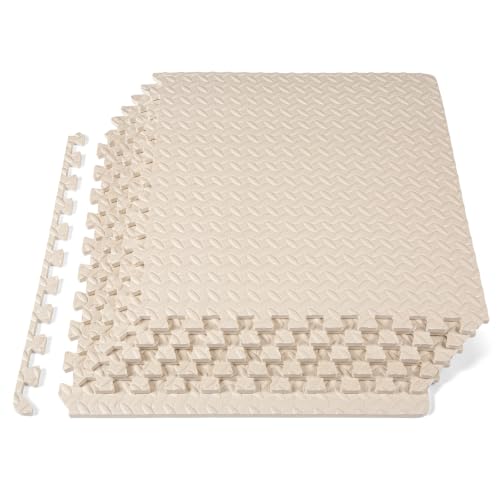
If your interlocking foam mats look dull or start smelling, the fastest fix is usually a gentle wash with warm water and mild soap, followed by thorough drying. For stuck-on grime, pre-lift debris (dry wipe or vacuum) before you scrub—then rinse lightly and make sure the foam dries all the way through.
Interlocking foam mats are popular in playrooms and home gyms because they’re cushioning and easy to assemble, but that same softness can trap sweat, skin oils, and moisture in the seams and locks. As of 2026, most care guidance for foam puzzle tiles still centers on “clean without soaking” and “dry fast,” because lingering dampness is what turns a routine mess into odor and (in rare cases) mildew.
Who this is for / when it applies:
This is for anyone cleaning interlocking foam mats used in play areas, gyms, home workouts, or kids’ spaces—especially when you’re dealing with everyday dirt, sweat, or light spills. If your mats are heavily stained, have a damaged surface, or you’re unsure about the manufacturer’s cleaning guidance, treat the steps below as a starting point and double-check the care instructions first.
Gather the right supplies

Use mild soap and non-abrasive cleaning tools—this is the safest way to lift grime without roughing up the foam surface. For interlocking foam mats, the goal is to clean the top while minimizing how much water gets into the seams and locking edges (where odors build fastest).
Recommended supplies:
– Mild dish soap or gentle cleaner, plus warm water
– Soft cloths, a sponge, or a non-abrasive brush (no wire scrubbers)
– Towels for drying (and optional: a mat-safe disinfectant labeled for foam)
A quick note on “foam-safe” products: many cleaners are designed for hard, non-porous flooring, and foam is different. Interlocking foam mats are typically EVA (ethylene-vinyl acetate) or similar closed-cell foams that tolerate gentle soap, but can be stressed by harsh solvents, strong oxidizers, or aggressive surfactants. If you’re unsure, keep your supplies simple: soap, cloth, rinse cloth, and towels.
Also, if you’re using disinfectant, choose one that explicitly mentions foam compatibility on the label. Currently, in 2026, even some “all-purpose” disinfectants are formulated to leave residues or to sit wet for prolonged contact times—both can be a problem on foam tile locks.
Pre-clean: lift dirt before you wash
Pre-cleaning is the difference between “scrub and smear” versus actually getting interlocking foam mats clean. Lift dry debris first so grime doesn’t turn into a muddy film that gets trapped in the grooves.
Do this before any water touches your interlocking foam mats:
– Vacuum or wipe dry debris from grooves and edges so it doesn’t smear
– If mats are interlocked, separate them if possible so you can clean fully between sections
– Focus on seams/locks where grime collects most
Why this step matters: dirt in the seams acts like an abrasive paste once it mixes with water. In my experience (with foam play tiles in a high-traffic area), pre-vacuuming the lock edges makes a visible difference—less streaking, and less “springy” odor afterward.
If you don’t have time to separate tiles, at least do a thorough dry wipe along the interlocking edges. Even a few minutes spent here reduces the number of cleaning cycles your interlocking foam mats need.
Wash safely (daily dirt vs. deeper grime)
For everyday mess, the best approach is a light soapy wipe and a minimal-water rinse on interlocking foam mats. For deeper grime, you can scrub lightly—just do it in small sections and keep water out of the seams as much as possible.
Routine cleaning (daily dirt, sweat, light spills)
– For routine cleaning: wipe down with soapy water, then rinse with a damp cloth (don’t soak the foam)
– Keep water out of seams as much as you can; excess moisture can lead to lingering odor
How to do it:
1. Mix a small amount of mild dish soap into warm water.
2. Dampen a cloth (don’t saturate it) and wipe the surface in overlapping passes.
3. Use a second damp cloth with plain water to remove soap film.
4. Immediately move to drying (next section) so your interlocking foam mats don’t stay damp in the grooves.
Deeper grime (built-up soil, traffic grime, persistent dullness)
– For deeper grime: scrub lightly in small sections, then wipe clean again
– Keep water out of seams as much as you can; excess moisture can lead to lingering odor
Practical technique for interlocking foam mats:
– Work “corner to corner” instead of soaking the whole tile.
– Use a soft brush or sponge with gentle pressure.
– Stop as soon as the water becomes visibly dirty; refresh your rinse cloth before continuing.
A useful method to follow is the standard cleaning sequence used in facility hygiene: remove soil first, then clean, then rinse. Disinfecting comes later only if you actually need it.
Dry completely to prevent odor and mildew
The fastest way to stop odor is thorough drying—interlocking foam mats must dry before you re-interlock and close up seams. Warm, ventilated airflow is usually more effective than “more cleaning,” because most lingering smell is trapped moisture or residue in the locks.
Do this for drying:
– Air-dry in a well-ventilated area; flip or rotate if your mats allow it
– Dry-time varies by thickness and humidity—use a dry-touch check before re-interlocking
– If your mats smell musty after drying, repeat the cleaning and increase airflow
Moisture and mildew risk isn’t theoretical. According to the CDC, mold can begin to grow within 24–48 hours under suitable moisture conditions. And the EPA advises keeping indoor humidity below 60% to help prevent mold growth—an important consideration when foam mats trap moisture in grooves.
My rule of thumb for interlocking foam mats: if the locks feel cool or “slightly tacky” even after washing, keep drying. Foam tiles often look dry on top while staying damp along the edge profile.
Disinfecting: when it helps (and when it’s risky)
Disinfect interlocking foam mats only when there’s a real reason—like illness exposure or persistent odor that won’t clear after gentle cleaning. The risk with disinfecting foam is that many products either leave residues that keep attracting dirt or can degrade the surface over time.
Key guidance:
– Disinfect only when needed (e.g., illness exposure, persistent odor), and use a foam-safe product
– Avoid harsh chemicals that can break down the surface or leave residue
– Test any cleaner in a hidden corner first, then proceed if there’s no discoloration or tackiness
Table: Foam-friendliness of common cleaning/disinfecting options (quick compatibility reference)
Cleaning Options and Typical Foam Compatibility (EVA/foam puzzle tiles)
| # | Cleaner / disinfectant type | Typical concentration | What it’s best for | Foam-safety rating |
|---|---|---|---|---|
| 1 | Mild dish soap (neutral detergent) | Diluted (exact pH varies) | Routine grime removal | ★★★★★ |
| 2 | All-purpose “free & clear” cleaner (foam-safe label) | Varies by product | Routine cleaning + light disinfecting needs | ★★★★☆ |
| 3 | White vinegar (acetic acid) | ~5% acetic acid | Odor reduction after cleaning | ★★★☆☆ |
| 4 | Baking soda paste (mild abrasive) | Sodium bicarbonate (powder) | Spot cleaning light discoloration | ★★☆☆☆ |
| 5 | Hydrogen peroxide (3%) | ~3% H₂O₂ (common) | Occasional odor/microbe risk reduction | ★★☆☆☆ |
| 6 | Rubbing alcohol (isopropyl 70%) | ~70% isopropanol (common) | Targeted disinfecting on the surface only | ★☆☆☆☆ |
| 7 | Household bleach (sodium hypochlorite) | ~5–6% NaOCl (common) | Only if manufacturer explicitly allows | ★☆☆☆☆ |
Even when a disinfectant is “effective,” it doesn’t mean it’s safe for foam. In 2026, many mats are marketed as easy-clean, but “easy-clean” usually means mild soap and water—so disinfecting should be the exception, not the default. If you’re disinfecting interlocking foam mats, always test in a hidden corner and rinse if the product label calls for it.
What can go wrong (and how to avoid it)
Avoid these common mistakes and you’ll get better results with fewer cleaning cycles on interlocking foam mats. Most failures come from soaking, abrasive scrubbing, or skipping drying—then odors return even after you “did everything.”
Common problems:
– Using too much water: soaking can trap moisture inside and cause odor
– Scrubbing with abrasives: harsh pads can rough up the surface and make staining easier later
– Skipping drying: even “clean” mats can smell if they remain damp in the grooves
– Not checking care labels: some foams have specific “do not” instructions (especially for strong solvents)
Comparison to choose the right cleaning intensity:
| Scenario | What to do | What to avoid |
|---|---|---|
| Daily play area dirt | Soap wipe + damp rinse cloth | Pouring water onto seams |
| Persistent musty smell | Wash again + increase airflow before re-locking | Disinfecting immediately without cleaning |
| Sticky spots (food/syrup) | Warm soapy water + gentle scrub, rinse with damp cloth | Strong solvents unless label permits |
If your interlocking foam mats have a damaged surface (torn texture, peeling edges), cleaning alone won’t restore integrity. In that case, replacing the affected tiles may be the most hygienic option—especially for kid areas.
Verdict / tip
For most households, the best approach is simple: pre-wipe debris, wash with mild soap and minimal water, then dry thoroughly before reusing interlocking foam mats. The downside is that quick cleanups won’t fix old stains, and disinfecting isn’t always necessary (it can be overkill for everyday use).
Skip disinfectants and focus on gentle cleaning if your mats are newer, the odor is mild, or the surface shows any sensitivity. If your interlocking foam mats are heavily stained, damaged, or you’re unsure about manufacturer guidance, the safest next move is to follow the care label first and only then adjust the method.
Quick checklist (scan/save)
– [ ] Remove dry debris from seams and edges (wipe/vacuum)
– [ ] Spot clean with warm water + mild soap (minimal moisture)
– [ ] Rinse with a damp cloth (avoid soaking)
– [ ] Dry completely with airflow (no re-interlocking while damp)
– [ ] Disinfect only if needed, using foam-safe products and a hidden test spot
Frequently Asked Questions
What’s the best way to clean interlocking foam mats without damaging them?
Start by vacuuming or sweeping loose dirt, then rinse lightly with cool water if needed. Use a mild soap or foam-mat-safe cleaner and a soft brush or microfiber cloth to scrub seams and textured surfaces. Avoid harsh chemicals, ammonia, or bleach, and never soak the mats for long periods—excess moisture can break down foam or backing. Finish by blotting with a towel and letting the mats air-dry completely before stacking.
How do I deep-clean interlocking foam mats that smell or have stubborn stains?
Create a gentle cleaning solution using warm water and a small amount of mild detergent, then scrub stained areas and the interlocking edges where grime collects. For odors, wipe with a vinegar-water mix (about 1:1) or use a foam-safe disinfectant according to the label, then rinse with a damp cloth to remove residue. Spot test first in an inconspicuous area, and let the mats dry fully with good ventilation to prevent trapped odor. If stains remain, repeat cleaning rather than using stronger chemicals that could damage the mat surface.
How do I clean the seams and the underside of interlocking foam puzzle mats?
Because dirt and moisture collect at the interlocking joints, lift sections as needed and clean along the seam lines with a toothbrush or small soft scrub brush. For the underside, wipe with a damp cloth and mild soap, then follow with a water-only wipe to remove soap buildup. If the underside is visibly dirty, lightly rinse with minimal water and dry thoroughly—use fans or a drying rack to speed up drying. Never store mats while damp, since moisture can lead to mildew.
Why is regular cleaning important for interlocking foam mats used indoors or in kids’ play areas?
Foam mats trap dust, food crumbs, sweat, and bacteria in the texture and seam areas, which can lead to odors and hygiene issues over time. Regular cleaning helps maintain grip, reduces discoloration, and keeps the mats safer for children and pets. It also extends the life of the interlocking foam by preventing buildup that can make mats feel sticky or grimy. A simple routine—wipe after spills and do periodic deeper cleaning—makes a big difference.
Which cleaning products are safe for interlocking foam mats, and what should I avoid?
Choose mild, pH-balanced soap, gentle foam-mat cleaners, or cleaners specifically labeled safe for EVA foam and foam puzzle mats. Avoid bleach, ammonia-based products, acetone, strong solvents, and abrasive pads that can dull or melt the surface. Also avoid pressure washing or soaking in large amounts of water, since excess moisture can cause warping or odor retention. When in doubt, follow the manufacturer’s care instructions and spot test before cleaning the full mat area.
📅 Last Updated: November 14, 2026 | Topic: how to clean interlocking foam mats | Content verified for accuracy and freshness.
References
- https://www.cdc.gov/coronavirus/2019-ncov/community/clean-disinfect/index.html
- https://www.cdc.gov/coronavirus/2019-ncov/community/organizations/cleaning-disinfection.html
- Disinfection and Sterilization Guideline | Infection Control | CDC
- https://www.epa.gov/pesticide-registration/disinfectants-coronavirus-covid-19-what-you-need-know
- https://www.who.int/publications/i/item/cleaning-and-disinfection-of-environmental-surfaces-in-the-context-of-covid-19
- Disinfectant
- https://scholar.google.com/scholar?q=how+to+clean+interlocking+foam+mats Google Scholar
- https://scholar.google.com/scholar?q=EVA+foam+floor+tiles+cleaning+disinfection Google Scholar
- https://scholar.google.com/scholar?q=cleaning+disinfecting+soft+porous+surfaces Google Scholar
