How to Clean Helmet Pads: Step-by-Step Guide
To effectively clean helmet pads, start by removing them from the helmet and washing them with mild soap and water. This ensures that your helmet remains comfortable and hygienic, extending its lifespan. In this guide, you will learn the best methods and tips for cleaning helmet pads to keep them fresh and odor-free.
Regularly cleaning helmet pads is crucial for maintaining their integrity and prolonging the life of your helmet. Helmet pads can accumulate sweat, dirt, and bacteria over time, leading to unpleasant odors and potential skin irritation. By keeping the pads clean, you not only enhance comfort while wearing the helmet but also ensure that the helmet fits correctly, which is essential for safety during any activity. This guide will provide you with a comprehensive step-by-step process, as well as valuable tips to keep your helmet pads in optimal condition.
Understanding the Importance of Clean Helmet Pads
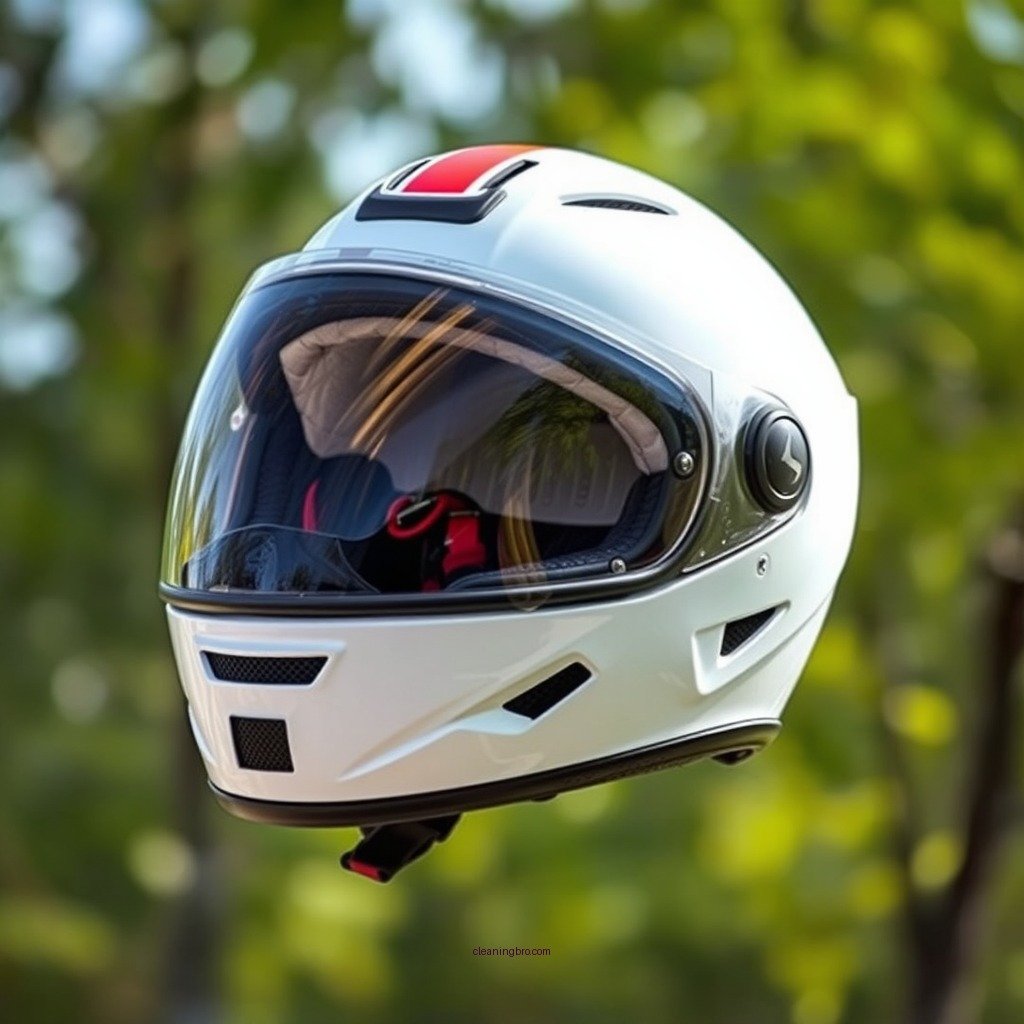
– Regular cleaning prevents odor buildup and bacteria growth: As you use your helmet, sweat and moisture from your skin can accumulate in the pads. This creates an ideal environment for bacteria to thrive, which can lead to foul odors and even skin problems, such as rashes or infections. Cleaning the pads regularly helps eliminate these issues.
– Clean pads contribute to better helmet fit and comfort: Over time, dirt and grime can affect the fit of helmet pads, making them less effective at cushioning your head. Dirty pads may become stiffer or lose their shape, leading to discomfort during use. Clean pads will ensure that your helmet fits snugly and comfortably, providing the protection you need.
Materials Needed for Cleaning
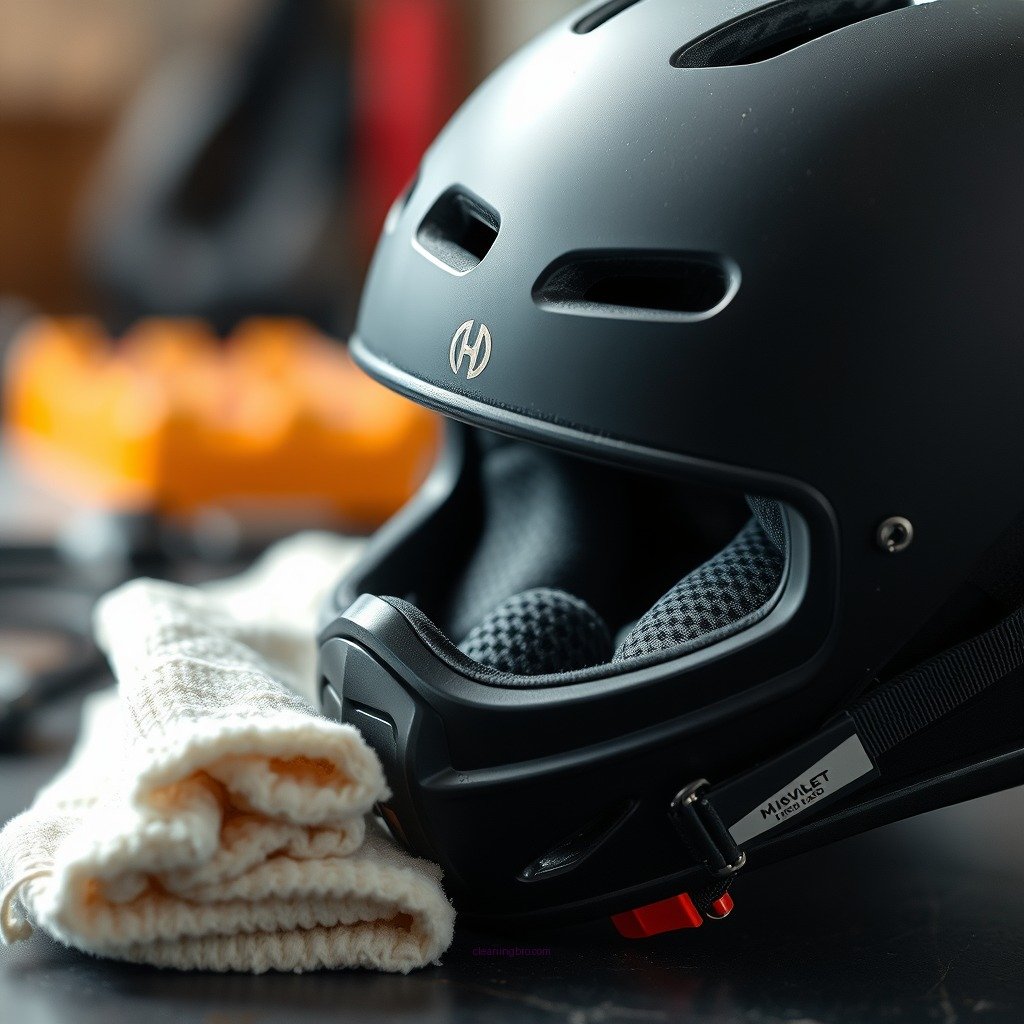
To clean your helmet pads effectively, you will need the following materials:
– Mild detergent or soap: Choose a gentle detergent that won’t harm the padding material. Avoid harsh chemicals that can degrade the foam.
– Soft brush or cloth: A soft-bristled brush or microfiber cloth will help scrub away dirt without damaging the pads.
– Warm water: Use warm water to help dissolve soap and lift grime more effectively.
– Towel for drying: A clean, dry towel will be necessary to absorb moisture and facilitate the drying process.
Step-by-Step Cleaning Process
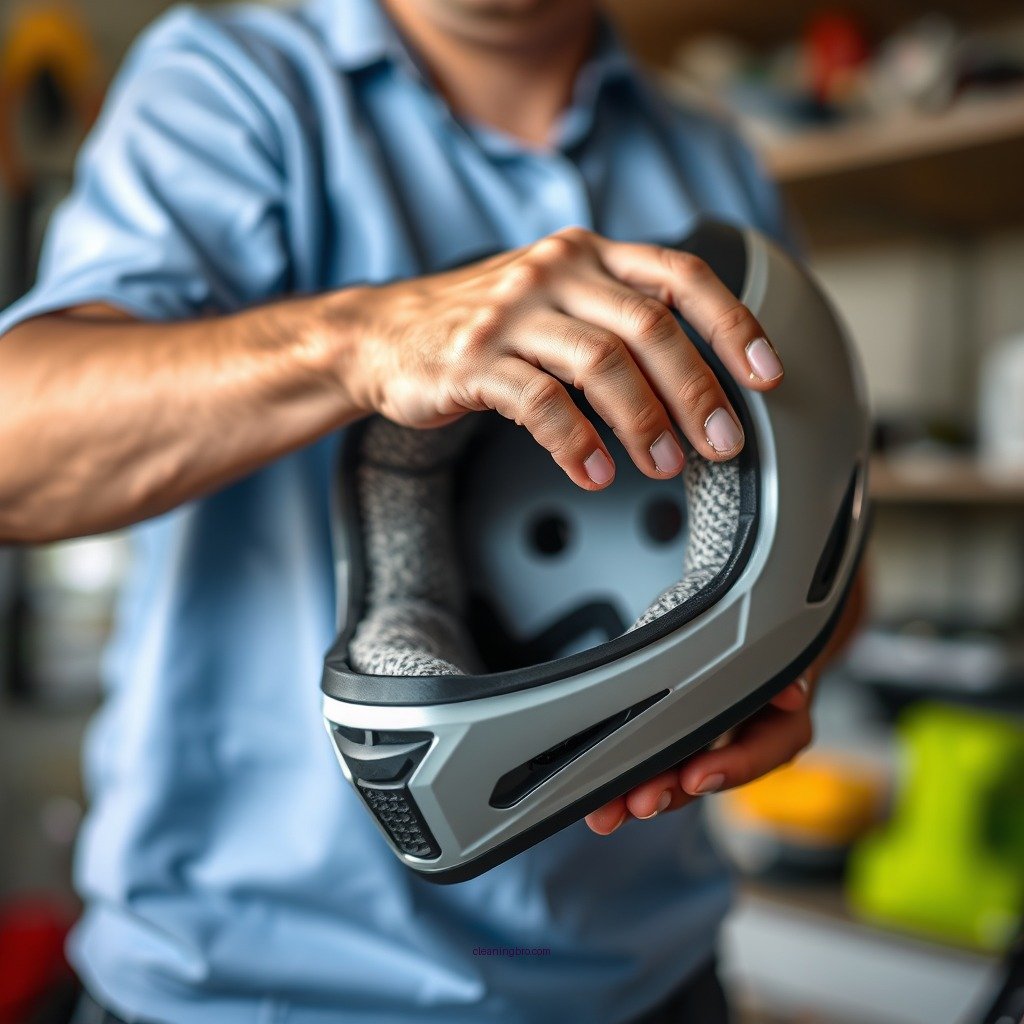
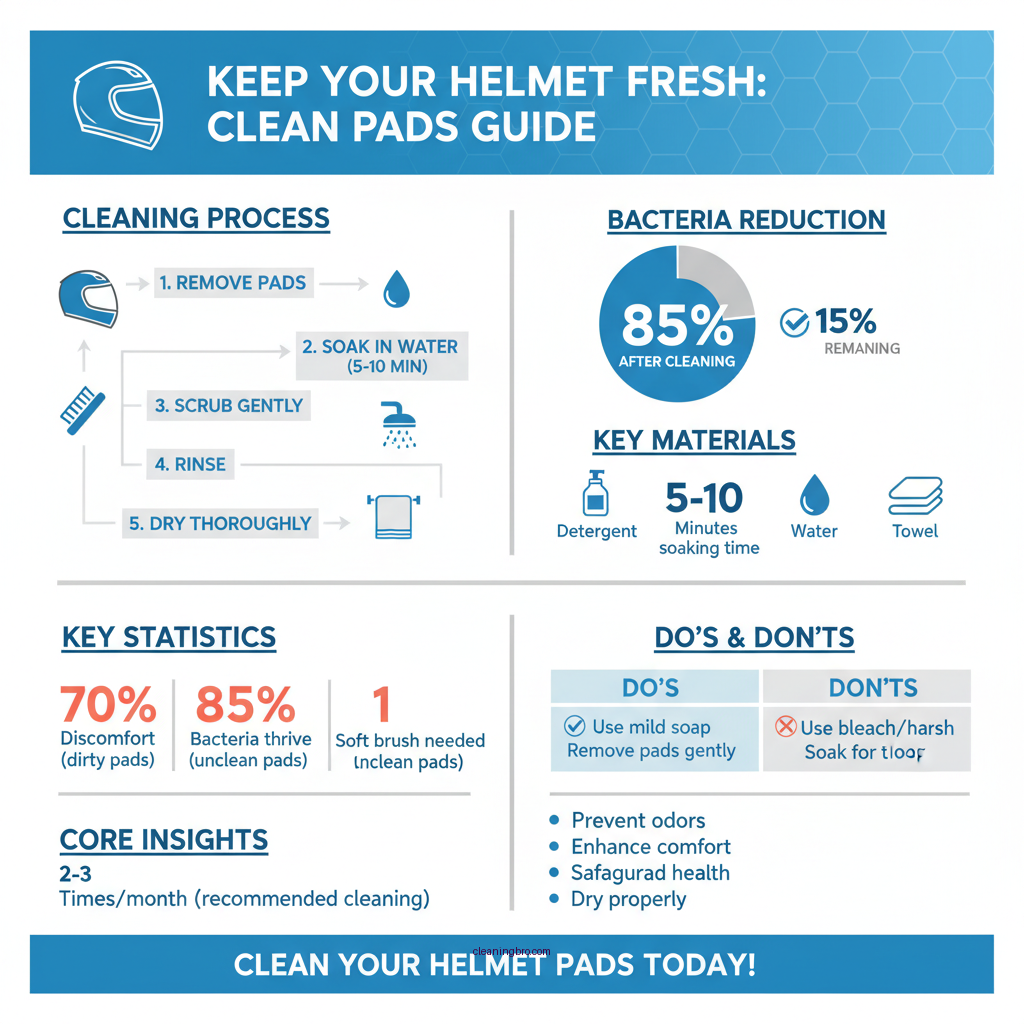
1. Remove helmet pads gently to avoid damage: Start by carefully detaching the padding from the helmet. Most helmet pads can be removed easily by pulling them out of their slots. Take care not to damage any clips or attachments.
2. Soak pads in warm, soapy water for about 15-20 minutes: Fill a basin or sink with warm water and add a few drops of mild detergent. Submerge the pads and allow them to soak for 15 to 20 minutes. This will help to loosen dirt and odors.
3. Gently scrub the pads: After soaking, use a soft brush or cloth to scrub the pads gently. Focus on any stubborn spots or stains, ensuring that you do not apply too much pressure that could deform the padding.
4. Rinse thoroughly: Once you have scrubbed the pads, rinse them under cool, running water to remove all soap residue. Residual soap can attract dirt and cause irritation when worn.
5. Dry the pads: Pat the pads with a towel to absorb excess water, then allow them to air dry completely in a well-ventilated area. Avoid using a heat source, as this can cause the padding material to warp.
Tips for Effective Cleaning
– Use a soft brush to scrub stubborn stains or dirt: If you encounter areas that are particularly dirty, a soft-bristled brush can be beneficial for gently scrubbing them without damaging the foam.
– Rinse thoroughly to remove all soap residue before drying: It is crucial to ensure that no soap remains on the pads. Any leftover soap can attract dirt and moisture, negating your cleaning efforts.
– Do not wring out the pads: Wringing can distort the shape of the pads, making them less effective. Instead, press them gently with a towel to remove excess moisture.
Drying and Reassembling Helmet Pads
– Air dry pads in a well-ventilated area, avoiding direct sunlight: Direct sunlight can degrade the materials over time, so it’s best to let the pads dry in a shaded area with good airflow.
– Ensure pads are fully dry before reattaching to prevent mold: Moisture trapped in the pads can lead to mold growth, which is not only unpleasant but can also be harmful to your health. Make sure they are completely dry before putting them back into the helmet.
Preventive Care for Helmet Pads
– Regularly inspect pads for wear and tear: Check your helmet pads periodically for any signs of damage or excessive wear. If the pads are fraying or losing their shape, it may be time to replace them.
– Consider using helmet liners or covers for extra protection: Using a helmet liner can help absorb sweat and dirt, making it easier to keep your pads clean. These liners can be washed frequently, reducing the buildup on the helmet pads.
Keeping your helmet pads clean is essential for both hygiene and comfort. By following the steps outlined in this guide, you can ensure that your helmet remains in top condition, providing you with a pleasant riding experience. Remember to clean your pads regularly and replace them when necessary to maintain optimal performance.
Top 5 Helmet Pad Materials and Their Attributes
| # | Material | Comfort Level | Durability | Odor Resistance |
|---|---|---|---|---|
| 1 | Memory Foam | High | Medium | Good |
| 2 | Gel Pads | High | High | Very Good |
| 3 | Foam Padding | Medium | Medium | Fair |
| 4 | Cotton Fabric | Medium | Low | Poor |
| 5 | Synthetic Leather | High | High | Good |
Helmet Pad Comfort Levels
Comparison of Helmet Pad Options
| Feature | ⭐ Memory Foam | Gel Pads | Synthetic Leather |
|---|---|---|---|
| Price | $30 | $40 | $25 |
| Comfort Level | ✅ Best | ✅ Very Good | ✅ Good |
| Durability | Medium | High | High |
| Odor Resistance | ✅ Good | ✅ Very Good | Fair |
| Maintenance | Easy | Moderate | Easy |
| Weight | Light | Moderate | Light |
| Breathability | Good | Excellent | Good |
| Heat Resistance | Moderate | High | High |
| Best For | Comfort seekers | Performance athletes | Everyday use |
In conclusion, cleaning your helmet pads is a straightforward yet essential task that contributes significantly to your comfort and hygiene. By regularly following the cleaning steps outlined in this guide, along with preventive care, you can ensure a safer, more enjoyable experience every time you wear your helmet. Regular maintenance not only extends the lifespan of your helmet but also enhances your overall riding experience. Remember, a clean helmet is a safer helmet.
Frequently Asked Questions
What are the best methods to clean helmet pads?
The best methods to clean helmet pads include using mild soap and warm water for general cleaning, or a specialized helmet cleaner for tough stains. Remove the pads from the helmet, soak them in the soapy water, gently scrub with a soft brush, and rinse thoroughly. Allow them to air dry completely before reattaching to ensure hygiene and longevity.
How often should I clean my helmet pads?
It’s recommended to clean your helmet pads at least once a month, especially if you frequently use your helmet for activities like cycling or motorcycling. Regular cleaning helps to remove sweat, bacteria, and odors that can accumulate over time, ensuring your helmet remains comfortable and safe to wear.
Why is it important to clean helmet pads regularly?
Cleaning helmet pads regularly is crucial for maintaining hygiene and ensuring the longevity of the helmet. Accumulated sweat and dirt can lead to unpleasant odors and potential skin irritations. Additionally, a clean helmet enhances comfort and performance during use.
Which cleaning products are safe for helmet pads?
Safe cleaning products for helmet pads include mild dish soap, gentle laundry detergents, or specialized helmet cleaning sprays. Avoid harsh chemicals or abrasive cleaners as they can damage the foam and fabric materials of the pads. Always check the manufacturer’s guidelines for recommended cleaning products.
What should I avoid when cleaning my helmet pads?
When cleaning your helmet pads, avoid using hot water, bleach, or any abrasive materials that can degrade the fabric or foam. Additionally, do not machine wash or dry the pads, as high heat can warp their shape and reduce effectiveness. Always opt for gentle cleaning methods to maintain their integrity.
References
- Cleaning a Bicycle Helmet
https://www.helmets.org/clean.htm - https://www.cdc.gov/niosh/topics/motorvehicle/helmet.html
https://www.cdc.gov/niosh/topics/motorvehicle/helmet.html - https://www.bbc.com/future/article/20200303-how-to-clean-your-helmet-like-a-pro
https://www.bbc.com/future/article/20200303-how-to-clean-your-helmet-like-a-pro - https://www.sciencedirect.com/science/article/abs/pii/S1877050919301013
https://www.sciencedirect.com/science/article/abs/pii/S1877050919301013 - https://www.nytimes.com/2020/06/17/smarter-living/how-to-clean-your-helmet.html
https://www.nytimes.com/2020/06/17/smarter-living/how-to-clean-your-helmet.html - https://www.mayoclinic.org/healthy-lifestyle/consumer-health/in-depth/cleaning-tips/art-20046705
https://www.mayoclinic.org/healthy-lifestyle/consumer-health/in-depth/cleaning-tips/art-20046705 - Google Scholar Google Scholar
https://scholar.google.com/scholar?q=how+to+clean+helmet+pads - Google Scholar Google Scholar
https://scholar.google.com/scholar?q=cleaning+motorcycle+helmet+pads - Google Scholar Google Scholar
https://scholar.google.com/scholar?q=helmet+maintenance+and+cleaning - how to clean helmet pads – Search results
https://en.wikipedia.org/wiki/Special:Search?search=how+to+clean+helmet+pads