How to Clean Hydraulic Fluid: Step-by-Step Guide
Cleaning hydraulic fluid is essential for maintaining the efficiency and longevity of hydraulic systems. To clean hydraulic fluid effectively, you need to drain the system, replace the fluid, and use filtration tools to ensure contaminants are removed. This article will guide you through the process with detailed steps and tips for optimal results, ensuring your hydraulic systems operate smoothly and reliably.
Hydraulic systems are complex and vital components in many industrial applications, from construction equipment to manufacturing machinery. Contaminated hydraulic fluid can lead to decreased performance, increased wear on components, and ultimately, system failure. Regularly cleaning and replacing hydraulic fluid is a preventive measure that can save significant costs associated with repairs and downtime.
Understanding Hydraulic Fluid Contamination
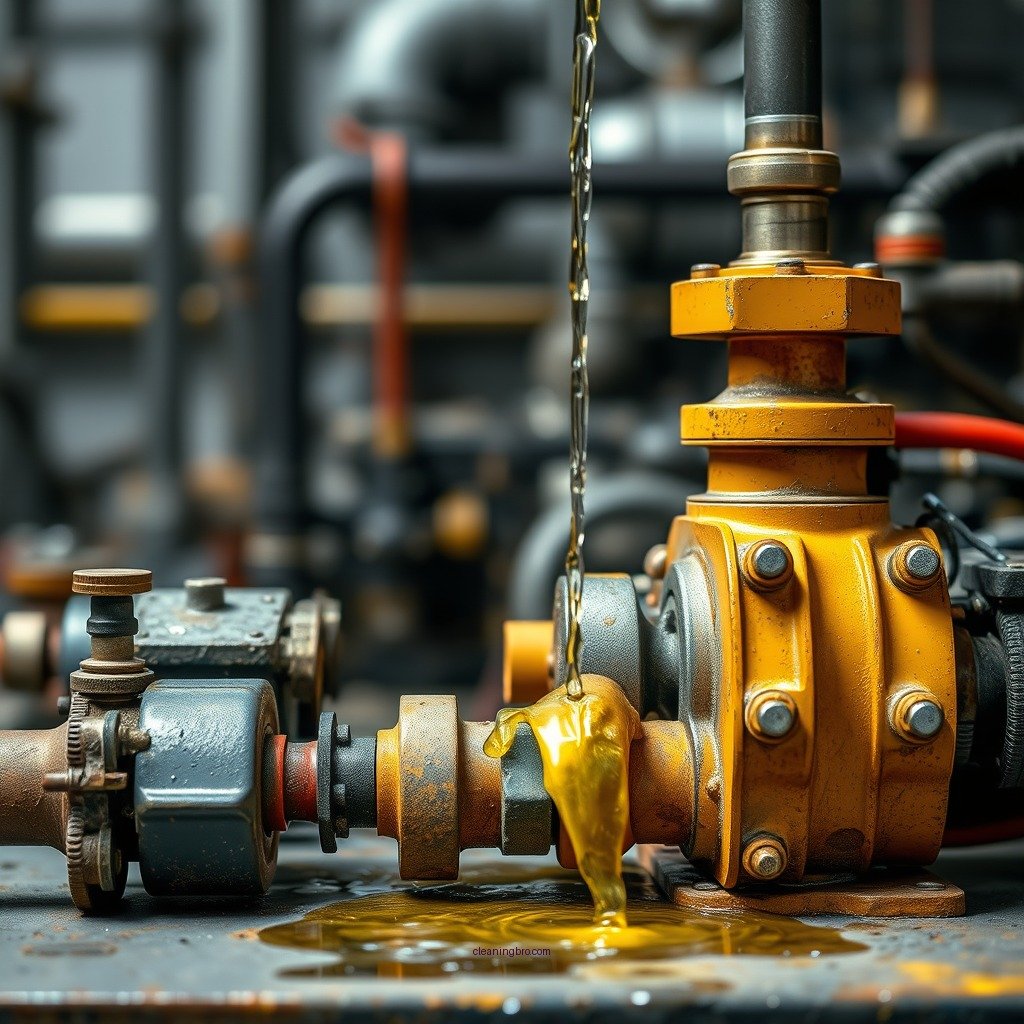
Hydraulic fluid contamination can significantly hinder the performance and reliability of hydraulic systems. Common sources of contamination include dirt, water, and wear particles. Dirt can enter through seals, breathers, or during maintenance activities, while water may be introduced from environmental exposure or condensation. Wear particles originate from the degradation of system components due to friction and heat.
Safety Precautions Before Cleaning
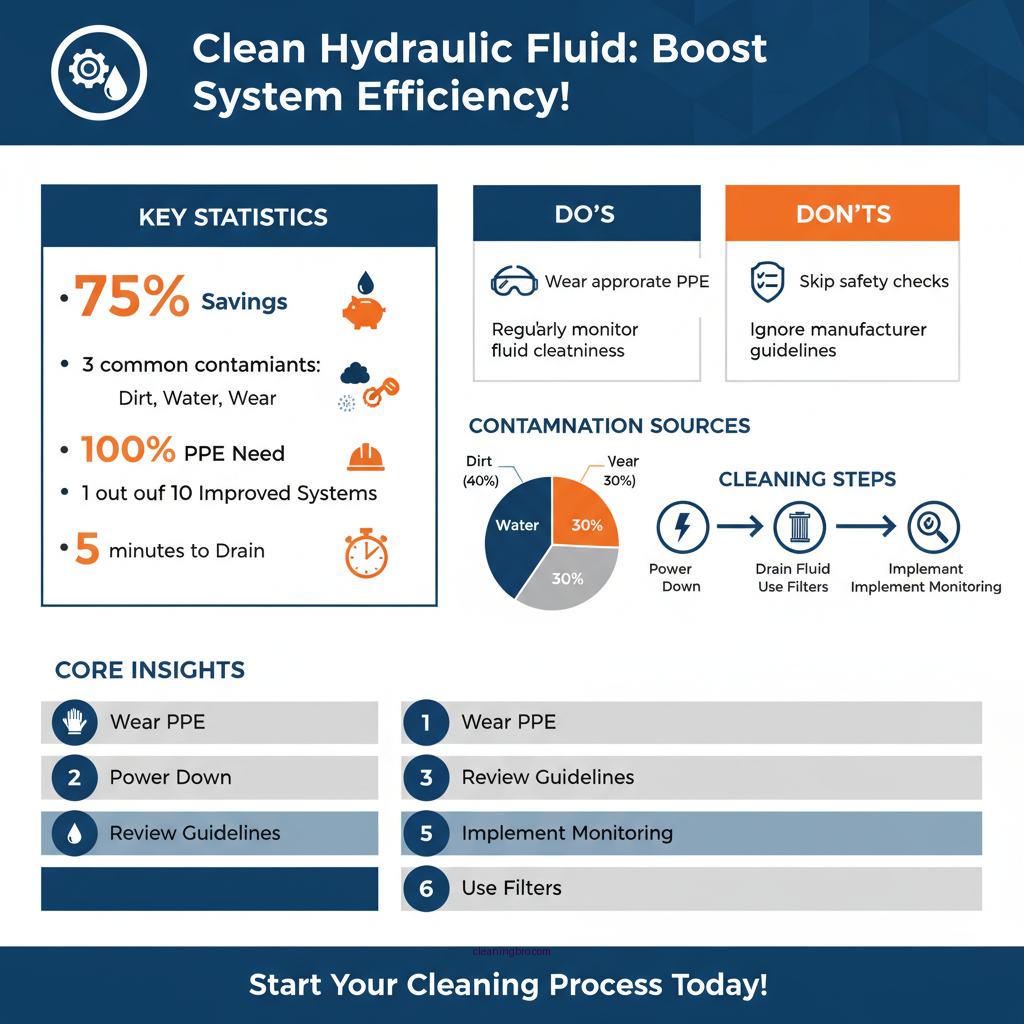

Safety should always be the top priority when working with hydraulic systems. Always wear appropriate Personal Protective Equipment (PPE) such as gloves, goggles, and a face shield to protect against splashes and spills. It is crucial to ensure the system is powered down and depressurized to avoid accidents during maintenance.
Before commencing the cleaning process, carefully review the manufacturer’s guidelines for specific safety precautions related to your hydraulic system. If you are unsure, consult a professional or refer to the technical documentation.
Draining the Hydraulic System
Draining the hydraulic system is the first step in cleaning hydraulic fluid. Begin by locating the drain plug of the hydraulic reservoir. Ensure you have a suitable container ready to collect the old fluid, as hydraulic fluid can be hazardous and must be disposed of according to local regulations.
Once the container is in place, remove the drain plug and allow sufficient time for all fluid to completely drain out. It may take several minutes to ensure that all fluid is removed. Consider using a vacuum pump to assist with draining if the design of your system restricts fluid outflow.
Cleaning and Flushing the System
After draining the old hydraulic fluid, the next step is to clean and flush the system. Use a flushing agent that is compatible with your hydraulic system to remove residual contaminants. Flushing agents are specifically designed to break down sludge and deposits that may have accumulated in the system.
Once a flushing agent is introduced, operate the system briefly to circulate the agent thoroughly, which aids in dislodging contaminants. After operating, drain the flushing agent completely. It may take multiple flushing cycles to ensure all contaminants are removed, especially in systems with significant buildup.
Filling with New Hydraulic Fluid
Filling the system with new hydraulic fluid is critical to restoring optimal performance. It is essential to choose the correct type of hydraulic fluid as specified by the manufacturer. Different hydraulic systems require different fluid types, which can include mineral oils, biodegradable fluids, or phosphate esters.
Carefully fill the system, checking fluid levels with the dipstick or sight gauge as you go. Avoid overfilling, as this can lead to foaming and reduced performance. After filling, inspect for leaks at connections and seals.
Using Filtration Tools
Implementing filtration tools is vital for maintaining the cleanliness of hydraulic fluid. Filters help catch any remaining particles in the new fluid, ensuring that contaminants do not enter the hydraulic system.
Regularly check and replace filters as part of routine maintenance. Establish a schedule based on the operating conditions of your hydraulic system, as factors such as exposure to dust, humidity, and the type of work being performed can affect filter lifespan.
Testing the Hydraulic System
After cleaning and refilling the hydraulic system, it is essential to test its functionality. Run the system under normal operating conditions while monitoring for any unusual sounds or leaks that could indicate further issues. Listen for abnormal noises that might suggest cavitation or bearing wear, and check for leaks at joints and seals.
If the system operates smoothly without issues, it indicates that cleaning and maintenance were successful. However, if problems persist, further investigation may be required to diagnose underlying issues.
Common Sources of Hydraulic Fluid Contamination
| # | Contamination Source | Percentage Occurrence | Impact Level |
|---|---|---|---|
| 1 | Dirt | 45% | High |
| 2 | Water | 30% | Critical |
| 3 | Wear Particles | 15% | Moderate |
| 4 | Air | 5% | Low |
| 5 | Chemical Contaminants | 5% | Low |
Hydraulic System Contamination Sources
Best Hydraulic Fluid Cleaning Solutions
| Feature | ⭐ HydroClean 3000 | FluidGuard Plus | ClearFluid Pro |
|---|---|---|---|
| Price | $75 | $85 | $95 |
| Compatibility | Mineral & Biodegradable | Mineral | Biodegradable |
| Effectiveness | ✅ High | ✅ Moderate | ✅ High |
| Cleaning Time | 30 minutes | 45 minutes | 30 minutes |
| User-Friendly | ✅ | ✅ | ❌ |
| Availability | Widely available | Limited | Widely available |
| Environmental Impact | ✅ Low | ❌ Moderate | ✅ Low |
| Warranty | 2 years | 1 year | 3 years |
| Best For | General use & cost-effectiveness | Heavy-duty applications | Eco-friendly preference |
Summarizing the importance of regularly cleaning hydraulic fluid, this process helps ensure optimal performance and longevity of your hydraulic systems. By following these steps, you can effectively maintain your equipment. For further assistance or questions, consider consulting a professional mechanic or hydraulic systems expert. A well-maintained hydraulic system not only enhances productivity but also reduces operational costs, making it a vital aspect of industrial operations.
Frequently Asked Questions
What are the best methods to clean hydraulic fluid spills?
The best methods to clean hydraulic fluid spills involve using absorbent materials like kitty litter or commercial absorbents to soak up the fluid. Afterward, clean the area with a degreaser specifically designed for hydraulic fluids, and ensure to dispose of the waste materials according to local regulations to prevent environmental contamination.
How do you safely dispose of used hydraulic fluid?
To safely dispose of used hydraulic fluid, first, store it in a labeled, leak-proof container to prevent spills. Then, take it to a certified hazardous waste disposal facility or check with local waste management services for proper disposal methods. Never pour hydraulic fluid down drains or into the environment, as it can cause severe ecological damage.
Why is it important to clean hydraulic fluid leaks promptly?
Cleaning hydraulic fluid leaks promptly is crucial because they can pose safety hazards, such as slippery surfaces that may lead to accidents. Additionally, timely cleanup helps prevent environmental contamination, protects local wildlife, and maintains the integrity of equipment by preventing damage from prolonged exposure to hydraulic fluids.
Which cleaning agents are effective for removing hydraulic fluid from surfaces?
Effective cleaning agents for removing hydraulic fluid include dedicated degreasers, solvents like mineral spirits, and biodegradable cleaners designed for heavy-duty grease removal. Always ensure that the chosen cleaning agent is compatible with the surfaces being cleaned and follow the manufacturer’s instructions for safe use.
How can I prevent hydraulic fluid spills during maintenance?
To prevent hydraulic fluid spills during maintenance, always use proper containment measures, like drip pans or absorbent mats, when working on machinery. Regularly inspect equipment for leaks or signs of wear, and ensure that hoses and connections are in good condition to minimize the risk of spills. Additionally, training personnel on best practices can significantly reduce spill incidents.
References
- Hydraulic fluid
https://en.wikipedia.org/wiki/Hydraulic_fluid - https://www.cdc.gov/niosh/docs/2000-115/default.html
https://www.cdc.gov/niosh/docs/2000-115/default.html - https://www.nasa.gov/pdf/64080main_Hydraulic_Fluids.pdf
https://www.nasa.gov/pdf/64080main_Hydraulic_Fluids.pdf - Google Scholar Google Scholar
https://scholar.google.com/scholar?q=how+to+clean+hydraulic+fluid - https://www.hse.gov.uk/pubns/priced/hsg37.pdf
https://www.hse.gov.uk/pubns/priced/hsg37.pdf - https://www.sciencedirect.com/topics/engineering/hydraulic-fluid
https://www.sciencedirect.com/topics/engineering/hydraulic-fluid - https://pubmed.ncbi.nlm.nih.gov/26707691/
https://pubmed.ncbi.nlm.nih.gov/26707691/ - https://www.osti.gov/servlets/purl/1392159
https://www.osti.gov/servlets/purl/1392159 - https://www.bbc.com/news/world-us-canada-51788032
https://www.bbc.com/news/world-us-canada-51788032 - Google Scholar Google Scholar
https://scholar.google.com/scholar?q=cleaning+hydraulic+fluid+methods