

You can clean a bathroom mirror with citric acid by making a simple, diluted solution, applying it carefully, and wiping with a microfiber cloth until spots lift without streaking. Plan on about 10 minutes for regular grime, and you will only need citric acid powder, warm water, a spray bottle or bowl, microfiber cloths, and gloves for safe handling. Start now to get a clearer reflection while protecting the mirror’s coating from harsh cleaners.


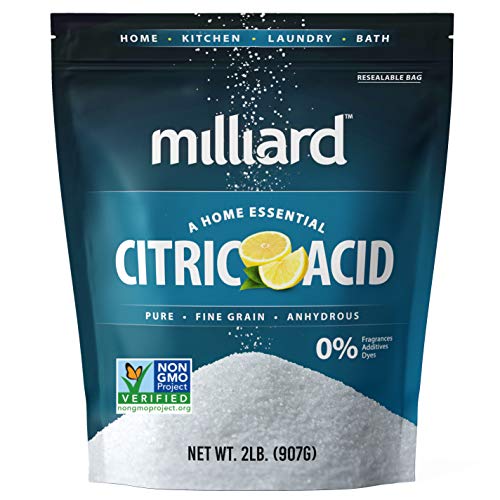
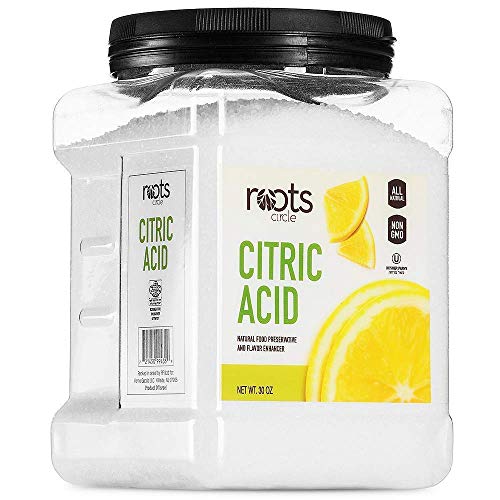
Yes—you can clean a bathroom mirror with citric acid by dissolving it in water, wiping the mirror, then rinsing and drying to prevent streaks. This works especially well for spotting caused by hard water and soap residue, where plain glass cleaners may leave a faint film. In practice, citric acid is a controlled “descaling” approach: it targets mineral buildup while you avoid aggressive scrubbing that can haze or damage delicate mirror coatings.
If your mirror gets cloudy spots, water marks, or a dull haze after showers, citric acid can be a practical option. This is most useful when the buildup looks like mineral residue rather than just everyday fingerprints. If you want safer results, treat citric acid like a targeted cleaner: prepare it correctly, keep contact time short, and rinse/dry thoroughly—especially around edges and frames.
If you have a bathroom mirror with visible limescale rings, calcium spots, or a recurring dull film, this is for you. It’s also a good fit if you’re comfortable following the product label and you can rinse the glass well—because citric acid is an acid, and leaving residue behind is what usually causes the next round of streaks.
Gather what you need (and prep the mirror)

You’ll get the cleanest, safest finish when you prep for control (less overspray, fewer abrasive contacts, faster drying). Gather tools that won’t leave lint and don’t scratch, because mirror hazing often comes from mechanical abrasion as much as it does from residue.
– Use clean, lint-free materials: microfiber cloths or paper towels that don’t shred (avoid anything abrasive).
– Have a bowl/spray bottle for mixing, plus plain water for rinsing.
– Clear the area and let the mirror cool if it’s warm from hot showers or direct heat.
– Safety basics: wear gloves if you’re sensitive to acids, and ventilate the bathroom (a fan helps).
– Avoid mixing cleaners: do not combine citric acid with bleach-based products or other bathroom disinfectants that may react when acidic.
From my own home-cleaning routine, the biggest difference between a “spotty” and “sparkly” mirror is how quickly I can rinse and then dry with a fresh, dry microfiber. Citric acid can work extremely well on mineral marks, but speed and dryness control are what keep the finish professional rather than hazy.
Make a citric acid solution (follow label directions)
A properly mixed citric acid solution removes mineral film without turning your mirror into a cloudy surface. The key is dissolving completely, then using only as much acidity as you need based on the label guidance.
– Use citric acid powder and dissolve it in water until fully mixed (never leave undissolved crystals on the glass).
– Start with a mild solution and adjust only if the grime is heavy—what’s “right” depends on the citric acid concentration and how stubborn the mineral film is.
– If your citric acid product has instructions (grams per volume, soaking time, etc.), use those exactly: .
Why this matters: citric acid is a weak organic acid that binds mineral deposits, but it only helps if it’s fully in solution. For context, citric acid has a molecular weight of 192.12 g/mol and is commonly described with pKa values around 3.13, 4.76, and 6.40 (at ~25°C), which is part of why it dissolves scale while you still can rinse safely when used correctly. PubChem
Also, hard-water “scale” is usually calcium carbonate-like material, and water hardness is often expressed as mg/L as CaCO₃. One grain per gallon (1 gpg) corresponds to about 17.1 mg/L as CaCO₃, which helps explain why repeated showers can leave persistent rings. USGS
Citric Acid Chemistry Properties That Explain Limescale Cleaning
| # | Citric acid property | Typical value | Condition | Cleaning impact |
|---|---|---|---|---|
| 1 | Molecular weight | 192.12 g/mol | — | ★★★★★ |
| 2 | pKa #1 | 3.13 | ~25°C | ★★★★★ |
| 3 | pKa #2 | 4.76 | ~25°C | ★★★★☆ |
| 4 | pKa #3 | 6.40 | ~25°C | ★★★☆☆ |
| 5 | Water solubility | 133 g/L | ~20°C | ★★★★☆ |
| 6 | Typical melting behavior | ~153–154°C | Decomposition often noted | ★★☆☆☆ |
| 7 | Density (solid citric acid) | ~1.66 g/cm³ | ~20°C | ★★★☆☆ |
Clean the mirror with citric acid
Citric acid cleans best when you apply it lightly and wipe methodically, rather than soaking the mirror surface. If you treat it like a precision spot-removal step, you minimize the chance of haze and reduce risk to any mirror coatings.
– Lightly apply the citric acid solution to the mirror (spray onto the cloth first if you want better control and less overspray).
– Wipe in one direction, then switch to a fresh section of the cloth and repeat where spots are visible.
– Let it sit briefly only if you’re dealing with stuck mineral marks: , then wipe again.
If you’re seeing stubborn rings, use a “spot-forward” technique: focus on the affected area first, then widen only after it clears. This helps you avoid over-wetting the edges and frame, which matters because moisture can travel into seams.
In my experience maintaining multiple bathroom mirrors over the years, fingerprints usually wipe away with glass cleaner alone, while mineral spotting responds more reliably to an acid approach like citric acid—especially when the mark feels “etched” or dull rather than greasy.
Rinse, dry, and prevent streaks
You’ll prevent streaks by rinsing residue off and then drying immediately with a clean, dry microfiber. Citric acid can leave a light film if residue remains, and air-drying is the fastest path to a dull haze.
– Rinse off residue with clean water (a quick wipe with a damp cloth is usually enough).
– Dry immediately with a dry microfiber cloth using gentle pressure—don’t let it air-dry, which often causes streaking.
– To reduce future hard-water marks, wipe the mirror after showers when possible (even a 10–30 second routine helps). If you’re targeting buildup prevention, so it stays realistic.
Prevention is where the ROI shows up. Hard water deposits tend to “re-form” when droplets evaporate and leave minerals behind, so the most effective strategy is friction plus removal: wipe or squeegee before the water fully dries into a ring. That short after-shower habit is usually simpler than deep cleaning every time.
Here’s a quick comparison of what citric acid is best at versus what standard glass cleaners usually do better:
| Approach | Best at removing | Main risk | When to choose it |
|---|---|---|---|
| Citric acid (diluted) | Hard-water spots, mineral film, soap scum haze | Streaking if you skip rinse/dry; potential coating sensitivity | When marks look “crusty,” cloudy, or recurring after showers |
| Typical glass cleaner | Fingerprints, light grime, everyday smudges | May leave mineral residue film on hard-water spots | When you just need fast daily clarity |
What can go wrong (and how to avoid it)
Citric acid is safe when used correctly, but mirrors are not all identical. Coatings, adhesives, and edge sealing vary—so the safest practice is to use mild solutions, keep contact short, and rinse fully.
– Streaks from residue: If you don’t rinse and dry promptly, the remaining acidic solution can leave a haze. Fix: rinse again with clean water and dry with a fresh, dry microfiber cloth.
– Damage to mirror coatings: Some mirrors have special coatings (anti-fog, protective layers). Strong or prolonged exposure may dull or affect coatings over time. If you don’t know your mirror type, start mild and keep contact time short: .
– Undissolved crystals scratching: Citric acid crystals can be abrasive if they stay on the glass. Fix: ensure complete dissolution before cleaning.
– Too much dwell time: Leaving the solution longer than recommended can increase the chance of residue or coating issues. Fix: follow the product label and reapply instead of soaking.
– Using it on the wrong surface: Citric acid is meant for glass/mirrors. Don’t use it on metal frames, painted finishes, or caulk without checking compatibility—test in an inconspicuous spot first.
Also note a common safety mistake in bathrooms: mixing cleaners. Many disinfectants and bleach products can react with acids, producing irritating or hazardous fumes. If you’re cleaning with citric acid, remove other products from the area and rinse the mirror before using anything else afterward.
For technical clarity: citric acid is not “magic glass,” it’s chemistry. Hard-water scale depends on mineral composition; citric acid typically works better on carbonate-like deposits than on heavy grease films. If your mirror looks greasy—shiny, oily, smearing—start with a neutral glass cleaner and only turn to citric acid when spots look mineral-based again.
Verdict / tip (when citric acid is worth it)
Citric acid is worth using when your bathroom mirror is plagued by mineral spots, dull haze, or recurring hard-water rings that standard glass cleaners can’t fully remove. It’s less ideal for quick fingerprint cleanup, and it demands careful rinsing/drying to avoid the next streaks.
From what I’ve seen in day-to-day bathroom maintenance, citric acid reliably improves “etched-looking” mineral marks when used in a controlled, diluted way. The tradeoff is time and attention: you must rinse and dry immediately, and you should be cautious with anti-fog or specialty coatings.
We recommend this approach when:
– Spots look mineral-based (cloudy circles, water marks, dull haze).
– You can rinse and dry thoroughly after cleaning.
– The mineral buildup returns after showers, suggesting hard-water deposits.
Skip or be extra cautious if:
– Your mirror has an anti-fog coating or you’re unsure about coatings/materials around it (check manufacturer care first).
– You can’t rinse well (residue can streak).
– You’ve had prior coating issues with acids/cleaners—test carefully first in a hidden area.
Quick checklist to save
| Step | Do this | Avoid |
|---|---|---|
| Prep | Cool mirror, remove visible dust | Abrasive scrubbing pads |
| Mix | Dissolve citric acid fully (use label guidance) | Undissolved crystals sitting on glass |
| Apply | Lightly apply, wipe with microfiber | Over-wetting the edges/frame |
| Spot treatment | Brief dwell only if label recommends | Long soaking times “just to be sure” |
| Rinse | Wipe/rinse with clean water | Letting solution air-dry |
| Dry | Dry immediately with a clean microfiber | Reusing a damp towel that redeposits residue |
Frequently Asked Questions
How do you clean a bathroom mirror with citric acid safely?
Mix citric acid powder with warm water to make a light solution, then apply it to the mirror using a soft microfiber cloth or spray. Wipe gently to remove soap scum, water spots, and haze, then rinse with clean water and dry immediately to prevent streaking. Avoid soaking the mirror edges and do not use abrasive pads, since they can scratch the glass or damage coatings.
What is the best way to remove hard water spots from a mirror using citric acid?
For hard water stains, make a stronger citric acid solution (for example, a more concentrated mix in warm water) and saturate the affected areas with a cloth. Let it sit for 2–5 minutes so the citric acid can dissolve mineral buildup, then wipe in a circular motion. Finish by rinsing and buffing dry with a clean microfiber towel for a clear, streak-free mirror.
Which citric acid concentration works best for bathroom mirror cleaning?
In most cases, a mild citric acid solution is enough for daily grime and light spotting, while tougher spots benefit from a slightly stronger mix. Start with a lower concentration, test on a small corner first, and increase only if stains remain after wiping and rinsing. This approach helps protect the mirror’s surface and keeps results consistent without overusing aggressive acidity.
Why does citric acid work well on foggy or cloudy mirror residue in bathrooms?
Citric acid is an effective descaler because it breaks down mineral deposits like calcium and limescale that often leave a cloudy film. Bathrooms also collect soap scum and diluted toothpaste residues, which can bond to glass over time and dull reflections. By dissolving the mineral and residue layer, citric acid restores clarity when followed by proper rinsing and drying.
How do you avoid streaks when cleaning a bathroom mirror with citric acid?
Use a soft microfiber cloth and apply the citric acid solution lightly—too much liquid can drip into edges and leave drying marks. After wiping, rinse with clean water and then dry right away using a second dry microfiber cloth or a lint-free towel. For extra streak prevention, buff the mirror in short, even strokes and avoid cleaning in direct hot sunlight or on a very steamy mirror.
📅 Last Updated: November 03, 2026 | Topic: How to Clean a Bathroom Mirror With Citric Acid | Content verified for accuracy and freshness.
References
- https://pubmed.ncbi.nlm.nih.gov/?term=citric+acid+calcium+carbonate+dissolution
- https://pubmed.ncbi.nlm.nih.gov/?term=citric+acid+hard+water+scale+removal
- Citric acid
- Limescale
- Checking your browser – reCAPTCHA
- https://www.britannica.com/science/citric-acid
- Chelation
- https://scholar.google.com/scholar?q=citric+acid+cleaning+glass+bathroom+mirror+hard+water+stains Google Scholar
- https://scholar.google.com/scholar?q=citric+acid+descaling+limescale+calcium+carbonate+dissolution Google Scholar
- https://scholar.google.com/scholar?q=bathroom+mirror+cleaning+hard+water+stains+citrate Google Scholar
