
How to Effectively Clean Up Hydraulic Fluid
Cleaning up hydraulic fluid requires prompt action and the right materials to ensure safety and environmental compliance. By following the best practices outlined in this article, you can effectively manage hydraulic fluid spills while safeguarding your health and the environment. Here, you will find essential information on the equipment needed, step-by-step cleanup procedures, and necessary safety measures.
Understanding Hydraulic Fluid and Its Risks
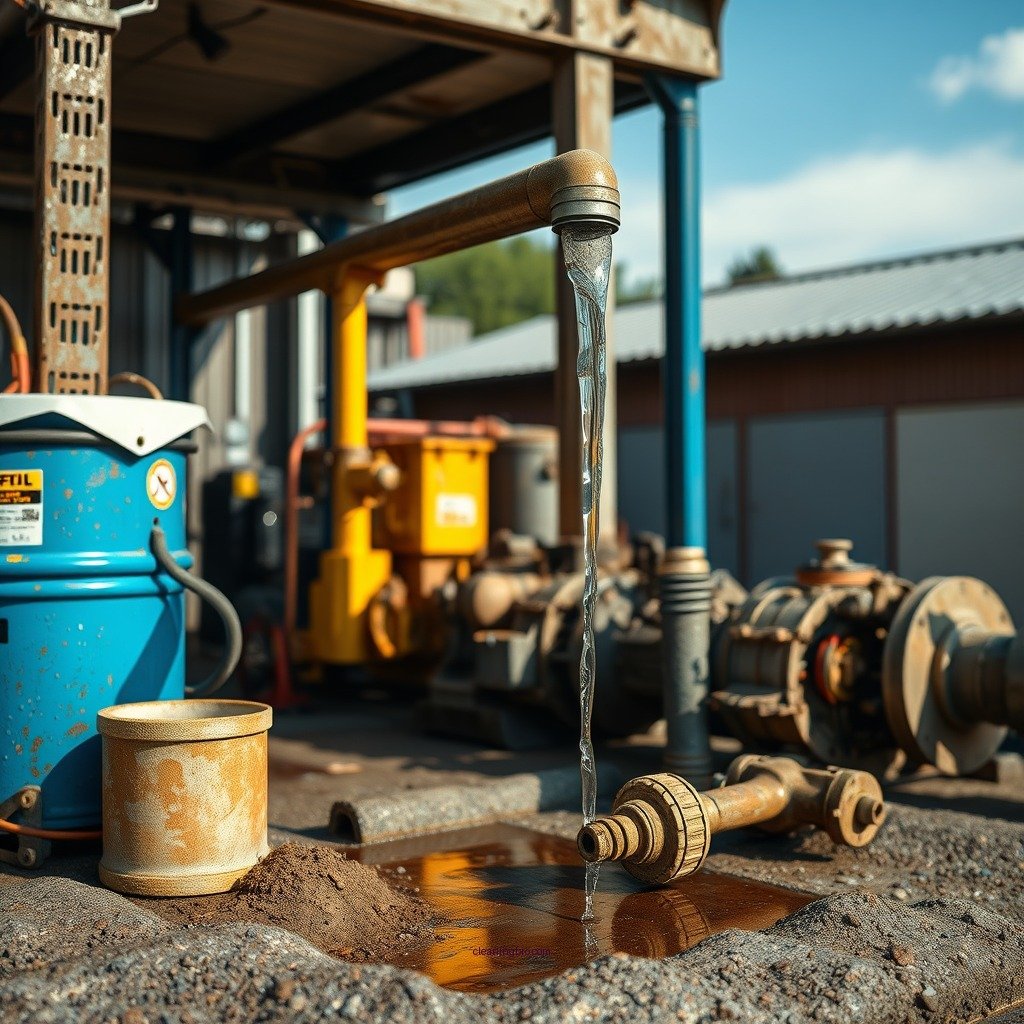
Hydraulic fluid is a crucial component in various industrial and mechanical systems, primarily serving to transmit power and lubricate moving parts. However, it can pose significant hazards if not handled appropriately. Composed of various chemical compounds, including mineral oils, water, and additives, hydraulic fluids can be toxic to both humans and the environment.
Inhalation or skin contact with hydraulic fluids can lead to health issues such as respiratory problems, skin irritation, or even long-term health effects. Additionally, if hydraulic fluid spills enter waterways or soil, they can cause considerable environmental damage, affecting wildlife and plant life. Understanding the chemical composition of the hydraulic fluid you are dealing with is essential for selecting the appropriate cleaning agents, ensuring effective cleanup, and mitigating potential health risks.
Preparing for the Cleanup
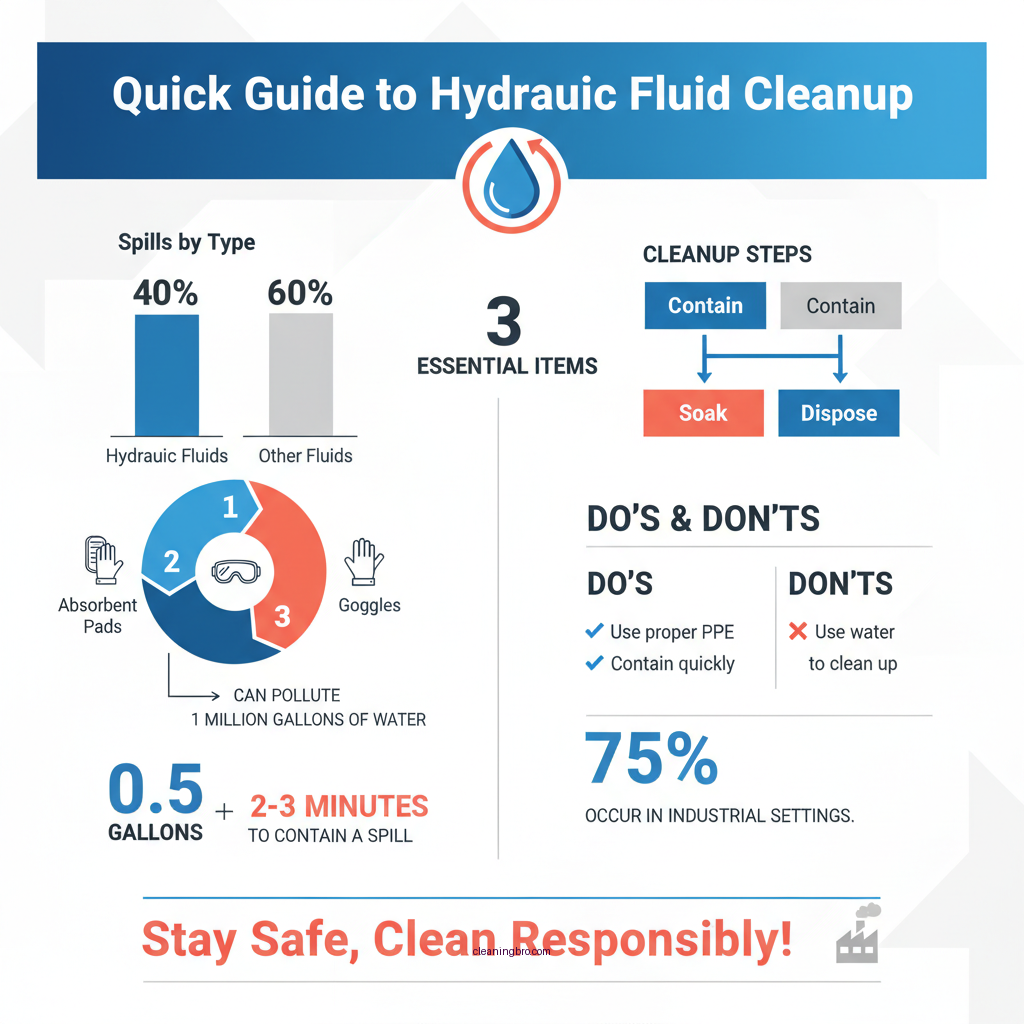
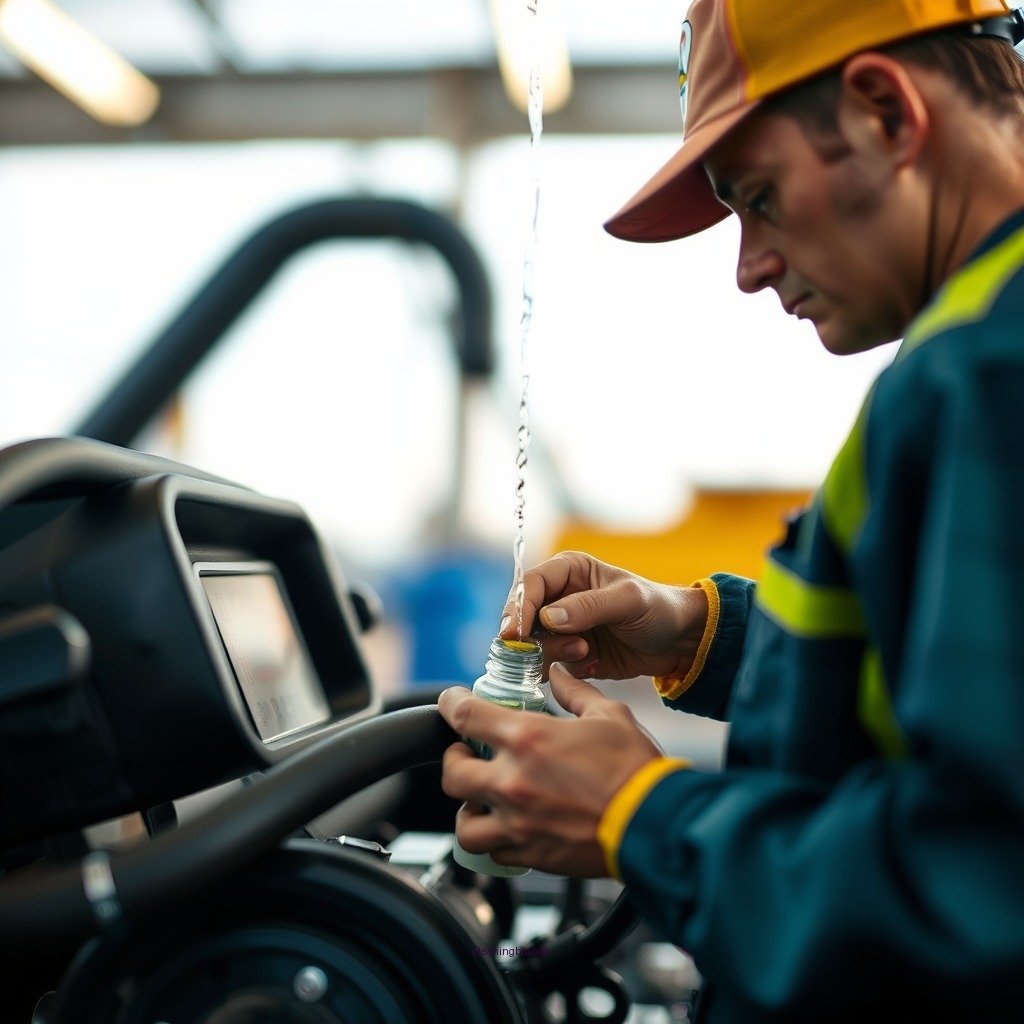
Before initiating the cleanup process, it is imperative to gather the necessary materials and ensure that you are adequately prepared. Essential items include:
– Absorbent Pads: Designed specifically for oil-based fluids, these pads will soak up the hydraulic fluid efficiently.
– Gloves: Protective gloves, preferably chemical-resistant, should be worn to prevent skin contact with the fluid.
– Safety Goggles: These protect your eyes from splashes and harmful vapors.
– Spill Containment Kits: These kits typically contain absorbent materials, disposal bags, and personal protective equipment (PPE) to facilitate a safe cleanup process.
Additionally, ensure the area is well-ventilated to minimize inhalation risks, and if applicable, alert colleagues or facility management about the spill to implement any necessary safety protocols.
Steps for Cleaning Up Hydraulic Fluid
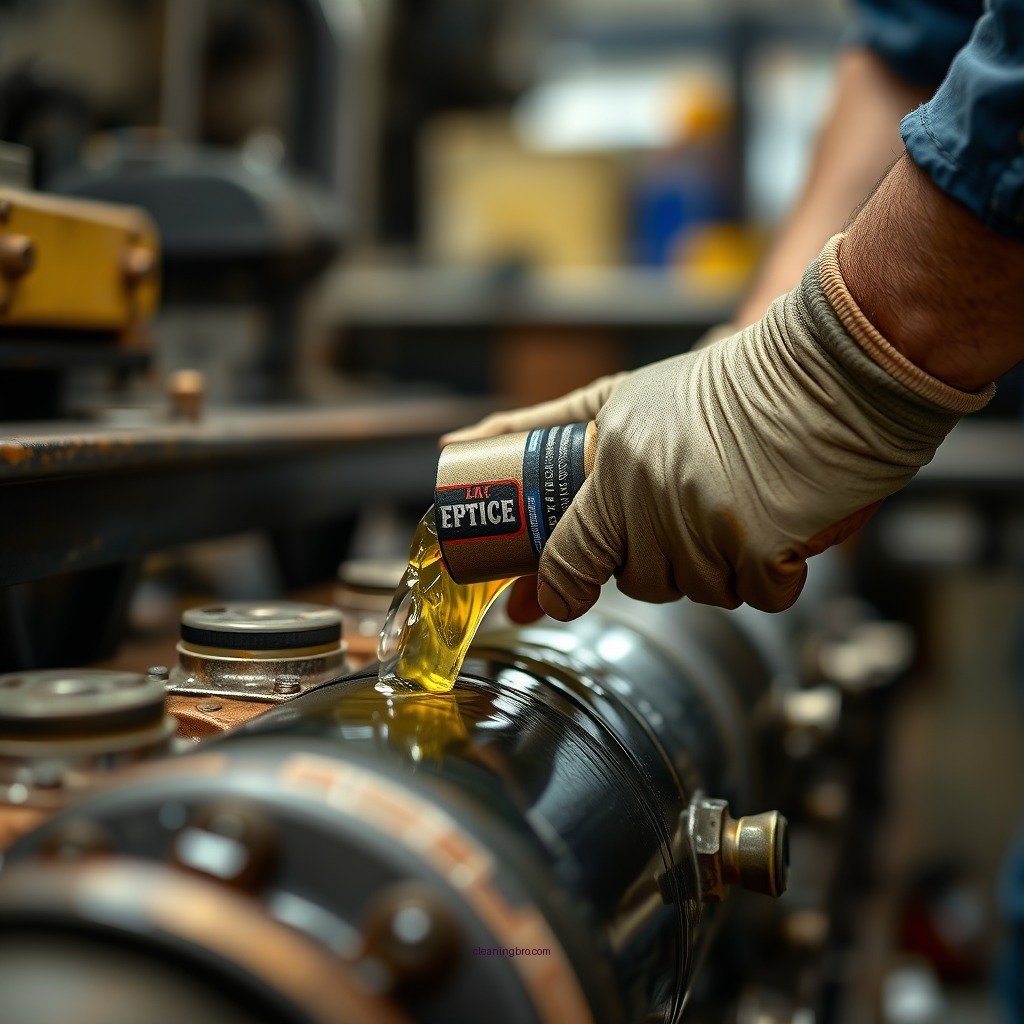
Once you are prepared, follow these systematic steps to clean up hydraulic fluid effectively:
1. Contain the Spill: Use absorbent barriers or booms to prevent the hydraulic fluid from spreading. Quick action in this phase is crucial to minimize the area affected by the spill.
2. Soak Up the Fluid: Place absorbent pads over the spill to soak up the hydraulic fluid. Depending on the size of the spill, you may need multiple pads. Allow the pads to sit for a few minutes to ensure maximum absorption.
3. Collect Used Absorbents: Once the pads are saturated, carefully collect them, ensuring you do not squeeze them, which could release the absorbed fluid back into the environment. Place the used pads into designated waste disposal bags.
4. Disinfect the Area: After removing the absorbent materials, clean the affected area using an appropriate solvent or cleaning agent. This step helps to eliminate any residual fluid and neutralize odors.
5. Dispose of Waste Properly: Follow local regulations for hazardous waste disposal to ensure that used absorbents and any contaminated materials are handled appropriately.
Proper Disposal Techniques
Disposing of hydraulic fluid and absorbent materials must comply with local regulations to minimize environmental impact. Here are some guidelines for proper disposal:
– Used Absorbents: These materials should be placed in designated hazardous waste containers. Ensure they are sealed properly to prevent leaks during transportation.
– Fluid Disposal: If you have collected any hydraulic fluid, it is essential to dispose of it in accordance with local hazardous waste disposal guidelines. Many municipalities have specific instructions for disposing of hydraulic fluids, and some may offer recycling programs for similar materials.
– Documentation: Maintain records of the spill incident, cleanup procedures, and disposal methods used, as these documents may be required for compliance with local and federal regulations.
Safety Measures to Follow
Safety is paramount during the cleanup of hydraulic fluid spills. Here are critical safety measures to consider:
– Wear Protective Gear: Always wear chemical-resistant gloves, safety goggles, and, if necessary, respirators to protect against inhalation of harmful vapors.
– Ventilation: Ensure adequate ventilation in the area where the spill occurred. Opening windows or using fans can help disperse potentially harmful vapors.
– No Smoking or Open Flames: Hydraulic fluids are often flammable; therefore, smoking or using open flames near the cleanup site is strictly prohibited.
– Emergency Preparedness: Familiarize yourself with emergency procedures and ensure that first aid kits are readily available. Training in spill response can also be beneficial.
Preventative Measures to Avoid Future Spills
To minimize the risk of future hydraulic fluid spills, consider implementing the following preventative measures:
– Regular Inspections: Periodically inspect hydraulic systems for leaks, cracks, or wear and tear. Early detection can prevent spills before they occur.
– Routine Maintenance: Establish a maintenance schedule for hydraulic systems, ensuring that all components are functioning correctly and that fluid levels are monitored regularly.
– Employee Training: Conduct training sessions for employees on the proper handling of hydraulic fluids, including spill response procedures and safe operating practices.
When to Seek Professional Help
While many small hydraulic spills can be managed in-house, there are situations where professional assistance is necessary:
– Large Spills: If the spill is extensive, it may overwhelm your resources and pose a significant environmental hazard. In such cases, contacting a professional cleanup service is advisable.
– Health Risks: If you suspect that exposure to hydraulic fluid could lead to serious health issues, evacuate the area and seek medical attention immediately.
– Complex Cleanup: If the spill occurs in a confined space or near sensitive environments (e.g., waterways), it is essential to engage environmental cleanup services to ensure proper management and compliance with regulations.
Cleaning up hydraulic fluid effectively involves preparation, proper techniques, and adherence to safety measures. By following these guidelines, you can ensure a safe and efficient cleanup while minimizing risks to yourself and the environment. For more tips and resources on hydraulic systems maintenance and spill management, consider subscribing to our updates or consulting with a professional.
Common Hydraulic Fluids and Their Characteristics
| # | Fluid Type | Viscosity (cSt) | Toxicity Level | Flammability |
|---|---|---|---|---|
| 1 | Mineral Oil | 32 | Moderate | Yes |
| 2 | Water-Based | 30 | Low | No |
| 3 | Biodegradable | 28 | Low | No |
| 4 | Phosphate Ester | 15 | High | Yes |
| 5 | Biobased Oil | 25 | Moderate | Yes |
| 6 | Synthetic Fluids | 20 | High | Yes |
| 7 | Vegetable Oil | 35 | Low | No |
Three Types of Hydraulic Fluids: Comparison
| Feature | ⭐ Mineral Oil | Water-Based | Biodegradable |
|---|---|---|---|
| Viscosity Range | 20-100 cSt | 10-50 cSt | 15-60 cSt |
| Toxicity Level | Moderate | Low | Low |
| Flammability | Yes | No | No |
| Biodegradability | No | Yes | Yes |
| Cost | $$ | $ | $$ |
| Performance | Excellent | Good | Good |
| Temperature Stability | High | Moderate | High |
| Environmental Impact | Negative | Positive | Positive |
| Best For | General industrial use | Environmentally conscious applications | Sustainable systems |
In conclusion, effectively cleaning up hydraulic fluid spills is vital for maintaining safety and environmental integrity. By understanding the risks associated with hydraulic fluids, preparing adequately for a spill, and following proper cleanup and disposal procedures, you can manage spills responsibly. Additionally, implementing preventative measures can help reduce the likelihood of future spills. Always prioritize safety and seek professional assistance when necessary to ensure compliance and protection of both health and the environment.
Frequently Asked Questions
What are the best methods for cleaning up hydraulic fluid spills?
The best methods for cleaning up hydraulic fluid spills include using absorbent materials like oil-absorbent pads, kitty litter, or sawdust to soak up the fluid. After absorbing the fluid, it’s important to collect the used materials and dispose of them according to local hazardous waste regulations to avoid environmental contamination.
How can I safely dispose of hydraulic fluid after cleaning?
To safely dispose of hydraulic fluid after cleaning, first check your local regulations regarding hazardous waste disposal. Many areas require you to take used hydraulic fluid to a designated recycling facility or hazardous waste collection site, ensuring it’s handled properly to reduce environmental impact.
Why is it important to clean up hydraulic fluid spills immediately?
It is important to clean up hydraulic fluid spills immediately to prevent slip hazards, minimize environmental damage, and reduce the risk of fire. Additionally, timely cleanup helps maintain compliance with safety regulations and protects the surrounding ecosystem from contamination.
Which products are most effective for cleaning hydraulic fluid from surfaces?
The most effective products for cleaning hydraulic fluid from surfaces include commercial degreasers specifically formulated for oil-based substances, as well as environmentally friendly cleaners. Look for products that contain surfactants to break down the fluid and enhance cleaning efficacy, ensuring you follow the manufacturer’s instructions for best results.
What steps should I take to prevent hydraulic fluid spills in the future?
To prevent hydraulic fluid spills in the future, ensure regular maintenance of hydraulic systems to detect leaks early, use containment trays or spill kits in areas where hydraulic fluids are used, and train employees on proper handling techniques. Implementing a proactive approach will help minimize risks and maintain a safe working environment.
References
- https://www.osha.gov/chemical-exposure/hydraulic-fluid
https://www.osha.gov/chemical-exposure/hydraulic-fluid - https://www.epa.gov/sites/default/files/2015-08/documents/hydraulic_fluid.pdf
https://www.epa.gov/sites/default/files/2015-08/documents/hydraulic_fluid.pdf - https://www.cdc.gov/niosh/docs/2003-150/pdfs/2003-150.pdf
https://www.cdc.gov/niosh/docs/2003-150/pdfs/2003-150.pdf - Detail
https://www.who.int/news-room/fact-sheets/detail/chemical-safety - Hydraulic fluid
https://en.wikipedia.org/wiki/Hydraulic_fluid - Google Scholar Google Scholar
https://scholar.google.com/scholar?q=how+to+clean+up+hydraulic+fluid - Google Scholar Google Scholar
https://scholar.google.com/scholar?q=hydraulic+fluid+cleanup+methods - Google Scholar Google Scholar
https://scholar.google.com/scholar?q=hydraulic+fluid+spill+cleanup - Hydraulic fluid | physics | Britannica
https://www.britannica.com/science/hydraulic-fluid - https://www.sciencedirect.com/topics/engineering/hydraulic-fluid
https://www.sciencedirect.com/topics/engineering/hydraulic-fluid