How to Effectively Clean Up Hydraulic Oil
Understanding Hydraulic Oil and Its Dangers
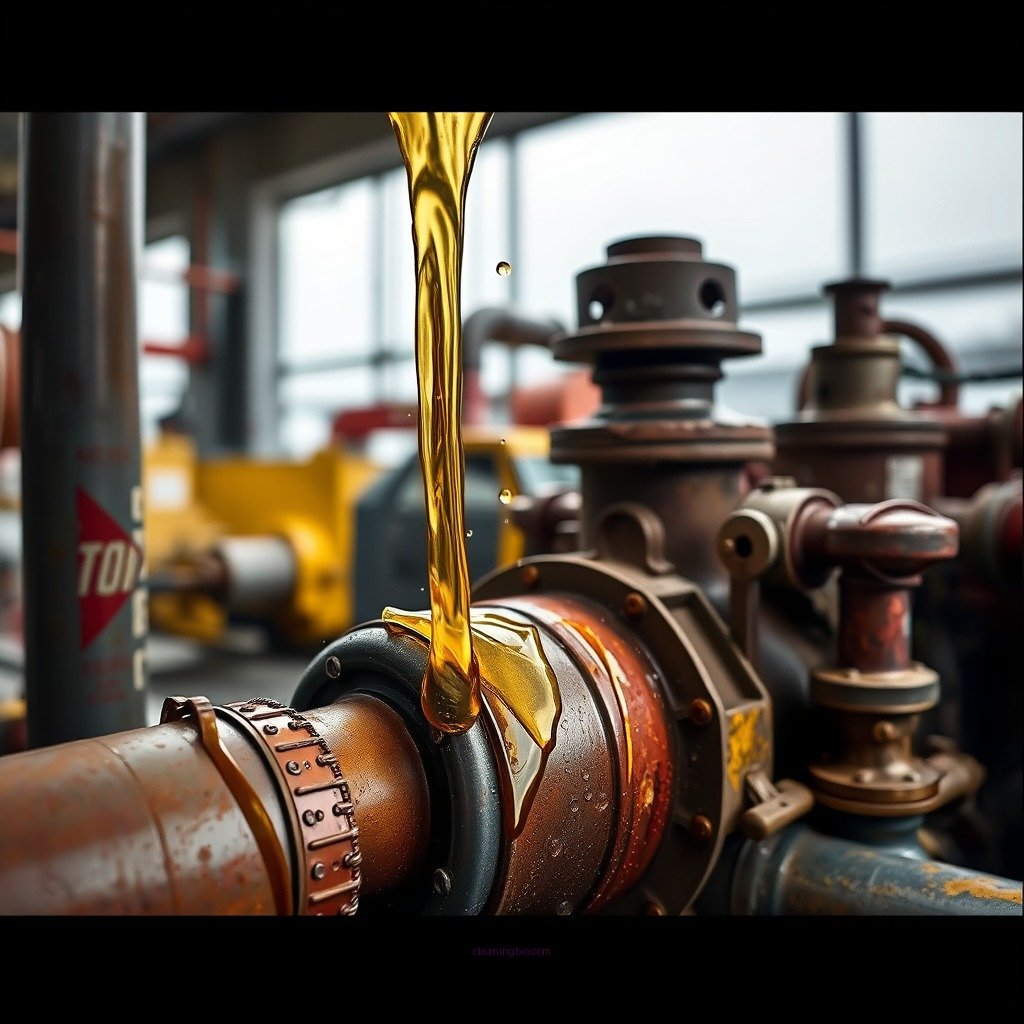
Hydraulic oil is a critical component in many industrial applications, providing the necessary fluid power for machinery. However, it is often toxic and can pose significant risks to both human health and the environment if not managed properly. The chemicals in hydraulic oil can contaminate soil and water, leading to long-term ecological damage. Additionally, spills can create hazardous conditions, such as slips and falls, which can lead to serious injuries. Recognizing these potential hazards is crucial for safety, making it essential to act swiftly and responsibly in the event of a spill.
Initial Containment of the Spill
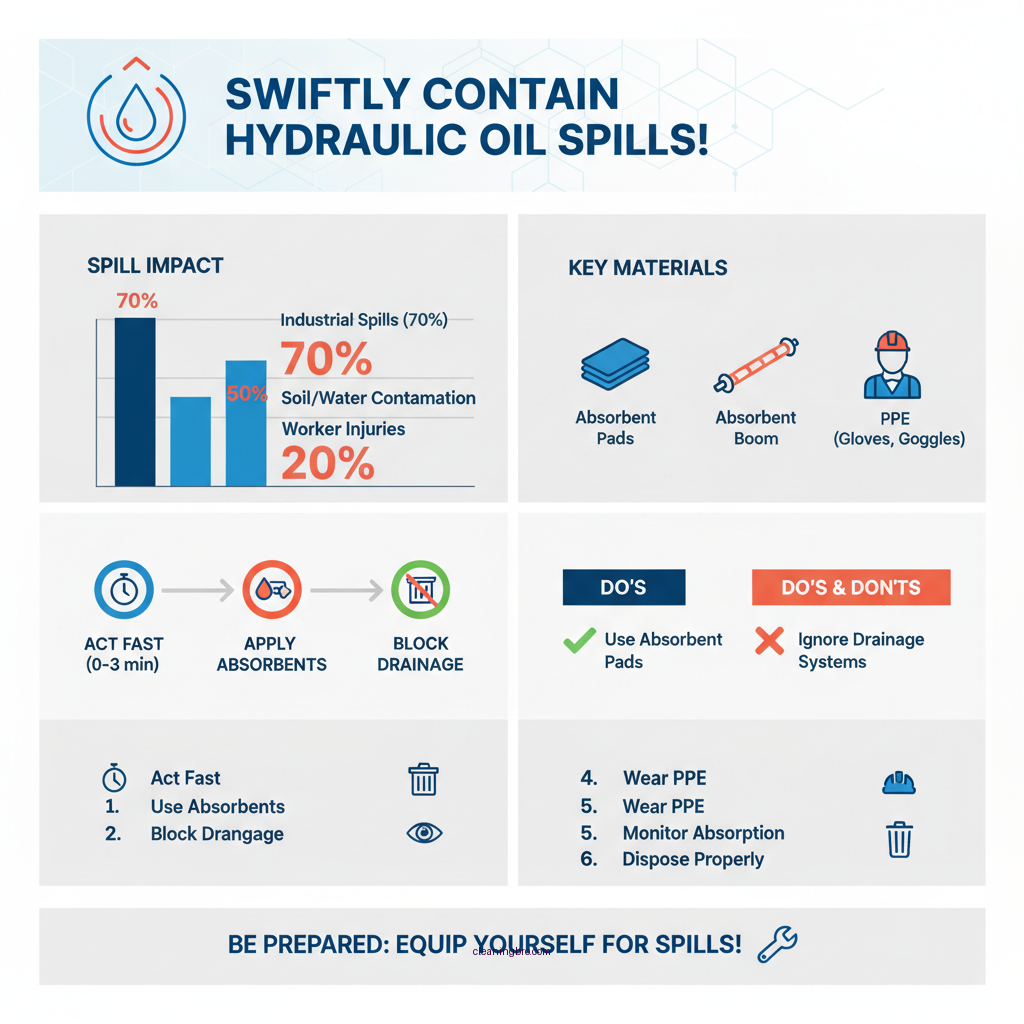

The first step in mitigating the effects of a hydraulic oil spill is containment. This involves using absorbent materials, such as booms, pads, or pillows, to contain the spread of the oil and prevent it from contaminating larger areas or entering drainage systems. If a spill occurs in a workshop or industrial setting, block any drains or openings to prevent hydraulic oil from seeping into waterways. This initial response is vital to limit the environmental impact and manage the situation effectively.
Choosing the Right Cleaning Materials
Selecting the appropriate cleaning materials is essential for an effective cleanup. Absorbents designed specifically for oil cleanup, such as absorbent granules, pads, or rolls, can quickly soak up hydraulic oil and minimize residual contamination. Additionally, personal protective equipment (PPE) is crucial when handling spilled hydraulic oil. Equip yourself with gloves, goggles, and protective clothing to safeguard against skin contact and potential inhalation of harmful vapors. Using the right materials not only enhances safety but also increases the efficiency of the cleanup process.
Step-by-Step Cleaning Process
1. Apply Absorbent Materials: Begin by placing absorbent materials directly onto the affected area. Ensure that the materials are adequately covering the oil spill to maximize absorption.
2. Allow Time for Absorption: Let the absorbents sit for a few moments, allowing them to soak up as much hydraulic oil as possible. This step is crucial for minimizing any residual impact.
3. Collect Spent Materials: After the oil has been absorbed, carefully collect the spent materials. Use a shovel or similar tool to avoid direct contact with the contaminated absorbents.
4. Dispose of Contaminated Materials: Place the collected absorbents into appropriate disposal containers. Ensure these containers are clearly marked and compliant with local regulations regarding hazardous waste.
5. Clean the Surface: After the majority of the oil has been absorbed, clean the surface with a degreaser or specialized hydraulic oil cleaner to remove any remaining residues.
Proper Disposal of Contaminated Materials
Disposing of contaminated materials is a critical step in the cleanup process. Always follow local regulations for hazardous waste disposal to ensure compliance and environmental protection. Different regions may have specific guidelines regarding the disposal of oils and absorbents, so it is essential to check with local environmental authorities. In some cases, it may be necessary to contact a licensed waste disposal service to handle the contaminated materials properly. This ensures that the waste is treated and disposed of in a manner that minimizes environmental impact.
Preventive Measures for Future Spills
To reduce the risk of future hydraulic oil spills, regular inspections of hydraulic systems are essential. Look for signs of leaks, wear, or damage to hoses and fittings. Implementing a routine maintenance schedule can help identify potential issues before they escalate into spills. Additionally, consider training staff on proper handling and maintenance procedures to promote safety awareness and preparedness. The goal is to create a culture of prevention that minimizes risks associated with hydraulic oil usage.
Resources and Tools for Ongoing Maintenance
Investing in high-quality absorbent products can significantly enhance your response to spills. Products such as absorbent mats, socks, and granules should be readily available in areas where hydraulic equipment is used. Furthermore, maintaining an emergency spill kit, complete with PPE and cleaning materials, can prepare your team to address incidents swiftly and effectively. Regularly reviewing and replenishing these resources ensures that your organization is prepared for any unexpected spills.
Top Absorbent Products for Hydraulic Oil Cleanup (2023)
| # | Product Name | Absorption Capacity (L) | Price (USD) | User Rating |
|---|---|---|---|---|
| 1 | Oil Absorbent Pads | 25 | $50 | ★★★★☆ |
| 2 | Hydraulic Oil Granules | 50 | $75 | ★★★★★ |
| 3 | Oil Absorbent Socks | 20 | $40 | ★★★★☆ |
| 4 | Universal Spill Kit | 100 | $150 | ★★★★★ |
| 5 | Absorbent Rolls | 75 | $90 | ★★★★☆ |
| 6 | Industrial Oil Absorbent | 200 | $200 | ★★★★★ |
| 7 | Eco-Friendly Absorbent | 30 | $60 | ★★★★☆ |
Oil Absorbent Pads vs Granules vs Socks: Full Comparison
| Feature | ⭐ Absorbent Pads | Absorbent Granules | Absorbent Socks |
|---|---|---|---|
| Absorption Capacity | 25L | 50L | 20L |
| Ease of Use | ✅ Easy | ✅ Moderate | ✅ Easy |
| Cost-Effectiveness | ✅ Good | ✅ Better | ✅ Average |
| Environmental Impact | Moderate | Low | Moderate |
| Multiple Use | Limited | High | Limited |
| Safety | ✅ Safe | ✅ Safe | ✅ Safe |
| Storage Requirements | Cool, Dry | Cool | Dry |
| User Accessibility | ✅ High | ✅ Moderate | ✅ High |
| Availability | Widely Available | Widely Available | Limited |
| 🏆 Best For | General Use | High Absorption Needs | Containment |
By following these steps, you can effectively clean up hydraulic oil spills while safeguarding your environment. Remember to always prioritize safety and proper disposal methods. For ongoing maintenance, consider investing in preventive measures and tools to minimize the risk of future spills. Being proactive and prepared is essential in ensuring a safe and environmentally responsible workplace.
Frequently Asked Questions
What are the best methods for cleaning up hydraulic oil spills?
The best methods for cleaning up hydraulic oil spills include using absorbent materials such as pads, granules, or booms that can soak up the oil. Additionally, using a vacuum truck or spill response kit can effectively remove large quantities of oil. It’s essential to follow up with appropriate cleaning agents to break down any residual oil and ensure the area is safe.
How can I safely dispose of hydraulic oil after cleaning it up?
Safely disposing of hydraulic oil involves taking it to a designated hazardous waste disposal facility or recycling center that accepts oil. You should never pour hydraulic oil down the drain or throw it in the trash, as this can harm the environment. Always check local regulations for specific disposal guidelines to ensure compliance.
Why is it important to clean up hydraulic oil spills promptly?
Cleaning up hydraulic oil spills promptly is crucial to prevent environmental contamination, as hydraulic oil can be toxic to aquatic life and soil. Quick action also reduces the risk of slips and falls in work areas, enhancing workplace safety. Additionally, timely cleanup can prevent further damage to equipment and infrastructure.
Which products are effective for cleaning hydraulic oil from surfaces?
Effective products for cleaning hydraulic oil from surfaces include degreasers specifically formulated for oil removal, such as citrus-based cleaners or petroleum-based solvents. Look for eco-friendly options that are safe for the environment and suitable for the surfaces you are cleaning. Always follow the manufacturer’s instructions for the best results.
What precautions should I take when cleaning up hydraulic oil?
When cleaning up hydraulic oil, always wear appropriate personal protective equipment (PPE), including gloves, goggles, and masks to protect against inhalation and skin contact. Ensure that the area is well-ventilated and that you have spill containment measures in place to prevent the spread of oil. Familiarize yourself with Material Safety Data Sheets (MSDS) for any cleaning products you use.
References
- https://www.epa.gov/hw/cleaning-hydraulic-oil-spills
https://www.epa.gov/hw/cleaning-hydraulic-oil-spills - https://www.osha.gov/hydraulic-oil
https://www.osha.gov/hydraulic-oil - https://www.cdc.gov/niosh/topics/hydraulicfluids/default.html
https://www.cdc.gov/niosh/topics/hydraulicfluids/default.html - https://www.who.int/news-room/fact-sheets/detail/oil-spills
https://www.who.int/news-room/fact-sheets/detail/oil-spills - https://www.bt.cdc.gov/chemical/chemical/chemicalfactshydraulicfluids.asp
https://www.bt.cdc.gov/chemical/chemical/chemicalfactshydraulicfluids.asp - https://www.nature.com/articles/s41598-019-43840-4
https://www.nature.com/articles/s41598-019-43840-4 - https://www.sciencedirect.com/science/article/pii/S0959652617310772
https://www.sciencedirect.com/science/article/pii/S0959652617310772 - Hydraulic fluid | physics | Britannica
https://www.britannica.com/science/hydraulic-fluid - Google Scholar Google Scholar
https://scholar.google.com/scholar?q=how+to+clean+up+hydraulic+oil - Google Scholar Google Scholar
https://scholar.google.com/scholar?q=hydraulic+oil+cleanup+methods