How to Clean Up Power from a Generator: Essential Steps
Understanding Generator Power Output
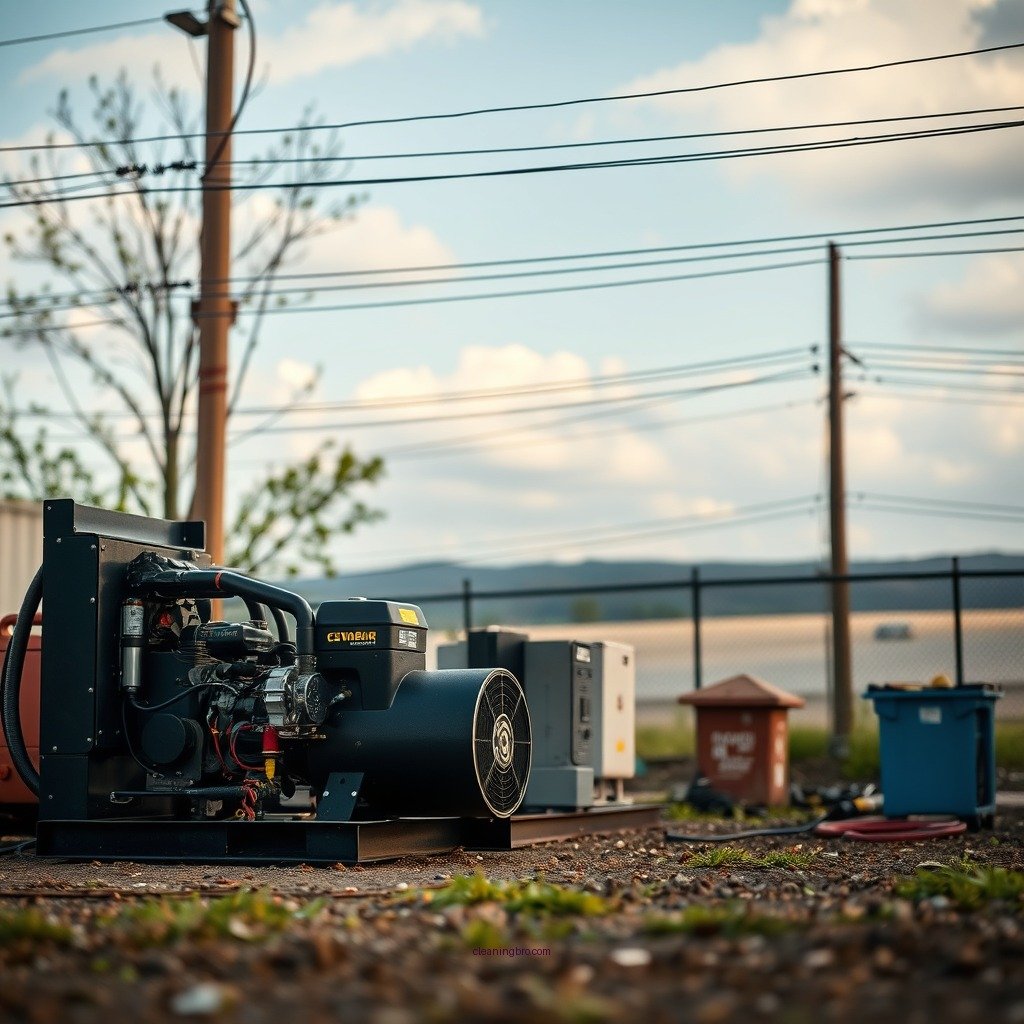
Generators produce electricity through the conversion of mechanical energy into electrical energy, typically using an internal combustion engine. The process involves rotating a magnetic field within coils of wire, generating an alternating current (AC) or direct current (DC) output. This power output can fluctuate due to a variety of factors, which may impact the performance of sensitive electronics.
Clean power is particularly important for modern electronics, which often require stable voltage and frequency to function correctly. Voltage spikes or dips can damage devices, leading to costly repairs or replacements. Therefore, ensuring your generator produces clean power is crucial for safeguarding your valuable equipment.
Identifying Power Quality Issues
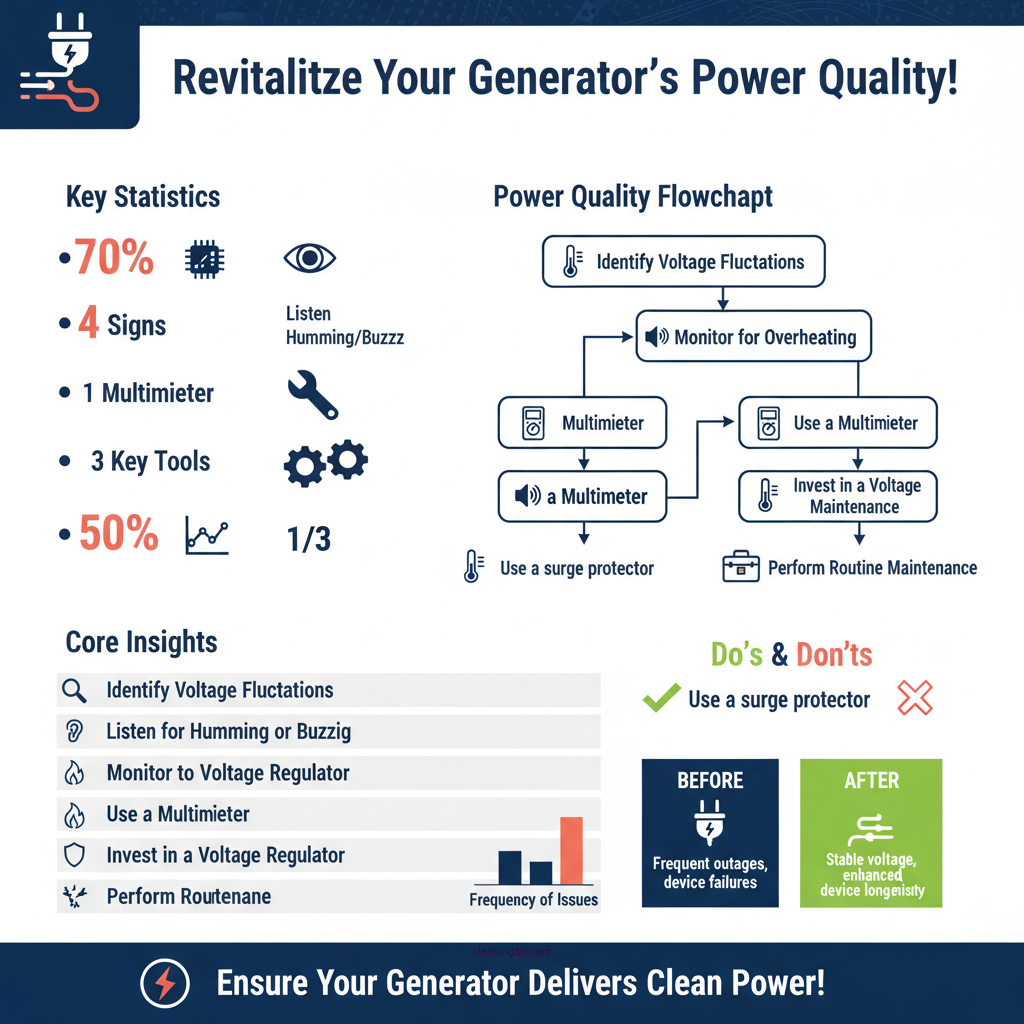

Recognizing signs of poor power quality is the first step in maintaining clean power from your generator. Some common indicators include:
– Voltage Fluctuations: Frequent changes in voltage levels can signal underlying issues.
– Humming or Buzzing Noise: Unusual sounds from the generator may indicate electrical problems.
– Overheating: Excessive heat can be a sign of power quality issues, potentially leading to generator failure.
– Tripped Circuit Breakers: If circuit breakers frequently trip, it may be due to power surges or irregularities.
Common causes of power fluctuations include overloading the generator, faulty wiring, or a failing voltage regulator. Identifying these issues early can prevent more significant problems down the line.
Tools and Equipment Needed
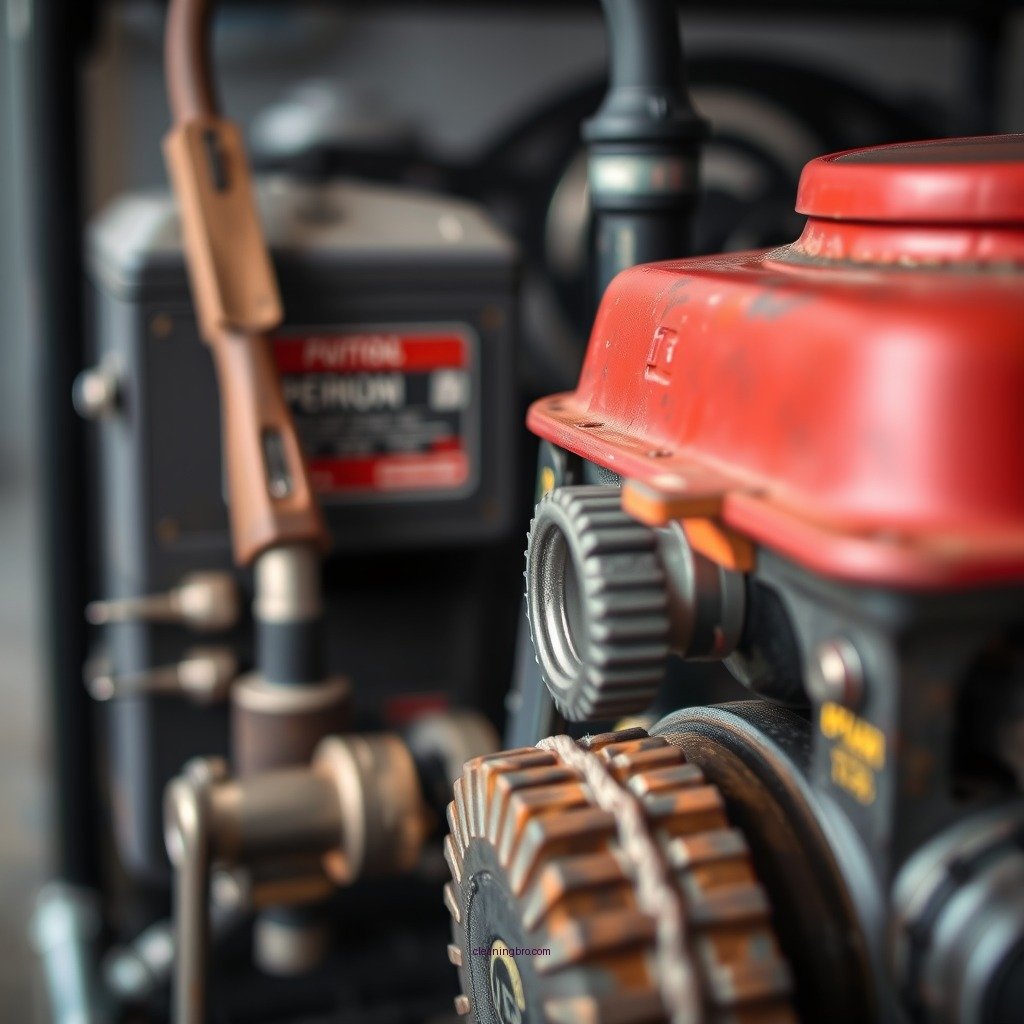
To effectively clean up power from your generator, you will need the following tools and equipment:
– Multimeter: Essential for measuring voltage, current, and resistance, helping you diagnose power quality issues.
– Voltage Regulator: Helps stabilize voltage output, ensuring consistent power delivery.
– Surge Protector: Protects your devices from voltage spikes.
– Generator Maintenance Kit: Includes oil, filters, and spark plugs for routine upkeep.
In addition to tools, ensure you have appropriate safety gear, such as gloves, goggles, and ear protection, to protect yourself during the maintenance process.
Steps to Clean Up Generator Power
Follow this step-by-step guide to check and adjust voltage levels, ensuring your generator operates efficiently:
1. Turn Off the Generator: Always start by shutting down the generator and allowing it to cool before performing any maintenance.
2. Inspect and Clean Connections: Examine all electrical connections for corrosion or loose wires. Clean and tighten them as necessary.
3. Measure Voltage Output: Use a multimeter to measure the voltage output. Compare your readings with the generator’s specifications. Ideal voltage output should be within the manufacturer’s recommended range.
4. Adjust Voltage Levels: If the voltage is outside the recommended range, adjust the voltage regulator according to the manufacturer’s instructions.
5. Stabilize Power Output: If fluctuations are persistent, consider installing a permanent voltage regulator or an Automatic Voltage Regulator (AVR) to maintain consistent output.
6. Test the Generator: After adjustments, restart the generator and recheck the voltage output with your multimeter.
7. Connect a Surge Protector: Ensure that all sensitive electronics are connected through a surge protector to handle any residual spikes in power.
Regular Maintenance Practices
Routine checks are vital for ensuring your generator consistently produces clean power. Key maintenance practices include:
– Regular Inspections: Check for wear and tear, including belts, hoses, and electrical connections.
– Oil Changes: Change the oil according to the manufacturer’s schedule to ensure optimal engine performance.
– Filter Replacements: Replace air and fuel filters regularly to maintain efficiency.
– Battery Maintenance: Check and clean battery terminals to ensure reliability.
A recommended maintenance schedule involves checking the generator monthly and performing a detailed inspection every three to six months, depending on usage.
Troubleshooting Common Problems
Power quality issues can arise due to various reasons. Here are some common problems and their solutions:
– Problem: Voltage drops under load.
– Solution: Check for overloaded circuits and redistribute the load evenly across available circuits.
– Problem: Generator is producing a humming noise.
– Solution: Inspect the generator for loose components or faulty electrical connections.
– Problem: Frequent tripping of circuit breakers.
– Solution: Reduce the load on the generator and check for any short circuits or faulty wiring.
By addressing these issues promptly, you can maintain clean power output and ensure the longevity of both your generator and connected devices.
When to Seek Professional Help
While many issues can be resolved with basic troubleshooting and maintenance, some situations require professional assistance. Indicators that you may need a technician include:
– Persistent Power Quality Issues: If problems persist despite your efforts, a professional may be necessary for a thorough diagnosis.
– Electrical Fire Hazards: Any signs of burning smells or smoke should prompt immediate professional inspection.
– Complex Electrical Problems: If you’re unsure about making adjustments or repairs, it’s safer to consult an expert.
When selecting a qualified technician, look for licensed professionals with experience in generator maintenance, and always check reviews or ask for recommendations.
Summarizing the key steps to clean up power from a generator helps ensure that you maintain a safe and efficient energy source for your needs. Regular checks, proper tools, and understanding power quality will enhance your generator’s performance. If you’re facing persistent issues, don’t hesitate to consult a professional to ensure your generator runs optimally.
Top 7 Common Power Quality Issues in Generators
| # | Issue | Description | Solution |
|---|---|---|---|
| 1 | Voltage Spikes | Sudden increases in voltage. | Install surge protectors. |
| 2 | Voltage Drops | Decrease in voltage under load. | Redistribute load. |
| 3 | Overheating | Excessive heat generation. | Check for blockages. |
| 4 | Circuit Breaker Trips | Frequent circuit breaker failures. | Balance load across circuits. |
| 5 | Generator Noise | Unusual sounds from generator. | Inspect and tighten connections. |
| 6 | Poor Wiring | Faulty or old wiring. | Replace damaged wires. |
| 7 | Fuel Issues | Contaminated fuel supply. | Use clean fuel. |
Voltage Regulators: Comparison of Popular Options
| Feature | ⭐ Automatic Voltage Regulator | Manual Voltage Regulator | Programmable Voltage Regulator |
|---|---|---|---|
| Price | $150 – $300 | $50 – $100 | $200 – $400 |
| Installation | Easy | Moderate | Difficult |
| Power Regulation | ✅ Excellent | ✅ Good | ✅ Very Good |
| User Control | Automatic | Manual | Programmable |
| Maintenance | Low | Moderate | High |
| Power Capacity | Up to 20kW | Up to 10kW | Up to 30kW |
| Warranty | 2 years | 1 year | 3 years |
| Temperature Control | Automatic | N/A | Manual adjustment |
| User Interface | Digital display | Analog display | Touch screen |
| 🏆 Best For | Ease of Use | Budget Users | Advanced Users |
Frequently Asked Questions
What are the best methods to clean up power from a generator?
The best methods to clean up power from a generator involve using a power conditioner or inverter generator, which helps to stabilize voltage and reduce harmonic distortion. Additionally, ensuring that your generator is well-maintained with clean fuel and regular oil changes can enhance the quality of power produced.
How can I reduce noise pollution from my generator while cleaning up power?
To reduce noise pollution from your generator, consider using a soundproof enclosure or placing the generator on a rubber mat to absorb vibrations. Additionally, using an inverter generator, which operates more quietly than traditional models, can also help in cleaning up power while minimizing noise.
Why is it important to clean up power from a generator?
Cleaning up power from a generator is essential to protect sensitive electronic devices from damage caused by voltage spikes and electrical noise. High-quality power ensures the longevity and efficiency of your appliances and equipment, making it a crucial aspect of generator operation.
Which generator models provide the cleanest power output?
Inverter generators, such as those from Honda, Yamaha, and Champion, are known for providing the cleanest power output. They feature advanced technology that produces stable sine wave power, making them ideal for powering sensitive electronics without risking damage.
What steps should I take to maintain my generator for optimal power quality?
To maintain your generator for optimal power quality, regularly check and replace the oil, air filters, and spark plugs. Additionally, ensure that the fuel system is clean, and consider using a power conditioner to filter out any electrical noise, which will help in delivering cleaner power to your devices.
References
- Generator
https://en.wikipedia.org/wiki/Generator - https://www.owens.edu/engineering/pdfs/generator_cleaning.pdf
https://www.owens.edu/engineering/pdfs/generator_cleaning.pdf - Predicting Invasions of Nonindigenous Plants and Plant Pests | The National Academies Press
https://www.nap.edu/catalog/10259/cleaning-the-environment-a-guide-for-communities - https://www.epa.gov/cleanpower/cleaner-electricity-generators
https://www.epa.gov/cleanpower/cleaner-electricity-generators - https://www.cdc.gov/niosh/docs/2015-105/pdfs/2015-105.pdf
https://www.cdc.gov/niosh/docs/2015-105/pdfs/2015-105.pdf - https://www.sciencedirect.com/topics/engineering/power-generator
https://www.sciencedirect.com/topics/engineering/power-generator - https://www.nature.com/articles/s41545-018-0029-1
https://www.nature.com/articles/s41545-018-0029-1 - https://pubmed.ncbi.nlm.nih.gov/24661151/
https://pubmed.ncbi.nlm.nih.gov/24661151/ - Google Scholar Google Scholar
https://scholar.google.com/scholar?q=cleaning+power+from+a+generator - Google Scholar Google Scholar
https://scholar.google.com/scholar?q=generator+maintenance+and+cleanup