How to Effectively Clean Wool Polishing Pads
Cleaning wool polishing pads is essential for maintaining their performance and extending their lifespan. To clean them effectively, start by removing any debris and residue, then wash them using the right techniques. In this article, you’ll learn step-by-step methods and tips to ensure your polishing pads are in top condition. Regular maintenance not only enhances the efficiency of these pads but also contributes to optimal results in your polishing tasks.
Understanding Wool Polishing Pads
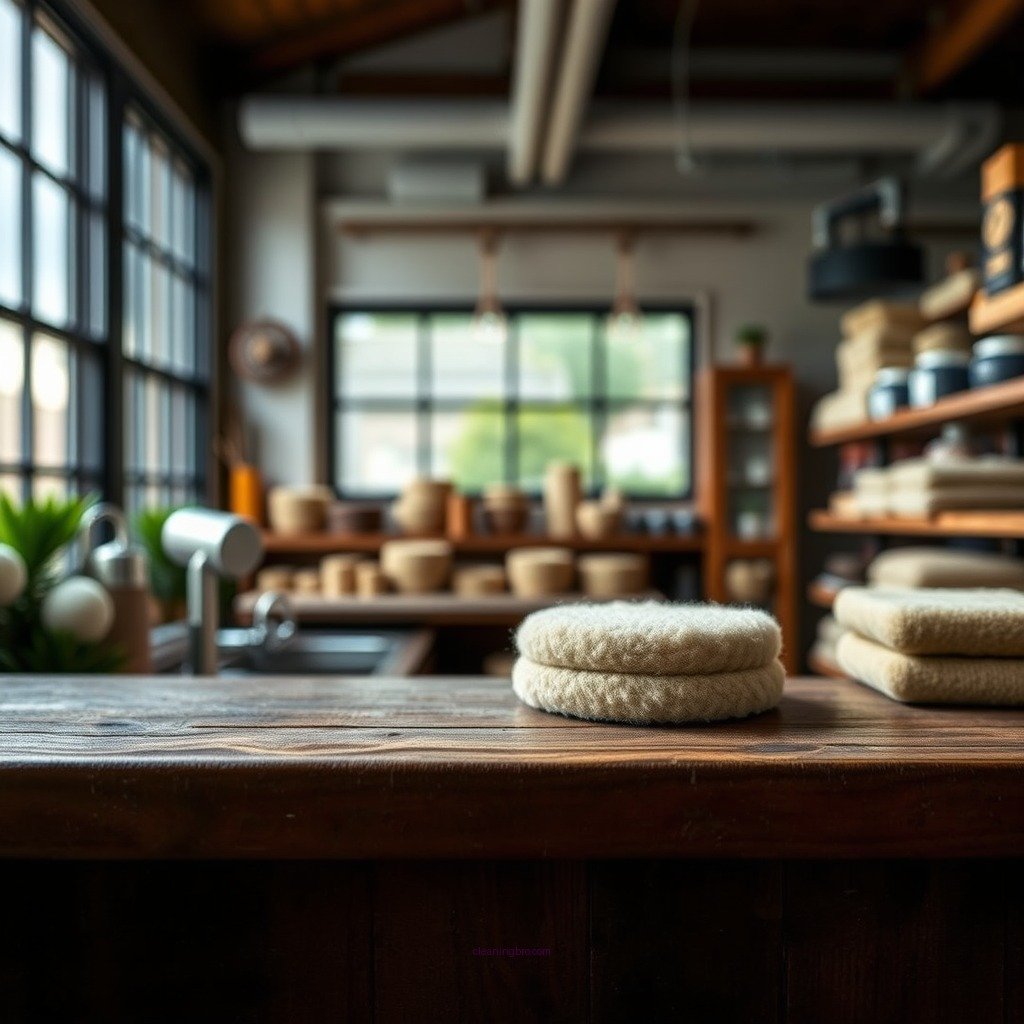
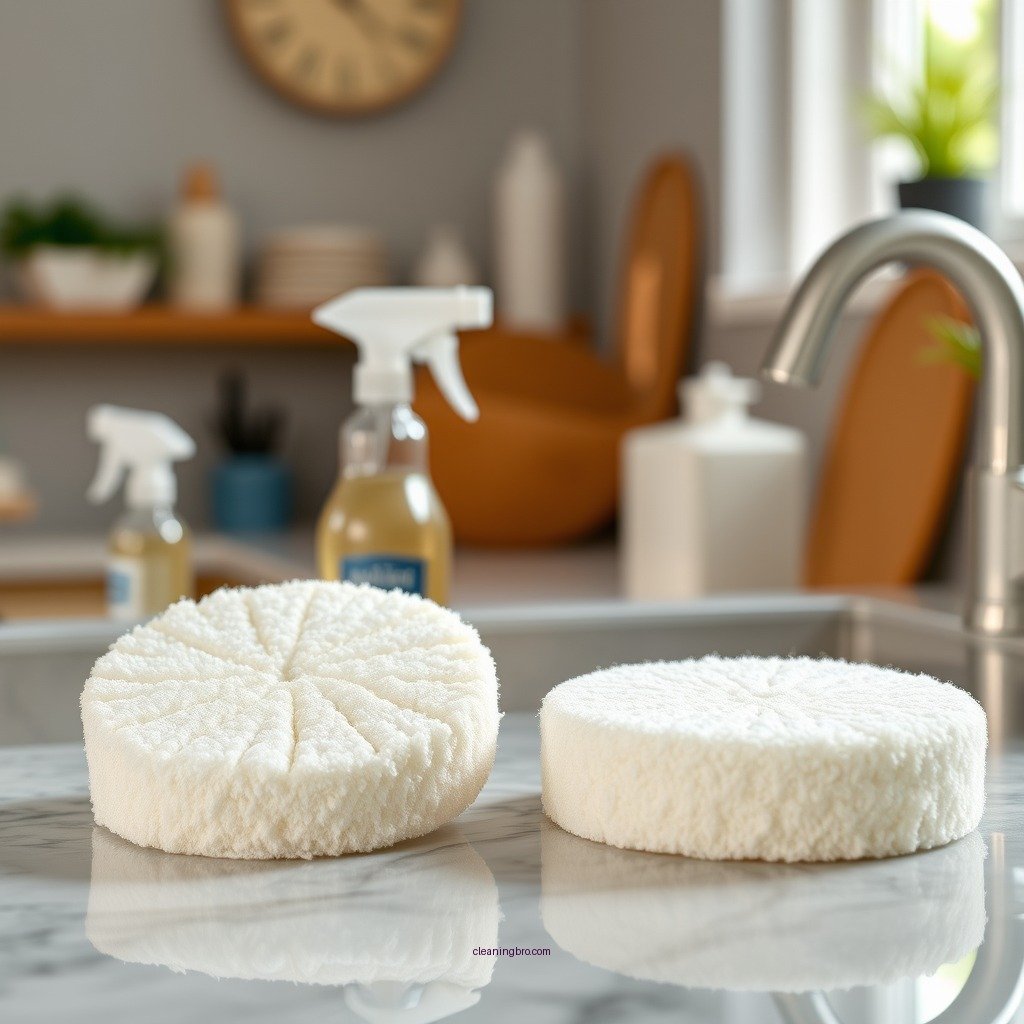
Wool polishing pads are widely recognized in the automotive and detailing industries for their absorbency and cutting power. Made from natural wool fibers, these pads excel at distributing polish evenly and effectively removing imperfections from surfaces. Their unique structure allows them to hold a substantial amount of product, making them ideal for heavy-duty polishing tasks, such as cutting and compounding.
However, regular cleaning is crucial to prevent the buildup of polish, wax, and debris, which can significantly affect performance. Over time, unclean pads may become less effective, leading to subpar results and potentially damaging the surfaces being polished. By understanding the importance of maintaining these pads, you can ensure that they remain effective and prolong their usability.
Pre-Cleaning Preparation
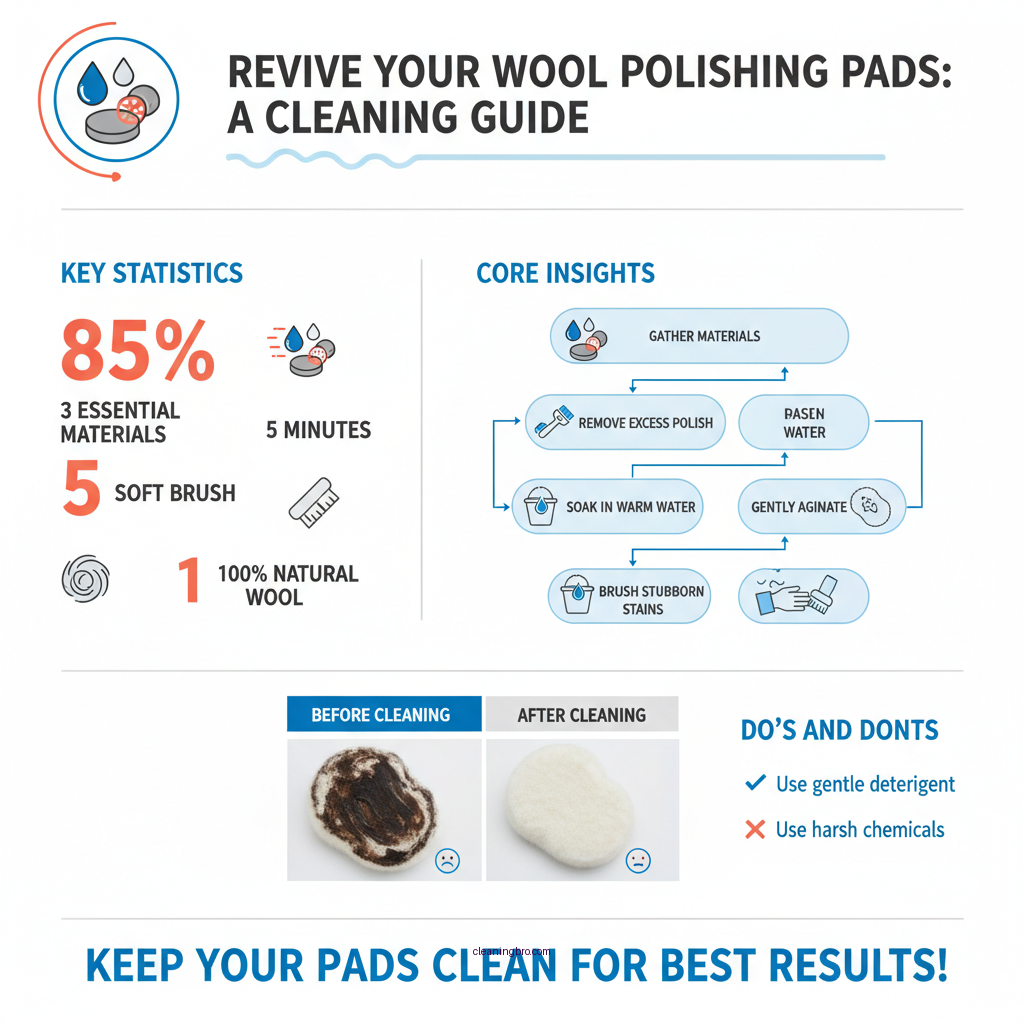
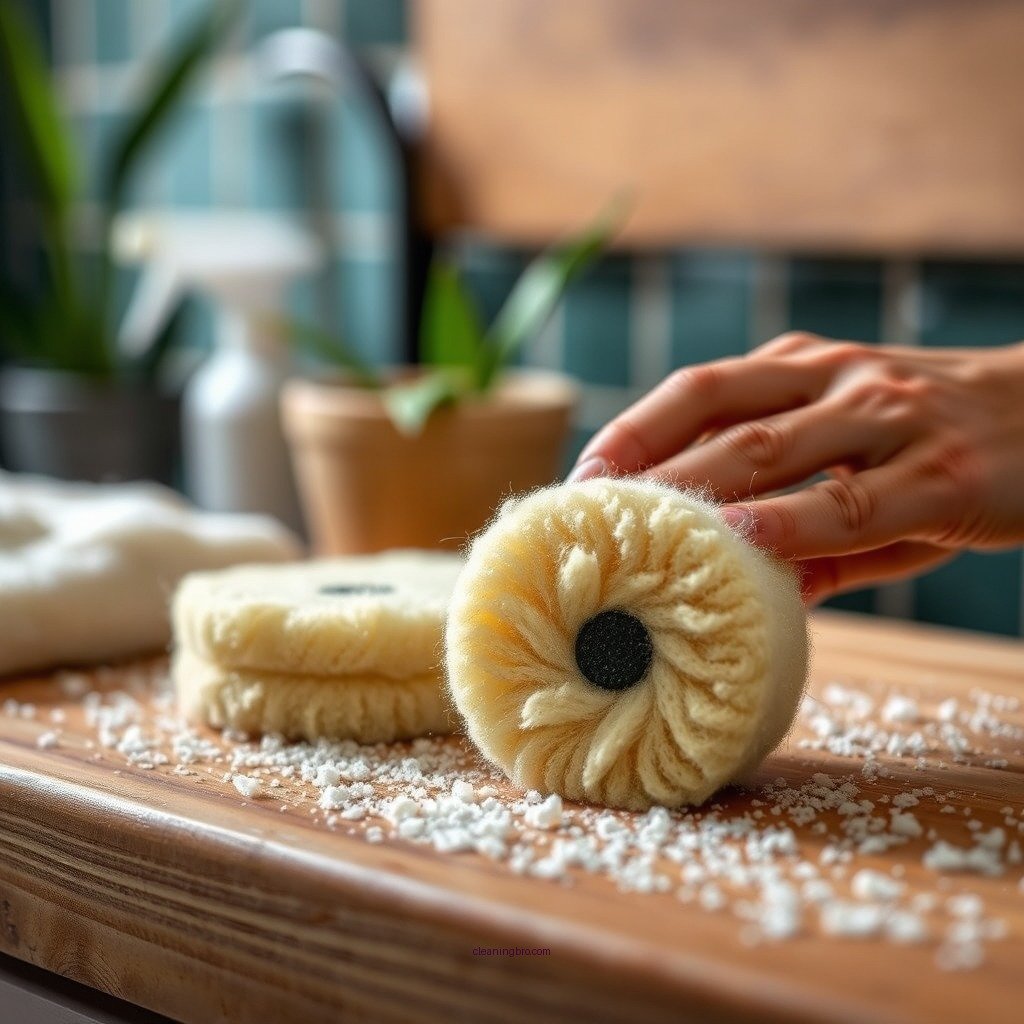
Before diving into the cleaning process, it’s essential to gather the necessary materials to ensure a thorough job. You will need:
– Gentle Detergent: Choose a detergent specifically designed for delicate fabrics, as harsh chemicals can damage the wool fibers.
– Water: Warm water is ideal for loosening dirt and residue without harming the pads.
– Soft Brush: A soft-bristled brush will help remove stubborn debris without damaging the wool.
Start by removing excess polish from the pad. This can be done by hand, gently pulling away any dried polish or residue. Alternatively, a dedicated cleaning tool may be used to scrape off the bulk of the product. This step is vital as it prevents the pads from becoming too saturated during washing, which can lead to ineffective cleaning.
Washing Techniques
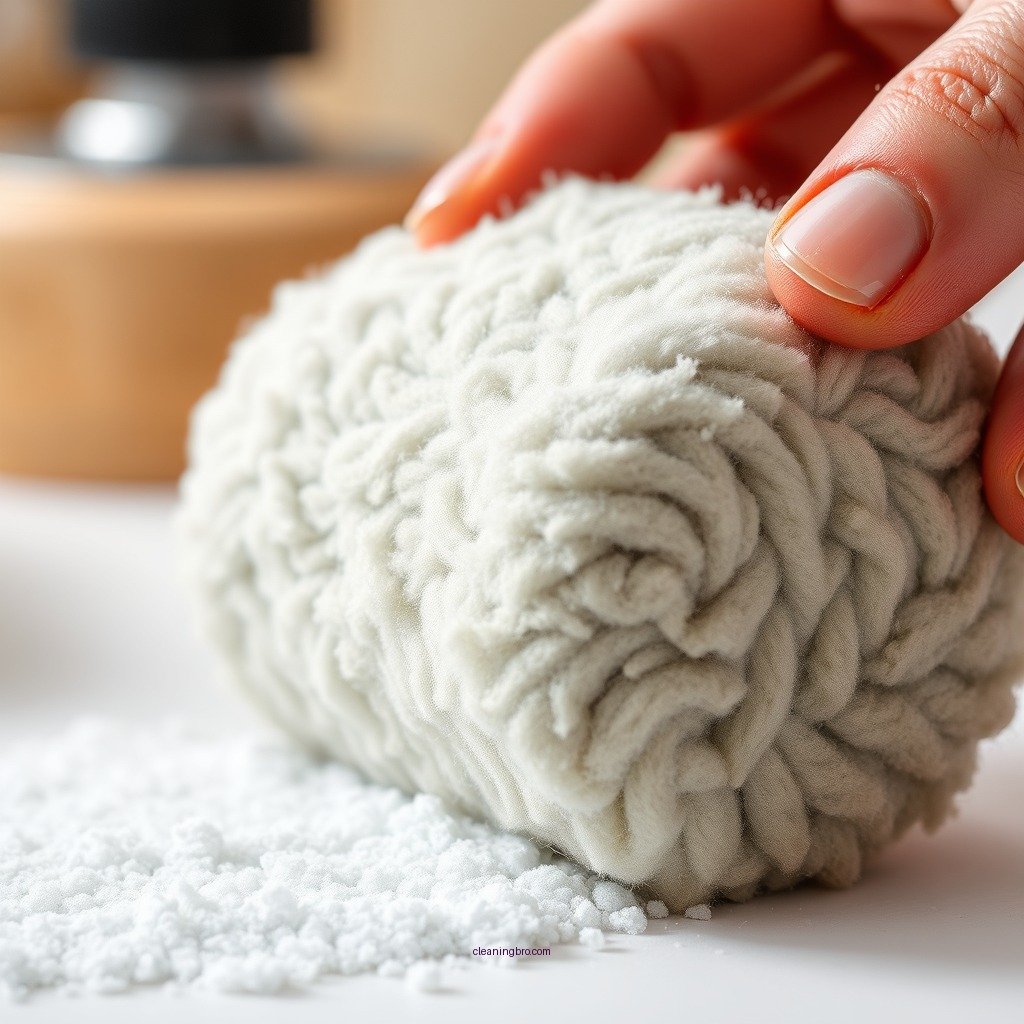
Once you’ve prepped the pads, it’s time to wash them. Here are the steps to follow:
1. Soak the Pads: Fill a basin with warm water and add a small amount of gentle detergent. Submerge the pads for a few minutes to allow the detergent to penetrate the fibers.
2. Gently Agitate: Use your hands to gently agitate the water, helping to loosen any embedded dirt. Avoid wringing or twisting the pads, as this can damage the fibers.
3. Brush if Necessary: For stubborn stains, use a soft brush to gently scrub the surface of the pad. Be gentle to avoid damaging the wool.
4. Rinse Thoroughly: After washing, rinse the pads under clean, lukewarm water until all detergent is removed. It’s critical that no soap residue remains, as this can affect the pad’s performance.
Avoid using hot water, as it can shrink or damage the natural fibers of the wool, leading to a reduced lifespan of the pads.
Drying the Pads
Proper drying is crucial for maintaining the shape and integrity of wool polishing pads. Follow these steps to dry them effectively:
1. Remove Excess Water: After rinsing, gently squeeze out excess water without wringing the pads. Consider placing them inside a clean towel and pressing down to absorb moisture.
2. Lay Flat to Dry: Place the pads flat on a drying rack or a clean, dry surface in a shaded area. Avoid direct sunlight, as UV rays can cause the wool to degrade and shrink.
3. Ensure Complete Drying: Allow the pads to dry completely before storing them away. This is essential to prevent mold or mildew growth, which can occur in damp environments.
Maintaining Wool Polishing Pads
To extend the life of your wool polishing pads, proper storage and regular inspections are essential. Here are some best practices:
– Store Properly: Keep pads in a cool, dry place, away from direct sunlight and moisture. This helps prevent deterioration and maintains their effectiveness.
– Regular Inspections: Periodically check your pads for signs of wear and tear. Look for frayed edges or clumps of wool coming loose, which may indicate that it’s time for a replacement.
– Rotate Usage: If you have multiple pads, rotate them to ensure even wear. This practice will help each pad last longer and maintain optimal performance.
Troubleshooting Common Issues
Even with diligent maintenance, you may encounter issues with your wool polishing pads. Here are solutions to common problems:
– Persistent Dirt: If pads remain dirty after washing, consider soaking them in a cleaning solution for an extended period before rinsing.
– Stubborn Stains: For tough stains, a soft brush can be used during the washing process to gently scrub affected areas, taking care not to damage the fibers.
If all else fails, it may be necessary to replace the pads, as prolonged use of overly dirty pads can diminish the quality of your polishing work.
Tips for Prolonged Pad Life
Prolonging the life of your wool polishing pads is achievable with a few simple practices:
– Immediate Cleaning: Clean pads immediately after use to prevent product buildup. The longer you wait, the harder it is to remove residue.
– Use Multiple Pads: If possible, use several pads during a single job to minimize wear and tear on any single pad. This not only extends their life but also enhances your polishing results.
By implementing these cleaning habits, you can significantly improve the performance and longevity of your wool polishing pads.
Top 7 Wool Polishing Pad Brands (2024)
| # | Brand | Material | Uses | User Rating |
|---|---|---|---|---|
| 1 | Lake Country | Wool | Cutting | ★★★★☆ |
| 2 | Meguiar’s | Wool | Polishing | ★★★★★ |
| 3 | 3M | Wool | Finishing | ★★★★☆ |
| 4 | Chemical Guys | Wool | Cutting | ★★★★☆ |
| 5 | Griot’s Garage | Wool | Polishing | ★★★★☆ |
| 6 | Rupes | Wool | Cutting | ★★★★★ |
| 7 | Flexipads | Wool | Finishing | ★★★★☆ |
Lake Country vs Meguiar’s vs 3M: Wool Polishing Pad Comparison
| Feature | ⭐ Lake Country | Meguiar’s | 3M |
|---|---|---|---|
| Material | 100% Wool | 100% Wool | 100% Wool |
| Cutting Power | ✅ High | ✅ Medium | ✅ Low |
| Best Use | Cutting & Compounding | Polishing | Finishing |
| Durability | High | Medium | High |
| User Rating | ★★★★☆ | ★★★★★ | ★★★★☆ |
| Price | $12.99 | $14.99 | $13.49 |
| Availability | Online & In-store | Online | In-store |
| Eco-Friendly | ✅ Yes | ✅ Yes | ✅ Yes |
| Free Trial | ❌ No | ❌ No | ❌ No |
| 🏆 Best For | Detailing Professionals | DIY Enthusiasts | Commercial Use |
Keeping your wool polishing pads clean is crucial for achieving the best results in your polishing tasks. By following these straightforward steps, you can ensure that your pads remain effective and durable. Start incorporating these cleaning habits today to enhance your detailing process! Regular maintenance not only improves the performance of your pads but also contributes to a more efficient and effective polishing experience.
Frequently Asked Questions
What is the best way to clean wool polishing pads?
The best way to clean wool polishing pads is by rinsing them in warm water to remove excess polish and debris. After rinsing, use a gentle detergent or a dedicated pad cleaner, then agitate the pad in the soapy water. Rinse thoroughly and allow the pad to air dry completely before reusing.
How often should I clean my wool polishing pads?
You should clean your wool polishing pads after every use to maintain their performance and longevity. Regular cleaning prevents product buildup and helps maintain a consistent polishing finish. If you notice a significant buildup, consider cleaning them during the polishing process for optimal results.
Why is it important to clean wool polishing pads?
Cleaning wool polishing pads is crucial because it removes contaminants and polish residues that can affect the quality of your work. Dirty pads can lead to uneven polishing, swirl marks, and can even damage the surface you’re working on. Keeping your pads clean ensures efficient performance and extends their lifespan.
Which cleaning solutions are safe for wool polishing pads?
Safe cleaning solutions for wool polishing pads include mild detergents, specialized pad cleaners, or even a mixture of water and vinegar. Avoid harsh chemicals or bleach, as they can damage the wool fibers. Always test a small area first to ensure compatibility with your pads.
How do I dry wool polishing pads after cleaning?
To dry wool polishing pads, gently squeeze out excess water without wringing them, then lay them flat on a clean, dry towel. Avoid direct sunlight or heat sources, as this can shrink or damage the wool fibers. Allow the pads to air dry fully before storing them to prevent mildew and maintain their shape.
References
- https://www.sciencedirect.com/topics/engineering/polishing-pad
https://www.sciencedirect.com/topics/engineering/polishing-pad - Wool | Animal Fibre, Textile & Clothing Uses | Britannica
https://www.britannica.com/science/wool - Google Scholar Google Scholar
https://scholar.google.com/scholar?q=how+to+clean+wool+polishing+pads - Google Scholar Google Scholar
https://scholar.google.com/scholar?q=wool+care+cleaning+methods - https://www.ncbi.nlm.nih.gov/pmc/articles/PMC4697488/
https://www.ncbi.nlm.nih.gov/pmc/articles/PMC4697488/ - https://www.researchgate.net/publication/267663287_Care_and_maintenance_of_wool
https://www.researchgate.net/publication/267663287_Care_and_maintenance_of_wool - Feedback from rhodopsin controls rhodopsin exclusion in Drosophila photoreceptors | Nature
https://www.nature.com/articles/nature10451 - https://www.cdc.gov/niosh/docs/2019-119/pdfs/2019-119.pdf
https://www.cdc.gov/niosh/docs/2019-119/pdfs/2019-119.pdf - https://www.pubmed.ncbi.nlm.nih.gov/19218242/
https://www.pubmed.ncbi.nlm.nih.gov/19218242/ - how to clean wool polishing pads – Search results
https://en.wikipedia.org/wiki/Special:Search?search=how+to+clean+wool+polishing+pads