
Cleaning a basement wall can be straightforward if you follow the right steps. Start by gathering your supplies, including cleaning solutions, brushes, and protective gear. In this guide, you’ll learn how to effectively remove dirt, mold, and stains from your basement walls, ensuring a cleaner and healthier environment. A clean basement not only improves aesthetics but also promotes better air quality and prevents potential health hazards.
Gather Your Cleaning Supplies
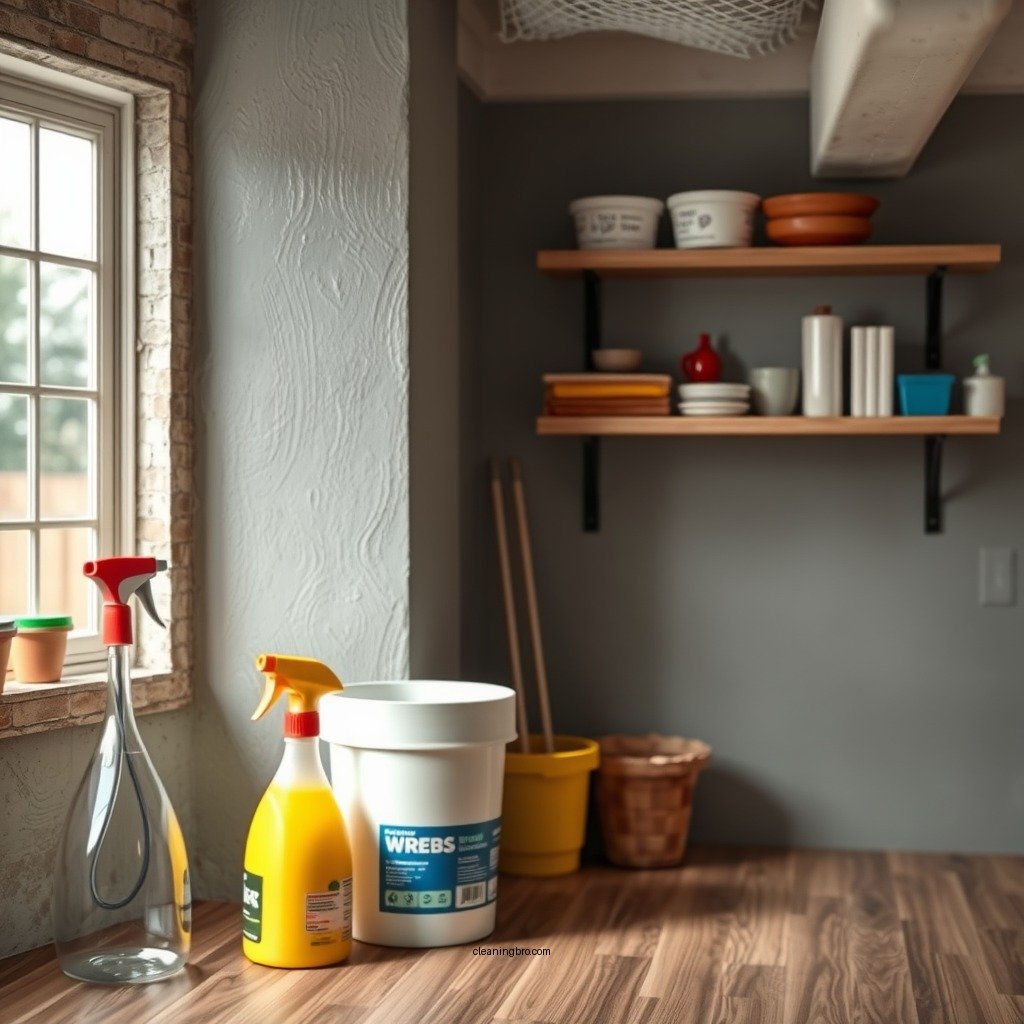
To ensure an efficient cleaning process, it is essential to gather all necessary supplies beforehand. Begin with selecting appropriate cleaning solutions tailored to the specific challenges you may face:
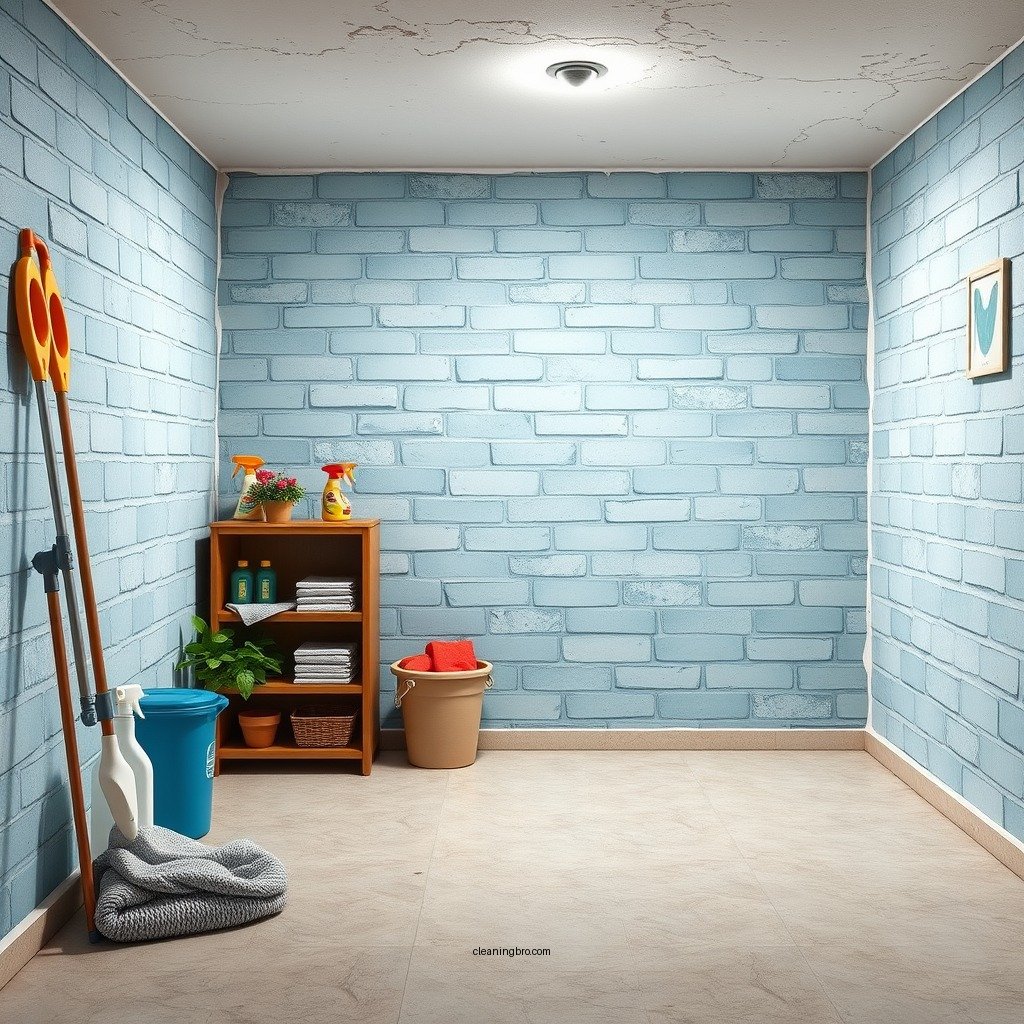
– Bleach: Highly effective in killing mold and mildew.
– Vinegar: A natural alternative that works well against light stains and odors.
– Commercial cleaners: Products specifically designed for cleaning walls, available at home improvement stores.
Next, prepare your scrubbing tools:
– Stiff brushes: Ideal for concrete walls.
– Sponges: Gentle enough for drywall surfaces.
– Buckets: For mixing cleaning solutions and rinsing.
Lastly, don’t forget protective gear to keep yourself safe during the cleaning process:
– Gloves: Protect your hands from harsh chemicals.
– Goggles: Shield your eyes from splashes.
– Mask: Prevent inhalation of dust, mold spores, or chemical fumes.
Assess the Condition of the Walls
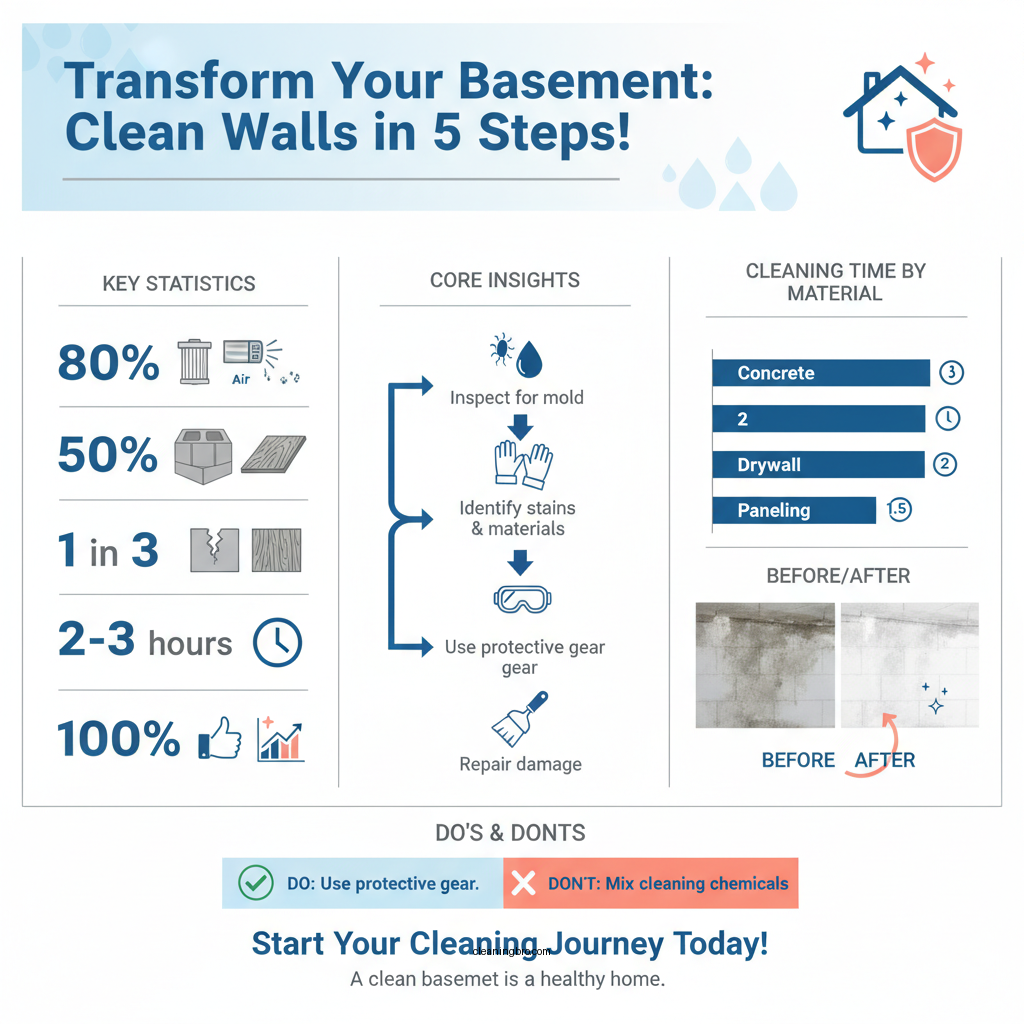
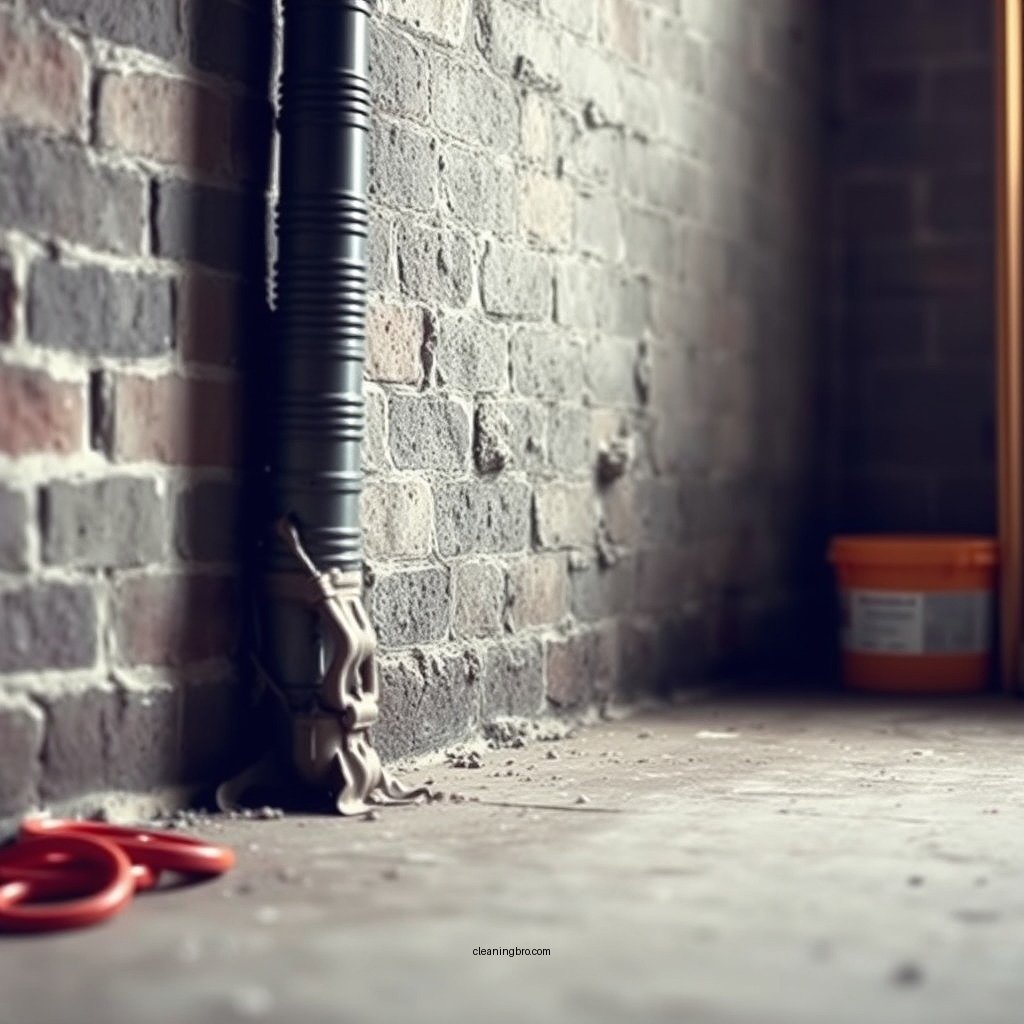
Before diving into the cleaning process, take a moment to assess the condition of your basement walls. This evaluation will determine the necessary cleaning methods and solutions.
1. Inspect for Mold and Mildew: Look for dark patches or a musty smell, which indicate mold growth. Different types of mold may require specific cleaning solutions.
2. Check for Stains: Identify any significant stains caused by water damage or other sources. Some stains may need specialized treatment.
3. Identify Wall Material: Determine whether your walls are made of concrete, drywall, or another material. This will help in selecting the right cleaning techniques, as each material has unique properties and cleaning requirements.
4. Repair Needs: Assess if there are any cracks, holes, or damage that need to be repaired prior to cleaning. Addressing these issues will facilitate a more effective cleaning process and prevent further deterioration.
Pre-Cleaning Preparation
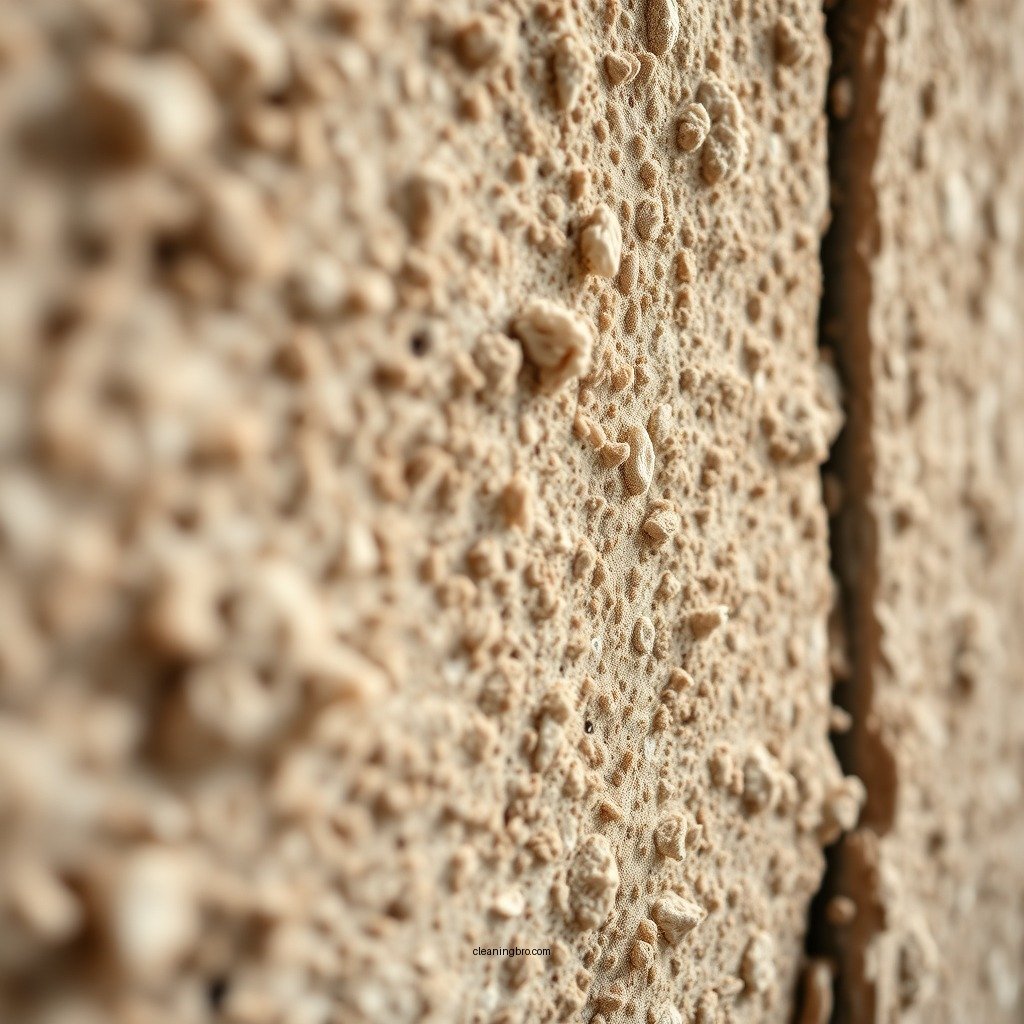
Preparation is key to a successful cleaning project. Follow these steps to set yourself up for success:
1. Clear the Area: Remove any furniture, boxes, or items that may obstruct your access to the walls. This will also protect your belongings from potential damage during cleaning.
2. Ensure Proper Ventilation: Open windows and doors, or utilize fans to create airflow. This is especially important when using chemical cleaners, as it helps disperse fumes and prevents inhalation.
3. Protect Surfaces: Cover floors and any nearby surfaces with drop cloths or plastic sheeting to prevent damage from drips or spills of cleaning solutions.
Here’s a quick overview of the supplies and preparations you’ll need:
Essential Cleaning Supplies for Basement Walls
| # | Supply | Purpose |
|---|---|---|
| 1 | Bleach | Mold removal |
| 2 | Vinegar | Stain removal |
| 3 | Commercial cleaner | Deep cleaning |
| 4 | Stiff brush | Scrubbing |
| 5 | Sponges | Gentle cleaning |
| 6 | Gloves | Hand protection |
| 7 | Goggles | Eye protection |
| 8 | Mask | Fume protection |
Cleaning Techniques for Different Wall Types
Different wall materials require distinct cleaning techniques to prevent damage while effectively removing dirt and stains. Here are tailored approaches for various types of walls:
1. Concrete Walls:
– Use a stiff brush and a mixture of water and a suitable detergent.
– For heavy stains or mold, a diluted bleach solution can be used. Scrub vigorously, then rinse the area with clean water to prevent residue buildup.
2. Drywall:
– Gently sponge the surface with a mild cleaner.
– Avoid excessive water, as it can damage the drywall. If the wall is heavily stained, consider using a specialized drywall cleaner.
3. Painted Walls:
– Use a soft cloth or sponge with a non-abrasive cleaner.
– Test in an inconspicuous area first to ensure the cleaner does not damage the paint.
4. Brick Walls:
– A wire brush may be necessary for cleaning brick surfaces.
– Use a mixture of vinegar and water to help remove stains without damaging the brick.
5. Basement Walls with Paneling:
– Clean gently with a damp cloth and a gentle cleanser.
– Avoid soaking the paneling, as it can warp over time.
Mold and Mildew Removal
Mold and mildew can pose serious health risks, making their removal a priority in basement cleaning. Follow these steps for effective mold remediation:
1. Preparation: Ensure the area is well-ventilated. Wear appropriate protective gear, including gloves and a mask.
2. Bleach Solution: Mix one cup of bleach with one gallon of water. Apply this solution to the affected areas using a spray bottle or sponge.
3. Scrubbing: Use a brush to scrub the moldy areas thoroughly. For stubborn mold, allowing the solution to sit for 10-15 minutes before scrubbing can enhance effectiveness.
4. Rinsing: Rinse the area with clean water to remove any bleach residue, which can be harmful if left on surfaces.
5. Mold Inhibitor: After cleaning, consider applying a mold inhibitor to the area to prevent future growth.
Drying and Finishing Touches
After cleaning, drying is crucial to prevent moisture buildup, which can lead to mold and mildew resurgence. Follow these steps:
1. Drying: Allow the walls to dry completely before replacing any items or furniture. Use fans or dehumidifiers to expedite the drying process.
2. Inspection: Once dry, inspect the area for any remaining stains or signs of mold. It may be necessary to repeat cleaning in these areas.
3. Painting: For an added layer of protection, consider painting the walls with a mildew-resistant paint. This can enhance the appearance of your basement while providing a barrier against future mold growth.
4. Reorganizing: Once the walls are clean and dry, carefully return items to the basement. Consider organizing them to promote airflow and reduce clutter.
By following these steps, you will not only have clean walls but also a healthier basement environment.
Wrapping up, cleaning your basement walls not only enhances the appearance of your space but also promotes a healthier living environment. By following these steps, you can ensure your basement remains clean and well-maintained. Don’t hesitate to take action today—gather your supplies and start your cleaning project for a fresher basement!
Frequently Asked Questions
What are the best methods to clean a basement wall?
The best methods to clean a basement wall depend on the type of material and the extent of dirt or mildew. For concrete walls, a mixture of water and vinegar works effectively to remove stains and odors. If you’re dealing with mold, use a commercial mold remover or a bleach solution, ensuring proper ventilation and protective gear while cleaning.
How do I remove mold from basement walls?
To remove mold from basement walls, start by wearing protective gear such as gloves, goggles, and a mask. Use a solution of one cup of bleach mixed with a gallon of water to scrub the affected areas, ensuring you cover all visible mold. After cleaning, ensure the basement is well-ventilated to prevent mold from returning and consider applying a mold-resistant paint for added protection.
Why is it important to clean basement walls regularly?
Regularly cleaning basement walls is crucial to prevent the buildup of moisture, mold, and mildew, which can lead to health issues and structural damage. A clean environment also helps maintain air quality and prevents unpleasant odors. By addressing dirt and moisture early, you can save on costly repairs and ensure your basement remains a safe, usable space.
Which cleaning products are most effective for basement wall cleaning?
Effective cleaning products for basement wall cleaning include all-purpose cleaners, mold removers, and specific concrete cleaners. For natural solutions, vinegar or baking soda can be used to tackle stains without harsh chemicals. Always check the product labels to ensure they are suitable for the wall material and safe for indoor use.
How can I prevent future stains on my basement walls?
To prevent future stains on your basement walls, ensure proper waterproofing and ventilation in the space. Regularly inspect for leaks and moisture accumulation, addressing any issues immediately. Additionally, consider applying a sealant or waterproof paint to the walls to create a barrier against moisture and stains, ensuring your basement stays clean and dry.
References
- Basement
https://en.wikipedia.org/wiki/Basement - https://www.extension.purdue.edu/extmedia/FS/FS-7-W.pdf
https://www.extension.purdue.edu/extmedia/FS/FS-7-W.pdf - https://www.extension.umn.edu/garden/yard-garden/landscaping/cleaning-basement-walls/
https://www.extension.umn.edu/garden/yard-garden/landscaping/cleaning-basement-walls/ - https://www.nichd.nih.gov/health/topics/indoorair/condition/cleaning
https://www.nichd.nih.gov/health/topics/indoorair/condition/cleaning - https://www.epa.gov/indoor-air-quality-iaq/cleaning-your-home
https://www.epa.gov/indoor-air-quality-iaq/cleaning-your-home - https://www.cdc.gov/healthyhomes/healthyhome/cleaning.html
https://www.cdc.gov/healthyhomes/healthyhome/cleaning.html - Google Scholar Google Scholar
https://scholar.google.com/scholar?q=how+to+clean+a+basement+wall - Google Scholar Google Scholar
https://scholar.google.com/scholar?q=basement+cleaning+techniques - Google Scholar Google Scholar
https://scholar.google.com/scholar?q=basement+moisture+remediation - https://www.sciencedirect.com/topics/earth-and-planetary-sciences/basement-wall-cleaning
https://www.sciencedirect.com/topics/earth-and-planetary-sciences/basement-wall-cleaning
