How to Clear Pollen from Your Pool: Effective Strategies
Keeping your pool clean and inviting during pollen season can be challenging, but there are effective strategies to clear pollen quickly and efficiently. By implementing a combination of physical cleaning methods, chemical treatments, and preventive measures, you can maintain a crystal-clear pool that remains a refreshing oasis throughout the spring. This article will explore practical tips and tools to help you tackle the pollen problem effectively.
Understanding the Pollen Problem
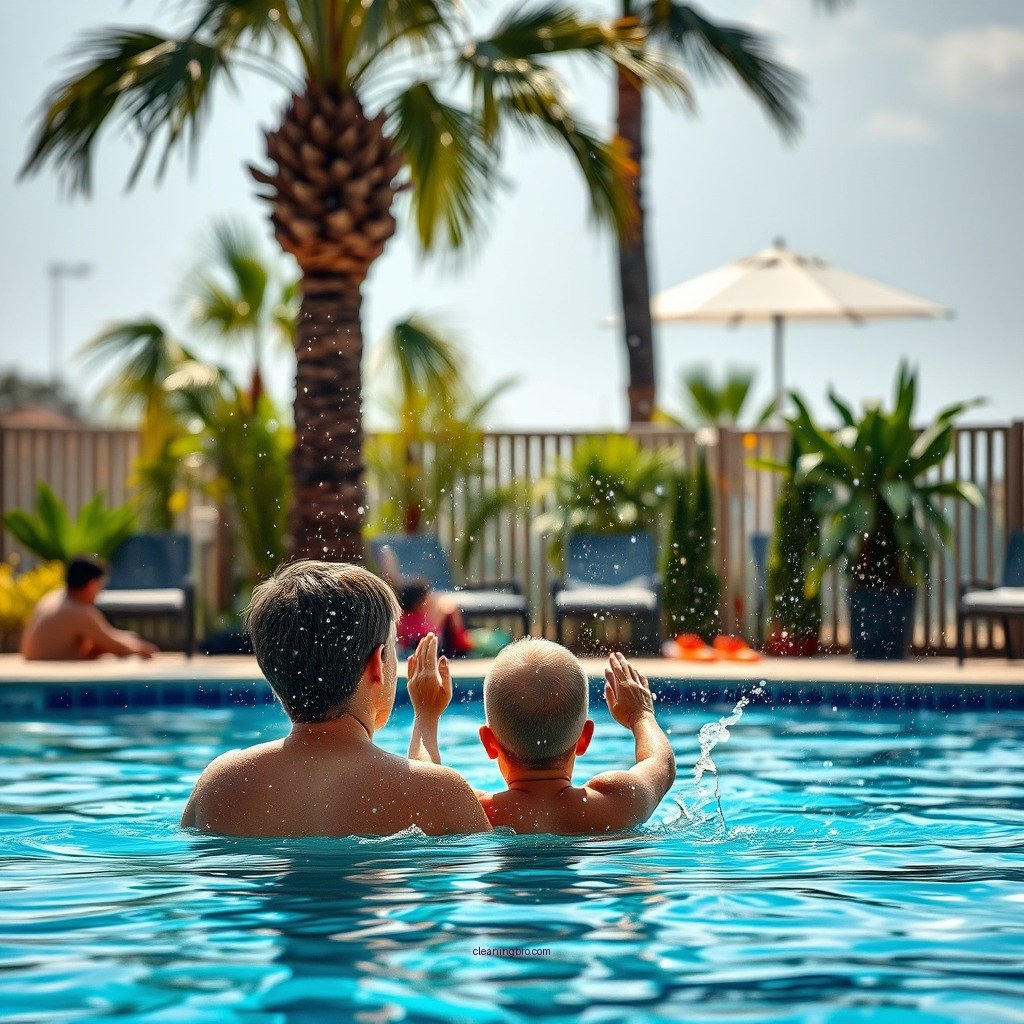
Pollen can accumulate rapidly in your pool, especially during the spring when trees, grasses, and weeds release their reproductive spores. This accumulation not only makes your pool look unappealing but can also hinder water clarity and affect your overall swimming experience. Different types of pollen can vary significantly in size and composition, which may require distinct cleaning methods. For example, tree pollen is often heavier and can settle at the bottom of the pool, while grass pollen tends to float on the surface. Understanding these differences is key to developing a tailored cleaning strategy.
Essential Tools for Pollen Removal
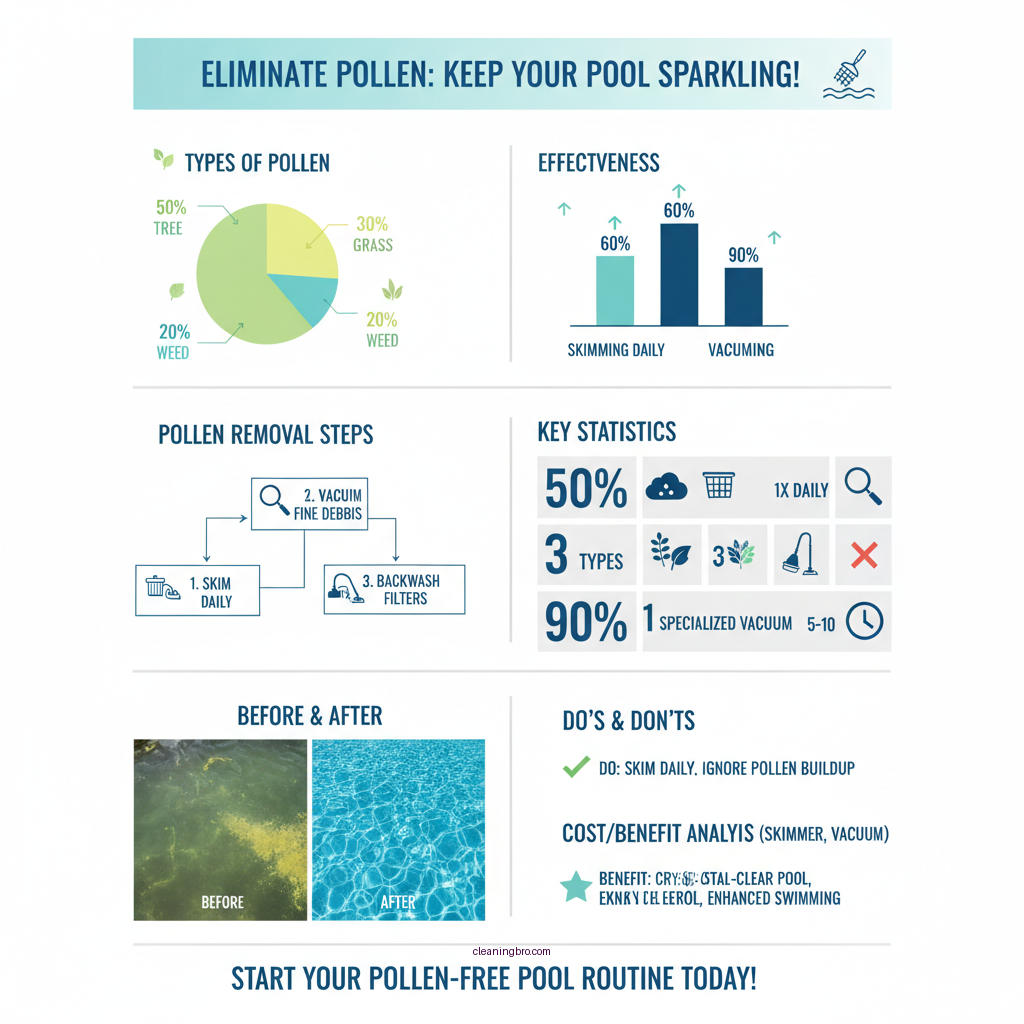
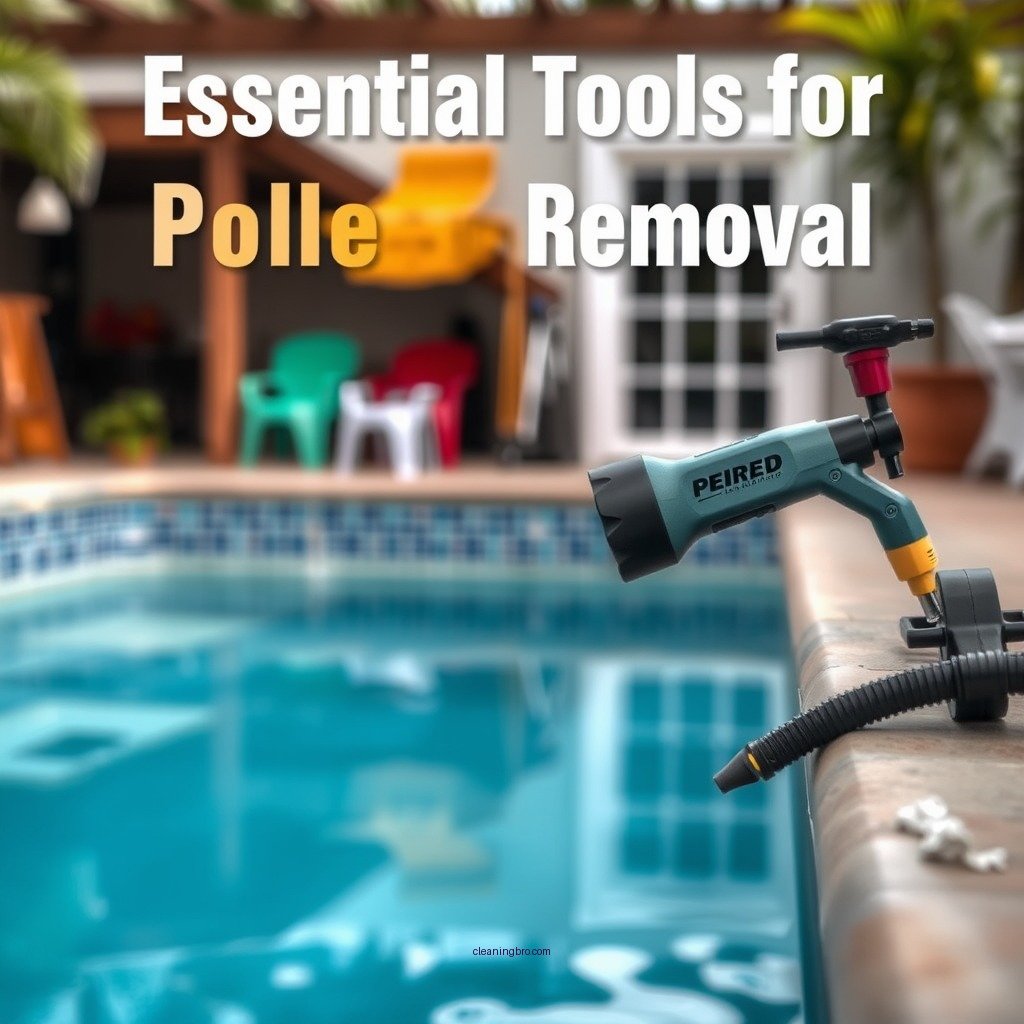
To effectively manage pollen in your pool, having the right tools is essential. Two primary tools that can significantly aid in pollen removal are the skimmer net and a specialized pool vacuum:
– Skimmer Net: A skimmer net is invaluable for removing pollen from the surface of your pool water. It allows you to scoop up floating debris quickly, preventing it from sinking and causing further issues. When using a skimmer net, it’s best to skim the surface daily during peak pollen seasons to keep your pool looking pristine.
– Pool Vacuum: Investing in a pool vacuum specifically designed for fine debris can help capture pollen particles that the skimmer may miss. These vacuums are equipped with finer filters that can trap small particles, ensuring that your pool water remains clear and inviting. Manual vacuums or automated robotic vacuums can be effective, depending on your cleaning preferences.
Best Cleaning Techniques
In addition to using the right tools, employing effective cleaning techniques will ensure your pool stays free of pollen:
– Regular Surface Skimming: As mentioned, regularly skimming the surface of the pool should be a core part of your maintenance routine. Aim to skim at least once a day during pollen-heavy periods to minimize buildup.
– Backwashing Your Filter: Backwashing your pool filter is crucial for maintaining optimal performance, especially when pollen is prevalent. Pollen particles can clog your filter, reducing its efficiency. By backwashing regularly, you can ensure that trapped particles are expelled and prevent any further blockage.
– Adjusting Water Flow: Sometimes, adjusting your pool’s water flow can help dislodge pollen particles that have settled. Increasing the circulation can help keep pollen suspended in the water, allowing it to be filtered out more effectively.
Chemical Solutions for Pollen Management
While physical removal is essential, chemical treatments can also play a vital role in managing pollen:
– Flocculants: Consider using flocculants to gather and clump pollen particles together, making them easier to remove. These chemicals cause tiny particles to bind together, forming larger clumps that can be captured by your skimmer or vacuum. Be sure to follow the manufacturer’s instructions for use.
– Water Chemistry Maintenance: Regularly testing and balancing your pool water chemistry is critical for maintaining clarity. High pollen levels can disrupt the balance of pH and alkalinity, leading to cloudiness. Use appropriate chemical treatments to keep your water balanced, ensuring it remains clear and sanitary.
Preventative Measures to Reduce Pollen Accumulation
Preventing pollen from entering your pool in the first place is an effective strategy. Here are some proactive measures you can take:
– Install a Pool Cover: During peak pollen seasons, consider using a pool cover to minimize debris entry. This can significantly reduce the amount of pollen that accumulates in your pool, saving you time and effort in cleaning.
– Landscaping Choices: The plants surrounding your pool can contribute to pollen accumulation. Opt for landscaping that minimizes pollen-producing plants, such as certain types of decorative grasses and flowering plants. Additionally, consider planting low-pollen or non-flowering plants in your garden.
Seasonal Maintenance Tips
To ensure your pool remains in top shape during pollen season, consider the following maintenance tips:
– Thorough Spring Cleaning: Schedule a comprehensive pool cleaning at the start of pollen season. This includes scrubbing the walls and floor, checking the filter and pump systems, and ensuring that all equipment is functioning properly.
– Monitor Pool Equipment: Regularly check and maintain your pool equipment to ensure optimal performance. A well-functioning pump and filter system are critical in managing pollen, as they help circulate and clean the water effectively.
– Create a Maintenance Schedule: Establishing a regular maintenance schedule can help you stay on top of pollen management. Include daily skimming, weekly chemical testing, and monthly deep cleans to ensure your pool remains inviting.
Top Tools for Pollen Removal in Pools (2024)
| # | Tool | Type | Effectiveness |
|---|---|---|---|
| 1 | Skimmer Net | Manual | Highly Effective |
| 2 | Pool Vacuum | Automated | Very Effective |
| 3 | Flocculants | Chemical | Effective |
| 4 | Pool Cover | Preventative | Highly Effective |
| 5 | Backwash Filter | Maintenance | Very Effective |
| 6 | Water Test Kit | Testing | Essential |
| 7 | Pool Brush | Manual | Useful |
Manual Vacuum vs Automated Vacuum vs Skimmer Net: Full Comparison
| Feature | ⭐ Manual Vacuum | Automated Vacuum | Skimmer Net |
|---|---|---|---|
| Ease of Use | Moderate | Easy | Very Easy |
| Cost | $150-$300 | $500-$1200 | $20-$50 |
| Portability | High | Moderate | High |
| Power Source | Manual | Electric | Manual |
| Cleaning Speed | Moderate | Fast | Moderate |
| Filtration System | Standard | Advanced | Basic |
| Maintenance Required | High | Low | Moderate |
| Versatility | Moderate | High | Low |
| User Reviews | ★★★★☆ | ★★★★★ | ★★★☆☆ |
| 🏆 Best For | Budget-conscious users | Efficiency seekers | Casual users |
Keeping your pool free of pollen requires a proactive approach, but with the right tools and techniques, it’s entirely manageable. By understanding the pollen problem, utilizing essential tools for removal, and implementing best cleaning techniques, you can ensure your pool remains a clean and inviting space. Additionally, taking preventative measures and conducting regular seasonal maintenance will help keep your pool looking its best, no matter the season. Enjoy a refreshing and clear swimming experience by following these strategies to combat pollen effectively.
Frequently Asked Questions
How can I effectively remove pollen from my swimming pool?
To effectively remove pollen from your swimming pool, start by using a skimmer net to manually scoop out the visible debris from the surface. Additionally, you can run your pool’s filter on a high setting for several hours to capture smaller pollen particles, and consider using a pool vacuum designed for fine debris to clean the bottom of the pool.
What tools do I need to clear pollen from my pool?
To clear pollen from your pool, you’ll need a skimmer net for surface cleaning, a pool vacuum for deeper cleaning, and a good-quality pool filter that can handle fine debris. A leaf blower or a pool brush can also be helpful for dislodging pollen from hard-to-reach areas, ensuring your pool remains clear and inviting.
Why is pollen a problem for my swimming pool?
Pollen can be a problem for your swimming pool because it can create a film on the water’s surface, leading to unsightly appearances and potential water quality issues. If not removed promptly, pollen can contribute to algae growth and affect the chemical balance, making it essential to clear it regularly during pollen season.
What is the best time to clean pollen from my pool?
The best time to clean pollen from your pool is early in the morning or late in the afternoon when pollen levels are typically lower. Cleaning during these times can reduce the amount of pollen that settles back into the pool, making your maintenance efforts more effective and keeping your pool water clear.
Which chemical treatments can help with pollen removal in pools?
While there are no specific chemicals designed solely for pollen removal, maintaining proper chlorine levels and using algaecides can help prevent any algae growth caused by pollen accumulation. Additionally, flocculants can be used to help gather fine particles, including pollen, making it easier to vacuum them from your pool.
References
- https://www.wiki-how.com/Clear-Pollen-from-a-Pool
https://www.wiki-how.com/Clear-Pollen-from-a-Pool - https://www.cdc.gov/nceh/ehs/docs/healthy_pools.pdf
https://www.cdc.gov/nceh/ehs/docs/healthy_pools.pdf - Purdue Extension Health and Human Sciences
https://www.purdue.edu/hhs/extension/healthyliving/pool-maintenance.html - https://www.extension.umn.edu/family/home-and-yard/pools/cleaning-and-maintaining-your-pool/
https://www.extension.umn.edu/family/home-and-yard/pools/cleaning-and-maintaining-your-pool/ - https://www.sciencedirect.com/topics/agricultural-and-biological-sciences/pollen
https://www.sciencedirect.com/topics/agricultural-and-biological-sciences/pollen - https://www.nature.com/articles/s41598-020-71577-5
https://www.nature.com/articles/s41598-020-71577-5 - https://pubmed.ncbi.nlm.nih.gov/32842402/
https://pubmed.ncbi.nlm.nih.gov/32842402/ - Pollen | Description, Characteristics, Importance, Pollination, & Facts | Britannica
https://www.britannica.com/science/pollen - Google Scholar Google Scholar
https://scholar.google.com/scholar?q=how+to+clear+pollen+from+pool - Google Scholar Google Scholar
https://scholar.google.com/scholar?q=pollen+removal+techniques+for+swimming+pools