How to Clean Anodized Aluminum: Effective Techniques
Cleaning anodized aluminum is straightforward and requires specific methods to maintain its finish. The key is to use mild cleaners and avoid abrasive materials that can scratch the surface. In this article, you’ll learn the best techniques to clean anodized aluminum effectively without damaging its protective layer.
Understanding Anodized Aluminum
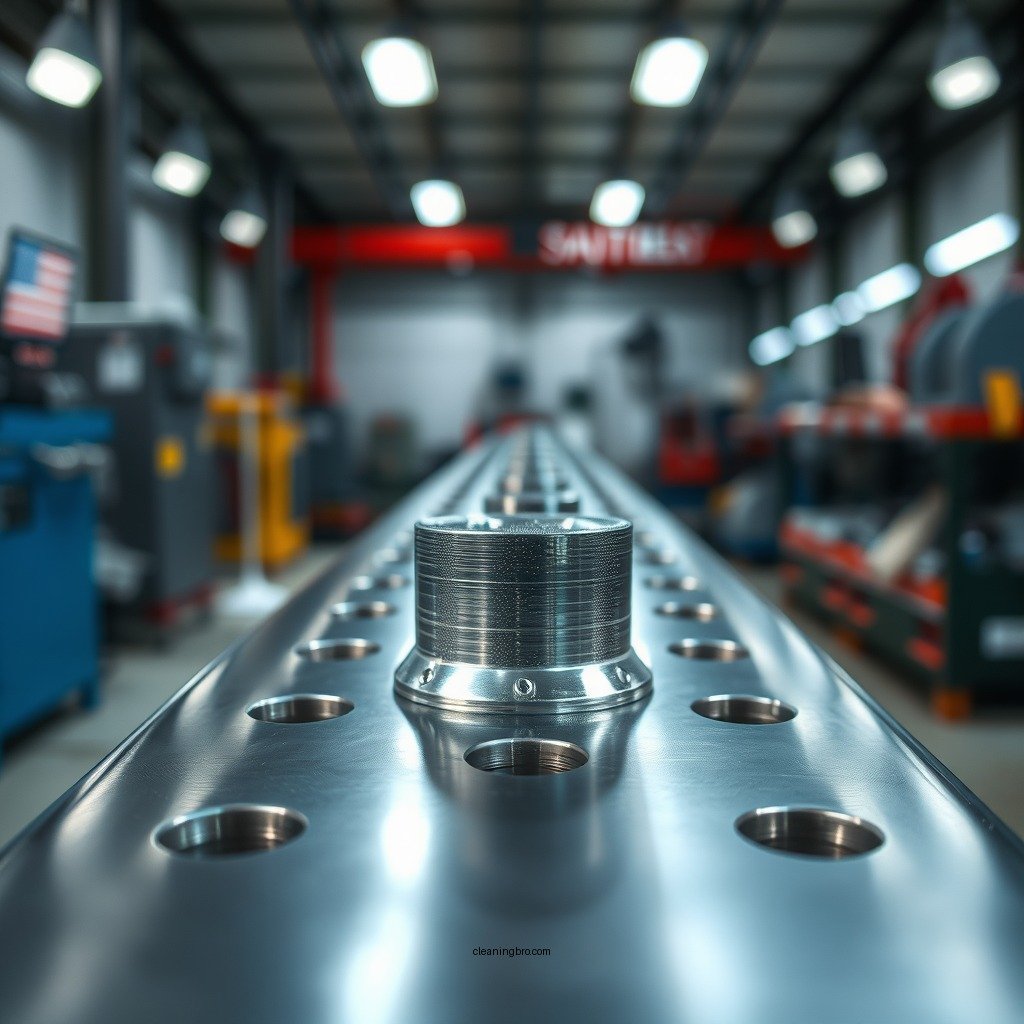
Anodized aluminum is aluminum that has been treated to increase its corrosion resistance and surface hardness. The anodization process involves immersing aluminum in an acid electrolyte bath and passing an electric current through the medium, which leads to the formation of a thick oxide layer on the aluminum surface. This layer not only enhances the aesthetic appeal of the metal but also serves as a barrier against corrosion, wear, and oxidation.
The protective oxide layer created during anodization is integral to the metal. Unlike paint, this finish is not a coating but a part of the aluminum itself, which means it will not chip or peel. Instead, it retains its appearance over time, given proper care. However, it is essential to clean anodized aluminum correctly to avoid compromising this protective layer, ensuring the longevity and visual appeal of the material.
Tools and Materials Needed
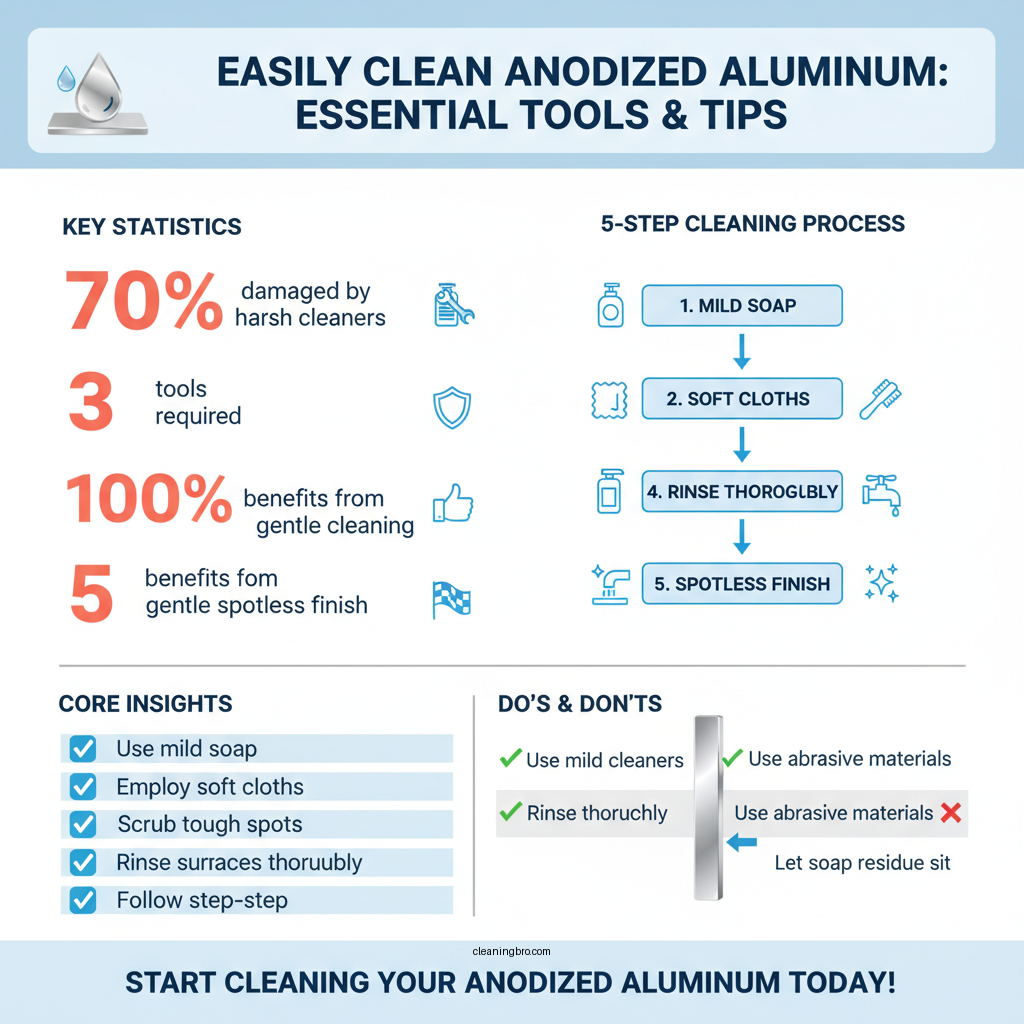
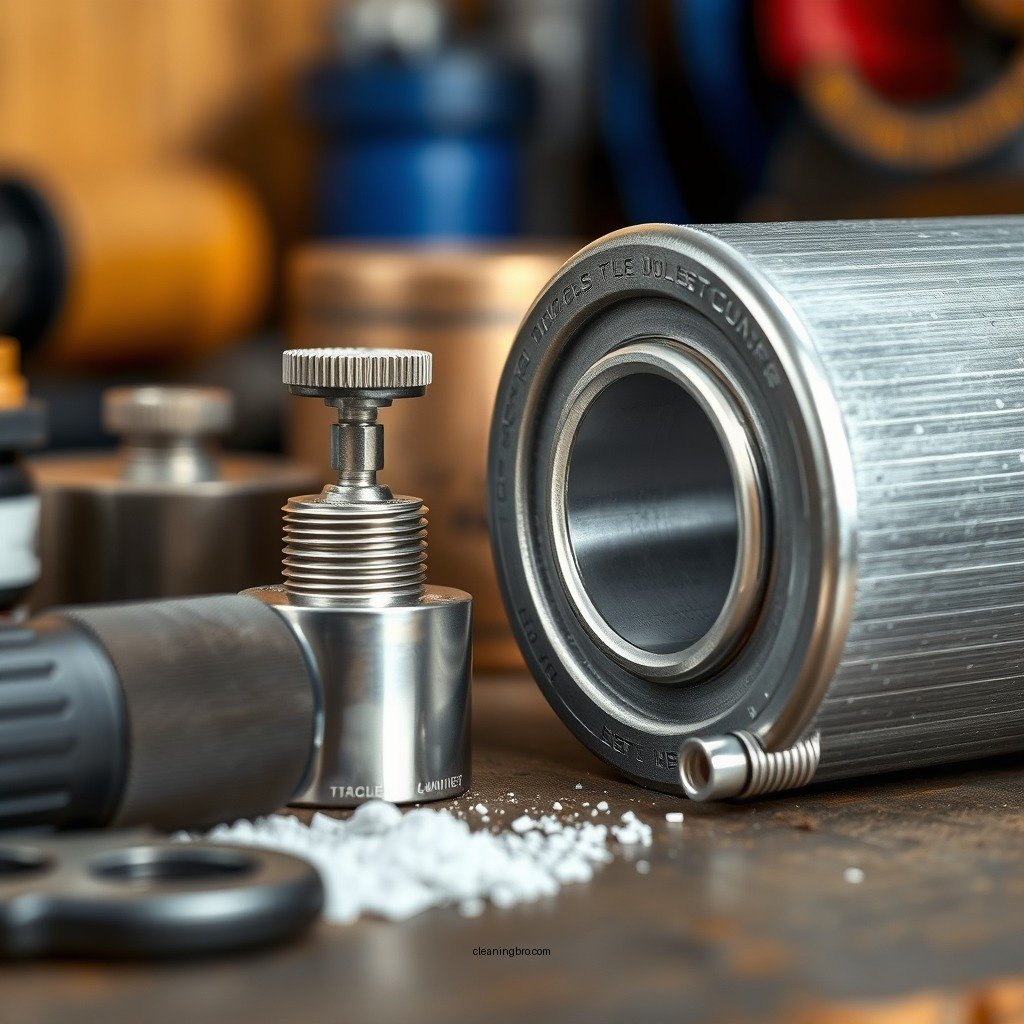
To clean anodized aluminum effectively, you will need the following tools and materials:
– Mild dish soap or a pH-balanced cleaner: Avoid harsh chemicals, as they can damage the anodized surface.
– Soft cloths or microfiber towels: These are essential for applying cleaning solutions and drying the surface without scratching it.
– Soft-bristle brush: Ideal for addressing tough spots or crevices where dirt may accumulate.
Having these tools on hand will facilitate a smooth cleaning process while protecting the anodized finish.
Step-by-Step Cleaning Process
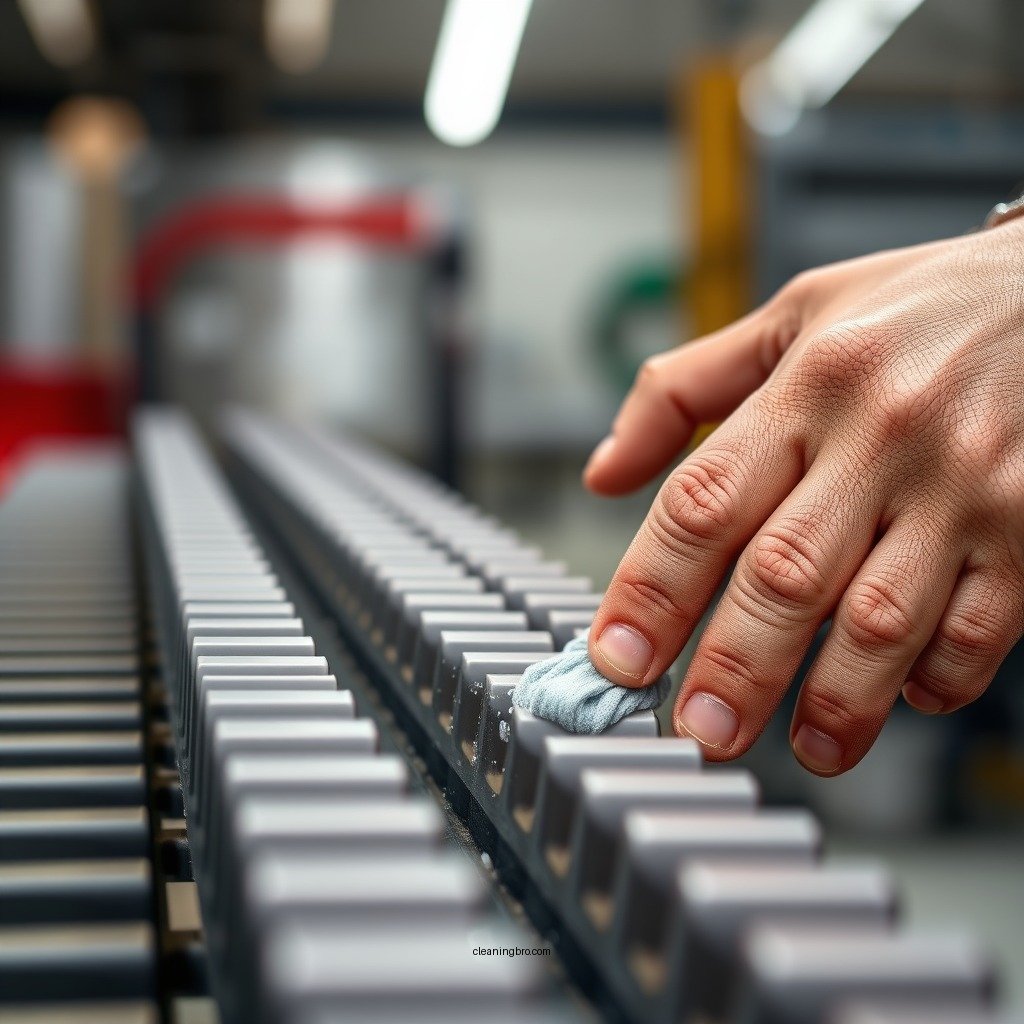
1. Rinse the anodized aluminum surface with water: Start by removing loose dirt and debris. A gentle spray from a hose or a wet cloth will suffice.
2. Mix a solution of mild soap and warm water: Use a few drops of mild dish soap or a pH-balanced cleaner diluted in a bucket of warm water.
3. Apply the solution with a soft cloth: Dampen a soft cloth or microfiber towel with the cleaning solution, and gently wipe down the surface. Be sure to cover all areas, including corners and seams.
4. Use a soft-bristle brush for tough spots: For areas with stubborn grime or stains, dip a soft-bristle brush into the cleaning solution and gently scrub the affected area. This technique will help dislodge dirt without scratching the anodized finish.
5. Rinse thoroughly: After cleaning, rinse the surface with clean water to remove any soap residue, which could lead to streaking.
Dealing with Stains and Marks
Anodized aluminum can be susceptible to certain types of stains and marks, particularly from environmental factors or exposure to harsh substances. For stubborn stains, follow these steps:
– Use a soft-bristle brush dipped in the cleaning solution: Gently scrub the stain in a circular motion to lift it without damaging the anodized layer.
– Avoid using steel wool or abrasive pads: These materials can scratch the anodized surface, leading to irreversible damage. Instead, focus on soft materials that will not compromise the protective layer.
– For tough stains, consider a specialized cleaner: If typical cleaning does not suffice, there are commercial products designed specifically for anodized aluminum that can effectively remove stains without harm.
Rinsing and Drying Techniques
Proper rinsing and drying are crucial steps in the cleaning process:
1. Thoroughly rinse the surface with clean water: Ensure that all soap and cleaning solution residues are washed away, as remaining soap can attract dirt and lead to streaks.
2. Dry the surface with a soft, lint-free cloth: This step is essential to prevent water spots from forming. Gently buff the surface to enhance its shine and maintain its appearance.
3. Avoid air drying: Allowing anodized aluminum to air dry can lead to mineral deposits and unsightly water spots. Always use a cloth for drying.
Preventive Maintenance Tips
To keep anodized aluminum looking its best and prolong its lifespan, consider the following preventive maintenance tips:
– Regularly clean anodized aluminum surfaces: Establish a cleaning routine, depending on the exposure to elements and the level of dirt accumulation. Monthly cleaning is often sufficient for most applications.
– Apply a protective wax or sealant: A protective product specifically designed for anodized aluminum can help enhance its appearance and add an extra layer of protection against environmental factors.
– Avoid exposing anodized aluminum to harsh chemicals: Strong acids and bases can damage the anodized finish, so keep cleaning products and other chemicals away from your anodized surfaces.
When to Seek Professional Help
While regular cleaning and maintenance can keep anodized aluminum in good condition, there are situations when professional assistance is advisable:
– If the anodized aluminum has severe damage or staining: Significant scratches, deep stains, or discoloration can diminish the aesthetic and protective qualities of the finish.
– Consider consulting a professional cleaner: Specialized services may be necessary for restoring heavily oxidized surfaces or for applying professional-grade protective coatings.
– For extensive projects or large installations: Professional services can save time and ensure that the job is done correctly, using the right tools and techniques.
Maintaining anodized aluminum is crucial for its longevity and appearance. By following these cleaning techniques and preventive measures, you can keep your anodized aluminum surfaces looking their best. For more tips and product recommendations, explore our other articles on metal care and maintenance!
Top 7 Anodized Aluminum Cleaning Products (2024)
| # | Product | Type | Size | Price |
|---|---|---|---|---|
| 1 | Simple Green | Cleaner | 32 oz | $9.99 |
| 2 | Mild Soap & Water | DIY Solution | N/A | $0.50 |
| 3 | Brasso Aluminum Polish | Polish | 8 oz | $6.50 |
| 4 | Star Brite Aluminum Cleaner | Cleaner | 1 Quart | $12.99 |
| 5 | Aqua Metal Cleaner | Cleaner | 16 oz | $8.25 |
| 6 | Flitz Metal Polish | Polish | 8 oz | $11.99 |
| 7 | 3M Aluminum Cleaner | Cleaner | 1 Quart | $14.50 |
Top Cleaning Products for Anodized Aluminum
| Feature | ⭐ Simple Green | Star Brite Aluminum Cleaner | Flitz Metal Polish |
|---|---|---|---|
| Type | Cleaner | Cleaner | Polish |
| Size | 32 oz | 1 Quart | 8 oz |
| Price | $9.99 | $12.99 | $11.99 |
| Non-toxic | ✅ | ✅ | ❌ |
| Biodegradable | ✅ | ✅ | ❌ |
| Streak-free | ✅ | ✅ | ❌ |
| Easy to use | ✅ | ✅ | ❌ |
| For Heavy Stains | ✅ | ✅ | ❌ |
| Best For | General Cleaning | Heavy-duty Cleaning | Polishing |
This comprehensive guide on cleaning anodized aluminum provides essential techniques and insights for maintaining its appearance and integrity. By employing the right methods and tools, you can ensure that your anodized surfaces remain in excellent condition, enhancing both their aesthetic appeal and durability.
Frequently Asked Questions
What is the best way to clean anodized aluminum without damaging the surface?
The best way to clean anodized aluminum is to use a mild detergent mixed with warm water. A soft cloth or sponge can effectively remove dirt and grime without scratching the anodized surface. Avoid using abrasive cleaners or scouring pads, as these can damage the protective anodized coating.
How often should I clean anodized aluminum surfaces?
It is recommended to clean anodized aluminum surfaces every few months, or more frequently if they are exposed to harsh environmental conditions. Regular cleaning helps maintain the aesthetic appeal and performance of the anodized finish, preventing buildup of dirt and contaminants that can cause long-term damage.
Why is it important to use non-abrasive cleaners on anodized aluminum?
Using non-abrasive cleaners on anodized aluminum is crucial because the anodized layer provides a protective finish that can be scratched or damaged by harsh chemicals or abrasive materials. Protecting this layer ensures the longevity and functionality of the aluminum, preventing corrosion and maintaining its appearance.
Which household products are safe for cleaning anodized aluminum?
Safe household products for cleaning anodized aluminum include white vinegar, baking soda, and mild dish soap. These substances are effective at breaking down grime without harming the anodized surface. Always rinse thoroughly with water after cleaning to ensure no residue is left behind.
How do I remove tough stains from anodized aluminum?
To remove tough stains from anodized aluminum, create a paste using baking soda and water, then gently apply it to the stained area with a soft cloth. Let the paste sit for a few minutes before wiping it away with a damp cloth. For stubborn stains, a mixture of vinegar and water can be used, but ensure to rinse well afterward to prevent any residue.
References
- Aluminium
https://en.wikipedia.org/wiki/Aluminium - https://www.sciencedirect.com/topics/materials-science/anodized-aluminum
https://www.sciencedirect.com/topics/materials-science/anodized-aluminum - https://pubmed.ncbi.nlm.nih.gov/29569587/
https://pubmed.ncbi.nlm.nih.gov/29569587/ - https://www.nature.com/articles/s41598-017-03075-0
https://www.nature.com/articles/s41598-017-03075-0 - Aluminum | Uses, Properties, & Compounds | Britannica
https://www.britannica.com/science/aluminum - https://www.cdc.gov/niosh/docs/2003-101/default.html
https://www.cdc.gov/niosh/docs/2003-101/default.html - Google Scholar Google Scholar
https://scholar.google.com/scholar?q=how+to+clean+anodized+aluminum - Google Scholar Google Scholar
https://scholar.google.com/scholar?q=cleaning+anodized+aluminum+methods - Google Scholar Google Scholar
https://scholar.google.com/scholar?q=maintenance+of+anodized+aluminum - https://www.nist.gov/el/metallic-materials-division/overview-anodized-aluminum-surface-treatment
https://www.nist.gov/el/metallic-materials-division/overview-anodized-aluminum-surface-treatment