How to Get Clear Pond Water: Effective Solutions
To get clear pond water, start by managing algae growth, improving filtration, and maintaining proper nutrient levels. This article will guide you through the steps needed to achieve crystal-clear water, ensuring a healthy ecosystem for fish and plants. With diligent care and the right strategies, anyone can enhance the clarity of their pond, fostering a thriving aquatic environment.
Understanding Pond Water Clarity
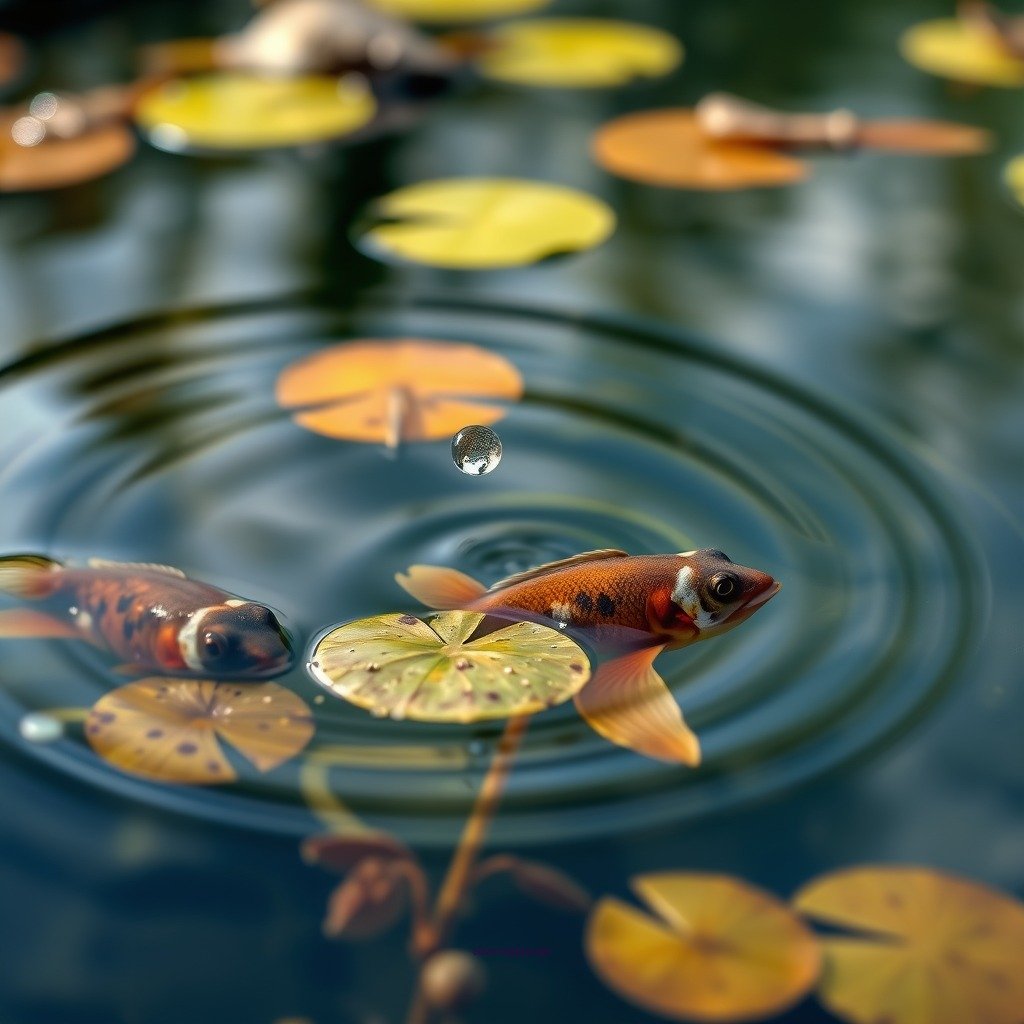
Clear water in a pond is essential for the health of aquatic life, including fish, plants, and beneficial microorganisms. It allows sunlight to penetrate deeper, promoting photosynthesis and supporting the growth of aquatic plants that serve as habitat and food sources for fish. Conversely, murky water can lead to oxygen depletion and harmful algae blooms, negatively impacting fish health and overall water quality.
Common causes of murky pond water include excessive nutrient runoff from fertilizers, organic debris accumulation, and the proliferation of algae. Nutrient overloads, particularly nitrogen and phosphorus, often lead to algae blooms, which can cloud the water and deplete oxygen levels as they decay. Understanding these factors is the first step toward maintaining a clear and vibrant pond.
Algae Control Techniques
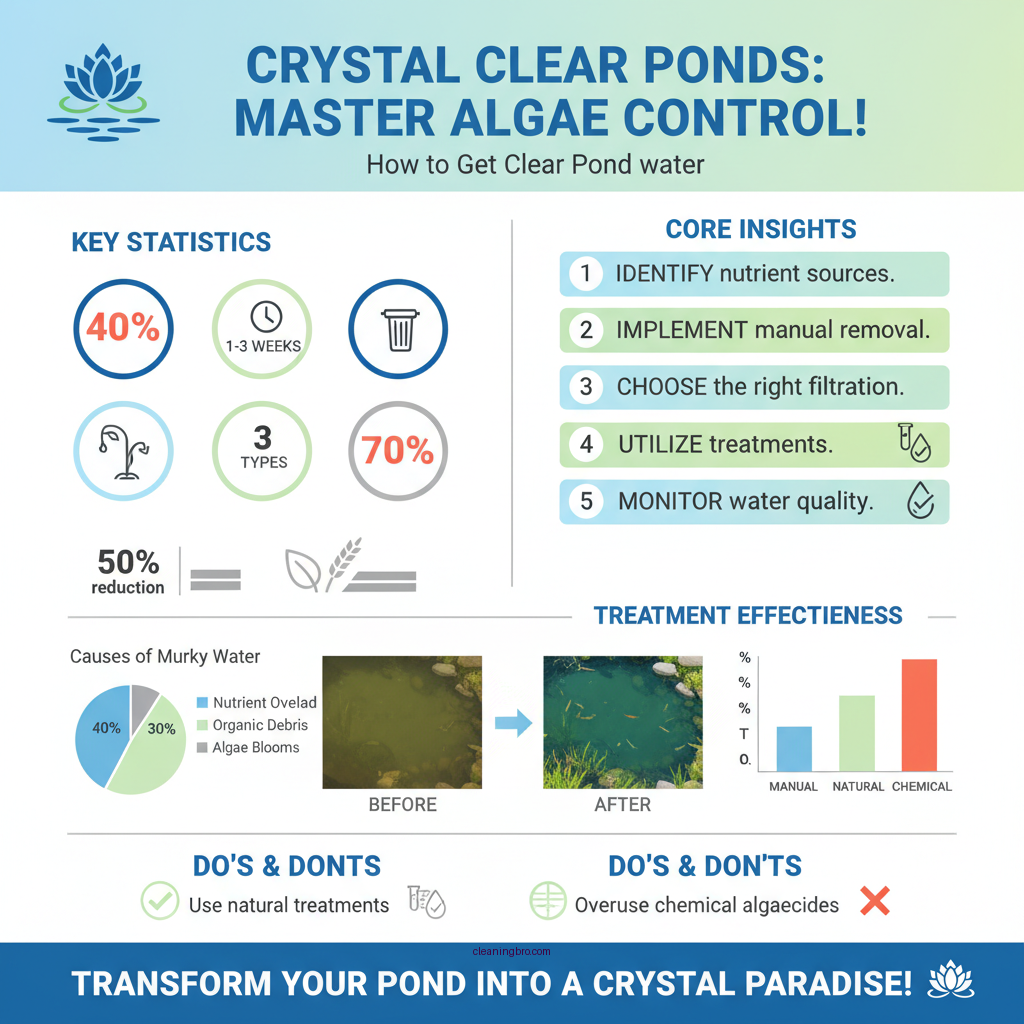
Controlling algae is vital to achieving clear pond water. Here are some effective techniques:
– Manual Removal and Physical Barriers: Physically removing algae using nets or rakes can provide immediate relief from excessive growth. Installing physical barriers, such as floating plants or pond covers, can reduce sunlight exposure, thereby inhibiting algae growth.
– Chemical Treatments and Natural Alternatives: Chemical algaecides can be effective but should be used cautiously to avoid harming other pond life. Natural alternatives, such as barley straw or beneficial bacteria, can help control algae without the risks associated with chemicals. These alternatives work by competing for nutrients or directly inhibiting algae growth.
Filtration Systems and Equipment
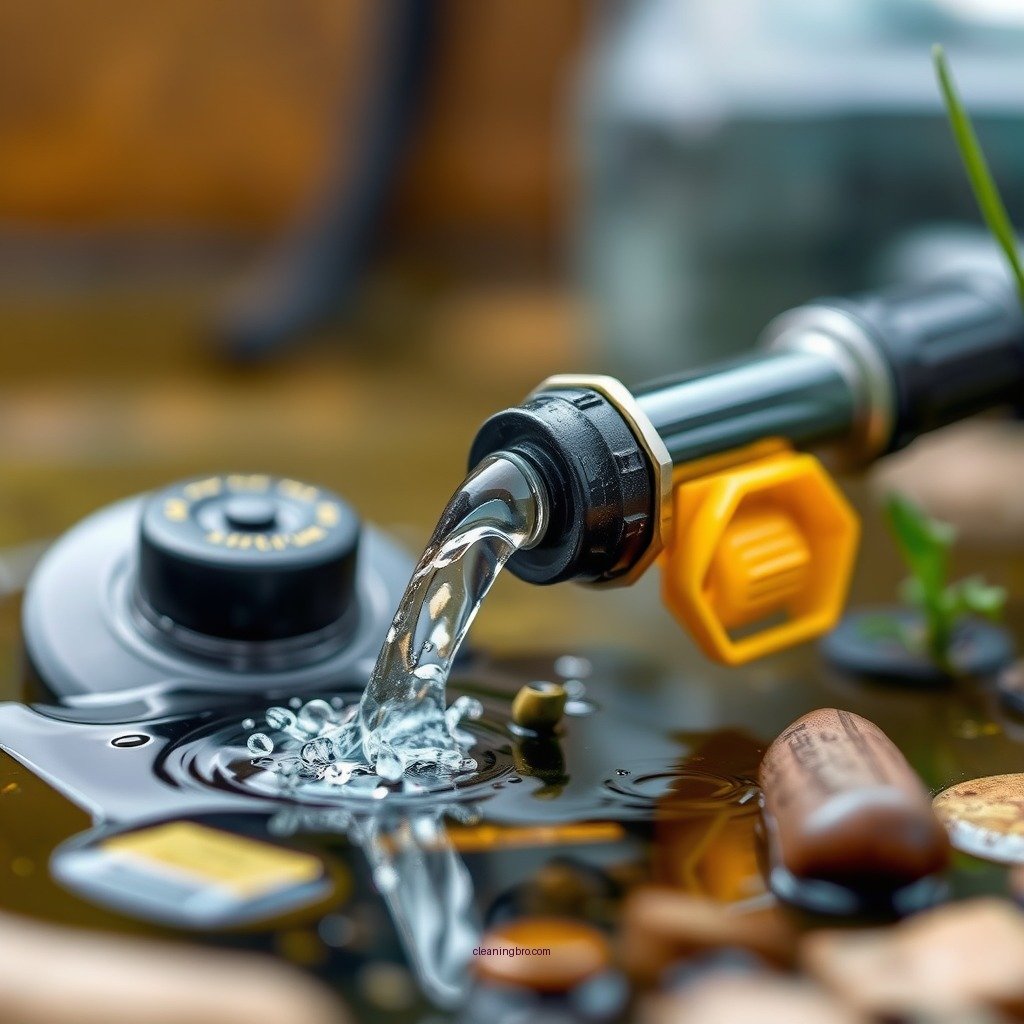
An effective filtration system is crucial for maintaining clear pond water. Here are some suitable types of filters:
– Mechanical Filters: These filters physically remove debris and particulates from the water. They are best for smaller ponds and should be cleaned regularly to maintain efficiency.
– Biological Filters: These systems use beneficial bacteria to break down organic waste and nutrients. Biological filters are essential for maintaining a balanced ecosystem and should be included in any pond maintenance plan.
– UV Clarifiers: These devices use ultraviolet light to kill algae and other microorganisms, resulting in clearer water. They are particularly effective in combating green water caused by suspended algae.
Regular maintenance and upgrades of filtration systems are crucial to ensure they operate at maximum efficiency. Cleaning filters and replacing media as necessary can significantly improve water clarity.Water Quality Management
Regular testing of water quality parameters, such as pH, ammonia, nitrites, and nitrates, is essential for maintaining a healthy pond ecosystem. Ideal pH levels for most ponds range from 6.5 to 8.5. High levels of ammonia and nitrites can be toxic to fish, so testing and regulating these parameters is vital.
One effective way to enhance water quality is to use beneficial bacteria and enzyme treatments. These products can help break down organic waste, reduce nutrient levels, and improve overall water clarity. Regularly adding these treatments can create a more balanced and healthy pond environment.
Seasonal Maintenance Tips
Pond care needs to be adjusted with the changing seasons:
– Spring: Begin with a thorough clean-up, removing debris and any excess organic matter that accumulated during the winter. Introduce beneficial bacteria to jumpstart the biological filtration process.
– Summer: Monitor water temperature and algae growth closely. Implement shading techniques, such as adding floating plants, to reduce sunlight exposure and prevent algae blooms.
– Fall: Conduct a fall clean-up to remove leaves and organic debris that can decompose and lead to nutrient overload. This step is crucial to preparing the pond for winter.
– Winter: If your pond freezes, consider installing a de-icer to maintain an opening in the ice for gas exchange, which is essential for fish survival.
Adding Plants and Wildlife
Incorporating the right aquatic plants can significantly enhance water clarity. Native species such as water lilies, cattails, and reed canary grass not only provide natural beauty but also compete with algae for nutrients, thus helping to keep the water clear.
Additionally, introducing fish species like koi or goldfish can help control algae as they feed on it. However, it’s essential to maintain a balance; overstocking fish can lead to excess waste, which can contribute to murky water.
Long-Term Strategies for Clear Water
Achieving and maintaining clear pond water is not a one-time task but rather a long-term commitment. Regular monitoring and maintenance routines, including checking water quality and cleaning filters, are essential. Creating a balanced ecosystem by combining adequate plant life, wildlife, and proper filtration will foster a self-sustaining environment that naturally supports clear water.
To help you visualize the various methods and products available, the following tables provide insights into the best algae control options, filtration systems, and their features.
Top 7 Pond Algae Control Methods (2023)
| # | Method | Effectiveness | Safety | Cost |
|---|---|---|---|---|
| 1 | Manual Removal | Moderate | Safe | Low |
| 2 | Barley Straw | High | Safe | Moderate |
| 3 | Beneficial Bacteria | Very High | Safe | Moderate |
| 4 | UV Clarifiers | Very High | Safe | High |
| 5 | Algaecides | High | Risky | High |
| 6 | Floating Plants | Moderate | Safe | Low |
| 7 | Sediment Removal | High | Safe | Moderate |
Top Pond Filtration Systems: Comparison
| Feature | ⭐ Biological Filter | Mechanical Filter | UV Clarifier |
|---|---|---|---|
| Price | $100 – $300 | $50 – $200 | $150 – $500 |
| Maintenance Frequency | Weekly | Weekly | Monthly |
| Effectiveness | ✅ Best for clarity | ✅ Good for debris | ✅ Excellent for algae |
| Power Consumption | Low | Moderate | High |
| Installation Difficulty | Moderate | Easy | Moderate |
| Lifespan | 5 – 10 years | 3 – 5 years | 5 – 8 years |
| Suitable Pond Size | Any | Small to Medium | Any |
| Portability | Low | High | Moderate |
| Warranty | 1 year | 1 year | 2 years |
| 🏆 Best For | Balanced ecosystem | Debris management | Algae control |
Maintaining clear pond water requires ongoing effort, but by following these strategies, you can achieve a beautiful and healthy water feature. Start implementing these tips today to enjoy a vibrant, clear pond year-round!
Frequently Asked Questions
What are the best methods to clear murky pond water?
To clear murky pond water, consider using a combination of natural and mechanical methods. Adding beneficial bacteria can help break down organic matter, while using a pond filter can physically remove debris. Additionally, introducing aquatic plants can improve water clarity by absorbing excess nutrients.
How do I reduce algae growth in my pond to improve water clarity?
To reduce algae growth in your pond, limit nutrient input by controlling runoff and avoiding over-fertilization of nearby gardens. Introduce aquatic plants that compete for nutrients and shade the water, which can inhibit algae growth. Regularly removing debris and using algaecides can also help maintain clear water.
Why is my pond water green, and how can I fix it?
Green pond water is often caused by excessive algae growth due to high nutrient levels, particularly nitrogen and phosphorus. To fix this issue, test the water for nutrient levels and implement strategies such as adding plants, using a UV clarifier, or adjusting fish feeding practices to reduce excess nutrients.
Which pond filters are most effective for keeping pond water clear?
The most effective pond filters for keeping water clear include biological filters, mechanical filters, and UV sterilizers. Biological filters promote beneficial bacteria growth, while mechanical filters remove debris. UV sterilizers eliminate harmful microorganisms and suspended algae, ensuring clean and clear water.
How can I prevent my pond water from becoming cloudy after heavy rains?
To prevent your pond water from becoming cloudy after heavy rains, create a buffer zone with vegetation around the pond to absorb excess runoff and sediment. Installing a sediment trap can also help capture particles before they enter the pond. Regular maintenance, including removing debris and monitoring nutrient levels, is key to maintaining clarity.
References
- Water Management | Natural Resources Conservation Service
https://www.nrcs.usda.gov/wps/portal/nrcs/main/national/water/manage/ - https://www.epa.gov/nutrientpollution/what-nutrient-pollution
https://www.epa.gov/nutrientpollution/what-nutrient-pollution - https://www.extension.purdue.edu/extmedia/FNR/FNR-431-W.pdf
https://www.extension.purdue.edu/extmedia/FNR/FNR-431-W.pdf - https://www.treesearch.fs.fed.us/pubs/35466
https://www.treesearch.fs.fed.us/pubs/35466 - https://www.ncbi.nlm.nih.gov/pmc/articles/PMC4688129/
https://www.ncbi.nlm.nih.gov/pmc/articles/PMC4688129/ - https://www.sciencedirect.com/topics/agricultural-and-biological-sciences/pond-water-quality
https://www.sciencedirect.com/topics/agricultural-and-biological-sciences/pond-water-quality - Pond | body of water | Britannica
https://www.britannica.com/science/pond - Google Scholar Google Scholar
https://scholar.google.com/scholar?q=how+to+get+pond+water+clear - Google Scholar Google Scholar
https://scholar.google.com/scholar?q=pond+water+clarity+management - how to get pond water clear – Search results
https://en.wikipedia.org/wiki/Special:Search?search=how+to+get+pond+water+clear