How to Keep Your Pool Water Clean When the Pump is Broken
Keeping your pool water clean without a working pump can be challenging, but it is possible. To maintain water clarity and hygiene, you can employ several strategies that involve manual cleaning, chemical treatment, and filtration alternatives. In this article, you’ll learn effective methods to keep your pool water safe and inviting until your pump is repaired.
Manual Cleaning Techniques
Skim the Surface
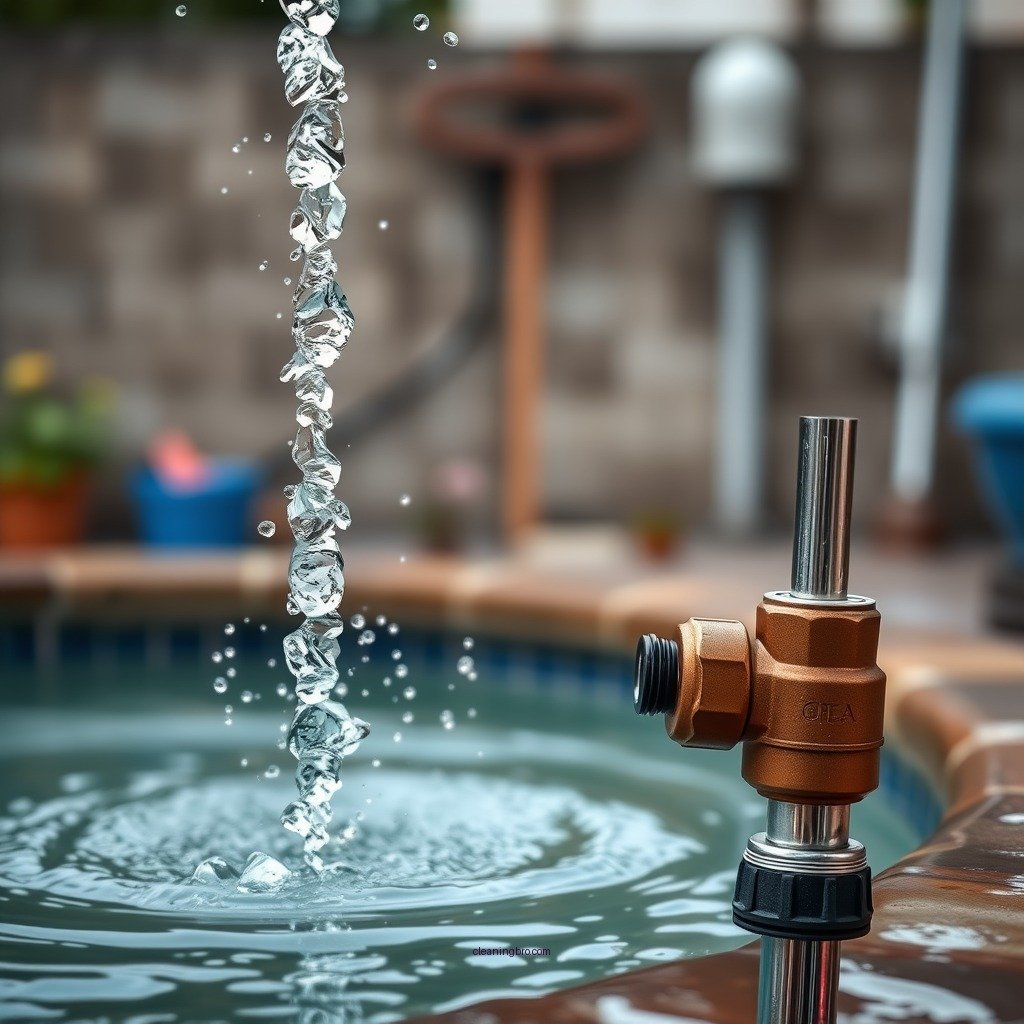
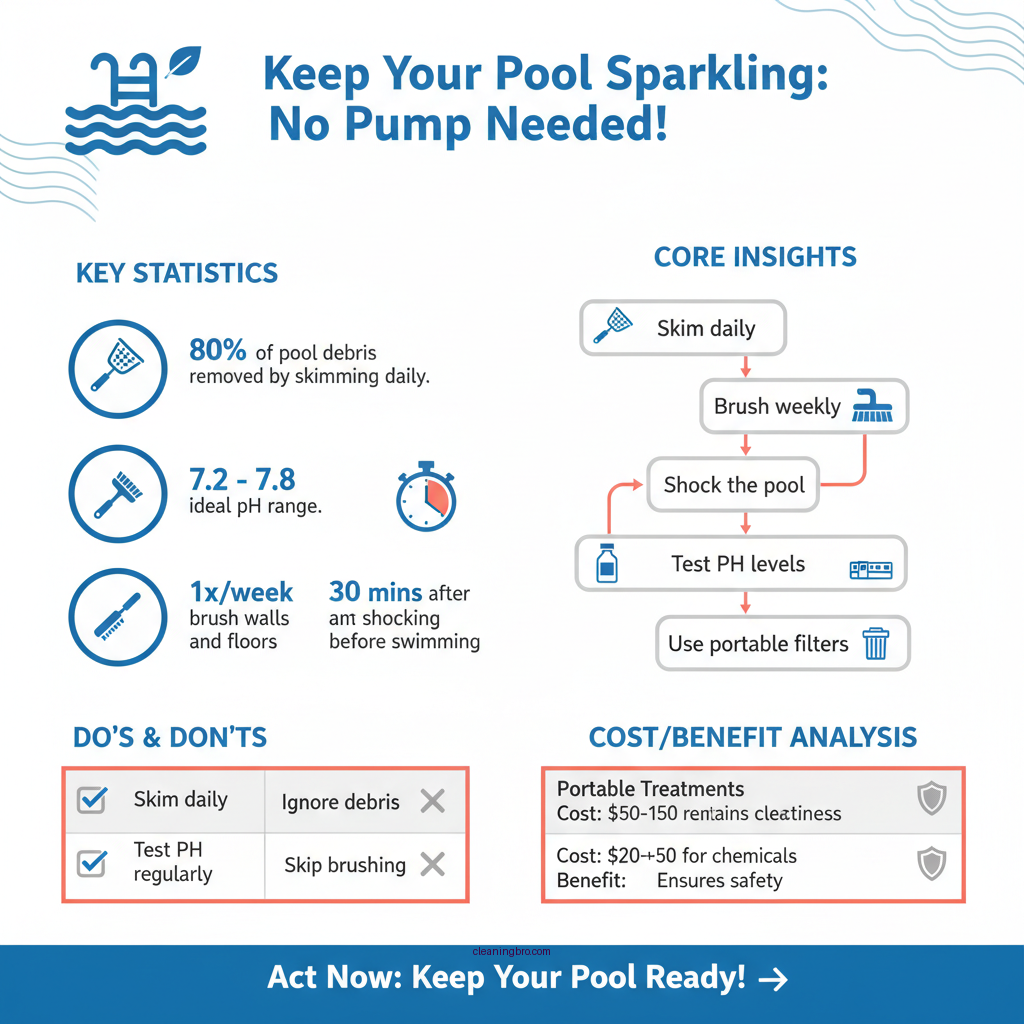
One of the simplest yet most effective methods for maintaining pool water cleanliness is to regularly skim the surface. Use a pool skimmer, which is a net attached to a long pole, to remove leaves, debris, and insects from the surface daily. This not only helps in keeping the water clear but also prevents organic material from sinking to the bottom and decomposing, which can lead to algae growth and cloudy water.
Brush the Walls and Floor
In addition to skimming, brushing the walls and floor of your pool is crucial to remove any algae or dirt that may have settled. Use a pool brush with sturdy bristles that can reach all surfaces, including corners and steps. Brushing should be done at least once a week, but more frequently is advisable if you notice any greenish tint or slime forming. This proactive cleaning helps prevent algae buildup and maintains the pool’s overall cleanliness.
Chemical Treatments
Shock the Pool
When your pump is broken, maintaining proper chemical balance becomes even more critical. One effective strategy is to shock the pool by adding a concentrated dose of chlorine or non-chlorine shock. This process raises chlorine levels, effectively killing bacteria and algae. Always follow the manufacturer’s instructions for the correct dosage based on your pool’s size, and ensure to wait for the appropriate time before swimming again.
Maintain pH Balance
Regularly testing and adjusting the pH levels is essential for ensuring that the water remains safe and clean. The ideal pH level for pool water is between 7.2 and 7.8. Use a reliable pool testing kit to monitor pH levels and alkalinity frequently. If the levels are too low, add a pH increaser, and if they are too high, a pH decreaser will help restore balance. Maintaining proper pH not only makes chlorine more effective but also protects pool equipment and enhances bather comfort.
Alternative Filtration Methods
Use a Portable Filter
If your pool pump is broken, consider renting or purchasing a portable pool filter as a temporary solution. Portable filters can help circulate and clean the water, making it easier to maintain clarity until your main pump is repaired. These filters come in various types, including sand and cartridge filters, and can be set up quickly.
Install a Sand Filter
For a more permanent fix until your pump is operational, installing a sand filter can significantly improve water circulation and clarity. Sand filters use a special grade of sand to trap dirt and debris, which can be beneficial for pools with heavy use or those that have accumulated significant dirt. While this may require some initial investment and installation effort, it can be a practical solution to maintain pool hygiene.
Covering the Pool
Use a Pool Cover
When your pool is not in use, covering it with a high-quality pool cover can help keep debris out and reduce evaporation. Covers also help maintain water temperature and lessen chemical loss due to sunlight. A solid cover is typically more effective than a mesh cover in keeping debris out, but either option will significantly reduce the amount of cleaning you need to do.
Limit Pool Usage
Encouraging minimal use of the pool can help reduce contamination from bathers. Consider restricting access to the pool until the pump is repaired, particularly if you notice a rapid decline in water quality. Limiting pool usage will minimize the introduction of body oils, lotions, and organic materials, which can complicate cleaning efforts.
Regular Water Testing
Test Water Frequently
Using a pool testing kit, check for chlorine levels, pH, and alkalinity frequently to ensure the water remains balanced. Regular testing allows for timely adjustments, which is especially important when the pump is not functioning. Some testing kits provide results in minutes, making it easy to keep track of water quality.
Adjust Chemicals as Necessary
Based on the results of your water tests, add necessary chemicals to maintain clean water. For instance, if chlorine levels are low, it’s advisable to shock the pool or add granular chlorine. Conversely, if the pH level is too high or too low, use appropriate increasers or decreasers. Consistent monitoring and adjustment are key to maintaining a safe swimming environment.
Seeking Professional Help
Consult a Pool Technician
If the situation becomes overwhelming, consider hiring a pool service to assist in maintaining water quality. A professional technician can provide expert advice and services that may be beyond your capabilities, particularly if you are unfamiliar with pool chemistry or maintenance practices.
Repair the Pump Promptly
Ultimately, the best solution to maintaining your pool’s cleanliness is to schedule repairs for your pool pump as soon as possible. A functional pump is crucial for proper water circulation and filtration, making ongoing maintenance significantly easier. Contact a qualified technician to diagnose the issue and get your pump back online quickly.
Top 7 Pool Maintenance Tips When Pump is Broken
| # | Tip | Effectiveness | Ease of Implementation |
|---|---|---|---|
| 1 | Skim the Surface | High | Easy |
| 2 | Brush the Walls | Medium | Moderate |
| 3 | Shock the Pool | High | Moderate |
| 4 | Maintain pH Balance | High | Easy |
| 5 | Use a Portable Filter | Medium | Moderate |
| 6 | Install a Sand Filter | High | Challenging |
| 7 | Use a Pool Cover | High | Easy |
| 8 | Limit Pool Usage | Medium | Easy |
| 9 | Test Water Frequently | High | Easy |
| 10 | Consult a Pool Technician | Medium | Moderate |
Portable Filter vs Sand Filter vs Professional Service: Full Comparison
| Feature | ⭐ Portable Filter | Sand Filter | Professional Service |
|---|---|---|---|
| Price | $50-$150 | $300-$600 | $100-$300 per visit |
| Installation | ✅ Easy | ✅ Moderate | ❌ No installation needed |
| Effectiveness | ✅ Good | ✅ Excellent | ✅ Optimal |
| Maintenance Frequency | Weekly | Monthly | As needed |
| Chemical Management | Moderate | Low | High |
| Durability | Moderate | High | Variable |
| User-Friendliness | High | Moderate | Low |
| Installation Time | 1 Hour | 2-4 Hours | N/A |
| Cost Over Time | Medium | Low | High |
| 🏆 Best For | Budget-conscious homeowners | Long-term investment | Time-strapped individuals |
Keeping your pool water clean without a functioning pump requires proactive measures and careful monitoring. By employing manual cleaning techniques, utilizing chemical treatments, and possibly seeking professional assistance, you can maintain a clean and safe swimming environment. Don’t forget to prioritize getting your pump repaired to simplify ongoing maintenance.
Frequently Asked Questions
What should I do first if my pool pump is broken and I need to keep the water clean?
If your pool pump is broken, the first step is to stop using the pool until you can address the issue. In the meantime, you can maintain water cleanliness by running a manual vacuum and using a pool skimmer to remove debris. Additionally, consider adding chlorine tablets or shock treatment to help combat algae growth while the pump is out of service.
How can I keep my pool water clean without a functioning pump?
To keep your pool water clean without a functioning pump, regularly skim the surface of the water with a net to remove leaves and debris. You can also use a manual pool vacuum to clean the bottom and sides of the pool. Maintaining proper chemical balance with chlorine and pH levels is crucial, so test the water frequently and add chemicals as needed.
Why is it important to keep pool water clean when the pump is not working?
Keeping pool water clean when the pump is not working is essential to prevent algae growth and bacteria buildup, which can lead to unsafe swimming conditions. Stagnant water can quickly become unbalanced and cloudy, making it more challenging to restore cleanliness once the pump is repaired. Regular maintenance and chemical treatments can help mitigate these risks.
What is the best way to treat pool water without a pump?
The best way to treat pool water without a pump is to manually add chlorine, algaecides, and other necessary chemicals while ensuring proper circulation through manual methods. Additionally, using a floating chlorine dispenser can help maintain chlorine levels. Performing regular maintenance tasks like skimming and vacuuming will also aid in keeping the water clean and clear.
Which chemicals should I use to keep my pool water clean during pump failure?
During pump failure, you should focus on using chlorine shock to quickly disinfect the water and prevent algae growth. Additionally, algaecides can help control any potential algae blooms. It’s also important to regularly check and adjust pH and alkalinity levels with appropriate balancing chemicals to ensure the water remains safe and clean.
References
- https://www.cdc.gov/healthywater/swimming/pools/cleaning.html
https://www.cdc.gov/healthywater/swimming/pools/cleaning.html - https://www.mayoclinic.org/healthy-lifestyle/healthy-home/expert-answers/pool-cleaning/faq-20057980
https://www.mayoclinic.org/healthy-lifestyle/healthy-home/expert-answers/pool-cleaning/faq-20057980 - https://www.epa.gov/pools/pool-water-quality-management
https://www.epa.gov/pools/pool-water-quality-management - https://www.health.ny.gov/environmental/water/drinking/pool.htm
https://www.health.ny.gov/environmental/water/drinking/pool.htm - https://www.sciencedirect.com/topics/agricultural-and-biological-sciences/pool-water-quality
https://www.sciencedirect.com/topics/agricultural-and-biological-sciences/pool-water-quality - https://www.bbc.com/news/health-25116942
https://www.bbc.com/news/health-25116942 - Google Scholar Google Scholar
https://scholar.google.com/scholar?q=pool+pump+broken+how+to+keep+water+clean - Google Scholar Google Scholar
https://scholar.google.com/scholar?q=pool+water+management+without+pump - Google Scholar Google Scholar
https://scholar.google.com/scholar?q=pool+water+cleanliness+maintenance - pool pump broken how to keep water clean – Search results
https://en.wikipedia.org/wiki/Special:Search?search=pool+pump+broken+how+to+keep+water+clean