How to Clean Artificial Grass: A Step-by-Step Guide
Cleaning artificial grass is straightforward and can be accomplished with a few essential steps. Regular maintenance ensures your lawn remains fresh and inviting while extending its lifespan. In this guide, you’ll learn the best methods and tips to keep your artificial grass looking pristine.
Understanding the Basics of Artificial Grass Cleaning

Artificial grass is engineered to tolerate various weather conditions, foot traffic, and outdoor elements, yet it still requires regular cleaning to maintain its aesthetic and functional qualities. Over time, debris such as leaves, twigs, and dirt can accumulate, while pet waste and spills may lead to unpleasant odors or stains. Knowing how to effectively clean artificial grass is crucial to prevent these issues while ensuring the longevity of your lawn.
Using the right tools and cleaning products is essential in this process. Eco-friendly options are recommended as they help maintain a safe environment for children and pets while ensuring that the grass fibers are not damaged. Understanding the cleaning process will allow you to preserve the beauty and functionality of your artificial lawn.
Tools and Materials Needed
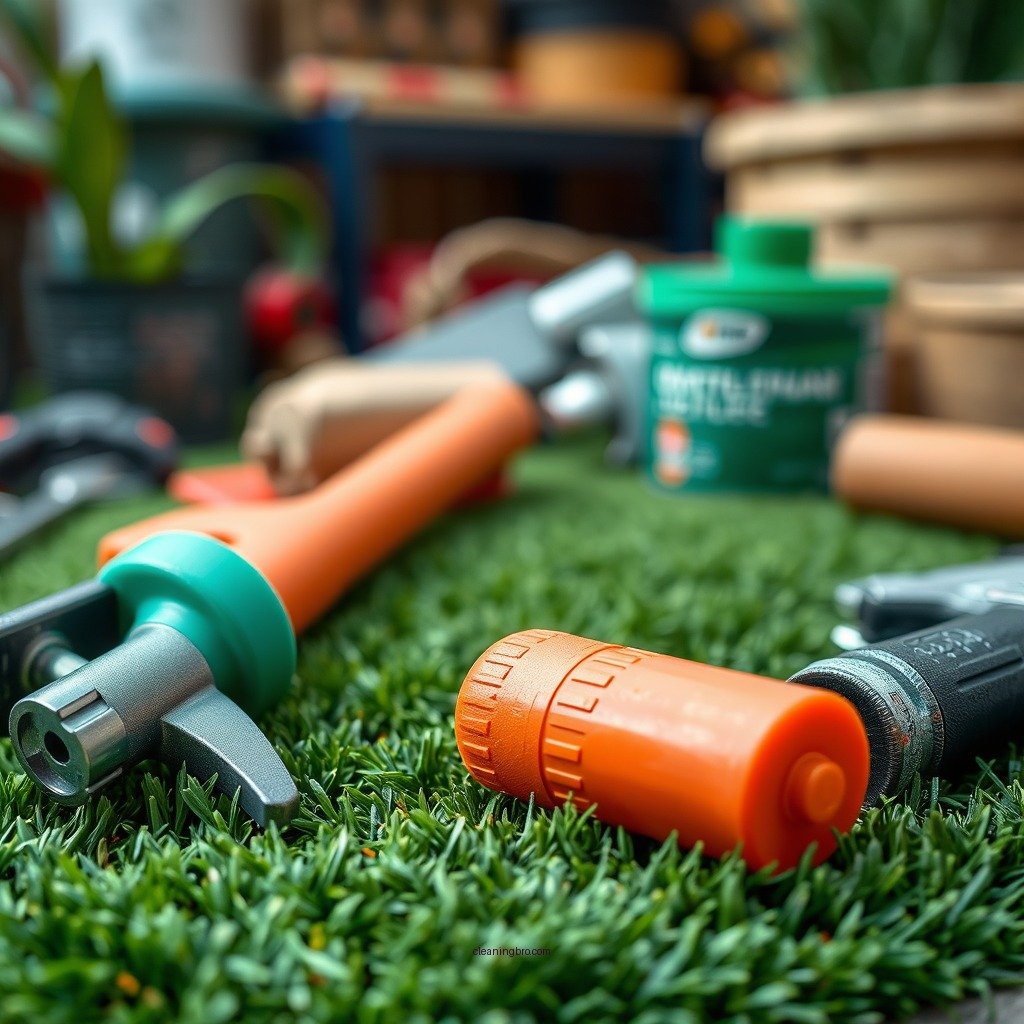
To effectively clean artificial grass, you will need a few basic tools and materials:
– Stiff Broom or Rake: This is essential for removing loose debris, such as leaves and twigs. A stiff broom can also help to brush the grass fibers upright, maintaining a natural appearance.
– Hose with Spray Nozzle: A garden hose equipped with a spray nozzle will allow for efficient rinsing and watering. It’s important to ensure that water can reach all areas of the grass, especially after brushing.
– Eco-Friendly Cleaning Solutions or Mild Detergent: For deeper cleaning, especially in areas with stains or odors, using a mild detergent or an eco-friendly cleaning solution is advisable. Make sure to avoid harsh chemicals that could damage the grass fibers or the environment.
Step-by-Step Cleaning Process
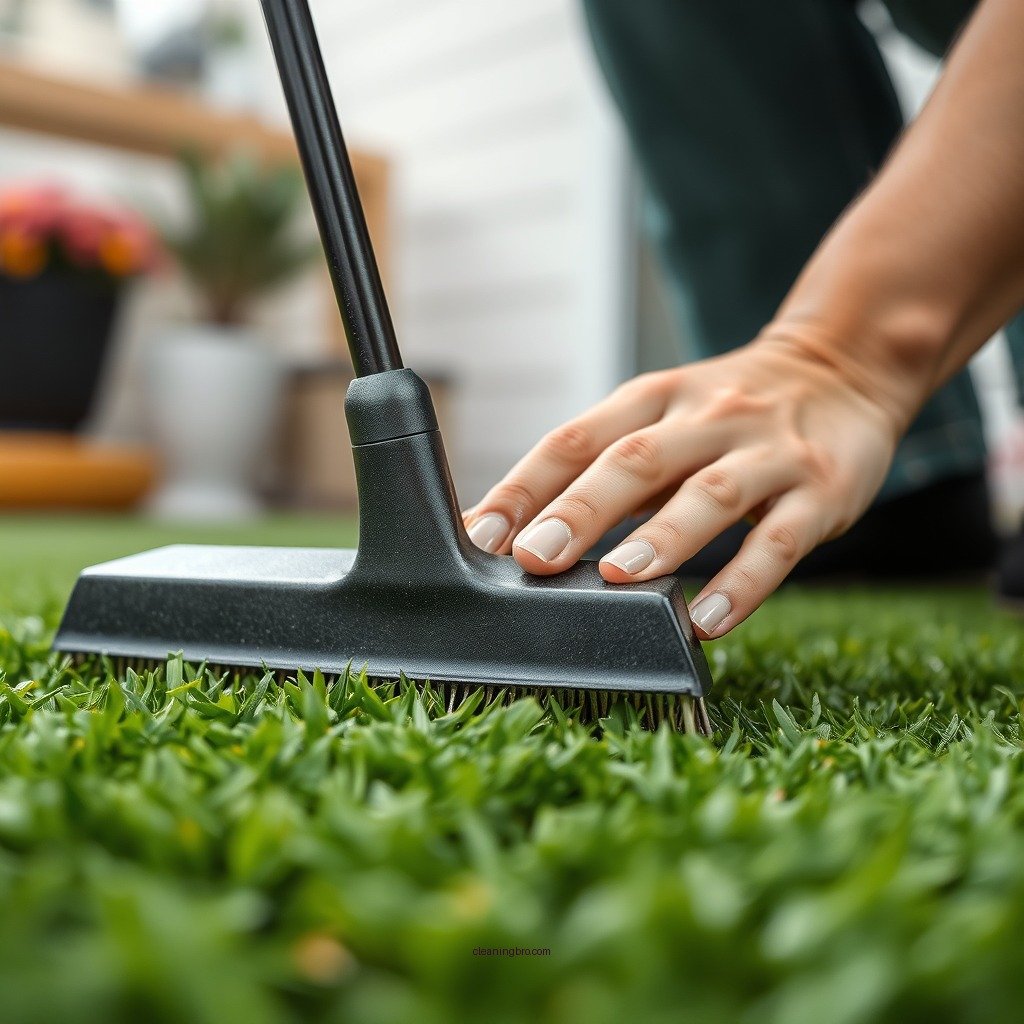
Cleaning artificial grass involves a few straightforward steps:
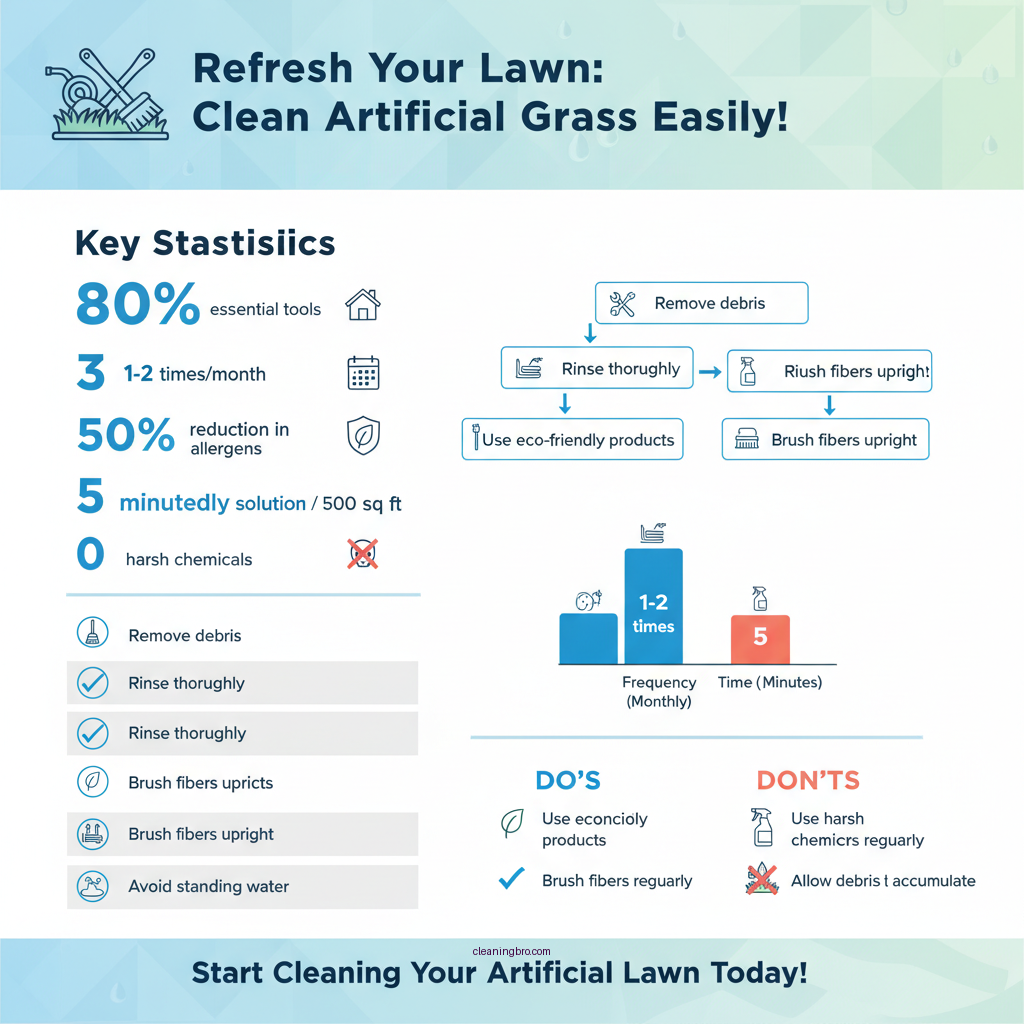
1. Remove Loose Debris: Begin by using a stiff broom or rake to remove any loose debris such as leaves, twigs, and dirt. This initial step is crucial as it prevents dirt from embedding into the grass fibers during rinsing.
2. Rinse the Surface: After clearing debris, use a hose with a spray nozzle to rinse the surface of the artificial grass. This will help wash away any remaining dust and dirt. Make sure to cover all areas evenly. It’s important to avoid creating standing water, which can lead to mold and mildew.
3. Deep Clean When Necessary: If you notice stubborn stains or odors, apply an eco-friendly cleaning solution according to the manufacturer’s instructions. Allow it to sit for a few minutes before rinsing thoroughly to avoid residue buildup.
Spot Cleaning Stains and Odors
Identifying and treating specific stains promptly is essential for maintaining the integrity of your artificial grass. For instance:
– Food and Beverage Spills: Blot the area with a clean cloth and rinse with water. If necessary, apply a mild detergent and rinse thoroughly.
– Pet Waste: For areas where pets have relieved themselves, it’s crucial to clean the area thoroughly. First, pick up solid waste, then rinse the area with water. You may also use a pet-safe enzymatic cleaner to eliminate odors and bacteria effectively.
Timely spot cleaning prevents stains from setting in and ensures a fresh-smelling lawn, making it more enjoyable for family and guests.
Maintaining Your Artificial Grass
Regular maintenance is key to keeping your artificial grass looking fresh:
– Brush Regularly: Brush your artificial lawn weekly to keep the grass fibers upright and looking natural. This will also help prevent matting and maintain the overall appearance of your lawn.
– Schedule Deep Cleanings: Depending on the level of foot traffic and environmental factors, schedule deep cleanings every few months. This may include thorough rinsing and the application of cleaning solutions as needed.
– Inspect for Damage: Regularly check for any signs of damage or wear, such as fraying edges or loose seams. Addressing these issues promptly can prevent further complications.
When to Seek Professional Help
While many cleaning tasks can be performed by homeowners, certain situations may warrant professional assistance:
– Significant Stains or Damage: If your artificial grass has deep-set stains or is showing signs of damage, it might be time to call in professionals. They have specialized equipment and products designed to restore your lawn effectively.
– Time Constraints: If you’re unable to dedicate the time required for a thorough cleaning, hiring a professional service can save you time and ensure that the job is done correctly.
Professional services can provide a deeper clean and often come with guarantees, ensuring your lawn looks its best.
Tips for Long-Term Care
To ensure the longevity and beauty of your artificial grass, consider these tips for long-term care:
– Avoid Harsh Chemicals: Steer clear of strong chemicals that can damage the grass fibers and harm the environment. Always opt for eco-friendly products.
– Monitor the Weather: After heavy rain, it’s a good practice to clean your artificial grass. Excess moisture can lead to the growth of mold and mildew, so rinsing the grass can help prevent this issue.
– Educate Family Members: Make sure everyone in your household understands how to care for the artificial grass, especially regarding pet waste disposal and general maintenance.
By following these guidelines, you can maintain a clean and vibrant artificial lawn that enhances your outdoor space.
Top 7 Artificial Grass Care Tools (2024)
| # | Tool | Primary Use | Eco-Friendly |
|---|---|---|---|
| 1 | Stiff Broom | Debris Removal | ✅ |
| 2 | Garden Hose | Rinsing | ✅ |
| 3 | Pet-Safe Cleaner | Odor Removal | ✅ |
| 4 | Power Washer | Deep Cleaning | ❌ |
| 5 | Leaf Blower | Leaf Removal | ✅ |
| 6 | Weed Barrier | Prevent Weeds | ✅ |
| 7 | Synthetic Grass Infill | Stability | ✅ |
Best Tools for Cleaning Artificial Grass: Stiff Broom vs. Leaf Blower vs. Power Washer
| Feature | ⭐ Stiff Broom | Leaf Blower | Power Washer |
|---|---|---|---|
| Debris Removal | ✅ Efficient | ✅ Good | ❌ Not suitable |
| Cleaning Frequency | Weekly | Occasional | Deep Cleaning |
| Eco-Friendly | ✅ Yes | ✅ Yes | ❌ No |
| Versatility | Limited | High | Limited |
| Ease of Use | ✅ Simple | ✅ Easy | ❌ Complex |
| Cleaning Method | Physical | Air | Water |
| Cost | $$ | $$$ | $ |
| Availability | Widely Available | Available | Limited |
| Safety | Safe | Safe | Caution |
| 🏆 Best For | Regular Maintenance | Quick Debris Removal | Deep Cleaning |
Cleaning artificial grass is a simple task that, when done regularly, ensures your lawn stays beautiful and functional. By following the outlined steps and tips, you can enjoy a clean, vibrant outdoor space. For the best results, consider establishing a regular maintenance schedule and don’t hesitate to reach out for professional assistance if needed. Proper care not only preserves the aesthetic appeal of your lawn but also enhances its durability, allowing you to enjoy your outdoor space for years to come.
Frequently Asked Questions
What is the best way to clean artificial grass?
The best way to clean artificial grass is to regularly remove debris such as leaves and twigs using a leaf blower or a plastic rake. For deeper cleaning, use a mixture of water and mild soap or a specialized artificial grass cleaner, applying it with a soft brush to avoid damaging the fibers.
How often should I clean my artificial grass?
It is recommended to clean your artificial grass every 4 to 6 weeks, depending on usage and environmental factors. High-traffic areas may require more frequent cleaning, while lighter use can extend the time between cleanings, ensuring your artificial turf stays fresh and free of debris.
Why is it important to clean artificial grass?
Cleaning artificial grass is important to prevent the buildup of dirt, debris, and pet waste, which can lead to odors and bacteria growth. Regular maintenance not only keeps your turf looking its best but also extends its lifespan by preventing damage to the fibers and infill.
Which tools are best for cleaning artificial grass?
The best tools for cleaning artificial grass include a leaf blower or a plastic rake for debris removal, a soft-bristle brush for scrubbing, and a garden hose for rinsing. Additionally, you may want to invest in a turf cleaner specifically designed for artificial grass to tackle stubborn stains or odors effectively.
How do I remove pet waste from artificial grass?
To remove pet waste from artificial grass, begin by picking up solid waste with a plastic bag or scoop. For liquid waste, simply rinse the area with water from a hose to dilute and wash away any residues. For stubborn stains or odors, use a specialized enzyme cleaner that is safe for artificial turf.
References
- 3 Ways to Clean Artificial Grass – wikiHow
https://www.wikihow.com/Clean-Artificial-Grass - https://www.sciencedirect.com/science/article/pii/S2211464519300150
https://www.sciencedirect.com/science/article/pii/S2211464519300150 - https://www.britannica.com/topic/artificial-grass
https://www.britannica.com/topic/artificial-grass - https://www.nature.com/articles/s41598-021-92657-z
https://www.nature.com/articles/s41598-021-92657-z - https://pubmed.ncbi.nlm.nih.gov/26010019/
https://pubmed.ncbi.nlm.nih.gov/26010019/ - Google Scholar Google Scholar
https://scholar.google.com/scholar?q=cleaning+artificial+grass - Google Scholar Google Scholar
https://scholar.google.com/scholar?q=artificial+grass+maintenance - https://www.researchgate.net/publication/325212132_Care_and_Maintenance_of_Artificial_Grass_Surfaces
https://www.researchgate.net/publication/325212132_Care_and_Maintenance_of_Artificial_Grass_Surfaces - https://www.cdc.gov/healthywater/hygiene/cleaning/cleaning_artificial_grass.html
https://www.cdc.gov/healthywater/hygiene/cleaning/cleaning_artificial_grass.html - Google Scholar Google Scholar
https://scholar.google.com/scholar?q=how+clean+artificial+grass