How to Clean Artificial Grass: A Step-by-Step Guide
Cleaning artificial grass is straightforward and requires minimal effort. To keep your synthetic lawn looking fresh and vibrant, regularly remove debris, rinse it with water, and occasionally use a specialized cleaner. This guide will walk you through the essential steps to maintain your artificial grass effectively, ensuring it remains an attractive feature of your home or garden.
Understanding the Importance of Cleaning Artificial Grass
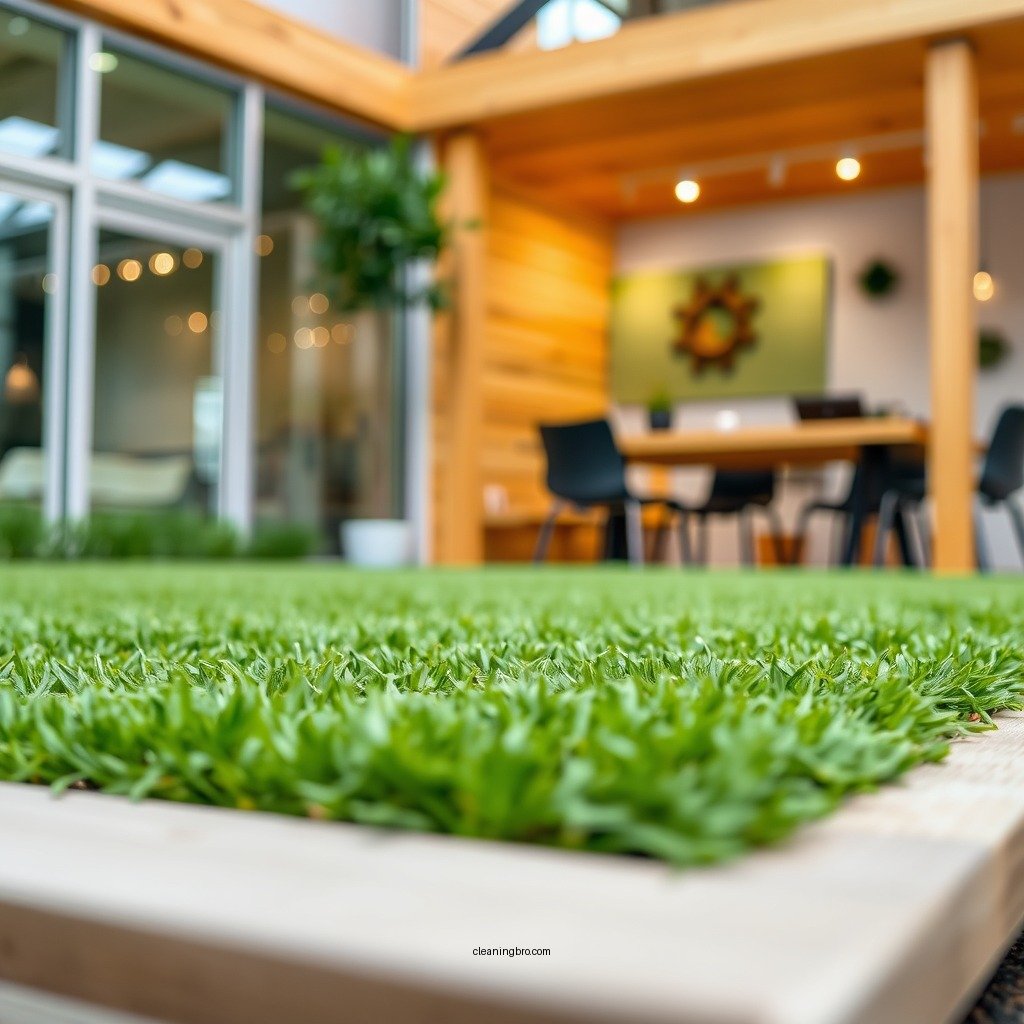
Regular cleaning enhances the lifespan of your artificial turf, which can be a significant investment for homeowners. Over time, dirt, leaves, and other debris accumulate on the surface, leading to a dull appearance and potentially harboring bacteria. By maintaining a clean lawn, you not only preserve its aesthetic appeal but also prevent the growth of mold and mildew, which can occur in damp conditions. Additionally, cleaning removes organic matter that can emit unpleasant odors, especially in pet-friendly environments. Thus, a consistent cleaning routine is vital for both appearance and hygiene.
Tools and Supplies You’ll Need
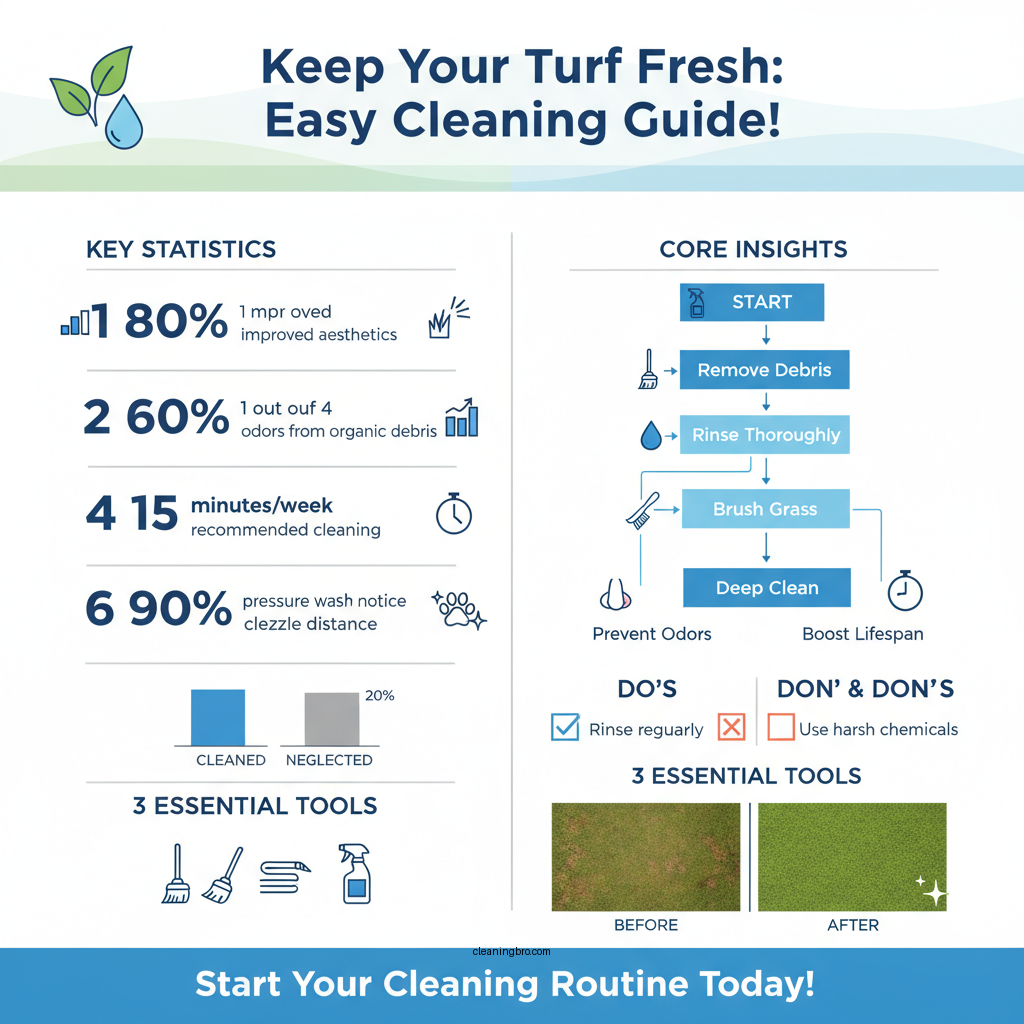
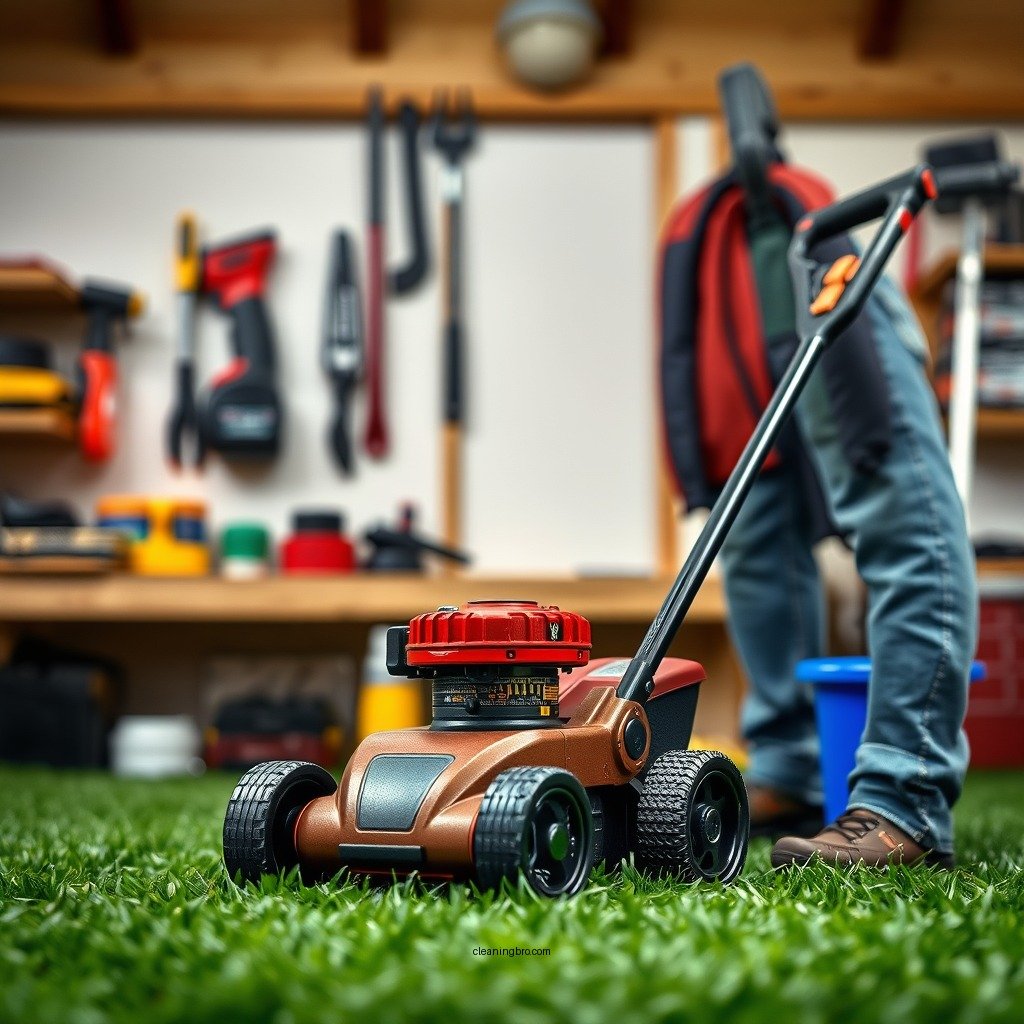
To effectively clean your artificial grass, you’ll need the following tools and supplies:
– Stiff Broom or Brush: A stiff broom or brush will help you remove debris and fluff up the grass blades.
– Garden Hose or Pressure Washer: A garden hose with a spray nozzle is sufficient for regular rinsing, while a pressure washer can be useful for more thorough cleanings.
– Specialized Artificial Grass Cleaner: While not always necessary, a specialized cleaner can help tackle stubborn stains and odors, especially if you have pets.
By having these tools on hand, you can streamline the cleaning process and ensure that your artificial grass is always in top condition.
Step-by-Step Cleaning Process
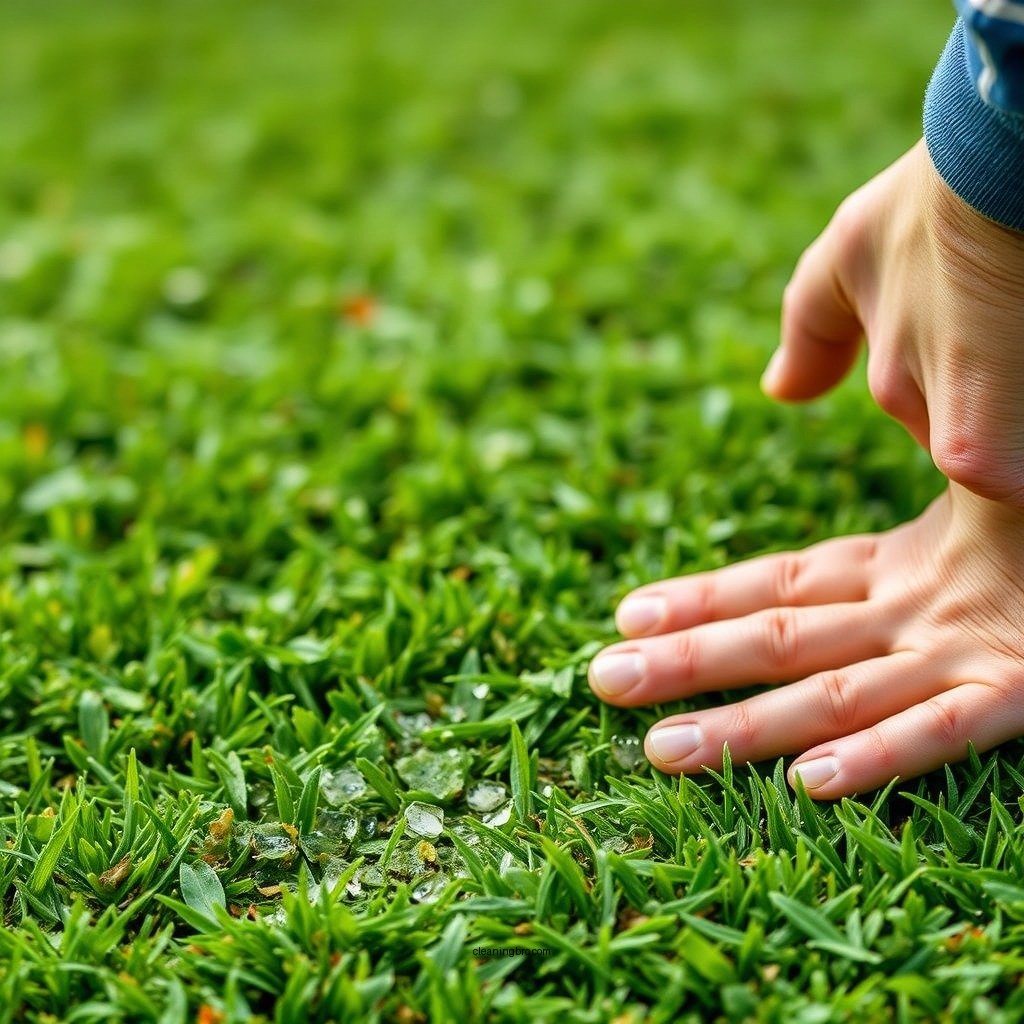
1. Remove Loose Debris: Start by using a broom or leaf blower to clear away leaves, twigs, and other loose debris from the surface of the artificial grass. This step prevents debris from becoming embedded in the fibers.
2. Rinse the Surface: Use a garden hose to rinse the grass thoroughly. This will help remove dust, dirt, and any residual debris. If you’re using a pressure washer, keep the nozzle at least 12 inches away from the surface to avoid damaging the turf.
3. Brush the Grass: After rinsing, use a stiff broom or brush to brush the grass blades upright. This helps maintain their appearance and prevents matting over time.
4. Deep Clean: Occasionally, you may want to use a specialized cleaner. Apply it according to the manufacturer’s instructions, ensuring that it is suitable for use on artificial grass.
Top 7 Artificial Grass Cleaning Products (2024)
| # | Product | Size | Effectiveness | Odor Control |
|---|---|---|---|---|
| 1 | Artificial Grass Cleaner Pro | 32 oz | ★ ★ ★ ★ ★ | Excellent |
| 2 | Eco-Friendly Turf Cleaner | 1 Gallon | ★ ★ ★ ★ | Good |
| 3 | Pet Odor Eliminator | 24 oz | ★ ★ ★ ★ | Very Good |
| 4 | Turf Tidy Cleaner | 16 oz | ★ ★ ★ ★ | Good |
| 5 | Artificial Grass Deodorizer | 32 oz | ★ ★ ★ ★ ★ | Excellent |
| 6 | Pro Turf Cleaner | 1 Gallon | ★ ★ ★ ★ | Very Good |
| 7 | Grass Refresh Cleaner | 32 oz | ★ ★ ★ ★ | Good |
Dealing with Stains and Odors
Stains and odors can arise from various sources, including food spills, pet waste, and organic debris. For pet stains, a simple and effective solution is to use a mixture of equal parts water and vinegar. This natural remedy neutralizes odors while cleaning the surface.
For more stubborn stains, it may be necessary to apply a specialized cleaner designed for artificial grass. Always follow the manufacturer’s instructions to ensure safe and effective use. Additionally, regular rinsing after any incident can help prevent odors from settling in.
Maintenance Tips for Long-Lasting Results
To ensure your artificial grass remains in optimal condition for years to come, consider the following maintenance tips:
– Regular Brushing: Brush the grass at least once a month to keep the blades upright and prevent matting. This practice not only enhances appearance but also helps maintain proper drainage.
– Scheduled Deep Cleaning: Depending on the usage and environmental conditions, a deep clean every few months is advisable. This includes a thorough rinse and the use of a specialized cleaner.
– Debris Removal: Make it a habit to remove leaves, twigs, and other debris regularly, especially after storms or windy days. This not only keeps the lawn looking neat but also prevents organic matter from decomposing and causing odors.
Seasonal Considerations for Cleaning
Cleaning frequency should vary with the seasons. During high-traffic seasons, such as summer when families spend more time outdoors, it’s wise to clean more frequently.In the fall, be proactive by clearing leaves and other debris to avoid mold growth. Additionally, in winter, ensure that snow and ice are removed promptly to prevent damage to the turf fibers.
Understanding seasonal impacts allows you to tailor your cleaning schedule for optimal results.
Troubleshooting Common Issues
Even with regular maintenance, you may encounter common issues with artificial grass. Here are some solutions:
– Matting: If the grass appears matted down, use a stiff broom to brush against the grain of the grass. This will help lift the blades and restore their upright position.
– Weeds: While artificial grass is designed to minimize weed growth, some may sprout through seams or edges. It’s essential to remove these by hand or use a weed killer that is safe for artificial surfaces.
– Fading: Prolonged exposure to sunlight can cause fading. Although many artificial grass products are UV resistant, consider using a UV protector if fading becomes noticeable.
Artificial Grass Maintenance Products Comparison
| Feature | ⭐ Artificial Grass Cleaner Pro | Eco-Friendly Turf Cleaner | Pet Odor Eliminator |
|---|---|---|---|
| Price | $19.99 | $25.99 | $14.99 |
| Size | 32 oz | 1 Gallon | 24 oz |
| Effectiveness | ✅ Best-in-class | ✅ Good | ✅ Very Good |
| Odor Control | Excellent | Good | Very Good |
| Eco-Friendly | ❌ No | ✅ Yes | ✅ Yes |
| Stain Removal | ✅ Excellent | ✅ Good | ✅ Fair |
| Surface Safe | ✅ Yes | ✅ Yes | ✅ Yes |
| Pet Safe | ✅ Yes | ✅ Yes | ✅ Yes |
| Ease of Use | ✅ Simple | ✅ Simple | ✅ Moderate |
| 🏆 Best For | General Use | Eco-conscious Users | Pet Owners |
Summarizing the steps to clean artificial grass ensures it remains an attractive feature for your home or garden. Regular maintenance not only enhances its appearance but also prolongs its lifespan. Follow these cleaning tips, and don’t hesitate to reach out for professional help when needed. Start your cleaning routine today to enjoy a beautiful, hassle-free lawn!
Frequently Asked Questions
What are the best tools to use for cleaning artificial grass?
The best tools for cleaning artificial grass include a stiff-bristled broom, a leaf blower, and a garden hose with a spray nozzle. A specialized artificial grass rake can also help remove debris and keep the grass fibers standing upright. Using these tools regularly will maintain the appearance and longevity of your synthetic turf.
How often should I clean my artificial grass?
It’s recommended to clean your artificial grass at least once a month, but this can vary based on usage and environmental factors. Areas that receive heavy foot traffic or are exposed to pets may require more frequent cleaning. Regular maintenance helps prevent the buildup of dirt, debris, and odors, ensuring your artificial lawn stays fresh and inviting.
Why is it important to clean artificial grass?
Cleaning artificial grass is crucial to prevent the accumulation of dirt, pet waste, and organic debris, which can lead to unpleasant odors and attract pests. Regular cleaning not only enhances the aesthetic appeal of your lawn but also extends its lifespan by preventing damage to the fibers. Keeping your artificial grass clean ensures a safe and enjoyable space for family and pets.
How do I remove pet waste from artificial grass?
To remove pet waste from artificial grass, start by picking up solid waste with a plastic bag or pooper-scooper. For liquid waste, simply rinse the affected area with a garden hose to dilute and wash away any residue. It’s also beneficial to use an enzymatic cleaner designed for artificial grass to eliminate odors and bacteria effectively.
Which cleaning solutions are safe for artificial grass?
Safe cleaning solutions for artificial grass include mild dish soap mixed with water, white vinegar, or specialized turf cleaning products. Avoid harsh chemicals or bleach, as they can damage the grass fibers and affect their color. Always test a small area first to ensure compatibility with your specific type of synthetic turf.
References
- 3 Ways to Clean Artificial Grass – wikiHow
https://www.wikihow.com/Clean-Artificial-Grass - https://www.britannica.com/summary/Cleaning-Artificial-Grass
https://www.britannica.com/summary/Cleaning-Artificial-Grass - https://www.ncbi.nlm.nih.gov/pmc/articles/PMC4013377/
https://www.ncbi.nlm.nih.gov/pmc/articles/PMC4013377/ - https://www.sciencedirect.com/topics/agricultural-and-biological-sciences/artificial-grass
https://www.sciencedirect.com/topics/agricultural-and-biological-sciences/artificial-grass - https://www.hgtv.com/how-to/how-to-clean-artificial-grass
https://www.hgtv.com/how-to/how-to-clean-artificial-grass - https://www.bbc.com/future/article/20200519-how-to-clean-your-artificial-grass
https://www.bbc.com/future/article/20200519-how-to-clean-your-artificial-grass - https://www.abc.net.au/life/how-to-clean-artificial-grass/12084016
https://www.abc.net.au/life/how-to-clean-artificial-grass/12084016 - Google Scholar Google Scholar
https://scholar.google.com/scholar?q=how+to+clean+artificial+grass - Google Scholar Google Scholar
https://scholar.google.com/scholar?q=artificial+grass+maintenance - Google Scholar Google Scholar
https://scholar.google.com/scholar?q=cleaning+synthetic+turf