How to Clean Galvanized Metal: Effective Techniques
Cleaning galvanized metal is a straightforward process that preserves its appearance and prevents rust. The primary method involves using gentle techniques that protect the zinc coating, which is crucial for preventing corrosion. In this article, you will discover the best practices for cleaning galvanized metal surfaces effectively, ensuring they remain in excellent condition and last for years.
Understanding Galvanized Metal
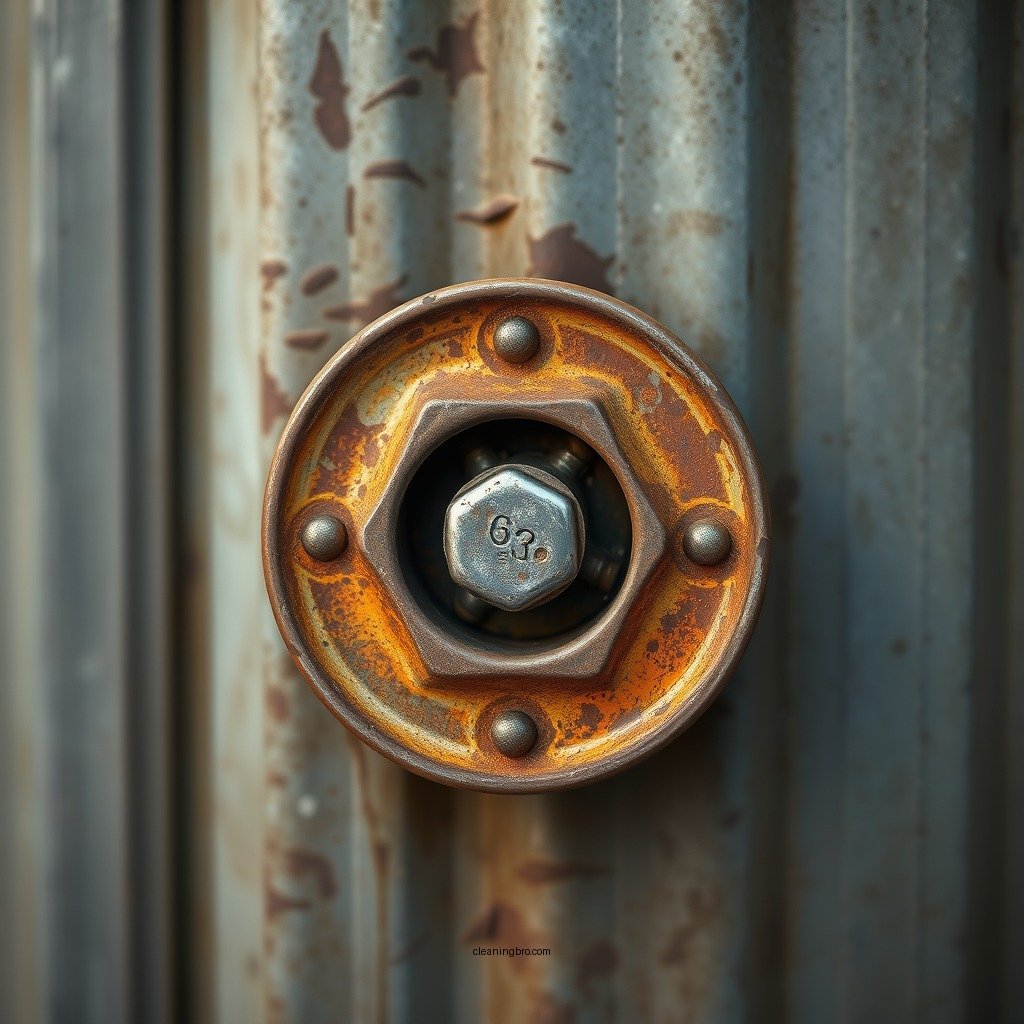
Galvanized metal is a type of steel that has been coated with a layer of zinc to protect it from rust and corrosion. This process, known as galvanization, not only enhances the metal’s durability but also increases its lifespan, making it ideal for various applications. Galvanized metal is commonly used in outdoor settings, such as fences, roofs, outdoor furniture, and agricultural equipment, where exposure to moisture and the elements can lead to rust. Understanding the properties of galvanized metal is essential for maintaining its integrity and appearance over time.
Basic Cleaning Methods
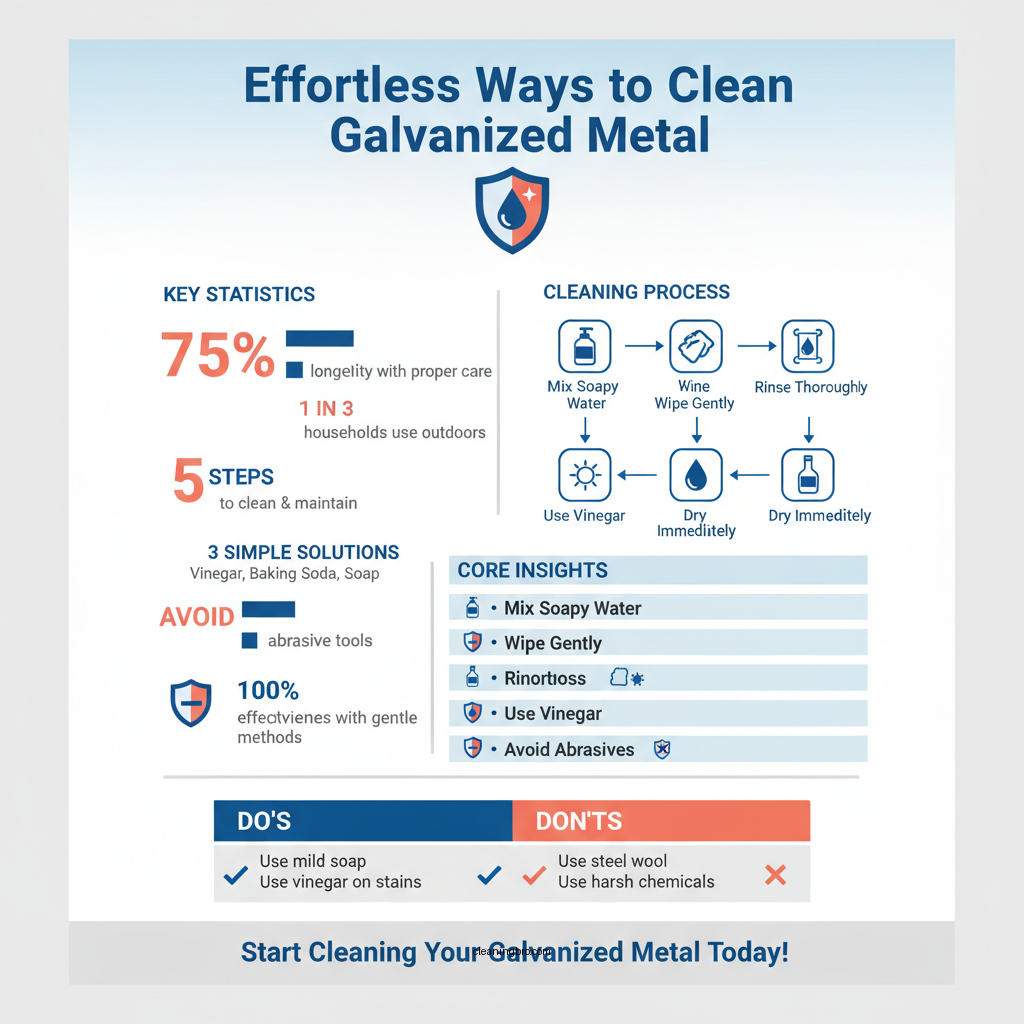
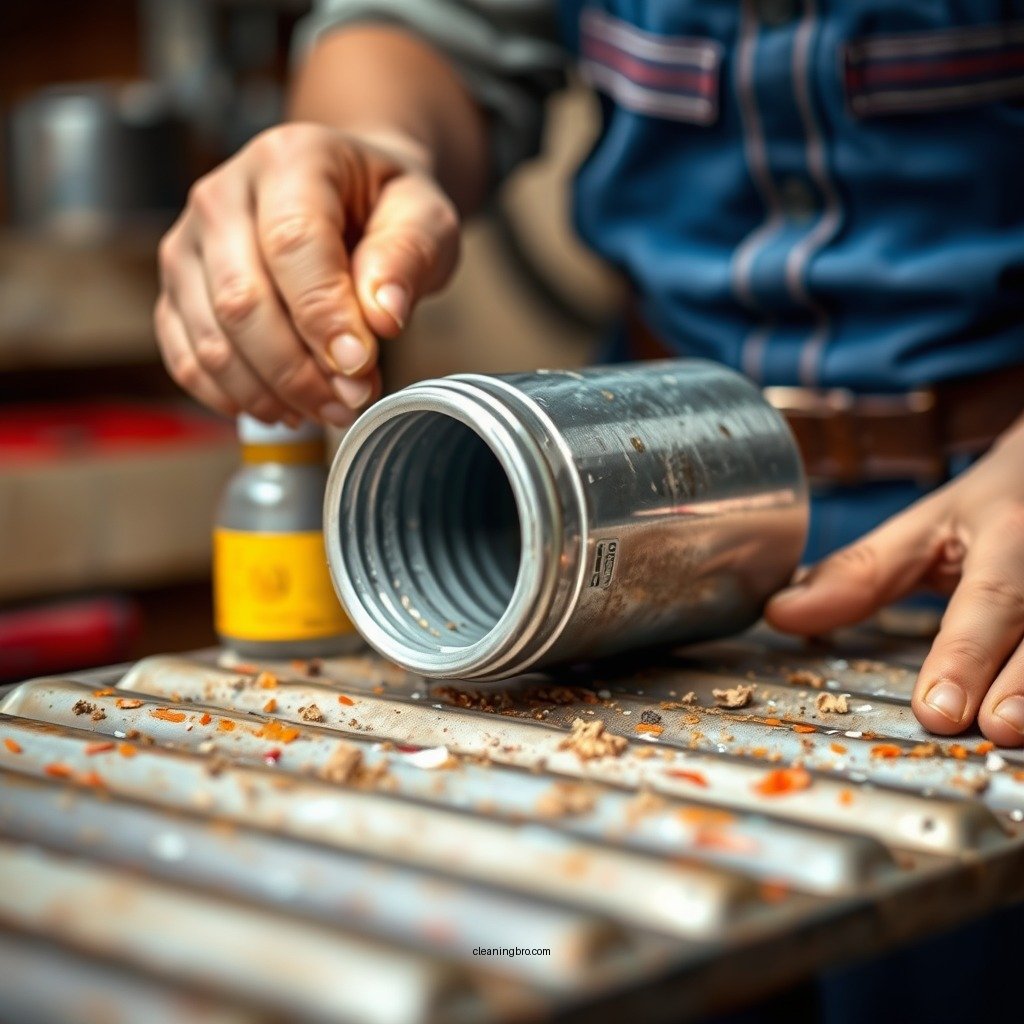
When it comes to cleaning galvanized metal, the best approach is to use simple and gentle methods. For routine cleaning, a mixture of warm water and mild soap is often sufficient. Here’s how to do it effectively:
1. Prepare Soapy Water: Mix a few drops of mild dish soap with warm water.
2. Use a Soft Cloth: Dampen a soft cloth or sponge in the soapy water, ensuring it is not overly wet.
3. Wipe the Surface: Gently wipe the surface of the galvanized metal, removing dirt and grime without scrubbing harshly.
4. Rinse Thoroughly: After cleaning, rinse the surface with clean water to prevent soap residue from attracting dirt.
5. Dry the Surface: Use a clean, dry cloth to wipe the metal dry, which helps prevent water spots.
It is crucial to avoid using abrasive materials such as steel wool, scouring pads, or harsh chemicals, as these can scratch the protective zinc layer and lead to rust formation.
Removing Stains and Grime
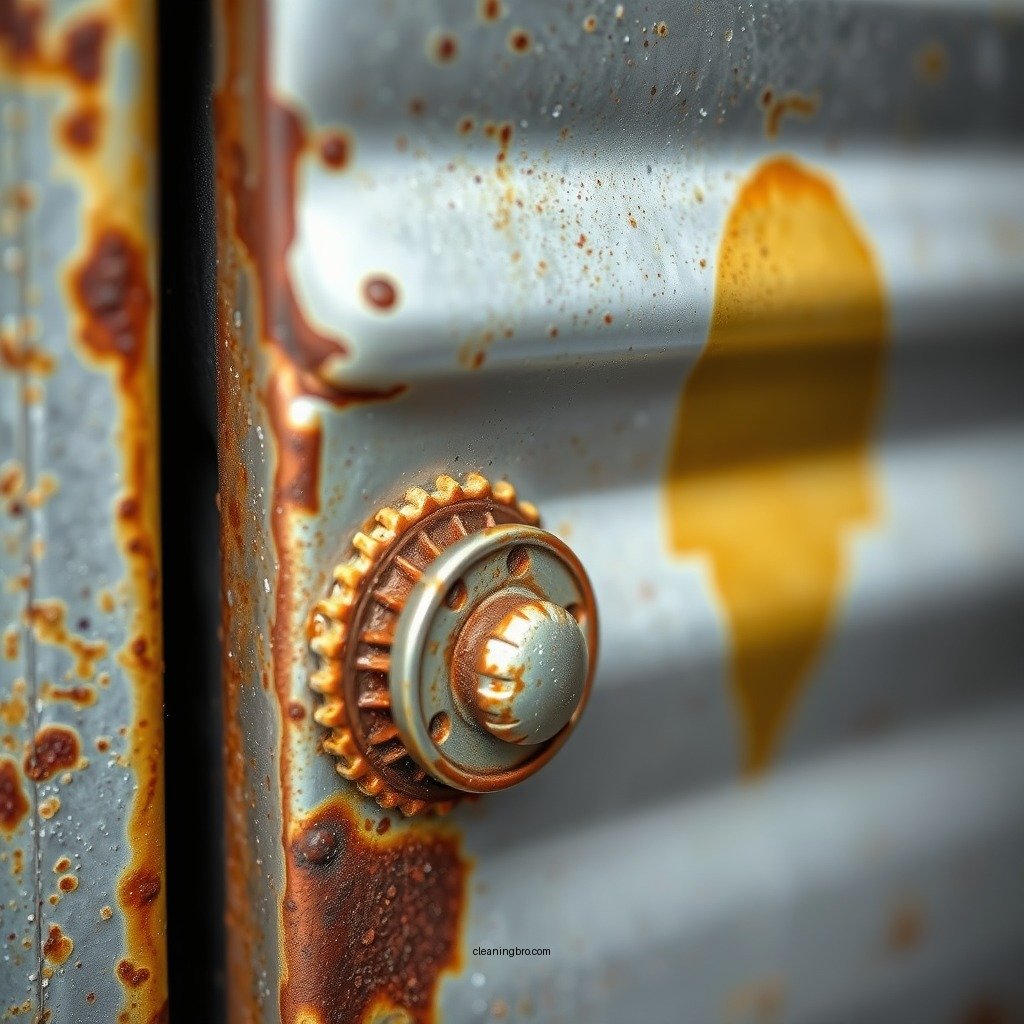
For tougher stains or built-up grime, additional cleaning solutions may be necessary. Two effective methods include using a vinegar-water solution and baking soda paste:
– Vinegar and Water Solution: Mix equal parts of white vinegar and water in a spray bottle. Spray the solution onto the stained area and let it sit for a few minutes. Wipe the area clean with a soft cloth or sponge. The acidity of the vinegar helps break down stubborn stains without damaging the zinc coating.
– Baking Soda Paste: Create a paste by mixing baking soda with a small amount of water. Apply the paste to the stained areas and let it sit for about 10-15 minutes. Then, gently scrub with a soft cloth or sponge before rinsing thoroughly. Baking soda is a mild abrasive that can lift grime without harming the surface.
Common Stains on Galvanized Metal and Cleaning Solutions
| Stain Type | Recommended Cleaning Solution | Effectiveness |
|---|---|---|
| Rust | Vinegar Solution | Moderate |
| Grease | Baking Soda Paste | High |
| Dirt | Soapy Water | High |
| Bird Droppings | Vinegar Solution | High |
| Sap | Soapy Water | Moderate |
| Paint Stains | Vinegar Solution | Moderate |
| Mildew | Baking Soda Paste | High |
Dealing with Rust
Despite the protective zinc coating, galvanized metal can still develop rust over time, especially if it is scratched or exposed to harsh conditions. Here’s how to effectively deal with rust:
– Light Surface Rust Removal: For minor rust spots, use a fine steel wool pad or sandpaper. Gently rub the affected area until the rust is removed, taking care not to damage the zinc layer beneath. Afterward, clean the area as described earlier to remove any residue.
– Severe Rust Treatment: If rust is more extensive, a rust converter can be applied. This chemical treatment converts rust into a stable compound that can then be painted over. After applying the rust converter, allow it to dry completely before repainting the area with a zinc-rich primer and a suitable topcoat.
Protecting Galvanized Metal
Once you have cleaned and treated the galvanized metal, it is essential to protect it to extend its lifespan:
– Apply a Protective Wax or Sealant: After cleaning, consider applying a protective wax or sealant designed for metal surfaces. These products create an additional barrier against moisture and pollutants, helping to maintain the integrity of the zinc coating.
– Regular Maintenance: Establishing a routine maintenance schedule is crucial. Regularly inspect the surfaces for signs of dirt or rust and clean them as needed. This proactive approach can prevent buildup and prolong the life of the metal.
Best Practices for Cleaning Tools
Using the proper tools for cleaning galvanized metal is just as important as the cleaning methods themselves. Here are some best practices:
– Choose Non-Abrasive Materials: Opt for non-abrasive sponges or microfiber cloths to avoid scratching the surface.
– Rinse Tools Thoroughly: After cleaning, rinse your tools thoroughly to eliminate any soap or cleaning product residue. This helps prevent transferring chemicals back onto the metal surface during the next cleaning.
When to Seek Professional Help
In certain situations, it may be beneficial to seek professional assistance:
– Extensive Damage: If the galvanized metal has significant rust or corrosion that you cannot manage, it’s best to consult a professional who can assess the condition and recommend appropriate remediation.
– Large Structures: For large installations, such as roofs or extensive fencing, hiring a professional cleaning service can save time and ensure that the job is done safely and effectively.
Cleaning galvanized metal is essential for its longevity and appearance. By following these techniques, you can effectively maintain your metal surfaces and prevent issues like rust and corrosion. Implementing these methods will keep your galvanized items looking their best, ensuring they serve their purpose for many years. Regular cleaning, combined with protective measures, can significantly extend the life of your galvanized metal, making it a worthwhile investment.
Frequently Asked Questions
What is the best way to clean galvanized metal surfaces?
The best way to clean galvanized metal surfaces is to use a solution of warm water and mild dish soap. Apply the mixture with a soft cloth or sponge to avoid scratching the surface, and rinse thoroughly with clean water. For tougher stains, a mixture of vinegar and water can be used, but be sure to rinse well afterward to prevent any potential corrosion.
How do you remove rust from galvanized metal?
To remove rust from galvanized metal, start by scrubbing the affected area with a wire brush or sandpaper to eliminate loose rust. Follow this by applying a rust remover or a mixture of vinegar and baking soda, letting it sit for a few minutes before scrubbing again. Rinse thoroughly and dry the surface to prevent further rusting.
Why is it important to clean galvanized metal regularly?
Regular cleaning of galvanized metal is important to prevent the buildup of dirt, grime, and rust, which can compromise its protective zinc coating. If left uncleaned, contaminants can lead to corrosion and deterioration over time. Keeping galvanized metal clean helps maintain its appearance and extends its lifespan, making it a worthwhile maintenance effort.
Which cleaning products are safe to use on galvanized metal?
Safe cleaning products for galvanized metal include mild dish soap, vinegar, and baking soda. Avoid harsh chemicals like bleach or ammonia, as they can damage the zinc coating. Always test a small area first to ensure that the cleaning product does not adversely affect the metal’s finish.
How often should you clean galvanized metal items?
You should clean galvanized metal items at least once or twice a year, depending on their exposure to the elements and environmental conditions. If the metal is in a particularly humid or corrosive environment, more frequent cleaning may be necessary. Regular maintenance helps preserve the integrity and appearance of galvanized metal.
References
- Galvanization
https://en.wikipedia.org/wiki/Galvanization - https://www.sciencedirect.com/topics/engineering/galvanized-metal
https://www.sciencedirect.com/topics/engineering/galvanized-metal - https://www.britannica.com/science/galvanization
https://www.britannica.com/science/galvanization - https://www.nps.gov/subjects/historicpreservation/metal-cleaning.htm
https://www.nps.gov/subjects/historicpreservation/metal-cleaning.htm - https://www.k-state.edu/wwwnres/metal-cleaning.html
https://www.k-state.edu/wwwnres/metal-cleaning.html - https://www.extension.purdue.edu/extmedia/ID/ID-397-W.pdf
https://www.extension.purdue.edu/extmedia/ID/ID-397-W.pdf - Google Scholar Google Scholar
https://scholar.google.com/scholar?q=cleaning+galvanized+metal - Google Scholar Google Scholar
https://scholar.google.com/scholar?q=maintenance+of+galvanized+steel - Google Scholar Google Scholar
https://scholar.google.com/scholar?q=galvanized+metal+cleaning+methods - https://www.cdc.gov/niosh/topics/metalworking/cleaning.html
https://www.cdc.gov/niosh/topics/metalworking/cleaning.html