
How to Clean a Chamois: Step-by-Step Guide
Cleaning a chamois is straightforward but requires the right methods to maintain its quality and performance. In this guide, you’ll learn how to properly wash and care for your chamois to ensure it lasts for many uses while keeping it in top condition. A well-cleaned chamois not only enhances your comfort during various activities but also extends the lifespan of this essential gear.
Understanding Your Chamois

Chamois are often made from leather or synthetic materials, each requiring specific care. The traditional leather chamois, often used in cycling shorts, is prized for its softness and durability, while synthetic chamois offers moisture-wicking properties and quick-drying capabilities. Knowing the material helps you choose the right cleaning method and products. For instance, leather requires more gentle care to maintain its suppleness, whereas synthetic materials might be more forgiving but still need to be treated with care to avoid damage.
Essential Cleaning Supplies
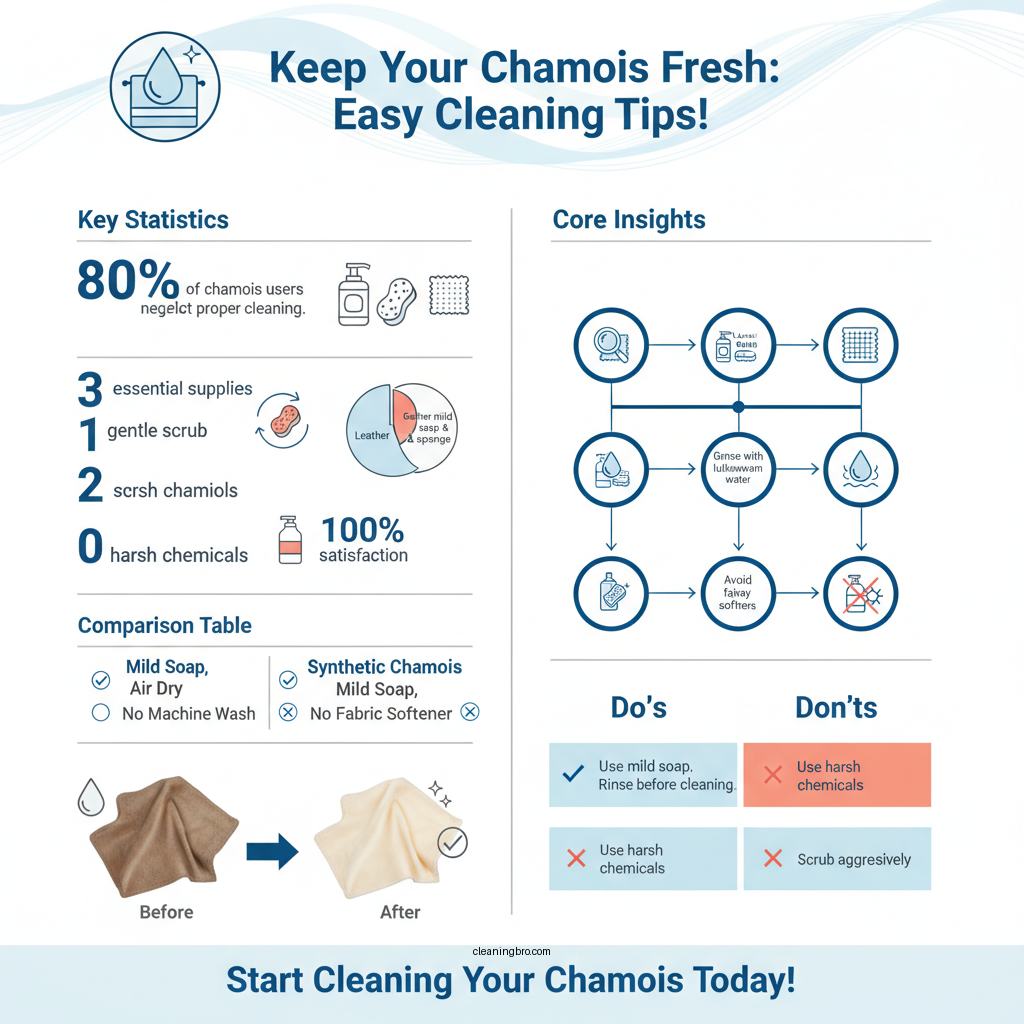
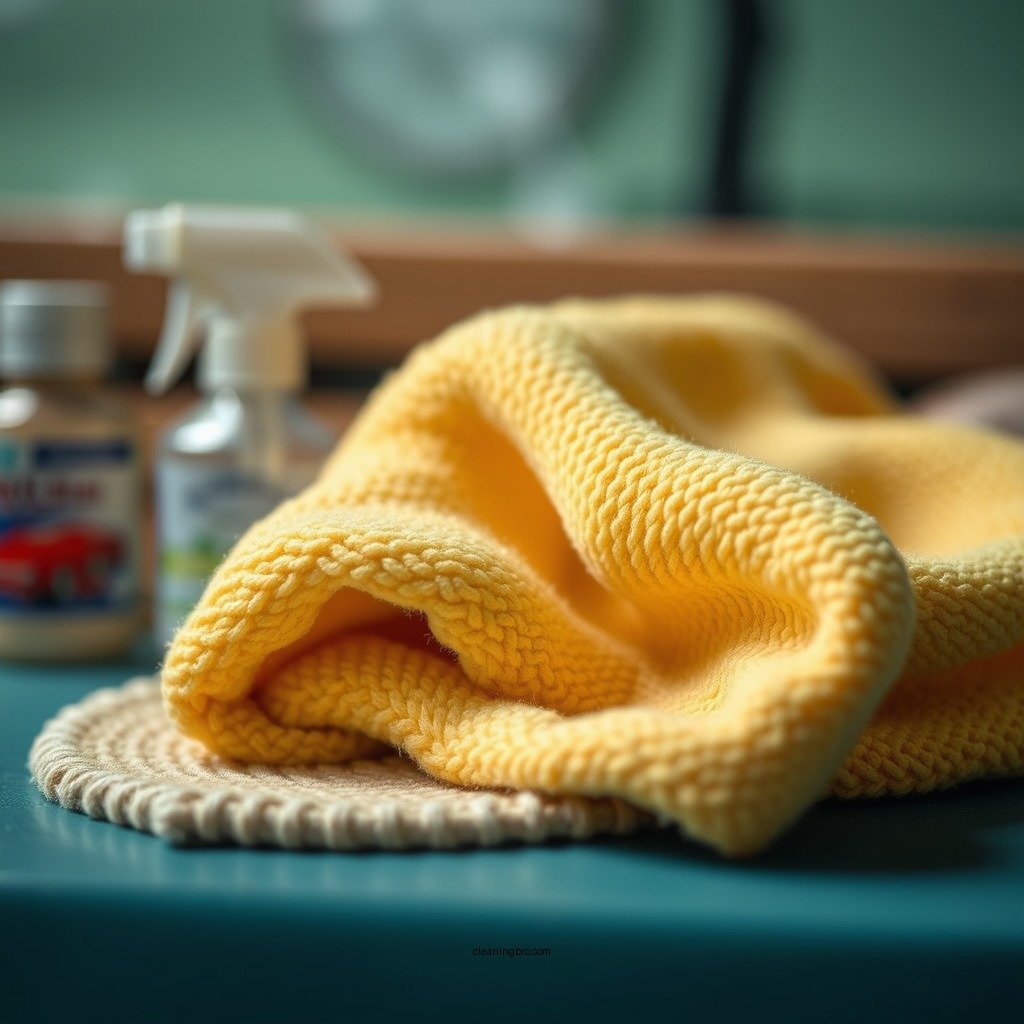
To properly clean your chamois, gather the necessary items such as mild soap, a soft sponge, and clean water. A dedicated leather cleaner can be beneficial for leather chamois, while synthetic ones can usually be cleaned with a gentle laundry detergent. Avoid harsh chemicals or fabric softeners that can damage the chamois material. Using the wrong products can lead to deterioration, causing the chamois to lose its natural softness or even become stiff and uncomfortable.
Step-by-Step Cleaning Process
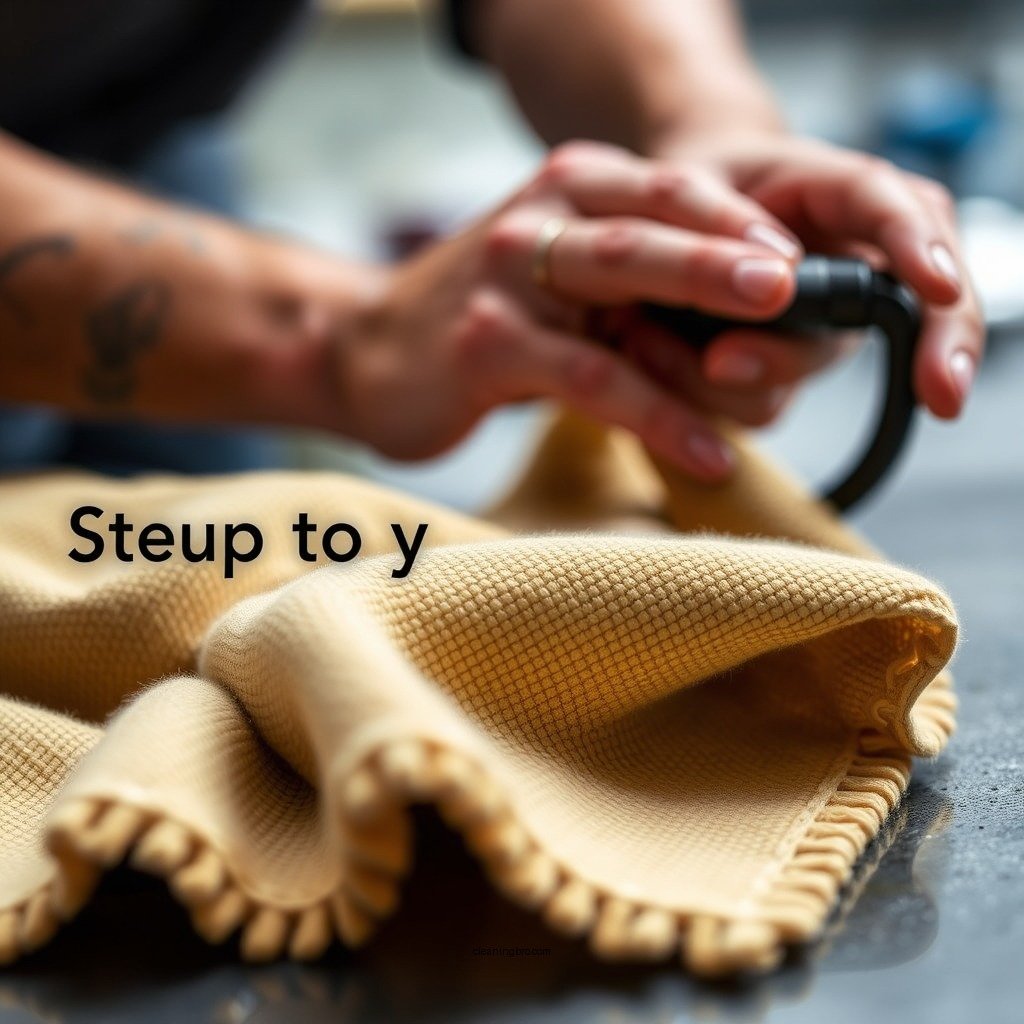
Start by rinsing the chamois with lukewarm water to remove dirt and sweat. This initial rinse is crucial as it loosens any grime without agitating the fibers. Next, apply a small amount of mild soap and gently scrub with a soft sponge. Ensure you are using a soap that is free from additives or fragrances, as these can leave residues that may irritate the skin. Take care not to scrub too hard; a gentle approach will help preserve the material’s integrity.
Chamois Material Comparison
| # | Material | Durability | Comfort | Maintenance |
|---|---|---|---|---|
| 1 | Leather | High | Very High | Moderate |
| 2 | Synthetic | Medium | High | Easy |
| 3 | Microfiber | Medium | Very High | Easy |
Rinsing and Drying Techniques
Thoroughly rinse the chamois to remove all soap residue, which can cause stiffness. After rinsing, gently squeeze out excess water without wringing, as this can deform the material. Lay the chamois flat on a clean towel to absorb additional moisture. It is crucial to avoid hanging it to dry, as this may stretch the chamois and compromise its shape and function. Instead, air-drying in a cool, shaded area is the best practice.
Proper Storage Practices
Once dry, store the chamois in a cool, dry place away from direct sunlight. Sunlight can cause the material to fade and degrade over time. Avoid folding it tightly to prevent creases that may affect its performance. Instead, roll the chamois loosely or store it flat. Using breathable storage bags can also help maintain its quality by preventing moisture buildup.
Common Mistakes to Avoid
There are several common mistakes to avoid when cleaning your chamois. Do not use bleach or fabric softeners as they can degrade the material. Additionally, avoid machine washing or drying, which can warp or damage the chamois. It is also important not to soak the chamois for extended periods, as this can lead to unnecessary wear on the fibers and reduce its effectiveness.
Maintenance Tips for Longevity
Regularly clean your chamois after each use to prevent buildup of oils and grime. This practice helps maintain both hygiene and the material’s integrity. For leather chamois, consider reapplying a leather conditioner periodically to keep it supple and prevent cracking. Synthetic chamois can benefit from being air-dried completely before storage to prevent mold and odors.
Chamois Care Products: Leather Cleaner vs. Synthetic Wash vs. Microfiber Treatment
| Feature | ⭐ Leather Cleaner | Synthetic Wash | Microfiber Treatment |
|---|---|---|---|
| Price | $15 | $10 | $12 |
| Effectiveness | ✅ Excellent | ✅ Very Good | ✅ Good |
| Application Method | Spray or wipe | Wash | Wipe or wash |
| Drying Time | Quick | Moderate | Quick |
| Conditioning Properties | Yes | No | Yes |
| Scent Neutralization | Yes | No | Yes |
| Residue-Free | Yes | Yes | Yes |
| Eco-Friendly | Yes | No | Yes |
| Best For | Leather chamois | Synthetic chamois | Microfiber care |
Maintaining a clean chamois is essential for its longevity and performance. By following these steps, you can ensure that your chamois remains in excellent condition for all your activities. Start by gathering your supplies and follow the cleaning process outlined above to give your chamois the care it deserves! Regular maintenance will not only enhance your comfort but also prolong the life of your equipment, making your investment worthwhile.
Frequently Asked Questions
How do I properly clean a chamois after use?
To properly clean a chamois after use, first rinse it under cool water to remove dirt and sweat. Use a gentle detergent specifically designed for technical fabrics, and avoid fabric softeners to maintain the chamois’ absorbency. Gently agitate the chamois in soapy water, then rinse thoroughly and hang it to air dry away from direct sunlight.
What is the best way to maintain my chamois for longevity?
The best way to maintain your chamois for longevity is to wash it regularly but gently, using a mild detergent. Avoid wringing it out or putting it in the dryer; instead, air dry it flat to prevent damage. Additionally, store it in a cool, dry place to avoid mildew and musty odors.
Why is it important to clean a chamois properly?
Cleaning a chamois properly is essential because it helps prevent bacteria buildup, which can lead to skin irritations and unpleasant odors. Regular cleaning also maintains the fabric’s softness and absorbency, ensuring optimal performance during use. By taking care of your chamois, you can extend its lifespan and enhance your overall experience.
Which cleaning products should I avoid when washing my chamois?
When washing your chamois, avoid using bleach, fabric softeners, or harsh detergents, as these can damage the fabric and reduce its effectiveness. Instead, opt for a gentle, biodegradable detergent that is free from additives. Always check the care label for specific recommendations on cleaning products to ensure the best care.
How often should I wash my chamois?
You should wash your chamois after every use if it has been exposed to sweat or dirt, especially after intense activities like cycling or running. Regular washing helps keep the fabric clean and hygienic, preventing odors and skin irritations. If the chamois is used in less strenuous activities, you may wash it less frequently, but regular maintenance is key for longevity.
References
- https://en.wikipedia.org/wiki/Chamois_(cloth
https://en.wikipedia.org/wiki/Chamois_(cloth - https://www.bbc.com/future/article/20201201-how-to-clean-your-chamois
https://www.bbc.com/future/article/20201201-how-to-clean-your-chamois - https://www.sciencedirect.com/topics/agricultural-and-biological-sciences/chamois
https://www.sciencedirect.com/topics/agricultural-and-biological-sciences/chamois - https://www.ncbi.nlm.nih.gov/pmc/articles/PMC6469636/
https://www.ncbi.nlm.nih.gov/pmc/articles/PMC6469636/ - https://www.nature.com/articles/s41598-019-52682-7
https://www.nature.com/articles/s41598-019-52682-7 - Google Scholar Google Scholar
https://scholar.google.com/scholar?q=how+to+clean+a+chamois - Google Scholar Google Scholar
https://scholar.google.com/scholar?q=chamois+cleaning+techniques - Google Scholar Google Scholar
https://scholar.google.com/scholar?q=care+for+chamois+cloth - https://www.mayoclinic.org/healthy-lifestyle/consumer-health/in-depth/cleaning-cloths/art-20046395
https://www.mayoclinic.org/healthy-lifestyle/consumer-health/in-depth/cleaning-cloths/art-20046395 - https://www.britannica.com/science/chamois
https://www.britannica.com/science/chamois