
Cleaning a fish tank after a death is crucial for maintaining the health of the remaining aquatic life and ensuring a clean environment. The process begins with removing the deceased fish and any uneaten food, followed by a thorough cleaning of the tank, substrate, and decorations to prevent harmful bacteria from accumulating. In this article, you’ll learn how to properly clean your fish tank while ensuring the wellbeing of your remaining fish.



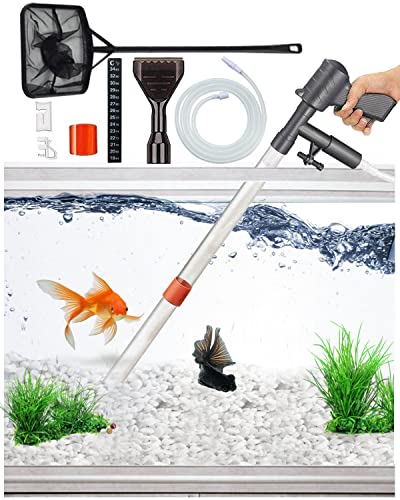
Remove the Deceased Fish

The first and most important step in cleaning a fish tank after the death of a fish is to remove the deceased fish promptly. This helps prevent the release of harmful toxins into the water, which could affect the health of the remaining fish.

– Use a net or gloves: Gently lift the dead fish from the tank using a fish net or gloves to avoid direct contact. This method minimizes stress for the remaining fish and avoids contamination from your hands.
– Seal for disposal: Once removed, place the dead fish in a sealed bag before disposing of it. This ensures that you do not inadvertently contaminate your home or aquarium environment.
Taking immediate action not only helps in maintaining water quality but also allows you to observe the condition of your other fish, which may provide insights into the potential cause of death, be it disease or environmental stress.
Drain and Clean the Tank


After removing the deceased fish, the next step is to drain a portion of the water and clean the tank itself. This helps eliminate any lingering toxins and debris.
– Remove a portion of the water: Drain about 20-30% of the tank water to make the cleaning process more manageable. This also helps in refreshing the tank environment.
– Use safe cleaning solutions: For scrubbing the tank walls and bottom, utilize an aquarium-safe cleaner or a mixture of water and white vinegar. Avoid bleach or any harsh chemicals, as they can be toxic to fish. When cleaning, focus on removing algae, biofilm, and any other residue that may have built up.
Thoroughly rinsing the tank with fresh water after scrubbing ensures that any remaining cleaner is washed away, promoting a safe environment for your aquatic life.
Clean the Substrate

The substrate, which often contains waste and uneaten food, can also contribute to poor water quality if not cleaned properly.
– Vacuum the substrate: Use a gravel vacuum to remove debris and waste from the substrate. This tool is designed to siphon out dirt while leaving the gravel in place, thus maintaining the beneficial bacteria that help in maintaining water quality.
– Consider replacement: If the substrate appears overly dirty or contaminated, consider replacing a portion of it. This can be especially important if the substrate has absorbed harmful substances from decaying organic matter.
Regular substrate cleaning should be part of your routine maintenance to ensure a healthy environment for your fish.
Rinse Decorations and Equipment
Decorations and equipment within the tank can harbor harmful bacteria and algae if not cleaned regularly.
– Remove and rinse: Take out any decorations, plants, or equipment such as filters and heaters. Rinse them thoroughly in clean water. Again, avoid using soap or any chemicals, as residues can be toxic to fish.
– Inspect for wear and tear: While rinsing, check for any signs of wear or damage. Remove any items that may pose a risk to the fish, such as sharp edges or broken pieces.
Maintaining clean decorations not only enhances the aesthetic of your aquarium but also contributes to the overall health of your aquatic ecosystem.
Perform a Water Change
Changing a significant portion of the water in your aquarium is essential after a fish death.
– Replace water: After cleaning, replace 20-30% of the water in your tank. This practice helps dilute any harmful substances that may have entered the water during the decay of the fish.
– Treat new water: Ensure that the new water is treated with a dechlorinator and is at the appropriate temperature for your fish. Sudden temperature changes can stress fish, so it’s essential to acclimate them gradually.
Regular water changes are vital for ensuring a stable and healthy environment for your fish, and they should be part of your routine aquarium maintenance.
Monitor Water Parameters
Once the tank has been cleaned and water has been changed, it’s critical to monitor the water parameters.
– Test for key parameters: Use an aquarium test kit to check levels of pH, ammonia, nitrite, and nitrate. These parameters are essential for the health of your fish.
– Adjust as necessary: If any of the parameters are outside the recommended ranges, take appropriate action to correct them. This might involve adjusting the filtration system, adding chemicals to buffer pH, or performing additional water changes.
Keeping a close eye on the water quality after a fish death can help you identify and correct issues before they affect the health of your remaining fish.
Reintroduce Fish and Observe
After cleaning and ensuring that the water quality is optimal, you can reintroduce your fish back into the tank.
– Gradual reintroduction: Slowly acclimate your fish to the tank environment. This can be done by floating their bag in the tank for about 15-20 minutes to equalize the temperature before releasing them.
– Observe behavior: After reintroducing your fish, closely monitor their behavior for any signs of stress or illness. Look for symptoms such as erratic swimming, hiding, or loss of appetite, which may indicate underlying issues.
Observing your fish will help you gauge how well they are adapting to the cleaned environment, and it can alert you to any potential problems that need addressing quickly.
Common Fish Tank Parameters for Optimal Health
| # | Parameter | Ideal Range | Measurement Tool |
|---|---|---|---|
| 1 | pH Level | 6.5 – 7.5 | pH Tester |
| 2 | Ammonia | 0 ppm | Ammonia Test Kit |
| 3 | Nitrite | 0 ppm | Nitrite Test Kit |
| 4 | Nitrate | 0 – 40 ppm | Nitrate Test Kit |
| 5 | Hardness | 3 – 10 dGH | Hardness Test Kit |
| 6 | Temperature | 75 – 80°F | Thermometer |
| 7 | Salinity | 1.020 – 1.025 | Salinity Refractometer |
Aquarium Maintenance Kits Comparison
| Feature | ⭐ Complete Aquarium Care Kit | Essential Fish Tank Cleaning Supplies | Aquarium Starter Kit |
|---|---|---|---|
| Includes Water Test Kit | ✅ | ✅ | ❌ |
| Includes Gravel Vacuum | ✅ | ✅ | ❌ |
| Cleaning Solution Included | ✅ | ✅ | ❌ |
| Includes Fish Net | ✅ | ✅ | ✅ |
| Fish Food Included | ❌ | ❌ | ✅ |
| Plant Care Supplies Included | ✅ | ❌ | ❌ |
| Price | $49.99 | $29.99 | $19.99 |
| Recommended for Beginners | ✅ | ✅ | ✅ |
| 🏆 Best For | Comprehensive tank care | Essential maintenance | Starter kits |
Maintaining a clean fish tank after a death is essential for the health of your remaining fish and the overall ecosystem. By following these steps, you can ensure a safe and welcoming environment for your aquatic pets. If you have further questions or need additional tips, consider reaching out to local aquarist communities or professionals for more personalized advice. Regular maintenance and monitoring will not only prolong the life of your fish but also enhance your enjoyment of the aquarium hobby.
Frequently Asked Questions
How do I clean my fish tank after a fish death?
To clean your fish tank after a fish death, start by removing the deceased fish using a net. Next, conduct a partial water change of about 25-50% to eliminate toxins and waste. Clean the tank surfaces with a sponge or scraper, and replace any filter media as needed to maintain a healthy environment for the remaining fish.
What should I do with the remaining fish after one has died?
After one fish has died, monitor the remaining fish for signs of stress or illness. It’s essential to keep the water parameters stable, as the death may indicate an underlying issue. Consider performing a water test to ensure the ammonia, nitrite, and nitrate levels are within safe ranges.
Why is it important to clean the tank after a fish dies?
Cleaning the tank after a fish dies is crucial to prevent the buildup of harmful bacteria and toxins that can negatively affect the health of the remaining fish. Decomposing fish can release ammonia into the water, leading to poor water quality and potentially causing further fish deaths. Regular maintenance helps ensure a safe environment for all aquatic life.
What is the best way to remove fish waste and debris?
The best way to remove fish waste and debris is to use a gravel vacuum during your water change routine. This tool effectively siphons out debris from the substrate while simultaneously removing some of the water. Additionally, a net can be used to catch any floating waste on the water’s surface.
Which cleaning products are safe for fish tanks after a death?
Only use aquarium-safe cleaning products when cleaning your fish tank after a death, as many household cleaners can be toxic to fish. Opt for plain water, vinegar, or a specialized aquarium cleaner that is free from harsh chemicals. Always rinse any cleaning tools thoroughly before using them in the tank to ensure no residues are left behind.
References
- 3 Ways to Clean a Fish Tank – wikiHow
https://www.wikihow.com/Clean-a-Fish-Tank - https://www.thoughtco.com/how-to-clean-your-fish-tank-1374301
https://www.thoughtco.com/how-to-clean-your-fish-tank-1374301 - https://www.ncbi.nlm.nih.gov/pmc/articles/PMC6263682/
https://www.ncbi.nlm.nih.gov/pmc/articles/PMC6263682/ - https://www.sciencedirect.com/topics/agricultural-and-biological-sciences/aquarium
https://www.sciencedirect.com/topics/agricultural-and-biological-sciences/aquarium - https://www.britannica.com/animal/aquarium-fish
https://www.britannica.com/animal/aquarium-fish - How to Clean a Fish Tank in Five Easy Steps | Fishkeeping World
https://www.fishkeepingworld.com/how-to-clean-a-fish-tank/ - https://www.treesandshrubs.com/cleaning-fish-tank/
https://www.treesandshrubs.com/cleaning-fish-tank/ - Google Scholar Google Scholar
https://scholar.google.com/scholar?q=cleaning+fish+tank+after+death - Google Scholar Google Scholar
https://scholar.google.com/scholar?q=fish+tank+maintenance+after+death - Google Scholar Google Scholar
https://scholar.google.com/scholar?q=fish+tank+cleaning+guidelines
