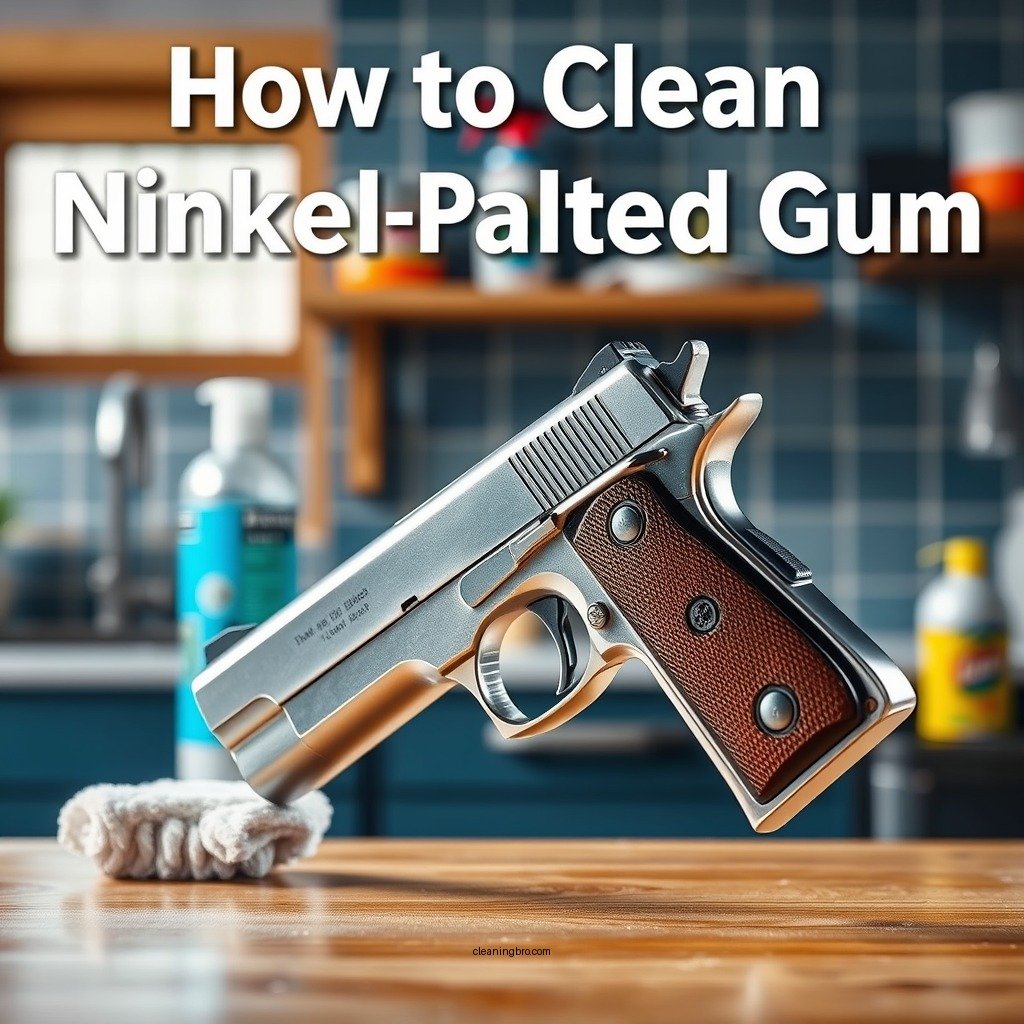
How to Clean a Nickel-Plated Gun Effectively
Cleaning a nickel-plated gun effectively requires a delicate balance of techniques and the right materials to preserve its gleaming finish while ensuring optimal performance. Nickel plating, prized for its aesthetic appeal and corrosion resistance, demands special care during cleaning to avoid scratches or damage. In this guide, we will explore the best practices and essential tips to keep your nickel-plated firearm in top condition, ensuring it remains both functional and visually appealing.
Understanding Nickel-Plated Finishes
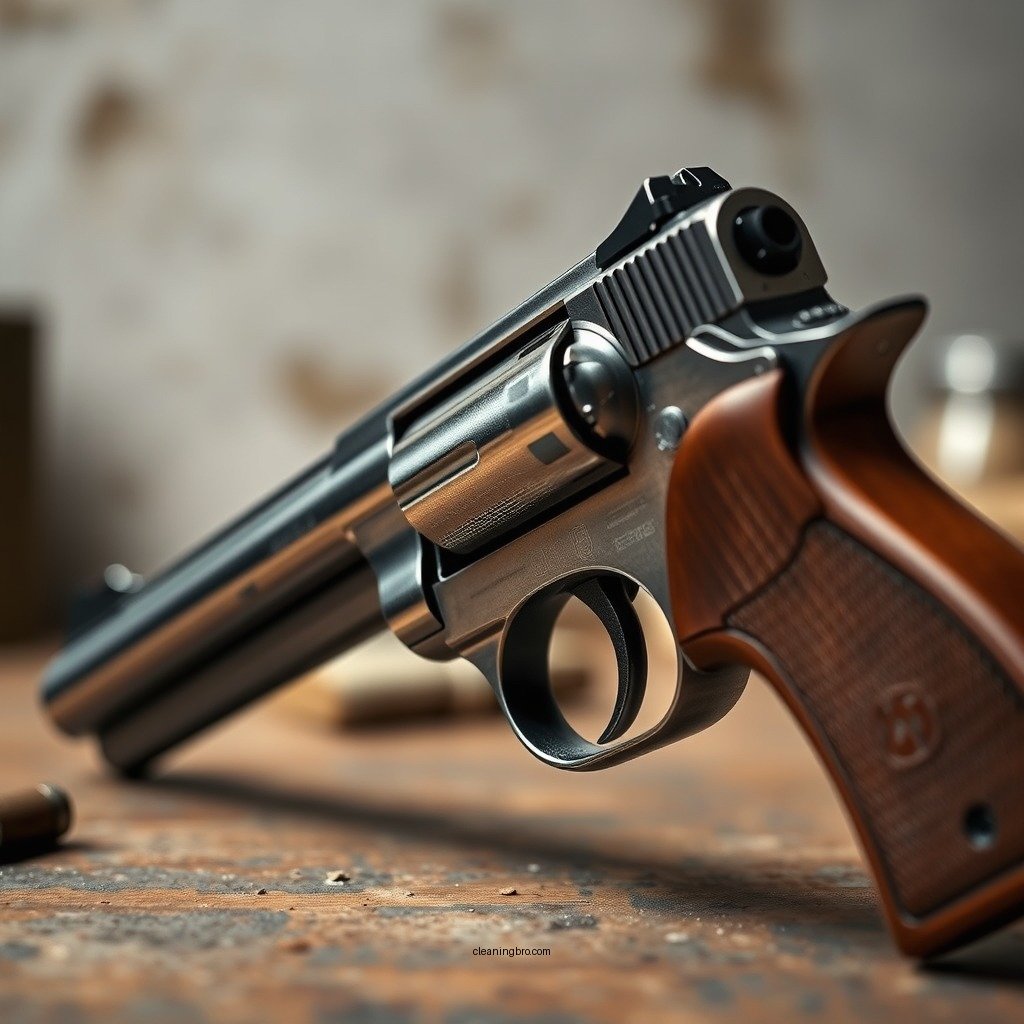
Nickel plating is a popular finish for firearms due to its durability and resistance to rust and corrosion. The nickel layer acts as a protective barrier, safeguarding the underlying metal from environmental factors that could lead to deterioration. However, this finish is more delicate than other common finishes like bluing or parkerizing, which can withstand harsher treatment.
When cleaning a nickel-plated gun, it’s essential to recognize that the plating can be susceptible to scratching and tarnishing. Using the wrong materials or methods can lead to irreversible damage, diminishing the gun’s appearance and value. Therefore, understanding the unique characteristics of nickel plating is crucial for effective maintenance.
Essential Cleaning Supplies
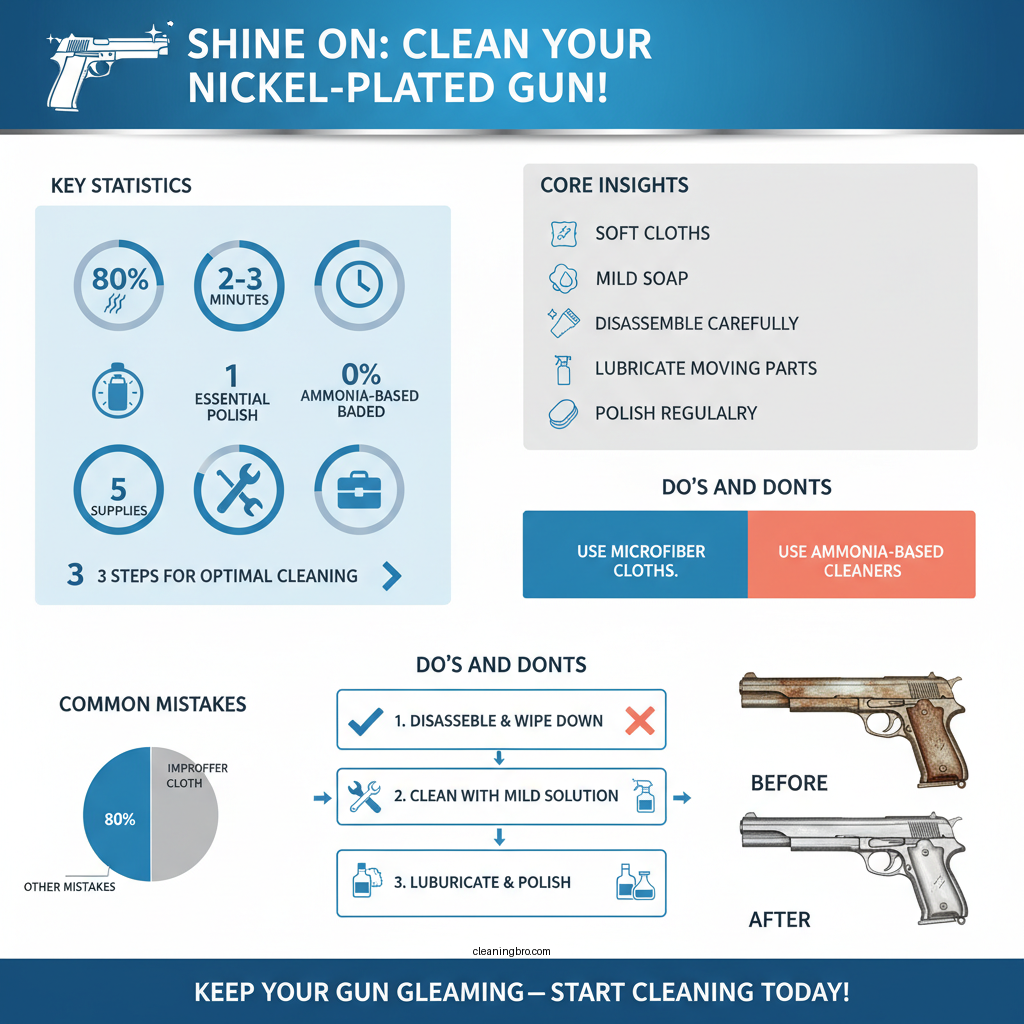
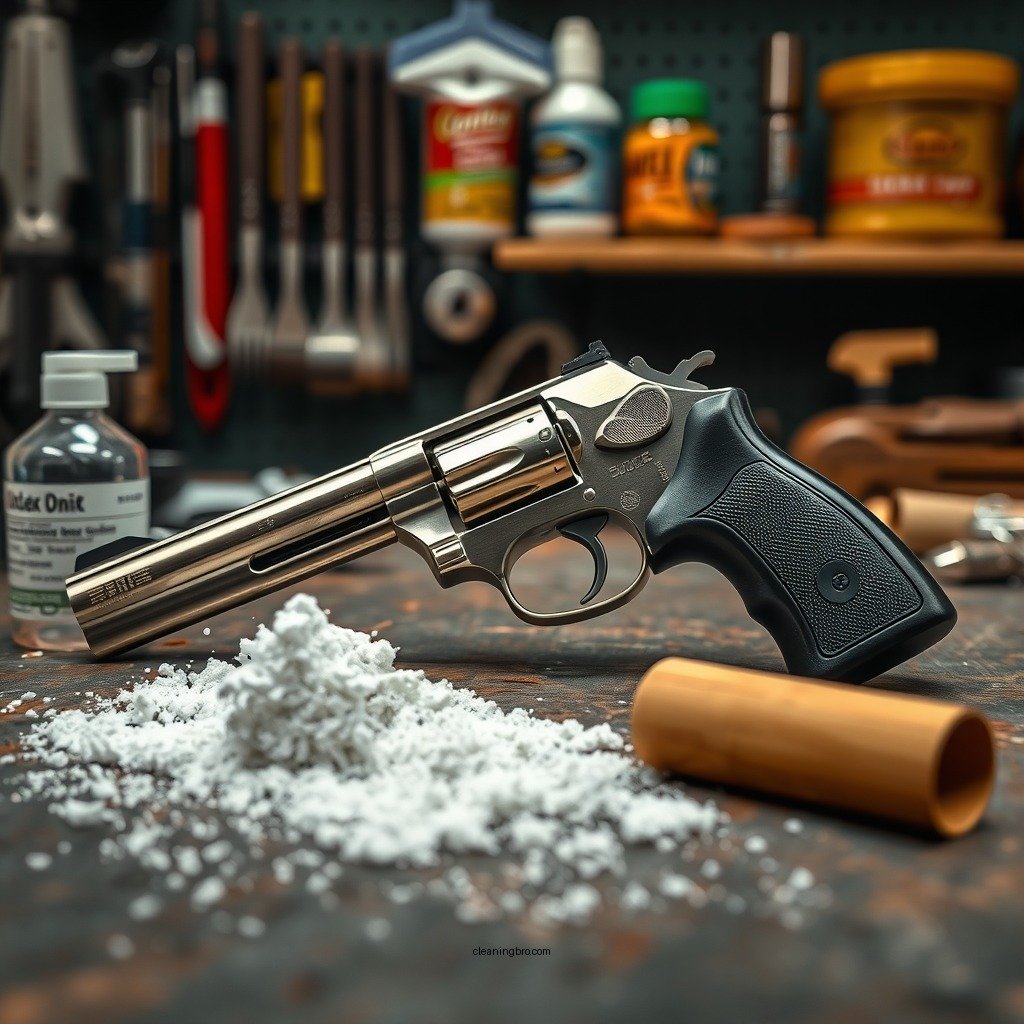
To clean a nickel-plated gun effectively, you will need a selection of specific supplies. Here are the essential items to gather:
– Soft Cloths: Microfiber or cotton cloths are ideal for wiping down surfaces without leaving scratches.
– Soft Brushes: A soft-bristled brush can help remove dirt and debris from hard-to-reach areas, such as the action and barrel.
– Mild Soap or Gun Cleaners: Use a mild soap solution or specialized gun cleaning products that do not contain harsh chemicals. Avoid ammonia-based cleaners, as they can damage the nickel finish.
– Gun Oil: A high-quality gun oil is necessary for lubricating moving parts after cleaning.
– Polish: Nickel-safe polish can restore shine and protect the finish.
Step-by-Step Cleaning Process
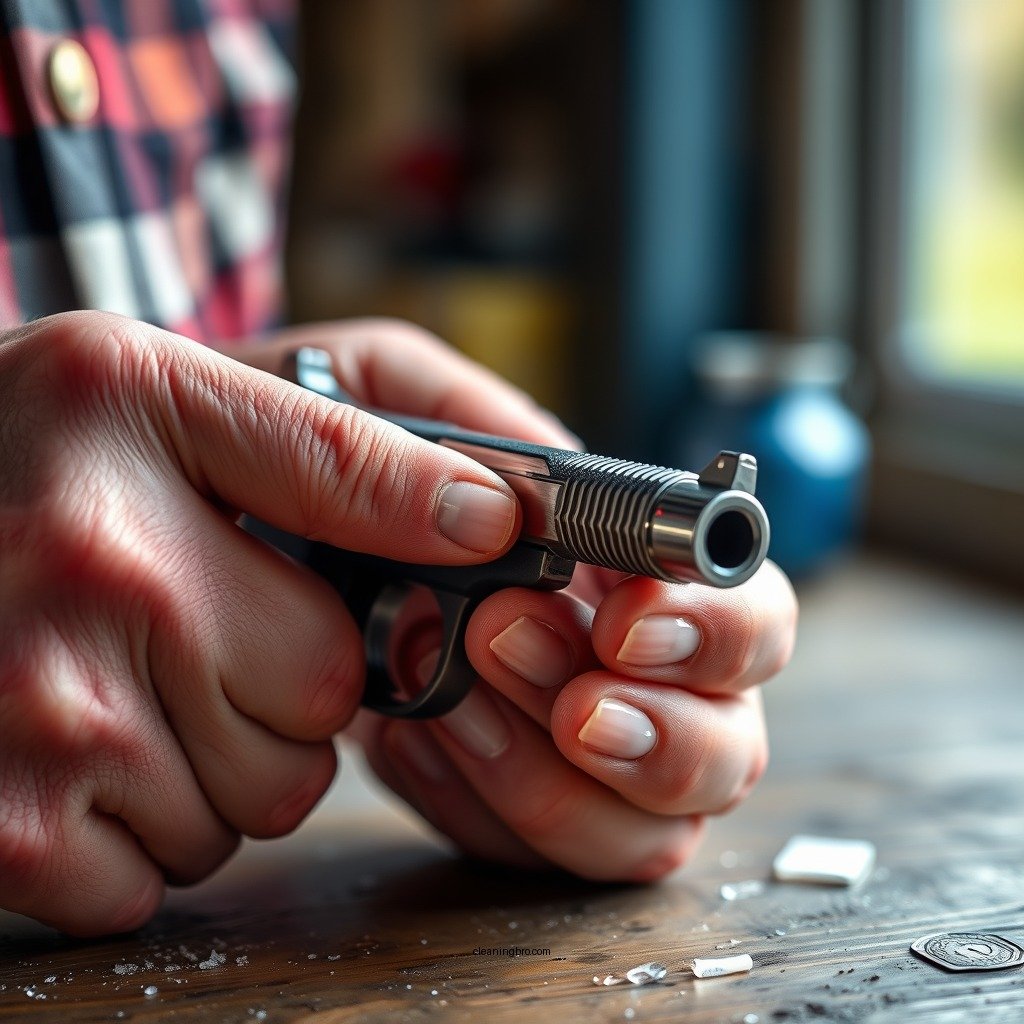
Cleaning a nickel-plated gun involves several key steps to ensure thorough cleaning without harming the finish. Follow these steps for optimal results:
1. Disassemble the Gun: Begin by carefully disassembling the firearm according to the manufacturer’s instructions. This typically involves removing the magazine, clearing the chamber, and separating the slide from the frame.
2. Clean the Barrel and Action: Using a soft brush and a mild cleaning solution, gently scrub the barrel and action. Pay attention to areas where residue tends to accumulate, such as the chamber and feed ramp. Use a cleaning rod and patch to clean inside the barrel effectively.
3. Wipe Down Exterior Surfaces: Take a soft cloth slightly dampened with cleaning solution and wipe down all exterior surfaces of the gun, including the frame, slide, and controls. Ensure that no moisture remains on the nickel plating to prevent tarnishing.
4. Dry Thoroughly: After cleaning, use a dry soft cloth to wipe down all parts, ensuring there is no remaining moisture that could lead to corrosion.
5. Lubricate Moving Parts: Apply a few drops of gun oil to the moving parts of the firearm, such as the slide rails and trigger mechanism, to ensure smooth operation.
6. Reassemble the Gun: Once all parts are clean and lubricated, reassemble the firearm following the manufacturer’s guidelines.
Cleaning Supplies Overview
Essential Cleaning Supplies for Nickel-Plated Guns
| # | Item | Purpose | Recommended Type |
|---|---|---|---|
| 1 | Soft Cloths | Wiping down surfaces | Microfiber or cotton |
| 2 | Soft Brushes | Cleaning hard-to-reach areas | Bristle brush |
| 3 | Mild Soap/Gun Cleaners | Safe cleaning solution | Mild, non-ammonia |
| 4 | Gun Oil | Lubrication | High-quality synthetic |
| 5 | Nickel-Safe Polish | Restoring shine | Non-abrasive polish |
Polishing the Nickel Finish
After cleaning, polishing the nickel finish is essential to maintain its shine and protect against tarnishing. Here’s how to do it correctly:
1. Select a Nickel-Safe Polish: Use a polish specifically designed for nickel finishes. Avoid abrasive polishes that can scratch the surface.
2. Apply Sparingly: Using a soft cloth, apply a small amount of polish to one area at a time. This method prevents buildup and ensures a uniform shine.
3. Buff the Surface: Gently buff the area with a clean, dry cloth to remove excess polish and reveal a brilliant shine. This step also helps to create a protective layer against future tarnishing.
4. Inspect for Residue: Ensure that no polish residue remains on the gun, particularly in crevices or around moving parts, as this can affect functionality.
Inspecting for Damage
Regular maintenance includes inspecting the firearm for any signs of damage, which can occur even with proper cleaning. During the cleaning process, keep an eye out for:
– Scratches: Look for any surface scratches that may have occurred during use or cleaning. Minor scratches may be polishable, but deeper ones might require professional attention.
– Pitting: Check for small, rust-like spots that can indicate corrosion beneath the surface. This issue can worsen if not addressed promptly.
– Tarnishing: Discoloration or dullness in the nickel finish can signal the need for immediate cleaning and polishing.
If you discover any damage, address it as soon as possible to prevent further deterioration, and consider consulting a professional for repairs if needed.
Proper Storage and Maintenance
Proper storage and maintenance play a crucial role in preserving the condition of your nickel-plated firearm. Here are some best practices:
– Store in a Dry, Cool Environment: Humidity can lead to corrosion, so store your firearm in a climate-controlled environment. Use a gun safe or cabinet that minimizes exposure to moisture.
– Use Gun Socks or Cases: Consider using silicone-treated gun socks or padded cases that can help protect against scratches and moisture.
– Regular Inspections: Make it a habit to inspect your firearm regularly, checking for any signs of wear, corrosion, or damage, and clean it after each use.
– Routine Cleanings: Establish a routine cleaning schedule based on usage. Firearms used frequently should be cleaned more often to maintain optimal condition.
Keeping your nickel-plated gun clean not only enhances its appearance but also ensures its longevity and performance. By following these steps, you can effectively maintain your firearm while preserving its beautiful finish. Remember, regular care and proper storage are essential in safeguarding your investment.
Feature Comparison of Cleaning Supplies
Comparison of Top Gun Cleaning Supplies
| Feature | ⭐ Gun Cleaner A | Gun Cleaner B | Gun Cleaner C |
|---|---|---|---|
| Type | Liquid | Aerosol | Foam |
| pH Neutral | ✅ | ✅ | ❌ |
| Non-Abrasive | ✅ | ✅ | ✅ |
| Safe on Nickel | ✅ | ✅ | ❌ |
| Price | $12.99 | $9.99 | $15.99 |
| Volume | 8 oz | 12 oz | 6 oz |
| Scent | Neutral | Mint | None |
| Quick Dry | ✅ | ✅ | ❌ |
| Manufacturer Reputation | Highly Rated | Well Known | New Brand |
| 🏆 Best For | General Use | Value Seekers | Premium Users |
Keeping your nickel-plated gun clean is essential for maintaining its appearance and functionality. By following these steps and using the right products, you can ensure that your firearm remains in excellent condition for years to come. Regular cleaning, polishing, and proper storage will not only enhance its aesthetic appeal but also preserve its operational integrity. For further tips or inquiries, consider consulting with a professional or visiting specialized forums dedicated to firearm maintenance.
Frequently Asked Questions
What is the best way to clean a nickel plated gun?
The best way to clean a nickel plated gun involves using a soft cloth and a gentle cleaning solution specifically designed for firearms. Avoid harsh chemicals that can damage the finish; instead, opt for a mixture of warm water and mild soap. After cleaning, ensure to dry the gun thoroughly and apply a light coat of gun oil to protect the nickel finish.
How can I remove rust from a nickel plated gun?
To remove rust from a nickel plated gun, start by applying a rust remover or a mixture of baking soda and water to the affected area. Gently scrub with a soft cloth or a non-abrasive pad to avoid scratching the nickel surface. Afterward, rinse with water, dry completely, and reapply a thin layer of gun oil to prevent future rusting.
Why is it important to maintain a nickel plated gun regularly?
Regular maintenance of a nickel plated gun is crucial to prevent corrosion, rust, and tarnishing, which can degrade the firearm’s appearance and functionality. Nickel plating, while resistant to corrosion, still requires care to maintain its luster and protect the underlying metal. Additionally, proper cleaning and oiling can ensure reliable performance during use.
Which cleaning products are safe for nickel plated guns?
Safe cleaning products for nickel plated guns include those specifically formulated for firearms, such as CLP (Clean, Lubricate, Protect) solutions and mild soap. Avoid abrasive cleaners, ammonia-based products, or any harsh solvents that could harm the nickel finish. Always test a small area first to ensure compatibility before full application.
What tools do I need to clean a nickel plated gun effectively?
To clean a nickel plated gun effectively, you will need soft cleaning cloths, a non-abrasive scrub pad, a small brush for hard-to-reach areas, and a cleaning solution suitable for nickel finishes. Additionally, having gun oil on hand will help you protect the surface after cleaning. Using the right tools ensures a thorough and gentle cleaning process, preserving your gun’s finish.
References
- https://en.wikipedia.org/wiki/Nickel-plating
https://en.wikipedia.org/wiki/Nickel-plating - NRA-ILA | Home
https://www.nraila.org/articles/20140114/how-to-clean-your-firearm - https://www.shootingillustrated.com/articles/2018/5/15/how-to-clean-and-maintain-nickel-plated-firearms/
https://www.shootingillustrated.com/articles/2018/5/15/how-to-clean-and-maintain-nickel-plated-firearms/ - Google Scholar Google Scholar
https://scholar.google.com/scholar?q=cleaning+nickel+plated+gun - Google Scholar Google Scholar
https://scholar.google.com/scholar?q=firearm+maintenance+nickel+plating - https://www.thetruthaboutguns.com/how-to-clean-nickel-plated-firearms/
https://www.thetruthaboutguns.com/how-to-clean-nickel-plated-firearms/ - https://www.americas1stfreedom.org/articles/2016/12/15/cleaning-a-nickel-plated-gun/
https://www.americas1stfreedom.org/articles/2016/12/15/cleaning-a-nickel-plated-gun/ - Shooting Position Fitness | RECOIL
https://www.recoilweb.com/cleaning-nickel-plated-firearms-101-128146.html - Google Scholar Google Scholar
https://scholar.google.com/scholar?q=how+to+clean+a+nickel+plated+gun - https://en.wikipedia.org/wiki/Special:Search?search=how+to+clean+a+nickel+plated+gun
https://en.wikipedia.org/wiki/Special:Search?search=how+to+clean+a+nickel+plated+gun