How to Clean a Pipe of Resin Without Alcohol
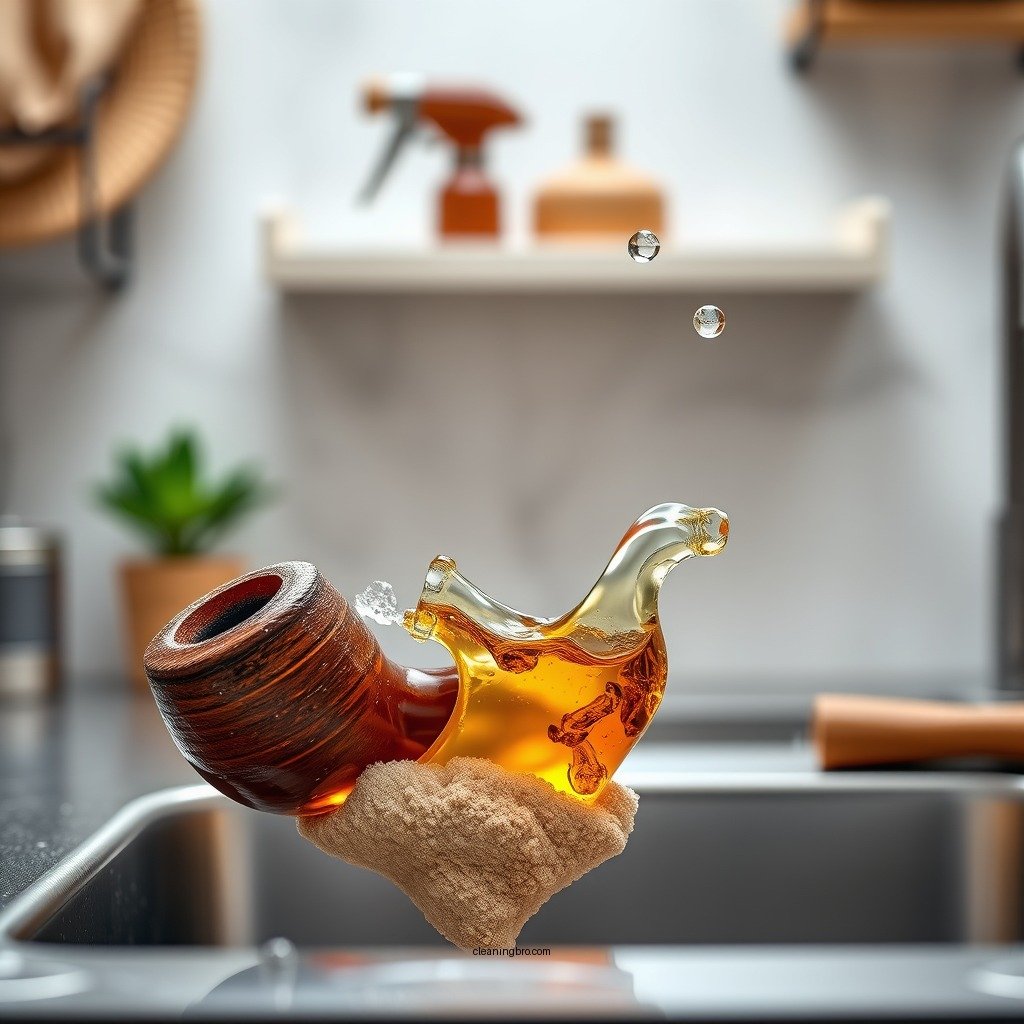
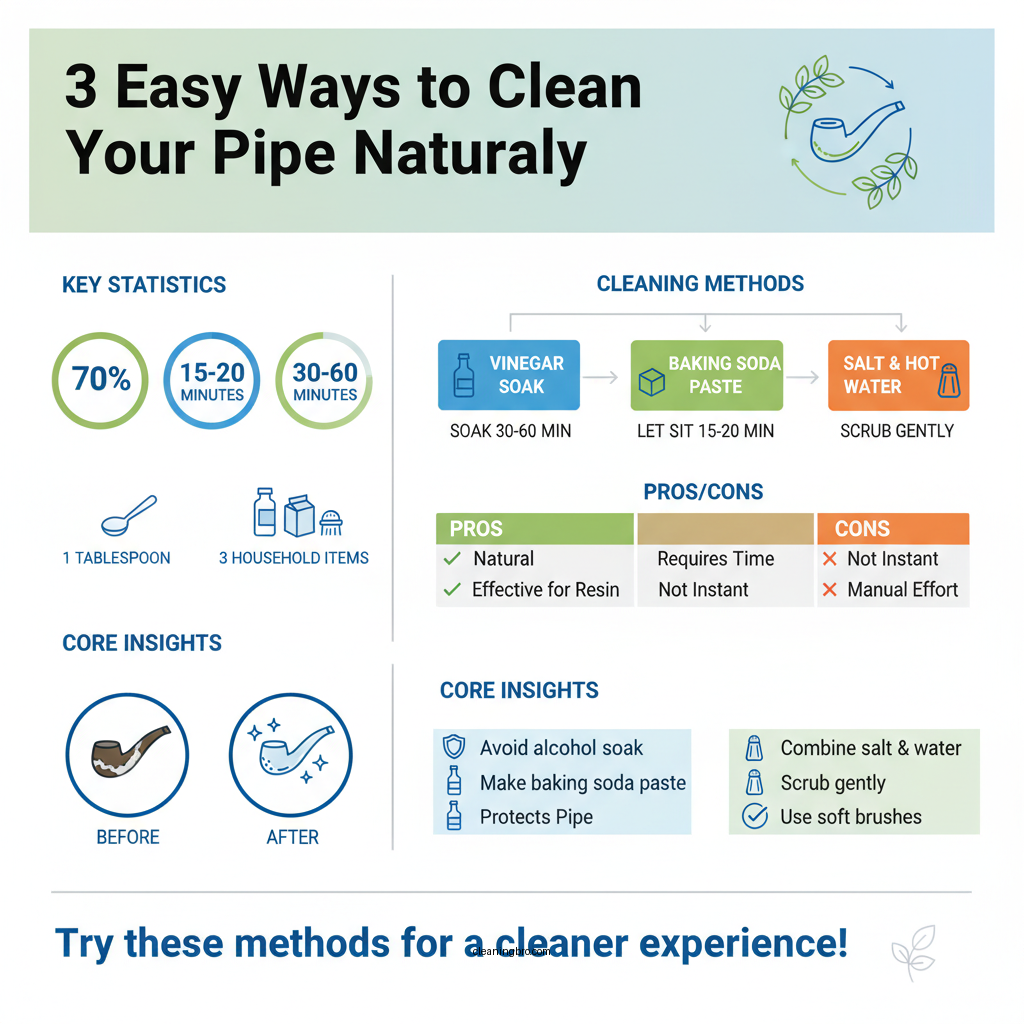
Cleaning a pipe of resin without using alcohol is entirely possible with a few effective methods. By utilizing alternatives like vinegar, baking soda, or salt, you can restore your pipe to its original condition without the harshness of alcohol. In this guide, you’ll learn various techniques to effectively clean your pipe and keep it in top shape.
Maintaining a clean pipe is essential for both the aesthetic appeal and the quality of your smoking experience. Over time, resin can build up, leading to diminished flavor and airflow issues. Fortunately, there are several household items that can effectively tackle this problem without resorting to alcohol-based cleaners, which can be harsh and potentially damaging. Below, let’s explore these methods in detail.
Vinegar Soak Method
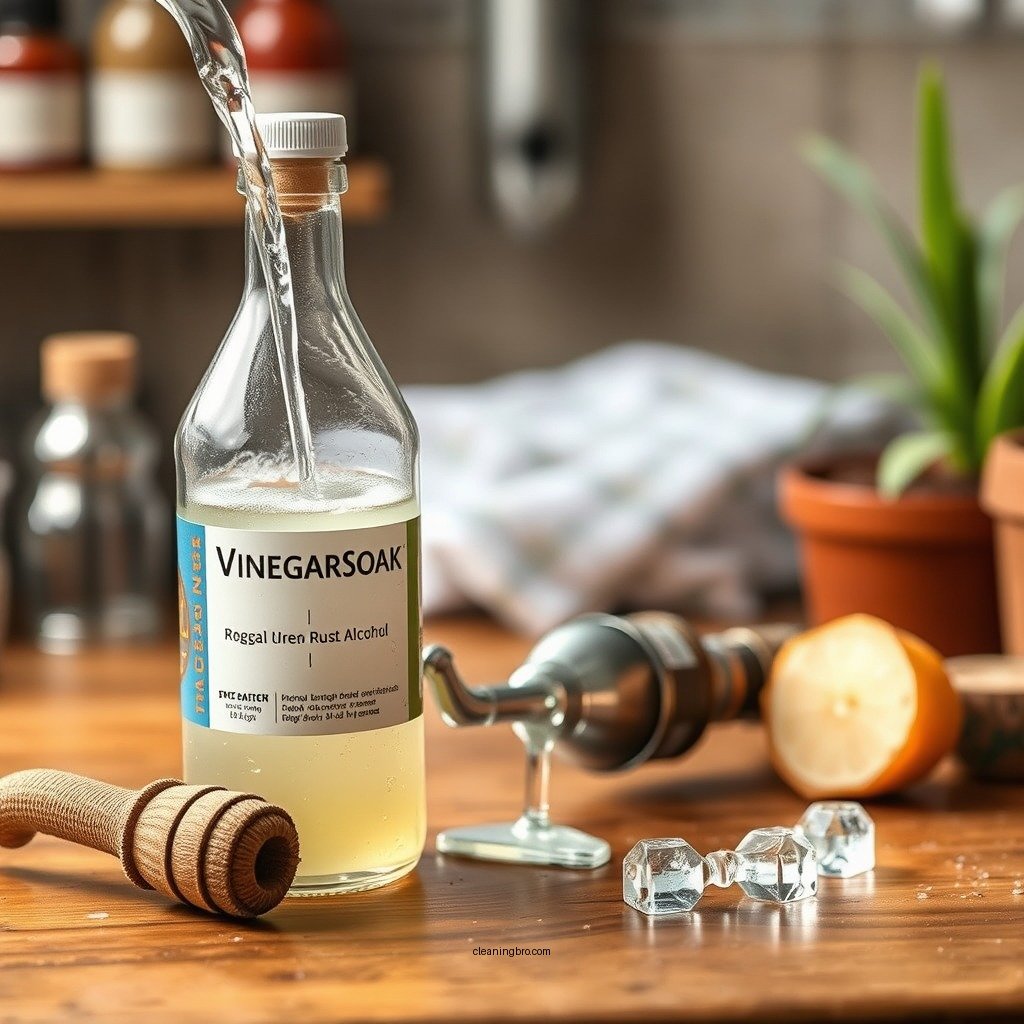
One of the simplest and most effective methods for cleaning resin from a pipe involves using white vinegar as a natural solvent. Vinegar is acidic, which helps to break down the sticky resin buildup effectively.
To utilize this method, start by filling a small bowl or container with white vinegar. Submerge your pipe in the vinegar, ensuring that all areas affected by resin are covered. Allow the pipe to soak for 30 minutes to an hour. During this time, the vinegar will work its magic on the resin. After soaking, take a soft brush or pipe cleaner and scrub the pipe gently, focusing on the areas with the most buildup. Rinse thoroughly with warm water to remove any remaining vinegar and debris.
Baking Soda Paste
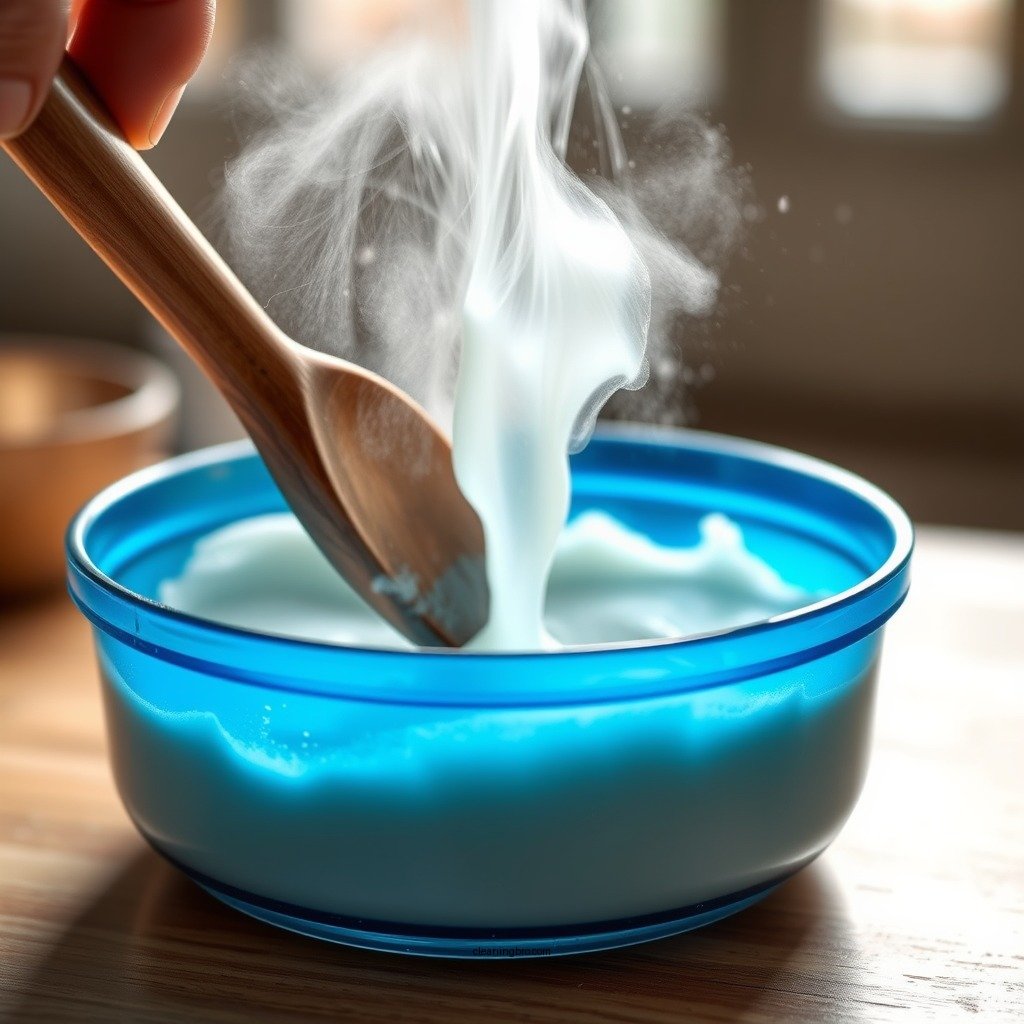
Baking soda is another powerful cleaning agent that can help you tackle stubborn resin that has built up over time. This method is particularly effective for resin that has hardened.
To create a baking soda paste, mix equal parts of baking soda and water until you achieve a thick consistency. Apply this paste directly onto the affected areas of the pipe, ensuring that you cover all resin deposits. Let the paste sit for about 15-20 minutes; this waiting period allows the baking soda to penetrate and break down the resin. After the time has elapsed, use a soft brush to scrub the pipe gently. Finally, rinse the pipe under warm water to remove the paste and loosened debris.
Salt and Water Solution
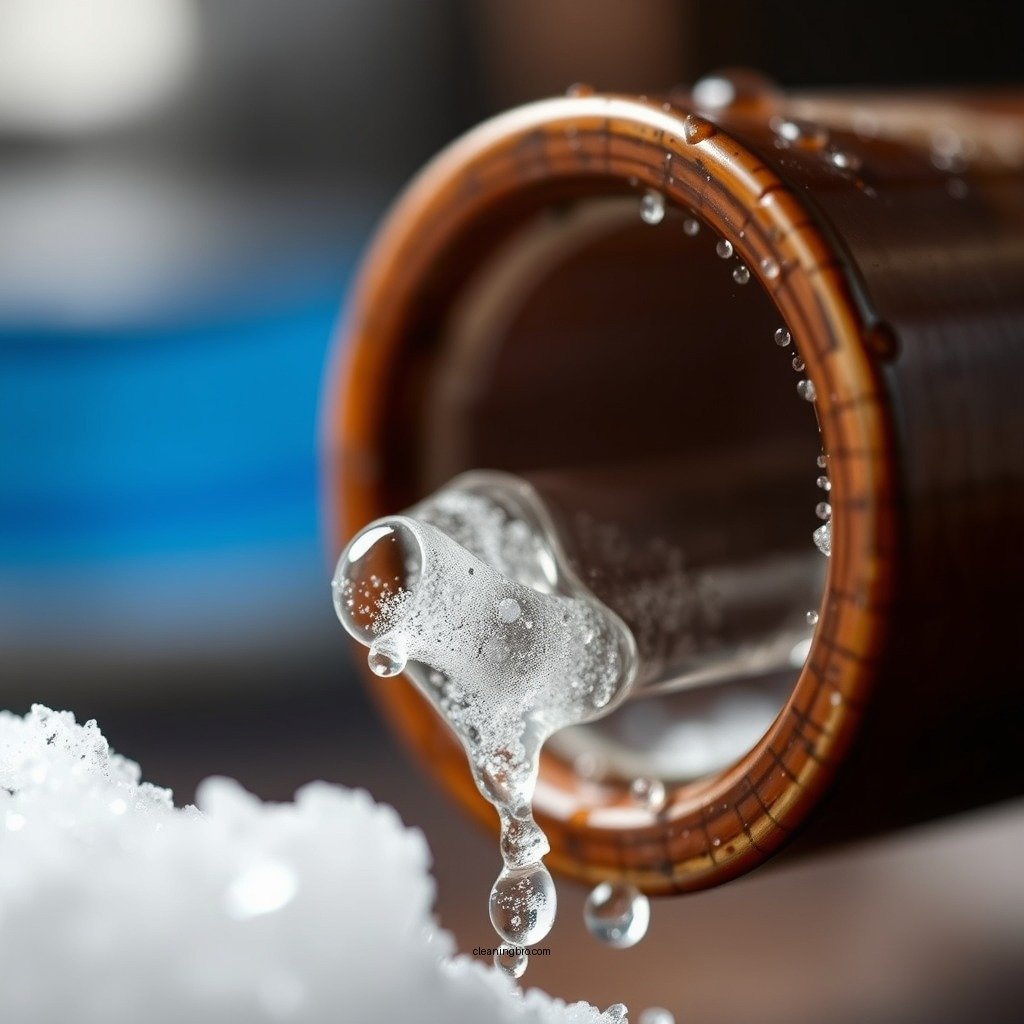
Another effective technique is to use a combination of coarse salt and hot water. This method leverages salt’s abrasive qualities to dislodge resin particles while the hot water helps to soften them.
To implement this method, start by pouring a generous amount of coarse salt into your pipe. Next, heat some water until it is hot but not boiling, and carefully pour it into the pipe, filling it just enough to dissolve the salt. Once the mixture is in the pipe, put your finger over the end and shake gently; this agitation will help the salt scrub the insides of the pipe. After a few minutes, pour out the mixture and rinse the pipe thoroughly with warm water.
Boiling Water Technique
The boiling water technique is both straightforward and effective. This method is particularly useful for pipes that are heat-resistant and can handle high temperatures.
Begin by bringing a pot of water to a boil. Once boiling, carefully pour the water into the pipe. Be cautious when handling the hot water, as it can cause burns. Allow the hot water to sit in the pipe for a few minutes, letting it soften the resin. After a few minutes, take a brush or pipe cleaner to scrub any remaining debris. Rinse the pipe thoroughly with warm water before using it again.
Lemon Juice and Baking Soda Combo
Using lemon juice in combination with baking soda creates a natural fizzing reaction that can help break down resin effectively. The acidity of lemon juice works similarly to vinegar, while baking soda adds an abrasive quality.
To use this method, mix equal parts of lemon juice and baking soda in a bowl. The mixture will fizz, creating a bubbly cleaning agent. Apply this mixture to the resin-covered areas of the pipe, allowing it to sit for a few minutes. After the fizzing has subsided, scrub the pipe gently with a brush, then rinse thoroughly under warm water.
Regular Maintenance Tips
Preventing resin buildup is far easier than cleaning it once it has accumulated. Here are some actionable tips for regular maintenance:
1. Clean After Each Use: Make it a habit to clean your pipe after every use. A quick rinse with hot water can often suffice.
2. Use Screens or Filters: Incorporating screens or filters in your pipe can minimize the amount of resin that builds up, making cleaning easier.
3. Store Properly: Keep your pipe in a dry place to prevent moisture buildup that can contribute to resin formation.
4. Regular Inspections: Periodically inspect your pipe for any signs of buildup so you can address issues before they become problematic.
Alternative Cleaning Tools
To enhance your cleaning efforts, consider using specialized cleaning tools designed for pipes. Here are some effective options:
– Cotton Swabs: Ideal for reaching tight spaces and corners within your pipe.
– Pipe Cleaners: Flexible and effective for scrubbing the inner walls without damaging the material.
– Soft Brushes: Use brushes with soft bristles to prevent scratching while still effectively removing resin.
Experimenting with these tools during your cleaning routine can lead to better results and a well-maintained pipe.
Top 7 Household Cleaning Alternatives for Pipe Resin (2023)
| # | Cleaning Agent | Effectiveness | Cost | Availability |
|---|---|---|---|---|
| 1 | White Vinegar | High | Low | Widely Available |
| 2 | Baking Soda | Medium | Low | Widely Available |
| 3 | Coarse Salt | High | Low | Widely Available |
| 4 | Hot Water | Medium | Free | Widely Available |
| 5 | Lemon Juice | High | Low | Widely Available |
| 6 | Dish Soap | Medium | Low | Widely Available |
| 7 | Hydrogen Peroxide | High | Low | Widely Available |
Vinegar vs Baking Soda vs Salt for Pipe Cleaning
| Feature | ⭐ Vinegar | Baking Soda | Salt |
|---|---|---|---|
| Effectiveness on Resin | ✅ Excellent | ✅ Good | ✅ Excellent |
| Cost | Low | Low | Low |
| Availability | ✅ Widely Available | ✅ Widely Available | ✅ Widely Available |
| Ease of Use | ✅ Simple | ✅ Simple | ✅ Simple |
| Natural Cleaning Agent | ✅ Yes | ✅ Yes | ✅ Yes |
| Environmental Impact | ✅ Eco-friendly | ✅ Eco-friendly | ✅ Eco-friendly |
| Residue After Cleaning | ❌ Might leave scent | ❌ Might leave powder | ❌ Can leave grit |
| Best Use | General Cleaning | Spot Cleaning | Abrasive Cleaning |
| 🏆 Best For | Routine Cleaning | Tough Residue | Heavy Build-up |
To summarize, cleaning a pipe of resin without alcohol is not only feasible but also effective when using common household items like vinegar, baking soda, and salt. Regular maintenance, combined with the right cleaning techniques, can help ensure that your pipe remains in excellent condition. Make cleaning a regular habit to maintain your pipe’s performance and flavor. Try out these methods today and enjoy a cleaner smoking experience!
Frequently Asked Questions
How can I clean a resin pipe without using alcohol?
You can clean a resin pipe without alcohol by using a mixture of warm water and dish soap. Soak the pipe in this solution for about 30 minutes, then use a pipe cleaner or a soft brush to scrub the interior thoroughly. Rinse with warm water and let it dry completely to ensure all soap residue is removed.
What household items can effectively clean a resin pipe?
Household items like vinegar, baking soda, and lemon juice can effectively clean a resin pipe. Create a paste with baking soda and water, apply it to the pipe, and scrub gently. Vinegar can also be used alone or mixed with baking soda for a foaming action that helps break down resin build-up.
Why is it important to clean my resin pipe regularly?
Regular cleaning of your resin pipe is crucial to maintain its functionality and enhance the flavor of your smoking experience. Resin build-up can obstruct airflow and negatively affect the taste of your material. Additionally, keeping your pipe clean helps prevent bacteria growth and prolongs the life of the pipe.
What is the best way to remove stubborn resin from a pipe without alcohol?
The best way to remove stubborn resin from a pipe without alcohol is to use a combination of heat and a natural solvent like lemon juice. Gently heat the pipe to soften the resin, then apply lemon juice and scrub with a brush or pipe cleaner. This method not only cleans effectively but also leaves a pleasant scent.
Which cleaning method is safest for my resin pipe?
The safest cleaning method for your resin pipe involves using warm, soapy water or natural solvents like vinegar and baking soda. These methods are effective in breaking down resin without the harsh chemicals found in many commercial cleaners. Always ensure to rinse thoroughly after cleaning to avoid any residue.
References
- Resin
https://en.wikipedia.org/wiki/Resin - https://www.ncbi.nlm.nih.gov/pmc/articles/PMC6404861/
https://www.ncbi.nlm.nih.gov/pmc/articles/PMC6404861/ - https://www.ncbi.nlm.nih.gov/pmc/articles/PMC3958244/
https://www.ncbi.nlm.nih.gov/pmc/articles/PMC3958244/ - https://www.ncbi.nlm.nih.gov/pmc/articles/PMC4087748/
https://www.ncbi.nlm.nih.gov/pmc/articles/PMC4087748/ - https://www.sciencedirect.com/science/article/pii/S0968122413000572
https://www.sciencedirect.com/science/article/pii/S0968122413000572 - https://www.sciencedirect.com/science/article/pii/S2214784315000213
https://www.sciencedirect.com/science/article/pii/S2214784315000213 - Google Scholar Google Scholar
https://scholar.google.com/scholar?q=cleaning+pipe+resin+without+alcohol - Google Scholar Google Scholar
https://scholar.google.com/scholar?q=pipe+cleaning+methods+non-alcohol - Google Scholar Google Scholar
https://scholar.google.com/scholar?q=resin+cleaning+techniques - Resin | Synthetic, Polymerization, Thermosetting | Britannica
https://www.britannica.com/science/resin