How to Clean a Planted Fish Tank: Step-by-Step Guide
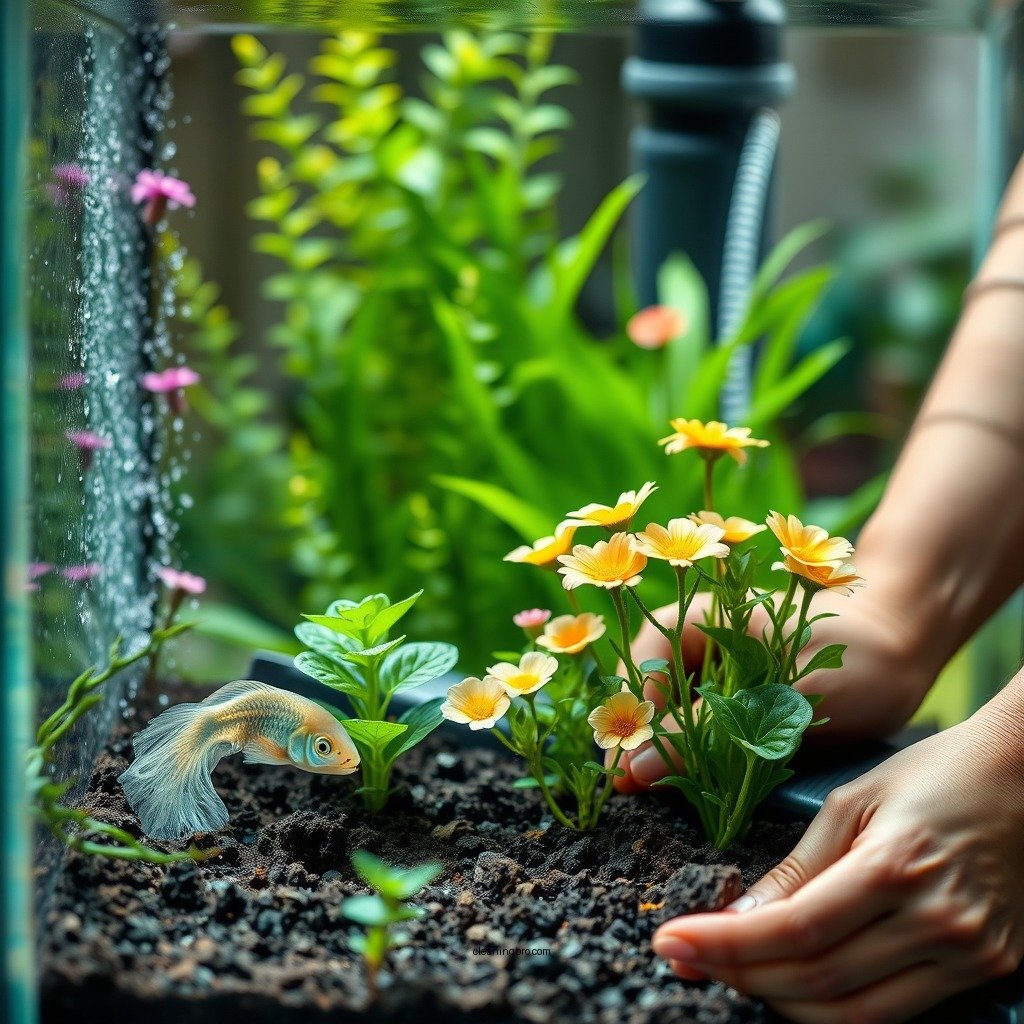
Cleaning a planted fish tank is essential for maintaining a healthy environment for your aquatic life and plants. To effectively clean your tank, you’ll need to perform routine maintenance, balance water quality, and ensure the wellbeing of your plants and fish. This guide will walk you through the necessary steps to keep your planted aquarium clean and thriving.
Understanding the Importance of Regular Cleaning
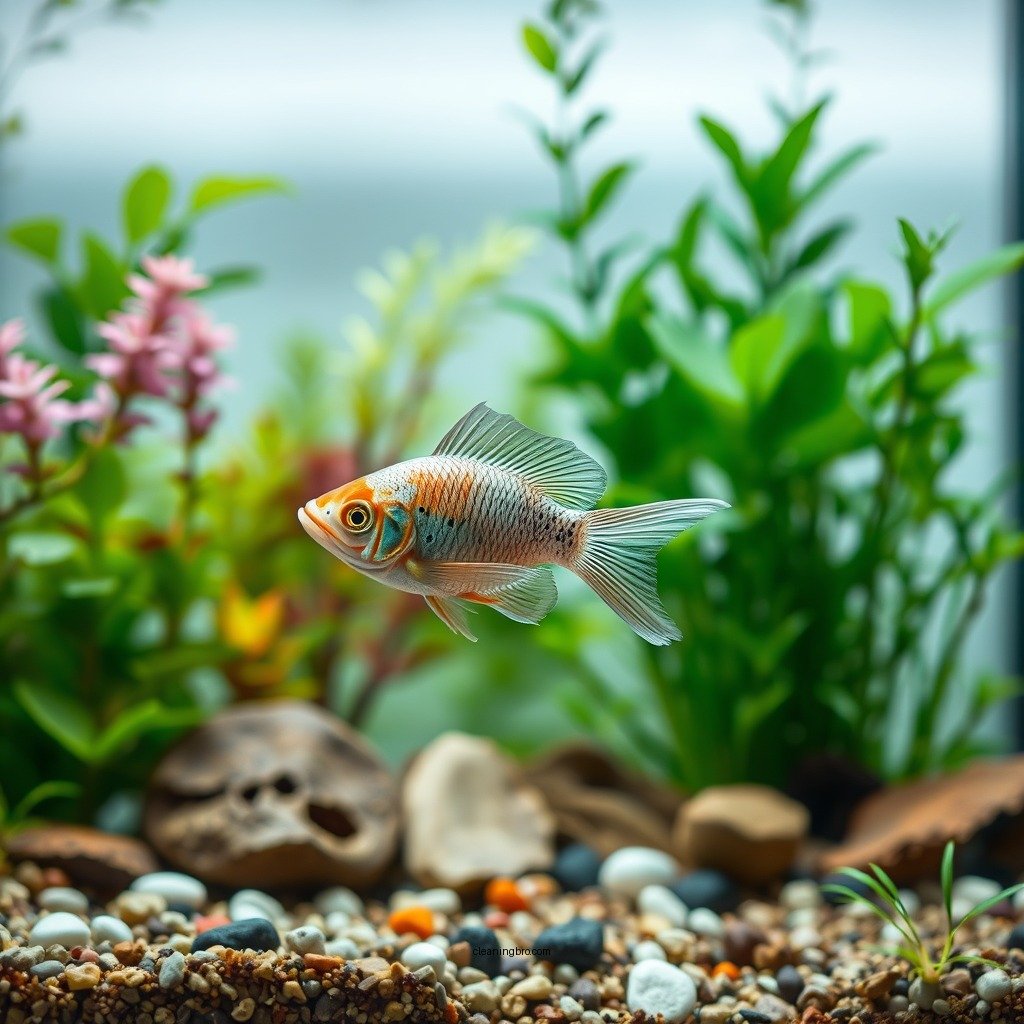
Regular cleaning of your planted fish tank is imperative for several reasons. First and foremost, it prevents algae buildup, which can quickly proliferate in a nutrient-rich environment. Algae can cause unsightly green films on glass and decorations, competing with your plants for light and nutrients. Moreover, a clean tank reduces the risk of harmful bacteria and pathogens that could endanger your fish.
Additionally, maintaining water quality is essential for the health of your fish and the growth of aquatic plants. Fish thrive in clean, well-oxygenated water, while plants rely on balanced nutrients and light. Routine cleaning helps to remove waste, uneaten food, and organic debris that can degrade water quality, leading to issues such as ammonia spikes or low oxygen levels. Regular cleaning is a proactive approach to ensuring your aquarium remains a flourishing habitat.
Tools and Supplies Needed
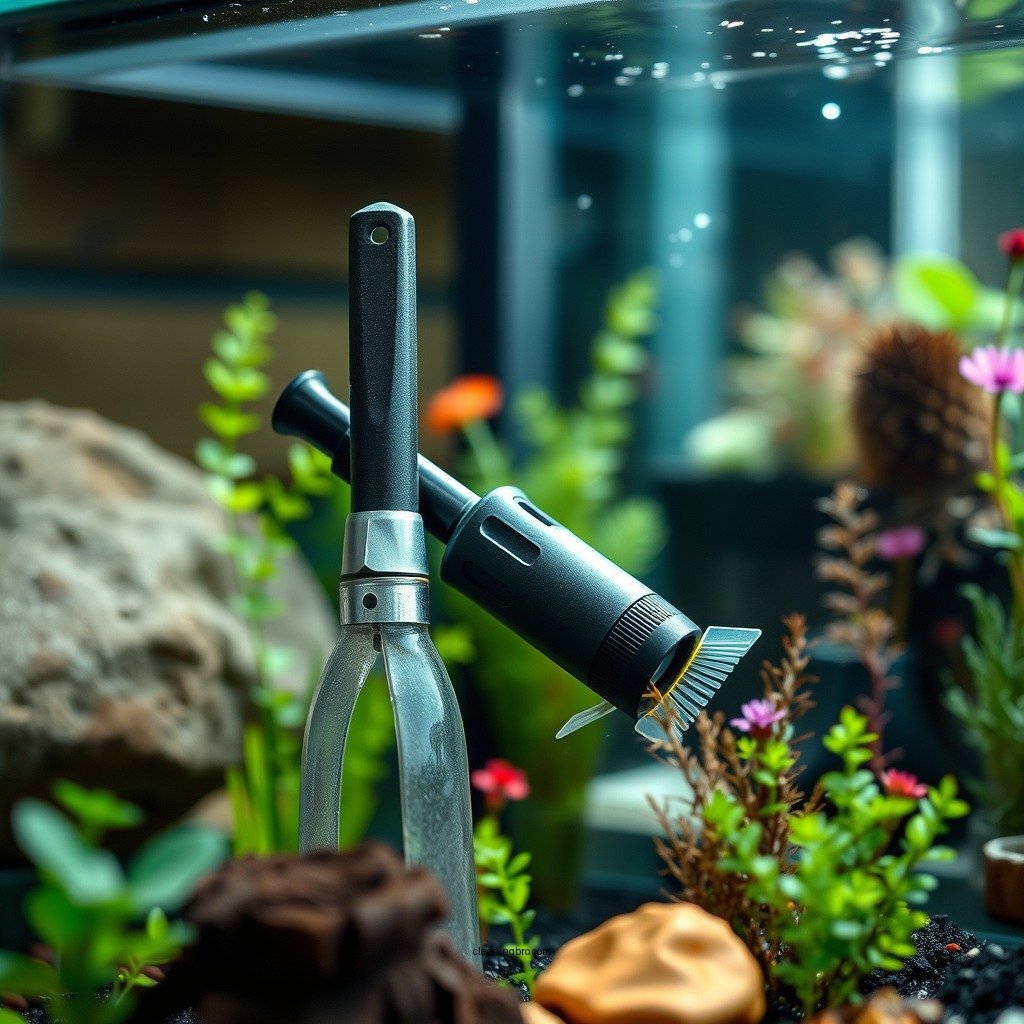
Before you begin the cleaning process, it is crucial to gather the necessary tools and supplies. Here’s a list of essentials you will need:
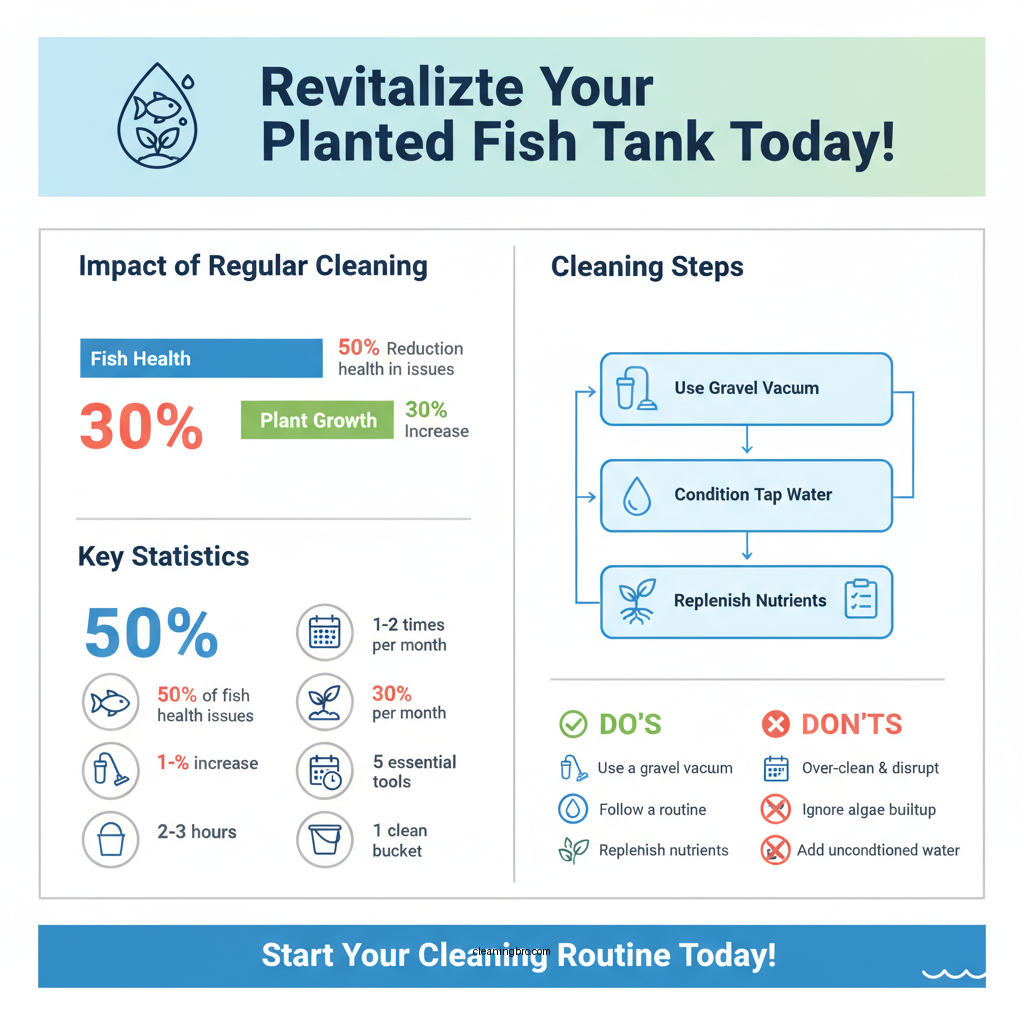
– Siphon or Gravel Vacuum: This tool is invaluable for removing debris from the substrate without disturbing the plants excessively.
– Algae Scrubbers or Soft Sponges: These tools are specifically designed for cleaning the glass and surfaces of the aquarium without scratching them.
– Water Conditioner: Essential for treating tap water before adding it to your tank to eliminate harmful chemicals like chlorine and chloramine.
– Bucket: Use a clean bucket specifically designated for aquarium use to avoid contamination.
– Fish Net: Useful for relocating fish temporarily during cleaning.
– Aquatic Plant Fertilizer: Consider replenishing nutrients for your plants after the cleaning process.
Steps to Clean the Tank
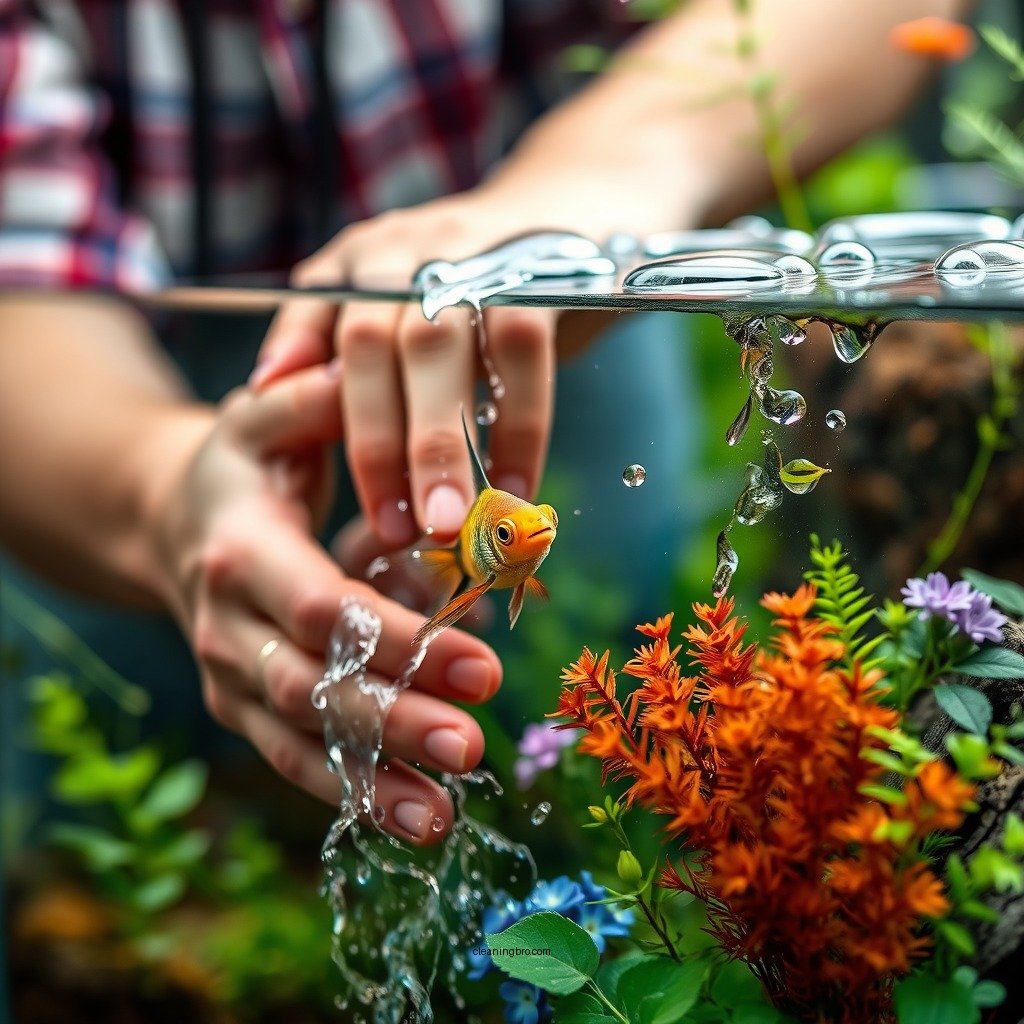
Cleaning your planted fish tank can be straightforward if you follow these organized steps:
1. Turn Off All Electrical Equipment: Always start by turning off filters, heaters, and lights to prevent any accidents or damage during the cleaning process.
2. Remove Decorations and Plants: Carefully take out any decorations and plants that might be disturbed during the cleaning. If your plants are well-established, handle them gently to avoid uprooting.
3. Use a Siphon to Remove Debris: Begin siphoning the substrate to remove debris and waste. Aim to change about 10-20% of the water during this process, which helps in diluting any toxins without stressing the fish.
4. Replace Removed Water: After siphoning, add back the treated water, ensuring it matches the tank’s temperature to prevent shocking your fish.
5. Clean the Filter: If your filter media appears dirty, rinse it in tank water to preserve beneficial bacteria. Avoid using tap water, as it may contain chlorine.
Common Fish Tank Sizes and Their Maintenance Needs
| # | Tank Size (Gallons) | Maintenance Frequency | Recommended Water Change (%) | Ideal Plants |
|---|---|---|---|---|
| 1 | 5-10 | Weekly | 20-30% | Java Fern, Anubias |
| 2 | 20-30 | Bi-weekly | 15-25% | Cryptocoryne, Bacopa |
| 3 | 50-75 | Monthly | 10-20% | Amazon Sword, Water Wisteria |
| 4 | 100+ | Every 2 months | 10-15% | Ludwigia, Vallisneria |
| 5 | 10-20 | Weekly | 20-30% | Hornwort, Water Sprite |
| 6 | 30-50 | Monthly | 10-20% | Tiger Lotus, Dwarf Hairgrass |
| 7 | 75-100 | Every 2-3 weeks | 10-15% | Rotala, Echinodorus |
Cleaning the Glass and Decorations
Cleaning the glass and decorations of your planted tank significantly enhances the overall appearance of your aquarium. Here’s how to do it effectively:
1. Use an Algae Scrubber: Start by using an algae scrubber or a soft sponge to clean the inside of the tank glass. This tool helps to remove algae and other build-up without scratching the glass.
2. Rinse Decorations in Tank Water: When cleaning decorations, rinse them in the water you removed from the tank rather than using tap water. This preserves the beneficial bacteria that contribute to your tank’s ecosystem.
3. Avoid Harsh Chemicals: It’s crucial to avoid using any harsh chemicals or detergents, as these can harm your fish and plants. Stick to aquarium-safe cleaning products to ensure the wellbeing of your aquatic inhabitants.
4. Reposition Decor Thoughtfully: Once everything is cleaned, carefully replace the decorations and plants, ensuring that they are stable and not disrupting the substrate.
Maintaining Water Quality Post-Cleaning
After cleaning your tank, maintaining water quality is paramount to ensuring a healthy environment for your fish and plants. Here are the key steps to follow:
1. Test Water Parameters: After you have cleaned the tank, it is essential to test the water parameters, including pH, ammonia, and nitrate levels. This helps you understand the immediate impact of your cleaning on the tank’s ecosystem.
2. Use a Water Conditioner: Always add a water conditioner to the new water before introducing it to the tank. This step is crucial for eliminating harmful substances like chlorine and chloramine from tap water.
3. Consider Beneficial Bacteria: If you notice significant changes in your tank’s ecosystem, consider reintroducing beneficial bacteria. This can help stabilize the biological filtration process and ensure a balanced environment.
4. Monitor Changes: Keep an eye on your fish and plants for any signs of stress or changes in behavior. Regular monitoring will help you identify any potential issues before they escalate.
Aquarium Maintenance Tools Comparison
| Feature | ⭐ Siphon Vacuum | Algae Scrubber | Water Conditioner |
|---|---|---|---|
| Ease of Use | ✅ Simple | ✅ Easy to handle | ✅ User-friendly |
| Effectiveness | ✅ Best for debris removal | ✅ Removes algae effectively | ✅ Essential for safe water |
| Frequency of Use | Every cleaning | As needed | With every water change |
| Price Range | $10-$30 | $5-$20 | $5-$15 |
| Durability | High | Medium | High |
| Maintenance Required | Low | Low | Very Low |
| Effect on Fish | None | Minimal | None |
| Learning Curve | ★ ★ ★ ★ ☆ | ★ ★ ★ ★ ★ | ★ ★ ★ ★ ★ |
| 🏆 Best For | Debris Removal | Algae Control | Water Safety |
Tips for Future Maintenance
To keep your planted fish tank in optimal condition, consider implementing the following tips for future maintenance:
1. Schedule Regular Cleanings: Develop a cleaning schedule based on the size of your tank and the number of fish and plants. For smaller tanks, clean every two weeks; for larger tanks, aim for once a month.
2. Monitor Plant Health: Keep an eye on your plants for signs of nutrient deficiencies, such as yellowing leaves or stunted growth. Adjust your cleaning frequency and fertilization routine accordingly.
3. Manage Algae Growth: Implement preventative measures against algae by ensuring adequate lighting, avoiding overfeeding, and incorporating algae-eating species such as snails or shrimp into your tank.
4. Invest in a Clean-Up Crew: Adding a clean-up crew can help manage waste and algae levels. Species like cherry shrimp, nerite snails, or certain fish can contribute to keeping the tank clean.
5. Stay Informed: Continuously educate yourself about aquarium care by reading articles, joining forums, or consulting with local aquarists. Knowledge is key to successful aquarium maintenance.
Regular cleaning of your planted fish tank is vital to create a healthy habitat for your fish and plants. By following these steps, you can ensure a vibrant and thriving aquarium. Make cleaning a routine part of your aquarium care to enjoy a beautiful aquatic environment for years to come!
Frequently Asked Questions
What is the best way to clean a planted fish tank without harming the plants and fish?
The best way to clean a planted fish tank is to perform regular maintenance while being careful around your plants and fish. Use a siphon to vacuum the substrate gently, avoiding uprooting plants. Perform partial water changes of 10-20% weekly to keep the water clean and healthy, and utilize a soft sponge or algae scraper on the glass to minimize disturbances.
How often should I clean my planted fish tank?
You should clean your planted fish tank every 1-2 weeks, depending on the tank size and the number of fish. Regular maintenance includes removing debris, performing partial water changes, and checking for algae growth. This routine helps maintain optimal water quality and ensures the health of both your plants and fish.
Why is it important to clean a planted fish tank regularly?
Regular cleaning of a planted fish tank is crucial to prevent the buildup of harmful toxins and waste, which can lead to poor water quality. This can stress your fish and hinder plant growth. Maintaining a clean environment promotes a balanced ecosystem where fish and plants can thrive together.
Which cleaning tools are essential for maintaining a planted fish tank?
Essential cleaning tools for maintaining a planted fish tank include a gravel vacuum for substrate cleaning, an algae scraper for the glass, and a soft sponge for any decorations or equipment. Additionally, a water testing kit helps monitor parameters like pH and ammonia levels, ensuring a healthy aquatic environment.
How can I effectively remove algae from my planted fish tank without damaging plants?
To effectively remove algae from a planted fish tank, consider using a combination of manual removal and natural methods. Scrape algae off the glass with an algae scraper, and introduce algae-eating fish or invertebrates like snails to keep it in check. Additionally, make sure to adjust lighting and nutrient levels, as these can contribute to excessive algae growth.
References
- Aquarium
https://en.wikipedia.org/wiki/Aquarium - https://www.ncbi.nlm.nih.gov/pmc/articles/PMC4104696/
https://www.ncbi.nlm.nih.gov/pmc/articles/PMC4104696/ - https://www.sciencedirect.com/topics/agricultural-and-biological-sciences/aquarium-keeping
https://www.sciencedirect.com/topics/agricultural-and-biological-sciences/aquarium-keeping - https://www.abc.net.au/education/life-in-the-tank-how-to-clean-an-aquarium/12462768
https://www.abc.net.au/education/life-in-the-tank-how-to-clean-an-aquarium/12462768 - https://www.thoughtco.com/how-to-clean-an-aquarium-1388937
https://www.thoughtco.com/how-to-clean-an-aquarium-1388937 - Aquarium | Setup, Fish & Supplies | Britannica
https://www.britannica.com/science/aquarium - Google Scholar Google Scholar
https://scholar.google.com/scholar?q=clean+planted+fish+tank - Google Scholar Google Scholar
https://scholar.google.com/scholar?q=fish+tank+maintenance - Google Scholar Google Scholar
https://scholar.google.com/scholar?q=aquarium+cleaning+methods - Google Scholar Google Scholar
https://scholar.google.com/scholar?q=how+to+clean+a+planted+fish+tank