How to Clean Calcium Deposits from Swimming Pool Tiles
Cleaning calcium deposits from swimming pool tiles requires a combination of proper tools and techniques to restore their shine. Effective methods for removing stubborn calcium buildup include using both commercial products and homemade solutions. With the right approach, you can maintain the aesthetic appeal of your pool tiles and prevent further maintenance issues.
Understanding Calcium Deposits
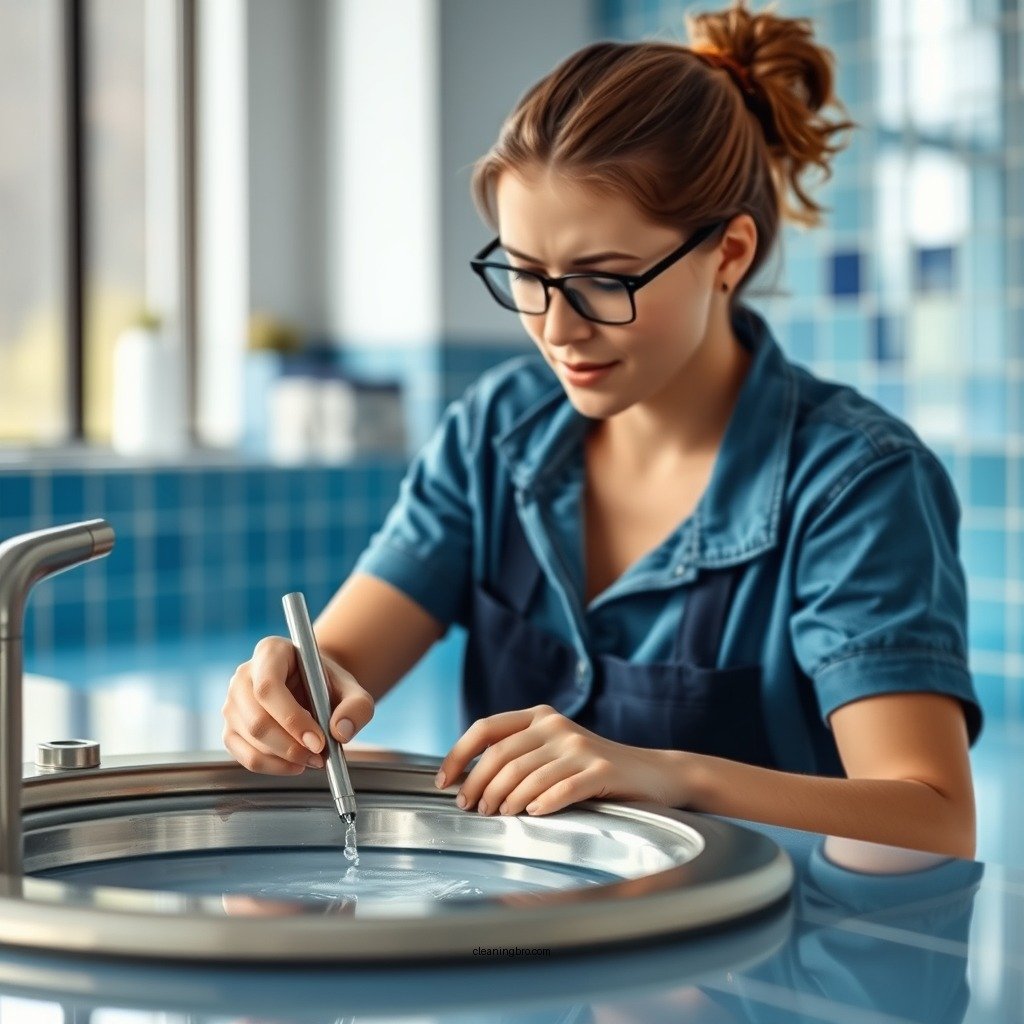
Calcium deposits, often referred to as limescale, form primarily due to hard water, which is rich in minerals like calcium and magnesium. When water evaporates or is subjected to heat, these minerals precipitate and adhere to surfaces, particularly in environments like swimming pools. Over time, these deposits can create unsightly stains on tiles, making your pool less inviting. Beyond aesthetics, if left untreated, calcium buildup can lead to more significant issues, such as damage to your pool’s filtration system or other components. Understanding the cause of these deposits is the first step in preventing and effectively cleaning them.
Essential Tools and Materials
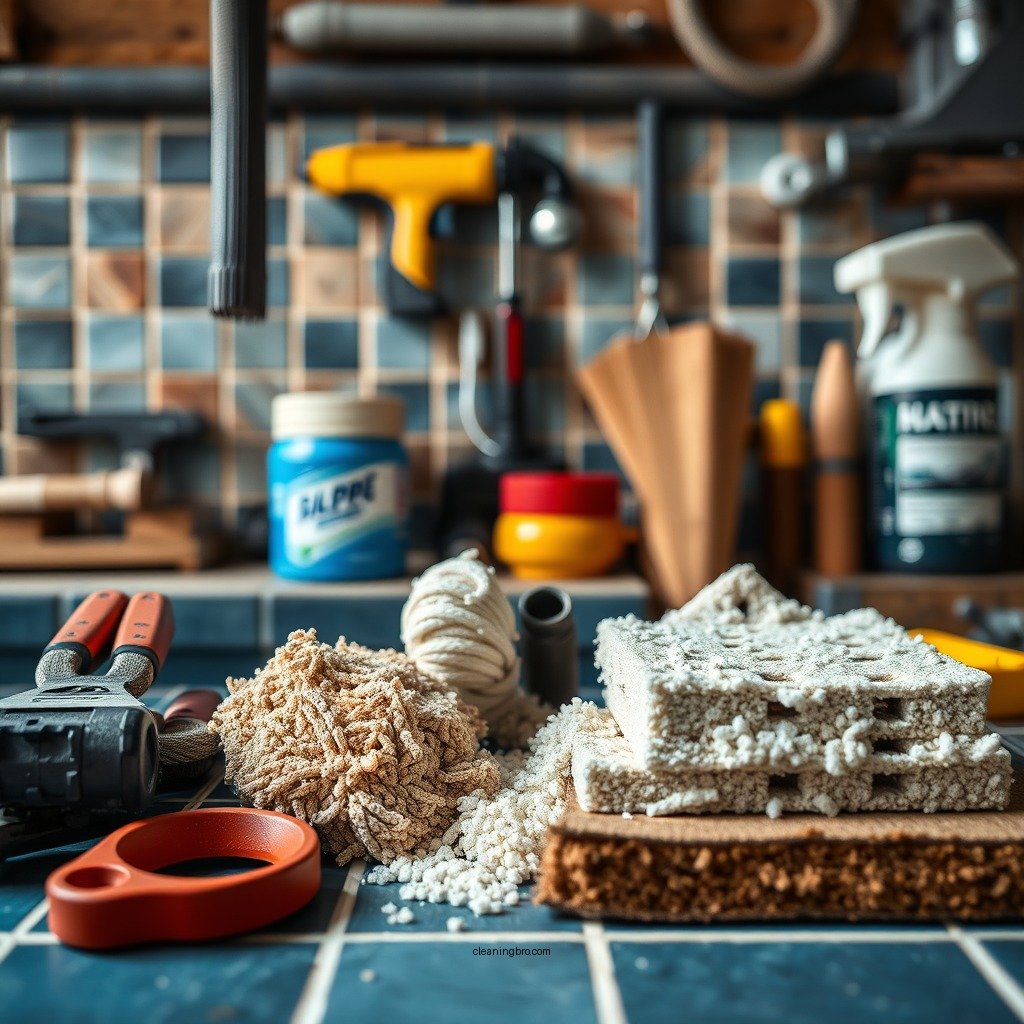
To tackle calcium deposits effectively, you will need a few essential tools and materials:
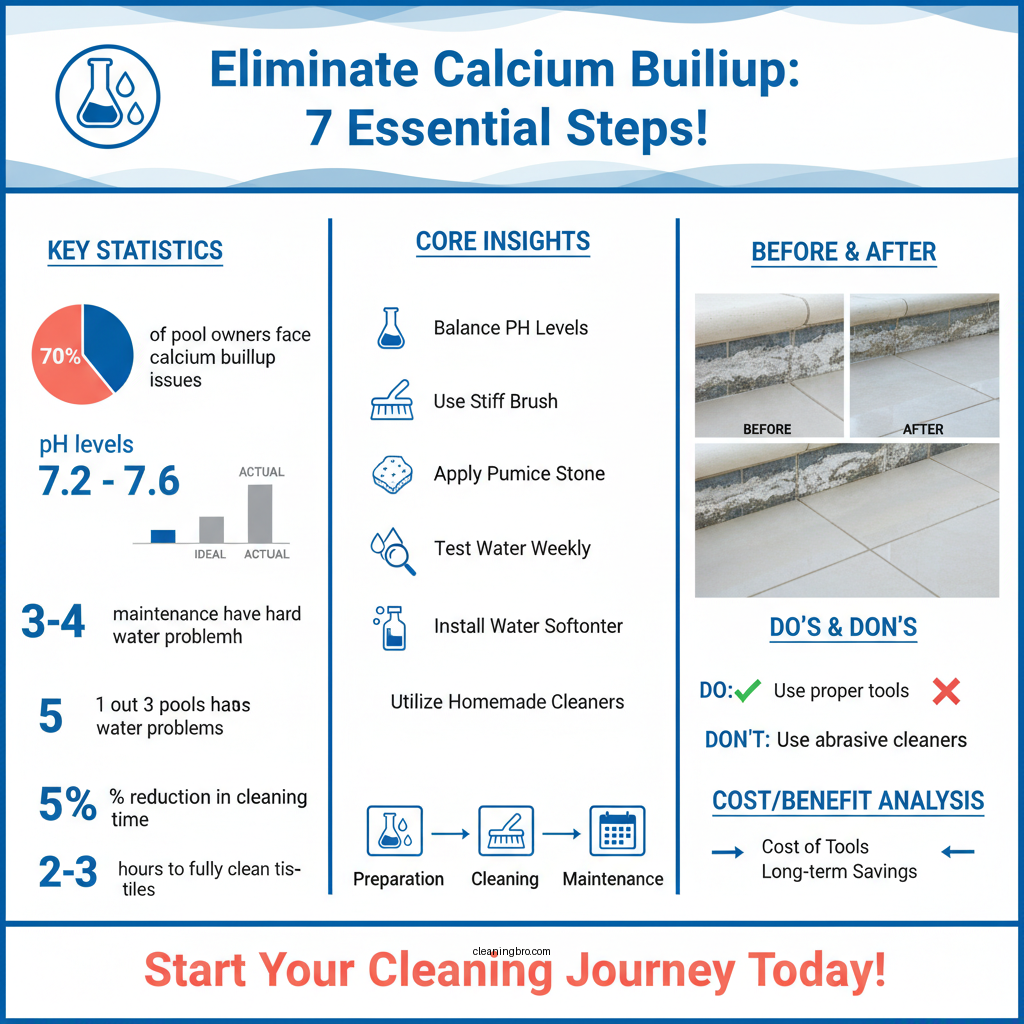
– pH Balancer: Before cleaning, it’s crucial to ensure that your pool’s pH levels are balanced, ideally between 7.2 and 7.6. This will help prevent further calcium buildup during the cleaning process.
– Scrub Brush: A stiff-bristled scrub brush will help remove stubborn deposits without scratching your tiles.
– Pumice Stone: Ideal for tough stains, pumice stones can be used to gently scrub away deposits on ceramic tiles without causing damage.
– Magic Eraser: A popular cleaning tool, magic erasers are effective for removing light stains and are non-abrasive.
– Calcium Remover: For more severe cases, consider a commercial calcium remover that is specifically designed for swimming pools.
– Homemade Solutions: A mixture of vinegar (or lemon juice) and baking soda can serve as an effective natural cleaner.
By gathering these essential tools, you will be well-equipped to tackle calcium deposits effectively.
Routine Maintenance Tips
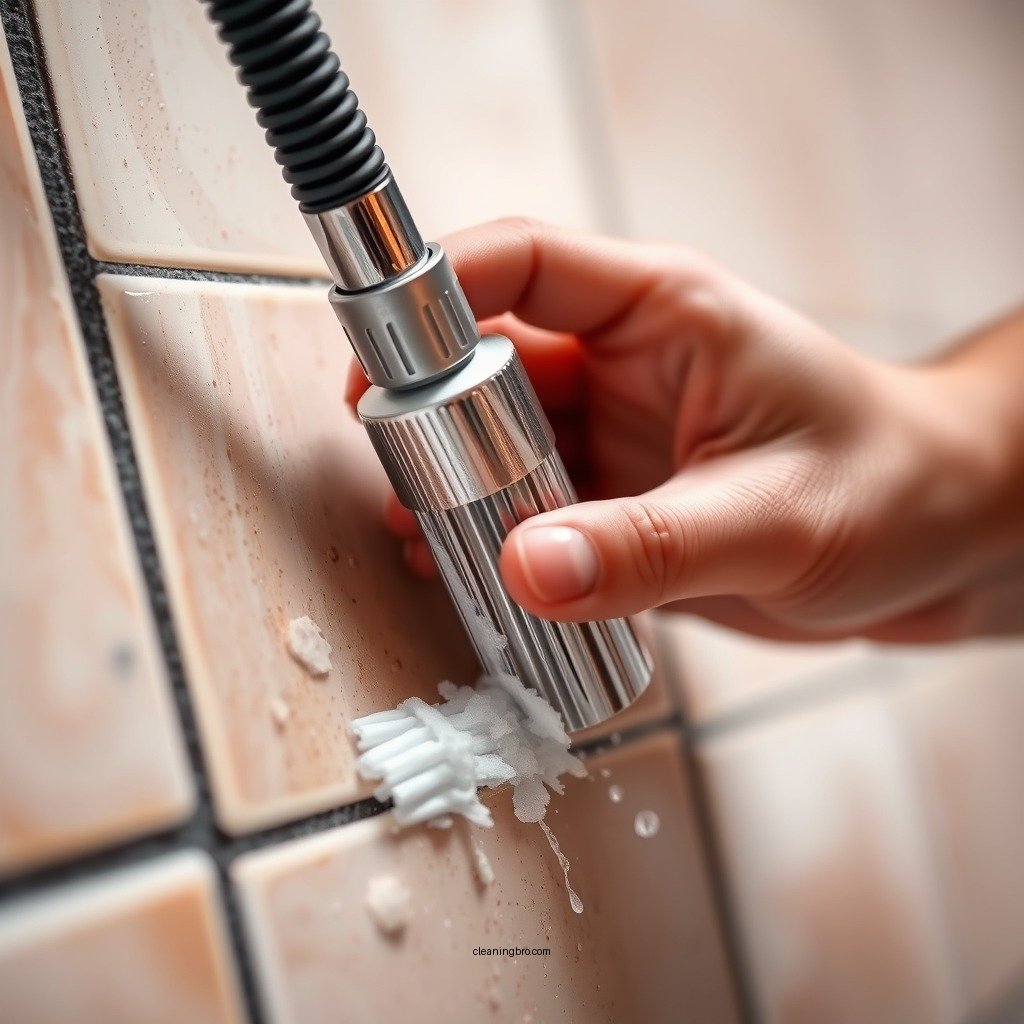
Preventing calcium buildup is far more manageable than cleaning it once it becomes severe. Here are some routine maintenance tips to keep your pool tiles looking their best:
– Regularly Test pH Levels: Use a water testing kit to check your pool’s pH levels at least once a week. Keeping pH levels balanced not only helps in preventing calcium deposits but also maintains overall water quality.
– Use a Water Softener: If you live in an area with particularly hard water, consider installing a water softener for your pool. This can significantly reduce mineral content and prevent the formation of calcium deposits.
– Implement a Cleaning Schedule: Establish a regular cleaning schedule that includes scrubbing the tiles and checking for calcium buildup. This could be weekly or bi-weekly, depending on pool usage.
– Use Pool Cover: When not in use, cover your pool to minimize evaporation and reduce the chances of mineral buildup.
Incorporating these maintenance tips can go a long way in keeping your pool tiles pristine and free of calcium deposits.
Top 7 Pool Tile Cleaning Methods (2024)
| # | Method | Effectiveness | Ease of Use | Cost |
|---|---|---|---|---|
| 1 | Vinegar Solution | High | Easy | Low |
| 2 | Calcium Remover | Very High | Moderate | Medium |
| 3 | Baking Soda Paste | Moderate | Easy | Very Low |
| 4 | Pumice Stone | High | Moderate | Low |
| 5 | Magic Eraser | Moderate | Easy | Very Low |
| 6 | Pressure Washer | Very High | Moderate | Medium |
| 7 | Vinegar and Water Solution | High | Easy | Low |
Step-by-Step Cleaning Process
Cleaning calcium deposits from your pool tiles can be a straightforward process if done correctly. Here’s a step-by-step guide to help you through:
1. Drain a Portion of the Pool Water: Begin by draining enough water to expose the tiles that require cleaning. This allows for easier access and prevents any cleaning solution from diluting in the water.
2. Balance the pH Levels: Before applying any cleaning solution, it’s advisable to check and balance the pool’s pH levels. This will optimize the effectiveness of your chosen cleaning method.
3. Apply a Cleaning Solution: There are several options to choose from:
– Commercial Calcium Remover: Follow the manufacturer’s instructions for application.
– Homemade Vinegar Solution: Mix equal parts of vinegar and water in a spray bottle, apply it directly on the calcium deposits, and let it sit for about 15-20 minutes.
4. Scrub the Tiles: Using a scrub brush or pumice stone, gently scrub the affected areas. Be careful not to apply too much pressure, as this can scratch the tiles. For persistent stains, a magic eraser can be effective.
5. Rinse Thoroughly: After scrubbing, rinse the tiles with clean water to remove any residual cleaning solution and loosened deposits.
6. Recheck and Repeat if Necessary: Inspect the tiles for any remaining deposits. If necessary, repeat the cleaning process until the tiles are clean.
By following these steps, you can effectively remove calcium deposits and restore the shine to your swimming pool tiles.
Alternative Cleaning Methods
If traditional cleaning methods do not yield satisfactory results, consider these alternative approaches:
– Pressure Washer: For larger deposits or areas that are hard to reach, using a pressure washer can be an efficient solution. This method is particularly effective for extensive calcium buildup on tile surfaces.
– Commercial Pool Cleaning Products: Various commercial products are designed specifically for pool maintenance. These can provide more potent solutions for stubborn calcium deposits. Always follow the manufacturer’s instructions for the best results.
– Professional Services: In cases of extensive or persistent calcium buildup, hiring a professional pool cleaning service may be the most effective option. Professionals have access to specialized tools and chemicals that can effectively remove deposits while ensuring the safety of your pool.
Safety Precautions
When cleaning calcium deposits, it’s essential to prioritize safety. Here are some precautions to consider:
– Wear Protective Gear: Always wear gloves and goggles to protect yourself from chemicals and debris during the cleaning process.
– Ensure Proper Ventilation: If using strong chemical cleaners, ensure adequate ventilation in the area to avoid inhaling any harmful fumes.
– Keep Chemicals Away from Children and Pets: Store all cleaning solutions in a secure location away from children and pets to prevent accidental exposure or ingestion.
By taking these precautions, you can ensure a safe cleaning experience while maintaining your pool.
When to Seek Professional Help
While many homeowners can manage minor calcium buildup on their own, there are instances when professional help is warranted:
– Extensive Calcium Deposits: If you notice large or persistent deposits that resist your cleaning efforts, it may be time to consult a professional.
– Potential Damage: If you suspect that the calcium buildup may be causing damage to your pool’s structure or filtration system, it is advisable to seek expert assistance to prevent further issues.
– Time Constraints: For those with busy schedules or limited time, hiring a professional service can save you time and ensure that the job is done correctly.
In conclusion, keeping your swimming pool tiles free of calcium deposits is vital for both beauty and longevity. By utilizing the right cleaning methods and maintaining a regular upkeep schedule, you can enjoy a sparkling clean pool all season long. Start your cleaning today and implement these tips to prevent future issues, ensuring your pool remains a refreshing oasis.
Frequently Asked Questions
What causes calcium buildup on swimming pool tiles?
Calcium buildup on swimming pool tiles is typically caused by hard water, which contains high levels of calcium and magnesium. Over time, as water evaporates, these minerals are left behind, forming unsightly white stains or scale. Additionally, pH imbalances and inadequate water circulation can exacerbate this issue, making regular maintenance essential.
How can I effectively remove calcium deposits from my pool tiles?
To effectively remove calcium deposits from pool tiles, you can use a mixture of vinegar and water or a commercial calcium remover specifically designed for pool surfaces. Apply the solution to the affected areas using a soft brush, allowing it to sit for a few minutes before scrubbing gently. Rinse thoroughly with water to prevent any residue from remaining on the tiles.
Why is it important to clean calcium from swimming pool tiles regularly?
Regularly cleaning calcium from swimming pool tiles is important to maintain not only the aesthetic appeal of your pool but also the longevity of the tiles. Calcium deposits can lead to rough surfaces, making it easier for algae and dirt to accumulate, which can affect water quality and increase maintenance efforts. Keeping your pool tiles clean ensures a more enjoyable swimming experience and a healthier pool environment.
What is the best method for preventing calcium buildup in my swimming pool?
The best method for preventing calcium buildup in your swimming pool is to maintain balanced water chemistry, particularly by regularly testing and adjusting pH and alkalinity levels. Additionally, using a water conditioner or a sequestering agent can help prevent calcium from precipitating out of the water. Regularly brushing the tiles and ensuring proper water circulation also play a crucial role in minimizing calcium deposits.
Which tools are recommended for cleaning calcium from pool tiles?
Recommended tools for cleaning calcium from pool tiles include a soft-bristled brush, a pumice stone for tougher stains, and a bucket for mixing cleaning solutions. For more stubborn deposits, a tile cleaning sponge or a specialized pool tile scrubber can be very effective. Always avoid using abrasive tools that could scratch the tile surface, as this can lead to further buildup and damage.
References
- Swimming pool
https://en.wikipedia.org/wiki/Swimming_pool - https://www.cdc.gov/healthywater/swimming/pools/index.html
https://www.cdc.gov/healthywater/swimming/pools/index.html - https://www.sciencedirect.com/topics/earth-and-planetary-sciences/calcium-carbonate
https://www.sciencedirect.com/topics/earth-and-planetary-sciences/calcium-carbonate - https://www.nature.com/articles/s41598-020-69344-1
https://www.nature.com/articles/s41598-020-69344-1 - https://www.bbc.com/future/article/20200212-how-to-clean-your-swimming-pool-the-science
https://www.bbc.com/future/article/20200212-how-to-clean-your-swimming-pool-the-science - https://pubmed.ncbi.nlm.nih.gov/29105562/
https://pubmed.ncbi.nlm.nih.gov/29105562/ - https://www.mayoclinic.org/healthy-lifestyle/consumer-health/in-depth/cleaning-your-pool/art-20046010
https://www.mayoclinic.org/healthy-lifestyle/consumer-health/in-depth/cleaning-your-pool/art-20046010 - Google Scholar Google Scholar
https://scholar.google.com/scholar?q=clean+calcium+from+swimming+pool+tiles - Google Scholar Google Scholar
https://scholar.google.com/scholar?q=calcium+removal+swimming+pool - Google Scholar Google Scholar
https://scholar.google.com/scholar?q=swimming+pool+tile+cleaning+methods