How to Clean Chopsticks: Simple and Effective Methods
Cleaning chopsticks is straightforward and requires just a few effective methods. Whether your chopsticks are made of wood, bamboo, plastic, or metal, knowing the right cleaning techniques will help maintain their quality and hygiene. In this article, you’ll learn how to properly clean your chopsticks to keep them in great condition.
Choosing the Right Cleaning Method
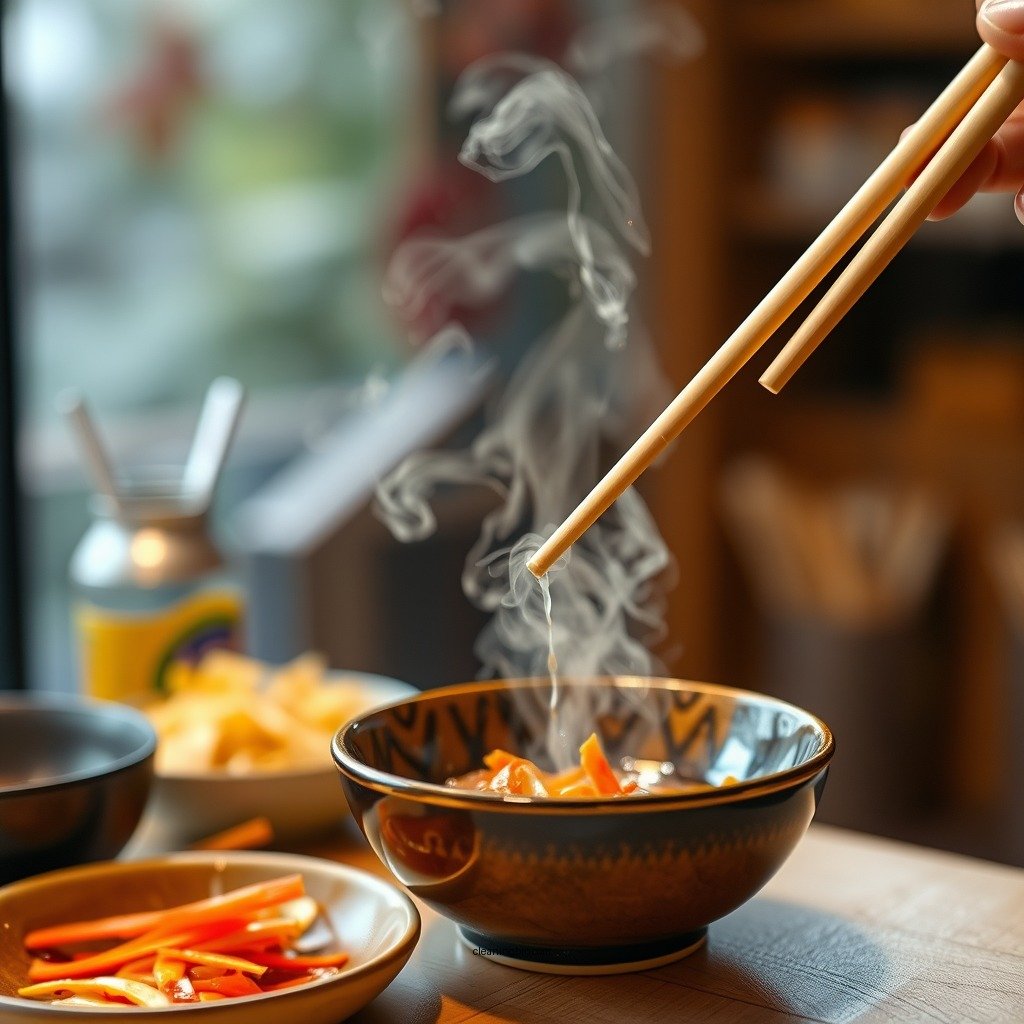
Understanding the material of your chopsticks is crucial for selecting the appropriate cleaning method. Different materials require different care to prevent damage and maintain their integrity. For instance, wooden and bamboo chopsticks are more porous and can absorb water and odors, making them more susceptible to warping and deterioration. Therefore, they should be cleaned gently with non-abrasive tools. On the other hand, plastic and metal chopsticks are generally more durable but may still scratch or tarnish if cleaned improperly.
Opt for gentle cleaning methods to avoid damaging the surface. Avoid using harsh chemicals or abrasive sponges which can degrade the quality of the chopsticks over time. Instead, focus on simple household solutions that are both effective and safe.
Hand Washing Your Chopsticks
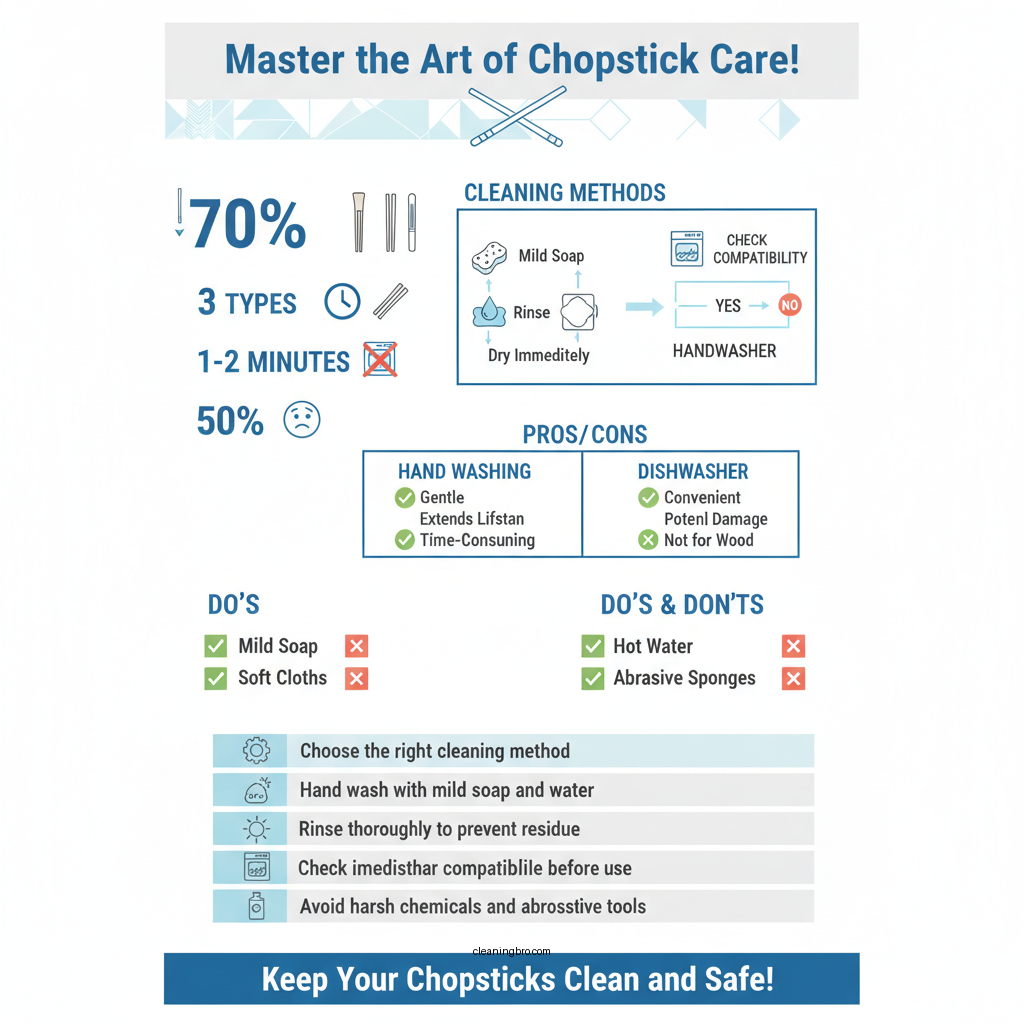
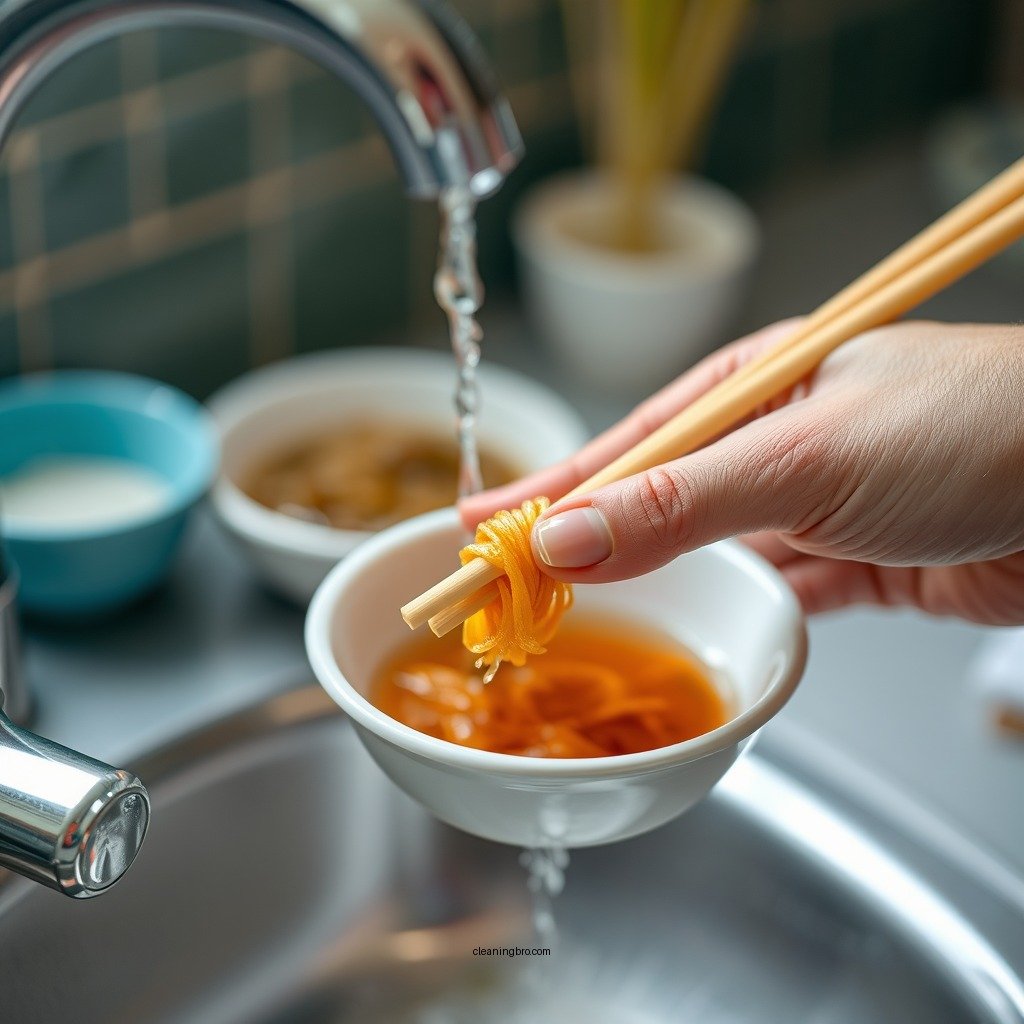
Hand washing is the most traditional and safest method for cleaning chopsticks, especially those made from wood or bamboo.
1. Preparation: Start by filling a basin or sink with warm water and add a few drops of mild dish soap. Avoid hot water, as it can warp wooden chopsticks.
2. Cleaning: Using a soft sponge or cloth, gently scrub the chopsticks. Pay special attention to the ends where food residue tends to accumulate. If necessary, use a soft-bristled brush to reach any crevices.
3. Rinsing: Rinse the chopsticks thoroughly under running hot water to ensure all soap is removed. This step is essential to prevent any soap residue from affecting the taste of your food during the next use.
4. Drying: After rinsing, dry the chopsticks immediately with a soft cloth to prevent water spots and mold growth.
Using a Dishwasher
Dishwashing can be a convenient option for cleaning chopsticks, but it’s essential to check if they are dishwasher safe before placing them in the machine.
1. Checking Compatibility: Many plastic and metal chopsticks are dishwasher safe, while wooden and bamboo varieties are typically not recommended for dishwashing due to the risk of warping and cracking caused by heat and moisture.
2. Placing in the Dishwasher: For those that are safe to wash in a dishwasher, place them on the top rack. This position is further from the heating element, which helps prevent warping.
3. Selecting a Cycle: Choose a gentle wash cycle and avoid high-temperature settings.
4. Post-Cleaning Care: Once the cycle is complete, remove the chopsticks promptly and allow them to air dry completely before storing them.
Dealing with Stains and Odors
Over time, chopsticks may develop stains or odors, particularly if they are made from wood or bamboo. Here are effective methods to address these issues:
1. Baking Soda Paste: Create a paste using baking soda and water. Apply this paste to the stained areas and let it sit for about 15 minutes before scrubbing gently with a sponge. Rinse thoroughly afterward.
2. Vinegar Soak: For odors that persist, soak wooden chopsticks in a mixture of equal parts vinegar and water for a few minutes. The acidity of the vinegar helps neutralize odors and remove stubborn stains.
3. Lemon Juice: A natural alternative is lemon juice, which can help eliminate odors and impart a fresh scent. Simply rub a half lemon over the chopsticks and rinse with water.
Top 7 Types of Chopsticks by Material (2023)
| # | Material | Durability | Hygiene | Maintenance |
|---|---|---|---|---|
| 1 | Wood | Medium | Low | High |
| 2 | Bamboo | Medium | Medium | High |
| 3 | Plastic | High | High | Low |
| 4 | Metal | Very High | High | Medium |
| 5 | Ceramic | High | High | Medium |
| 6 | Silicone | Medium | High | Low |
| 7 | Composite | High | Medium | Medium |
Drying and Storing Chopsticks Properly
Proper drying and storage of chopsticks are vital to prevent moisture buildup, which can lead to mold and unpleasant odors. Here are some tips to ensure your chopsticks remain in optimal condition:
1. Air Drying: After washing, place the chopsticks upright in a cup or a holder to allow air to circulate around them and facilitate complete drying. Avoid placing them in a drawer while they are still damp.
2. Storage Solutions: Use a dedicated chopstick holder or a drawer lined with a clean cloth to store them. This prevents contamination and keeps them organized. If you use a holder, ensure it is clean and dry.
3. Avoid Plastic Bags: Do not store chopsticks in plastic bags or containers for extended periods, as this can trap moisture and promote mold growth.
Regular Maintenance Tips
Maintaining your chopsticks is essential for their longevity and hygiene. Here are some regular maintenance tips:
1. Daily Cleaning: Clean chopsticks after each use to prevent the buildup of food residue and bacteria. This practice not only keeps them hygienic but also ensures they remain in good condition.
2. Inspection: Regularly inspect your chopsticks for any signs of wear, such as splintering, cracking, or discoloration. If you notice any damage, it may be time to replace them to avoid any health risks associated with using compromised utensils.
3. Occasional Deep Cleaning: For wooden and bamboo chopsticks, consider deep cleaning them every few months using the baking soda paste or vinegar soak method mentioned earlier. This will help maintain their appearance and extend their life.
Wood vs Bamboo vs Plastic Chopsticks: Feature Comparison
| Feature | ⭐ Wood | Bamboo | Plastic |
|---|---|---|---|
| Price | $5-$20 | $3-$15 | $1-$10 |
| Durability | Medium | Medium | High |
| Hygiene | Low | Medium | High |
| Maintenance | High | Medium | Low |
| Taste | Natural | Natural | Plastic |
| Environmental Impact | Medium | Low | High |
| Grip | Good | Good | Poor |
| Aesthetic Appeal | High | High | Medium |
| Availability | Common | Common | Widely Available |
| 🏆 Best For | Traditionalists | Eco-conscious Users | Convenience Seekers |
Keeping your chopsticks clean is essential for both hygiene and longevity. By following these simple methods, you can ensure they remain in great condition for all your dining experiences. Regular maintenance, proper cleaning, and mindful storage will help you enjoy your chopsticks for years to come. Don’t wait—start cleaning your chopsticks today for a healthier dining experience!
Frequently Asked Questions
What is the best way to clean wooden chopsticks?
The best way to clean wooden chopsticks is to hand wash them with warm, soapy water immediately after use. Avoid soaking them for long periods as this can cause warping. Use a soft sponge or cloth to gently scrub them, and rinse thoroughly before allowing them to air dry completely.
How do I remove stubborn stains from my chopsticks?
To remove stubborn stains from chopsticks, make a paste of baking soda and water and gently scrub the stained areas with a soft cloth or sponge. Alternatively, you can use a mixture of vinegar and water for its natural whitening properties. Always rinse well after cleaning to ensure no residue remains.
Why is it important to clean chopsticks properly?
Cleaning chopsticks properly is crucial to prevent the growth of bacteria and to maintain hygiene, especially since they often come into contact with food. Residue from sauces or food particles can lead to unpleasant odors and flavors, making your dining experience less enjoyable. Proper care can also extend the life of your chopsticks.
Which materials are best for chopsticks to ensure easy cleaning?
Bamboo and stainless steel chopsticks are generally the easiest to clean. Bamboo is lightweight and naturally antibacterial, while stainless steel is non-porous and dishwasher safe, making it resistant to stains and odors. Choosing high-quality materials can make the cleaning process more efficient and help maintain hygiene.
How often should I clean my chopsticks to ensure they stay in good condition?
You should clean your chopsticks after every use to ensure they remain in good condition and free from bacteria. Regular cleaning helps prevent food residue buildup and staining. If you notice any signs of wear or damage, consider replacing them to maintain a safe and enjoyable eating experience.
References
- Chopsticks
https://en.wikipedia.org/wiki/Chopsticks - https://www.ncbi.nlm.nih.gov/pmc/articles/PMC5603827/
https://www.ncbi.nlm.nih.gov/pmc/articles/PMC5603827/ - https://www.mayoclinic.org/healthy-lifestyle/nutrition-and-healthy-eating/expert-answers/chopsticks/faq-20057844
https://www.mayoclinic.org/healthy-lifestyle/nutrition-and-healthy-eating/expert-answers/chopsticks/faq-20057844 - https://www.cdc.gov/foodsafety/communication/cleaning.html
https://www.cdc.gov/foodsafety/communication/cleaning.html - https://www.sciencedirect.com/topics/agricultural-and-biological-sciences/chopsticks
https://www.sciencedirect.com/topics/agricultural-and-biological-sciences/chopsticks - https://www.theguardian.com/lifeandstyle/2021/jun/15/how-to-clean-chopsticks
https://www.theguardian.com/lifeandstyle/2021/jun/15/how-to-clean-chopsticks - https://www.bbc.com/future/article/20201106-how-to-use-chopsticks-like-a-pro
https://www.bbc.com/future/article/20201106-how-to-use-chopsticks-like-a-pro - Google Scholar Google Scholar
https://scholar.google.com/scholar?q=how+to+clean+chopsticks - Google Scholar Google Scholar
https://scholar.google.com/scholar?q=cleaning+chopsticks+sanitation - Google Scholar Google Scholar
https://scholar.google.com/scholar?q=chopsticks+maintenance+cleaning+methods