How to Clean Ghosting on Walls: Effective Methods
Cleaning ghosting on walls is straightforward: you can effectively remove these dark streaks by using a combination of cleaning solutions and techniques. Ghosting is a common issue many homeowners face, often caused by contaminants settling on surfaces over time. In this article, you’ll learn about the causes of ghosting, the best cleaning methods, and tips to prevent future occurrences.
Understanding Ghosting on Walls
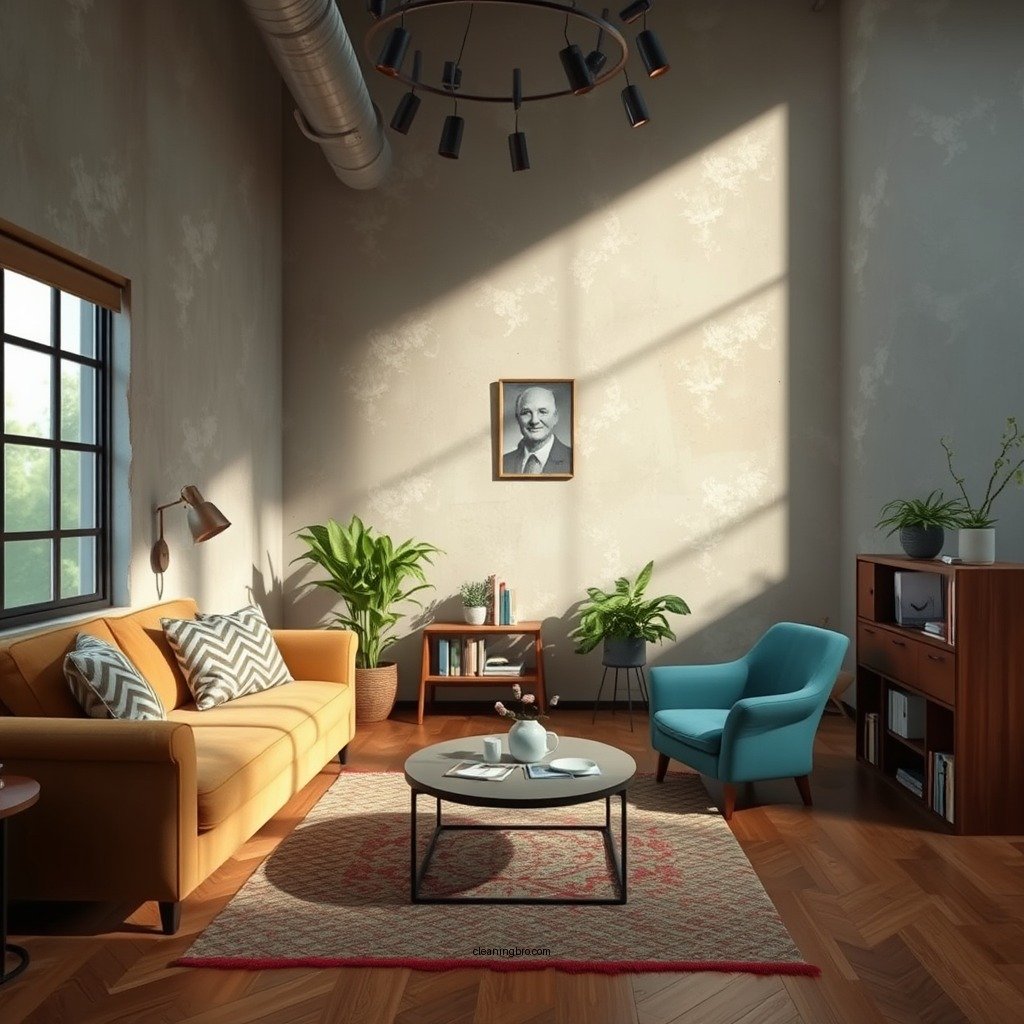
Ghosting refers to the appearance of dark streaks or shadowy marks that develop on walls, typically along the edges of painted surfaces or where furniture meets the wall. This unsightly phenomenon is often more noticeable on lighter-colored walls and can detract from the overall aesthetic of a room. The primary causes of ghosting include smoke from cooking or tobacco, high humidity levels that encourage mold and mildew growth, and a buildup of dust and dirt particles that cling to wall surfaces. Additionally, ghosting can be exacerbated by inadequate ventilation, which allows contaminants to settle without being dispersed.
Essential Cleaning Supplies
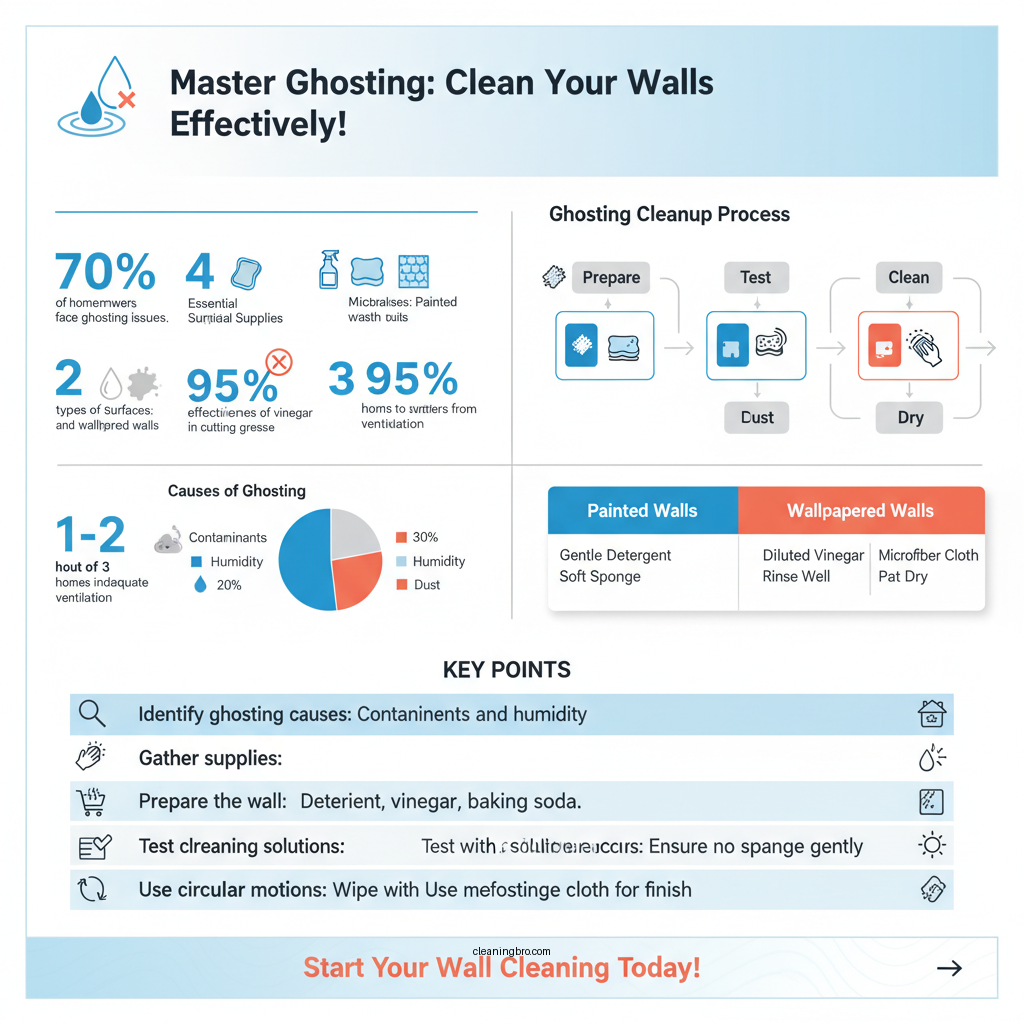
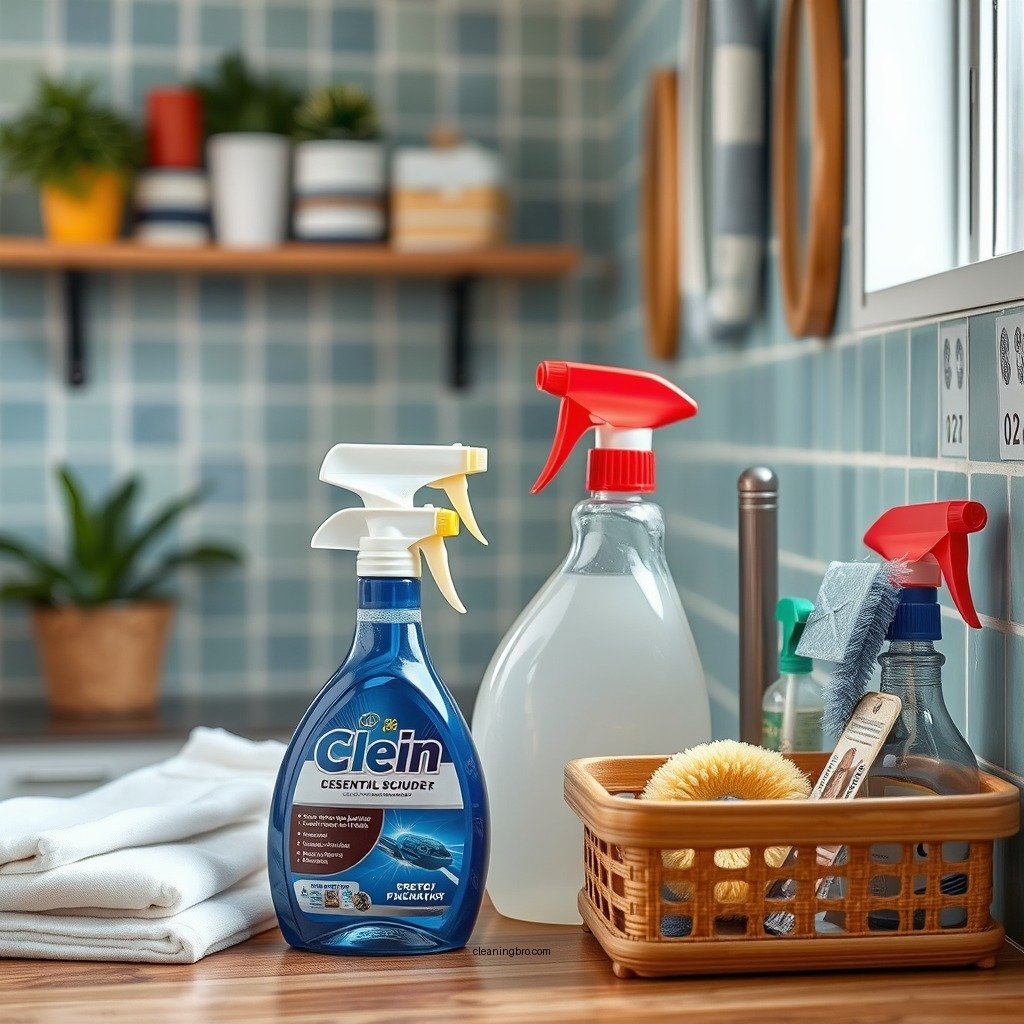
To effectively tackle ghosting, it’s essential to gather the right cleaning supplies. Here’s a list of necessary cleaning products:
– Mild detergent: A gentle dish soap or all-purpose cleaner works well.
– White vinegar: A natural disinfectant that also helps cut through grease.
– Baking soda: An effective abrasive that can lift stains without damaging surfaces.
– Rubbing alcohol or isopropyl alcohol: Useful for tougher stains and disinfecting.
In addition to these cleaning solutions, you’ll need the following tools:
– Sponges: Soft sponges are perfect for applying cleaning solutions without scratching the wall.
– Microfiber cloths: These are ideal for drying and buffing surfaces.
– Soft-bristle brushes: For scrubbing stubborn ghosting marks without damaging paint or wallpaper.
Step-by-Step Cleaning Process
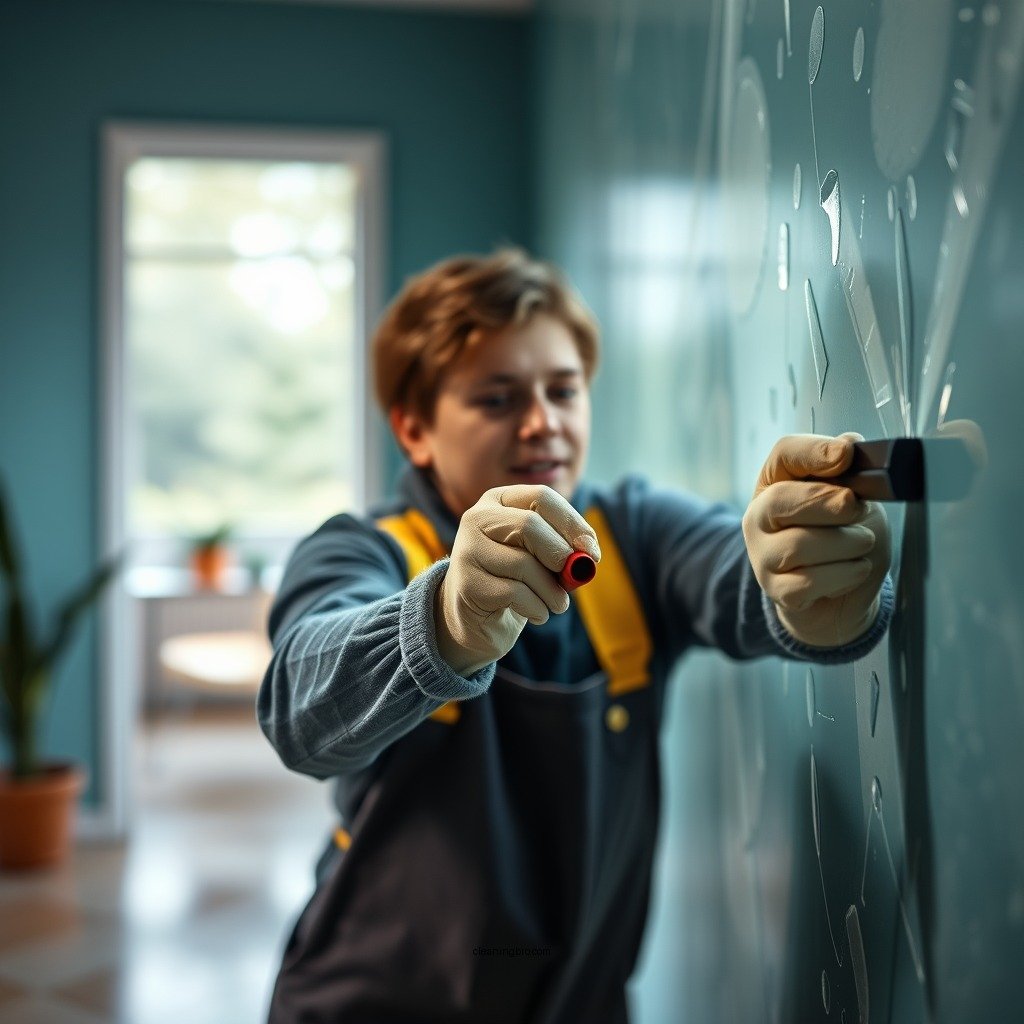
Cleaning ghosting from walls requires a systematic approach. Follow these steps to prepare and clean your walls effectively:
1. Prepare the Wall: Start by dusting the area with a microfiber cloth or a dry sponge to remove loose dirt. This prevents scratching when you apply the cleaning solution.
2. Test Cleaning Solutions: Before applying any cleaning solution to a large area, test it on a small, inconspicuous section of the wall. This ensures that the cleaner won’t damage the paint or wallpaper.
– Mix a few drops of mild detergent with warm water in a bucket.
– Dip a sponge into the solution, wring it out, and gently wipe the ghosted area in a circular motion.
– Rinse the sponge with clean water, wring it out, and wipe the area again to remove any soap residue.
4. Cleaning Wallpapered Walls:
– For wallpaper, especially vinyl, mix one part vinegar to four parts water.
– Apply the solution using a soft sponge, again in a circular motion, to avoid damaging the wallpaper.
– Wipe down with a damp cloth to remove any excess moisture.
5. Tackle Tough Stains: If ghosting persists, create a paste of baking soda and water, apply it to the stain, and gently scrub with a soft-bristle brush. Rinse well afterward.
6. Dry the Wall: Use a clean microfiber cloth to dry the area thoroughly to prevent moisture damage.
Common Causes of Ghosting on Walls
| # | Cause | Description | Impact Level |
|---|---|---|---|
| 1 | Smoke Residue | From cooking or tobacco | High |
| 2 | Humidity | Excess moisture in the air | Medium |
| 3 | Dust Accumulation | Particles settle on surfaces | Medium |
| 4 | Temperature Changes | Rapid fluctuations can exacerbate ghosting | Low |
| 5 | Poor Ventilation | Inadequate airflow encourages buildup | High |
| 6 | Mold and Mildew | Thrives in damp conditions | Very High |
| 7 | Environmental Pollutants | Pollutants can cling to surfaces | Medium |
Preventing Ghosting in the Future
To minimize the risk of ghosting in the future, consider these preventive measures:
1. Maintain Low Humidity Levels: Use dehumidifiers in damp areas and ensure proper ventilation, especially in kitchens and bathrooms, to reduce moisture buildup.
2. Regular Cleaning Routine: Establish a regular cleaning schedule that includes dusting walls and baseboards to prevent the accumulation of dirt and dust.
3. Air Quality Management: Use air purifiers to reduce airborne contaminants that can settle on walls. Regularly check and change HVAC filters to ensure clean air circulation.
4. Proper Ventilation: Ensure that your home is adequately ventilated. Open windows when weather permits, and consider installing exhaust fans in areas prone to moisture, such as kitchens and bathrooms.
5. Choosing the Right Paint: Opt for high-quality, washable, or scrubbable paint finishes that are easier to clean and resistant to stains.
When to Seek Professional Help
While many ghosting issues can be resolved with DIY cleaning methods, there are situations where professional assistance may be warranted. If ghosting persists despite your cleaning efforts, it may indicate a deeper issue, such as mold growth or structural problems that require professional assessment. Additionally, if the stains are extensive or have affected the integrity of the wall, hiring a professional service can ensure the job is done correctly and safely.
Engaging professionals not only guarantees a thorough cleaning but also provides peace of mind, especially if dealing with hazardous materials like mold. They can also offer expert advice on preventing future occurrences based on their assessments.
Additional Tips for Wall Care
In addition to cleaning and maintenance, consider the following tips for effective wall care:
1. Choosing the Right Paint Finish: When painting, consider satin or semi-gloss finishes which are more resistant to stains and easier to clean than flat finishes.
2. Routine Inspections: Periodically inspect your walls for early signs of ghosting or discoloration. Early detection can make remediation easier and prevent larger issues later.
3. Avoiding Direct Furniture Contact: Keep furniture slightly away from walls to reduce the chance of dust accumulation and allow for better air circulation.
4. Utilizing Quality Cleaning Products: Invest in high-quality cleaning products designed specifically for wall care to effectively manage stains without causing damage.
By following these guidelines, you can maintain clean, bright walls and prevent ghosting.
In summary, understanding and cleaning ghosting on walls is crucial for maintaining a clean and inviting home. By employing the methods outlined in this article and taking preventive measures, you can minimize the occurrence of ghosting and keep your walls looking their best. Regular maintenance and appropriate cleaning techniques will contribute to a cleaner, brighter living space.
Frequently Asked Questions
What causes ghosting on walls?
Ghosting on walls is often caused by thermal bridging, where areas of a wall cool faster than the surrounding surfaces, allowing dust and debris to accumulate. Other factors include poor insulation, humidity, and the presence of smoke or cooking grease, which can create stains that appear as shadows or outlines on the wall.
How can I effectively clean ghosting from my walls?
To clean ghosting from walls, start by using a soft cloth or sponge with warm water and a mild detergent to gently scrub the affected areas. For tougher stains, a mixture of vinegar and water or a specialized wall cleaner can be applied. Always test any cleaning solution on a small, inconspicuous area first to avoid damage.
Why is it important to address ghosting on my walls?
Addressing ghosting on walls is important not only for aesthetic reasons but also for maintaining a healthy living environment. Ignoring ghosting can lead to the accumulation of dust and allergens, which can affect indoor air quality. Additionally, cleaning ghosting prevents potential mold growth in damp areas.
What is the best method to prevent ghosting on walls in the future?
The best method to prevent ghosting on walls is to improve insulation and ventilation in your home. Ensuring that your walls are properly insulated reduces thermal bridging, while regular cleaning and using air purifiers can minimize dust accumulation. Additionally, using washable paint finishes can make future cleanings easier.
Which types of paint are less likely to show ghosting on walls?
Matte paints tend to show ghosting more easily due to their porous nature, while satin or eggshell finishes are less prone to ghosting because they are smoother and easier to clean. Using high-quality, washable paints can also help minimize the appearance of ghosting by providing a more durable surface that resists stains and marks.
References
- 9 Ways to Clean Walls – wikiHow Life
https://www.wikihow.com/Clean-Walls - https://www.nytimes.com/2020/02/06/realestate/how-to-clean-walls.html
https://www.nytimes.com/2020/02/06/realestate/how-to-clean-walls.html - https://www.sciencedirect.com/topics/earth-and-planetary-sciences/wall-cleaning
https://www.sciencedirect.com/topics/earth-and-planetary-sciences/wall-cleaning - oriordanann’s ideas – an Ideabook by oriordanann
https://www.houzz.com/magazine/how-to-remove-graffiti-from-walls-stsetivw-vs~72380045 - https://www.cdc.gov/niosh/docs/2003-116/pdfs/2003-116.pdf
https://www.cdc.gov/niosh/docs/2003-116/pdfs/2003-116.pdf - https://www.healthline.com/health/how-to-clean-walls
https://www.healthline.com/health/how-to-clean-walls - Google Scholar Google Scholar
https://scholar.google.com/scholar?q=clean+ghosting+on+walls - Google Scholar Google Scholar
https://scholar.google.com/scholar?q=cleaning+walls+methods - Google Scholar Google Scholar
https://scholar.google.com/scholar?q=how+to+remove+ghosting+from+walls - Google Scholar Google Scholar
https://scholar.google.com/scholar?q=how+to+clean+ghosting+on+walls