How to Clean Mold from a Leather Jacket: Effective Methods
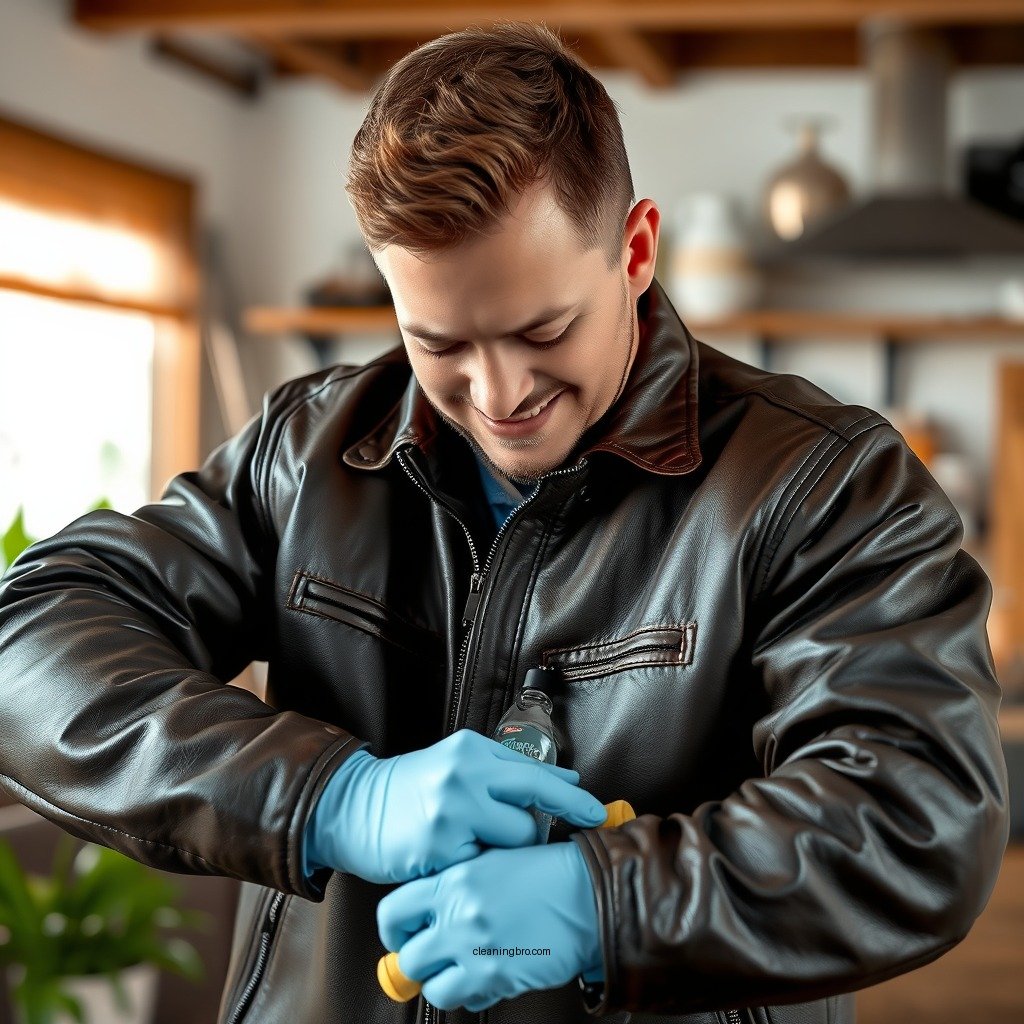
Cleaning mold from a leather jacket is crucial for preserving its aesthetic appeal and extending its life. The effective removal of mold involves utilizing gentle cleaning solutions and techniques that safeguard the integrity of the leather. In this article, you will discover the best methods for safely restoring your leather jacket while also learning how to prevent mold from reappearing.
Understanding Mold on Leather
Mold is a type of fungus that thrives in damp environments, often manifesting as unsightly dark spots on leather surfaces. Various factors can contribute to mold growth on leather jackets, including high humidity levels, improper storage conditions, and inadequate ventilation. When leather is exposed to moisture, it creates an ideal breeding ground for mold spores, which can, if left untreated, lead to irreversible damage. Understanding these conditions is the first step toward effective prevention and treatment.
Mold can not only discolor and damage the leather, but it can also emit a musty odor that can be difficult to eliminate. This emphasizes the need for prompt action at the first signs of mold. Recognizing the specific conditions that promote mold growth—such as storing leather jackets in damp basements or neglecting proper drying after exposure to rain—can help you take preventative measures more effectively.
Essential Cleaning Supplies
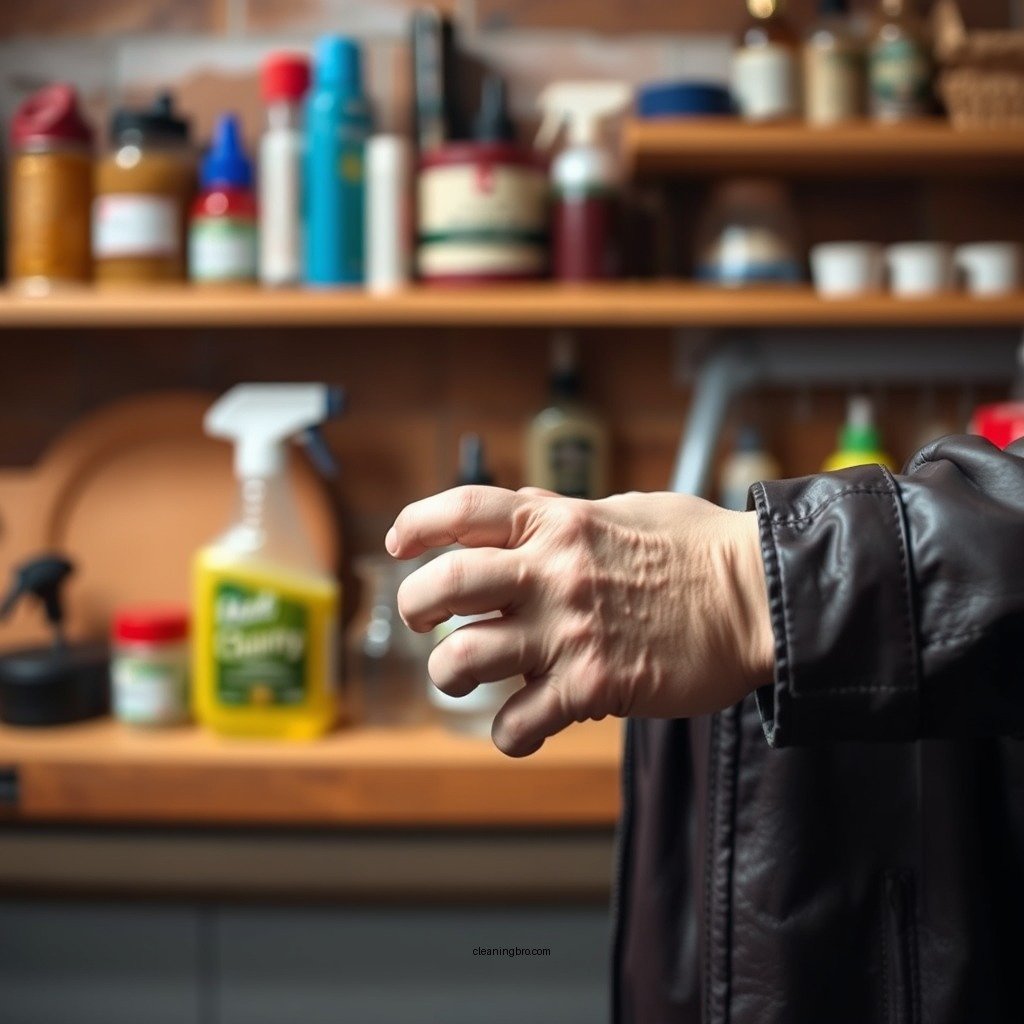
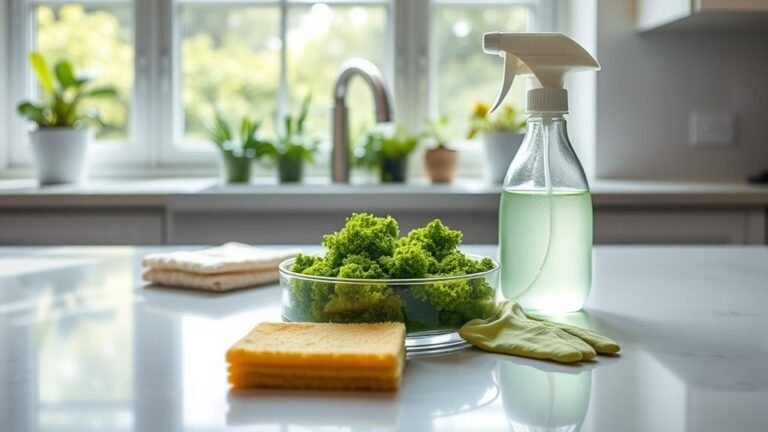
To tackle mold on leather jackets effectively, it’s essential to gather the right cleaning supplies. Here’s a list of the necessary items:
– Rubbing Alcohol or White Vinegar: Both are effective at killing mold spores and are safe for use on leather when diluted.
– Soft Cloths: Microfiber cloths work best as they are gentle on the leather surface and won’t scratch.
– Soft Brush: A soft-bristled brush can be used to gently remove surface mold before cleaning.
– Leather Conditioner: After cleaning, a good quality leather conditioner is vital to restore moisture and maintain the leather’s suppleness.
– Spray Bottle: For easy application of cleaning solutions.
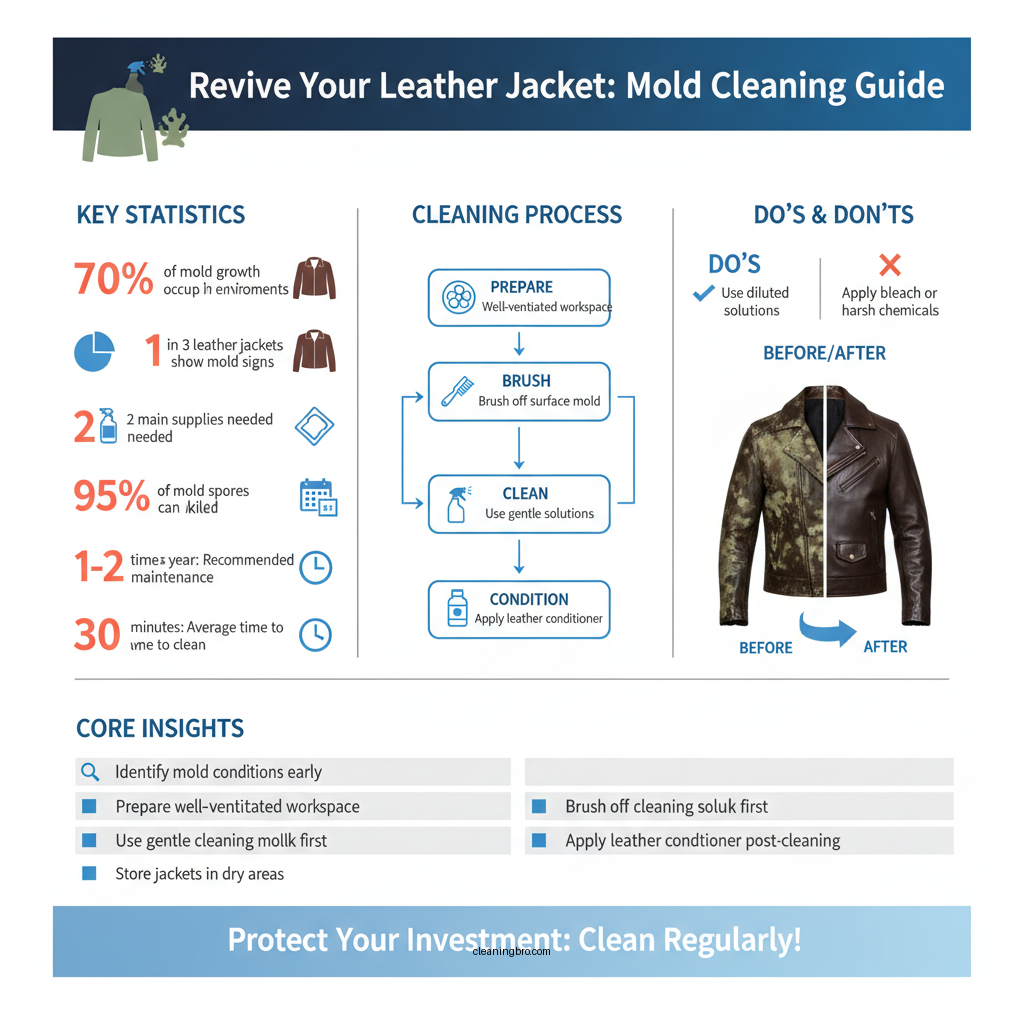
Avoid using harsh chemicals or bleach, as these can damage the leather and lead to further deterioration. Choosing the right supplies ensures that you clean effectively without compromising the quality of your jacket.
Step-by-Step Cleaning Process
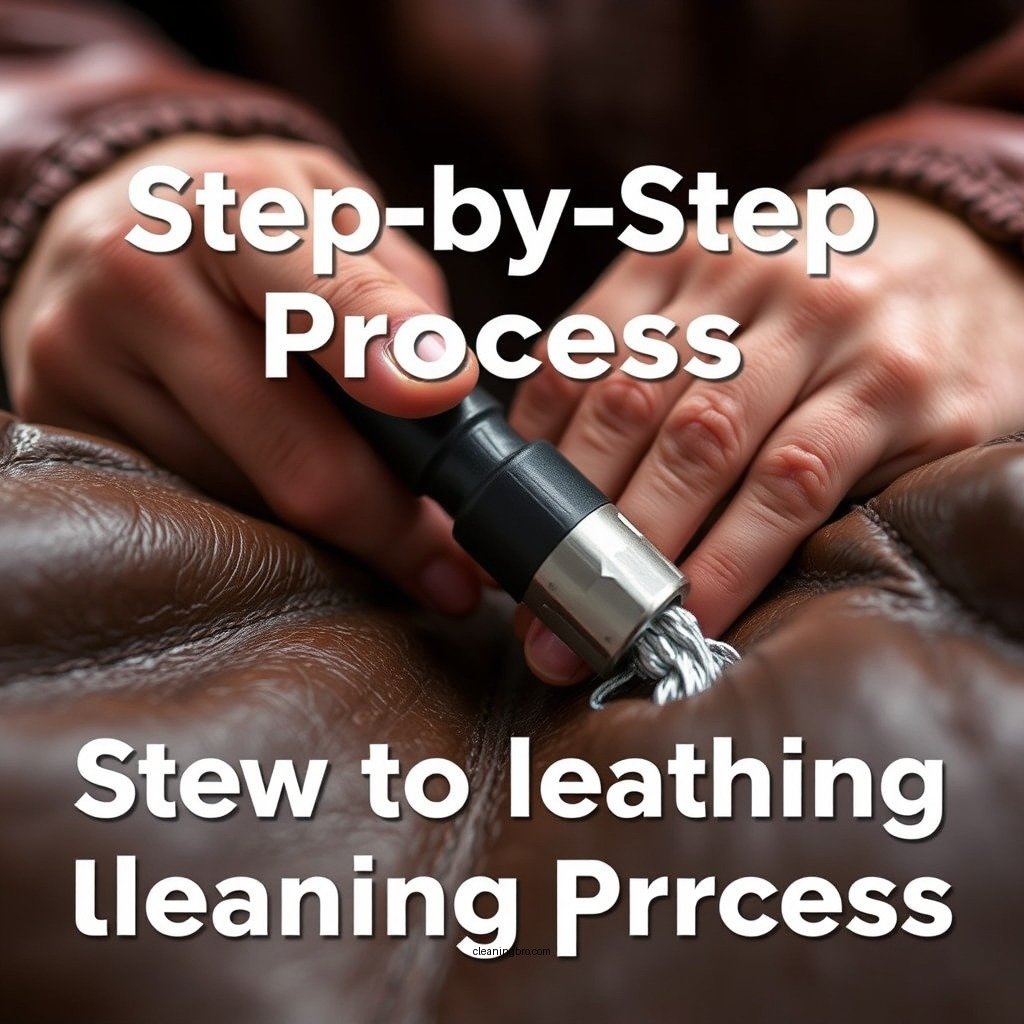
1. Preparation: Begin by taking the leather jacket outside to avoid spreading mold spores in your home. Choose a well-ventilated area to work in.
2. Brush Off Mold: Use a soft brush to gently remove any surface mold. Be careful not to push too hard, as this can embed the spores deeper into the leather.
3. Dampen the Cloth: Lightly dampen a clean cloth with either rubbing alcohol or diluted white vinegar (mix one part vinegar with one part water).
4. Wipe Affected Areas: Gently wipe the affected areas of the leather jacket. Avoid soaking the leather; instead, focus on applying the solution lightly.
5. Dry the Jacket: Allow the jacket to air dry in a well-ventilated area away from direct sunlight or heat sources. This is crucial, as excessive heat can damage leather.
6. Final Touch: Once the jacket is dry, apply a leather conditioner to restore moisture and suppleness. This step is essential in preventing future mold growth.
Common Mold Types Found on Leather and Their Cleaning Efficacy (2023)
| # | Mold Type | Appearance | Cleaning Efficacy | Prevention Tips |
|---|---|---|---|---|
| 1 | Aspergillus | Black or greenish | High | Keep dry and ventilated |
| 2 | Penicillium | Green or blue | Medium | Regular cleaning |
| 3 | Cladosporium | Dark green or black | Low | Decrease humidity |
| 4 | Fusarium | White or pink | Very Low | Store in cool place |
| 5 | Trichoderma | Green | High | Adequate air circulation |
| 6 | Rhizopus | Black | Medium | Use breathable covers |
| 7 | Alternaria | Dark green | High | Avoid moisture |
Drying and Conditioning the Leather
After cleaning, proper drying is paramount. Allow the leather jacket to air dry naturally in a well-ventilated area, steering clear of direct sunlight and heat sources, which can lead to cracking and fading. It’s important to ensure that the jacket is completely dry before moving to the next step.
Once the jacket is dry, applying a high-quality leather conditioner is vital for maintaining the leather’s texture and preventing it from becoming brittle. Leather conditioners help to replenish oils that may have been stripped away during the cleaning process. Look for products that are specifically designed for leather and follow the manufacturer’s instructions for optimal results.
Prevention Tips for Leather Jackets
Preventing mold from returning is just as important as the cleaning process itself. Here are some practical tips to keep your leather jacket mold-free:– Proper Storage: Store your leather jacket in a cool, dry place. Ensure that it is not packed tightly against other clothing, as this can trap moisture.
– Use Breathable Covers: When storing your jacket, consider using breathable garment bags instead of plastic to avoid trapping humidity.
– Regular Inspections: Periodically check your leather jacket for any signs of mold, especially during humid weather. Early detection is key to preventing a larger problem.
– Control Humidity: Use a dehumidifier in your closet if you live in a particularly humid area. Keeping the humidity level below 50% can significantly reduce the chances of mold growth.
– Keep it Clean: Regularly wipe down your jacket with a soft cloth to remove dust and moisture that may contribute to mold growth.
When to Seek Professional Help
While many mold issues can be resolved at home, some situations may require the expertise of a professional cleaner. If the mold infestation is extensive or if you notice persistent odors even after cleaning, it is advisable to consult a professional. Professionals can provide specialized treatments and deep cleaning techniques that are often necessary for severe mold problems.
Additionally, if your leather jacket is an expensive or vintage piece, seeking professional help can ensure that it is treated properly without risking further damage. Professional cleaning services have access to specialized products and equipment that can effectively eliminate mold while preserving the integrity of the leather.
Maintaining your leather jacket by addressing mold issues promptly is essential for keeping it looking great for years to come. By following the methods outlined above and implementing preventive measures, you can ensure your jacket remains in excellent condition and free from mold. Taking action today will protect your investment and enhance the longevity of your beloved leather jacket.
Frequently Asked Questions
What are the best methods to clean mold off a leather jacket?
The best methods to clean mold off a leather jacket include using a mixture of equal parts white vinegar and water, which effectively kills mold spores. Apply the solution with a soft cloth, gently rubbing the affected areas, and then wipe off any excess moisture. After cleaning, ensure the jacket is dried properly in a well-ventilated area away from direct sunlight to prevent further damage.
How can I prevent mold from growing on my leather jacket?
To prevent mold from growing on your leather jacket, store it in a cool, dry place with good air circulation. Regularly clean and condition the leather with a specialized leather conditioner to keep it moisturized and less prone to mold. Additionally, avoid exposing the jacket to high humidity environments and consider using silica gel packets in the storage area to absorb excess moisture.
Why is it important to remove mold from a leather jacket immediately?
It is important to remove mold from a leather jacket immediately because mold can cause permanent damage to the leather, leading to discoloration and deterioration of the material. Additionally, mold can pose health risks, triggering respiratory issues and allergies. Prompt cleaning helps preserve the integrity of the jacket and ensures it remains wearable and aesthetically pleasing.
Which products should I avoid when cleaning mold from leather?
When cleaning mold from leather, avoid using bleach or harsh chemicals, as these can damage the leather’s finish and lead to cracking or drying. Also, steer clear of excessive water, which can saturate the leather and cause it to lose its shape. Instead, opt for gentle cleaning agents specifically designed for leather care to maintain its quality.
What should I do if the mold stains remain after cleaning my leather jacket?
If mold stains remain after cleaning your leather jacket, consider using a leather-specific stain remover to treat the affected areas. Apply it according to the manufacturer’s instructions, and test it on a small, inconspicuous area first. If stubborn stains persist, seeking professional leather cleaning services may be the best option to restore your jacket without causing further damage.
References
- 3 Ways to Clean a Leather Jacket – wikiHow
https://www.wikihow.com/Clean-a-Leather-Jacket - https://www.ncbi.nlm.nih.gov/pmc/articles/PMC6462550/
https://www.ncbi.nlm.nih.gov/pmc/articles/PMC6462550/ - https://www.cdc.gov/mold/cleanup.htm
https://www.cdc.gov/mold/cleanup.htm - https://www.mayoclinic.org/diseases-conditions/mold-allergy/symptoms-causes/syc-20346486
https://www.mayoclinic.org/diseases-conditions/mold-allergy/symptoms-causes/syc-20346486 - https://www.sciencedirect.com/science/article/pii/S014765131930922X
https://www.sciencedirect.com/science/article/pii/S014765131930922X - BBC Earth | Environment, Climate Change, AI, Food, Health, Social, & Technology
https://www.bbc.com/earth/story/20170207-how-to-clean-a-leather-jacket - https://www.theguardian.com/lifeandstyle/2017/oct/03/how-to-care-for-leather
https://www.theguardian.com/lifeandstyle/2017/oct/03/how-to-care-for-leather - Google Scholar Google Scholar
https://scholar.google.com/scholar?q=cleaning+leather+jacket+mold - Google Scholar Google Scholar
https://scholar.google.com/scholar?q=leather+jacket+mold+removal - Google Scholar Google Scholar
https://scholar.google.com/scholar?q=leather+care+mold+cleaning