How to Clean Mold Off Boat Seats: Effective Methods
Cleaning mold off boat seats can be accomplished efficiently with the right methods and tools. The key to effective mold removal lies in choosing appropriate cleaning solutions and following a systematic approach. This article will guide you through the steps to remove mold effectively, ensuring your boat seats look and feel fresh again.
Understanding Mold on Boat Seats

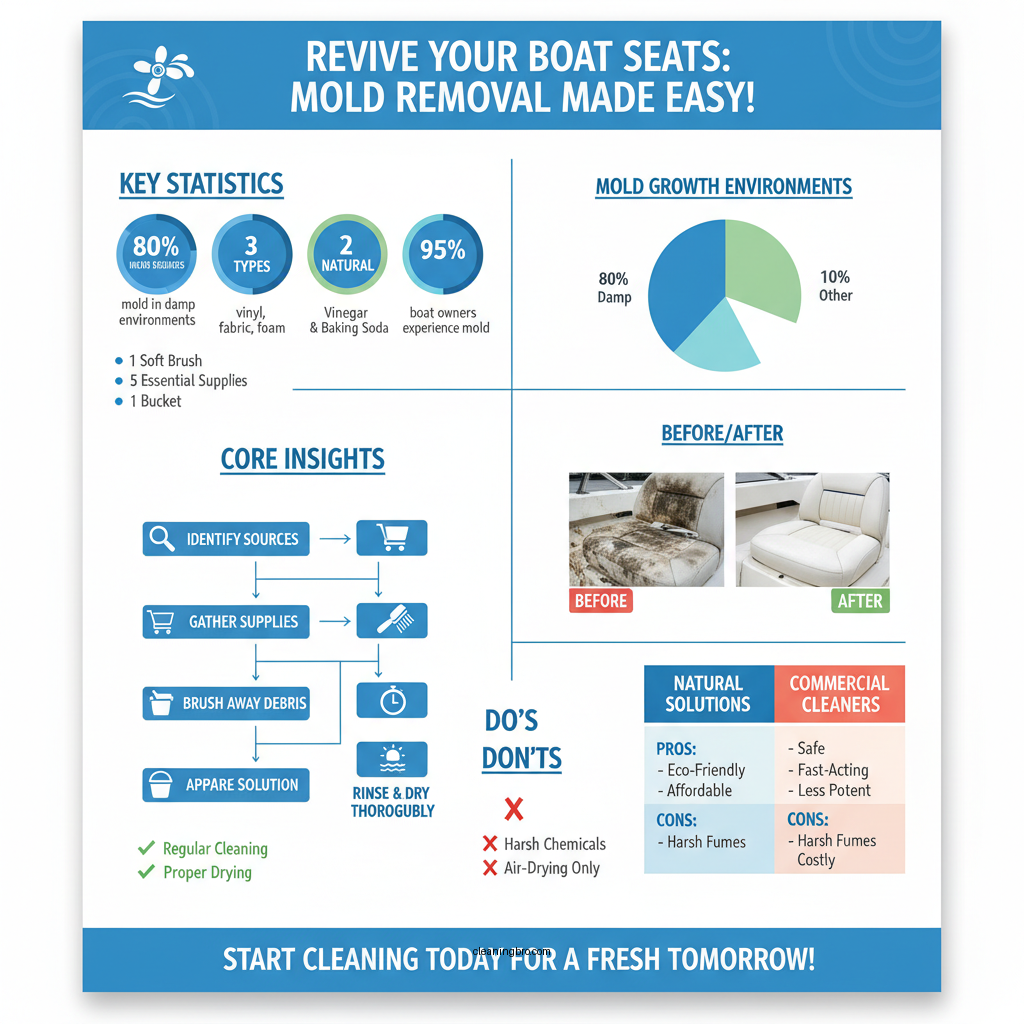
Mold thrives in damp, warm environments, making boat seats, which are often exposed to moisture from water and humidity, a prime target. The presence of mold not only detracts from the aesthetics of your boat but can also lead to health issues if left untreated. It is crucial to understand that mold can grow on various materials commonly found in boat seats, including vinyl, fabric, and foam. Knowing the types of materials used in your boat seats can help determine the best cleaning method and products to use, ensuring that you do not damage the fabric while effectively eliminating the mold.
Identifying the sources of moisture on your boat—such as leaks, spills, or poor ventilation—can also help you address the root cause of mold growth, making it less likely to return after cleaning.
Essential Cleaning Supplies
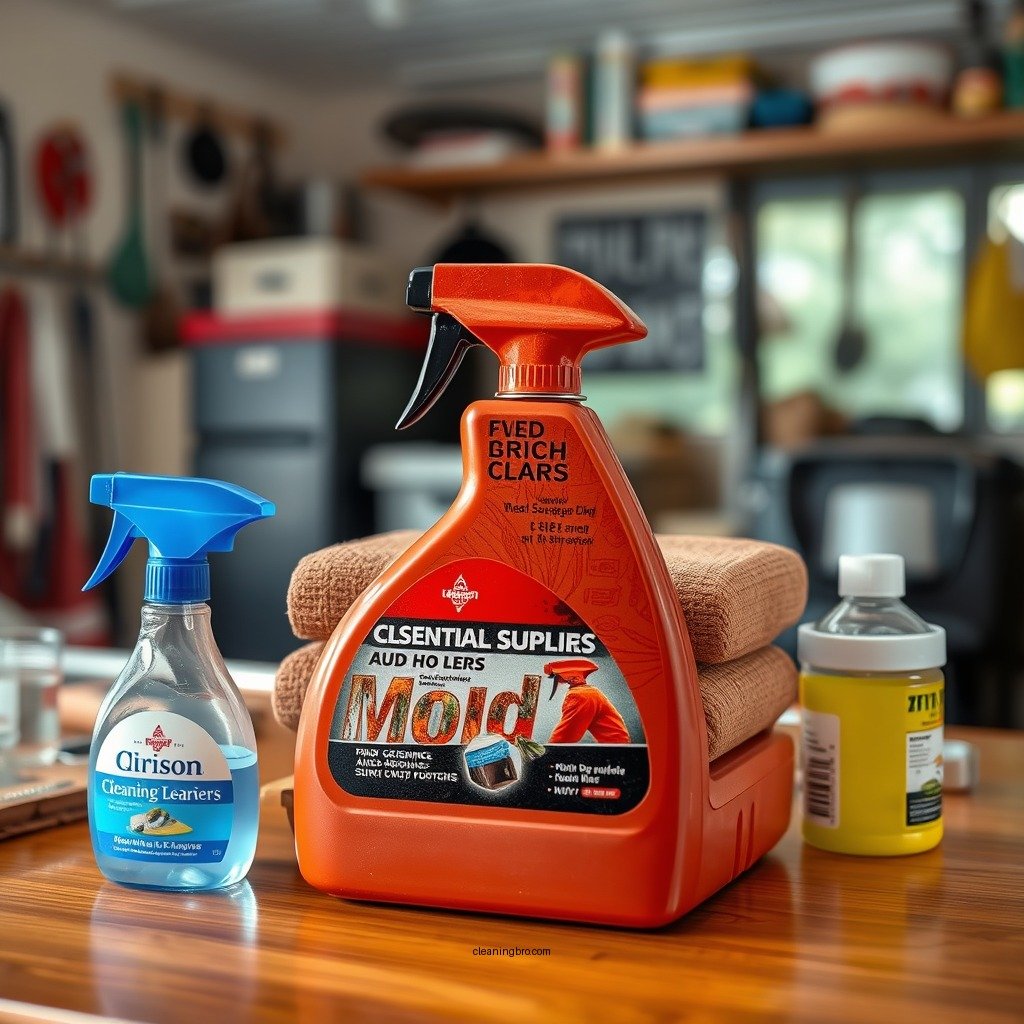
To clean mold off boat seats effectively, gather the following essential cleaning supplies:
– Soft Brush: A soft-bristled brush will help you remove loose debris and prevent damage to the fabric.
– Microfiber Cloths: These are ideal for wiping down surfaces and absorbing moisture without leaving scratches.
– Bucket: For mixing cleaning solutions and rinsing your cleaning materials.
– Cleaning Solutions: Choose a cleaning solution suitable for your seat material. Options include:
– Vinegar: A natural antifungal and antibacterial solution that can kill mold spores.
– Baking Soda: A gentle abrasive that can help scrub away mold while neutralizing odors.
– Commercial Mold Removers: For tougher cases, specialized mold removers can provide a powerful solution. Always ensure they are safe for your material type.
Having these supplies ready will streamline the cleaning process, allowing for a thorough and efficient mold removal.
Step-by-Step Cleaning Process
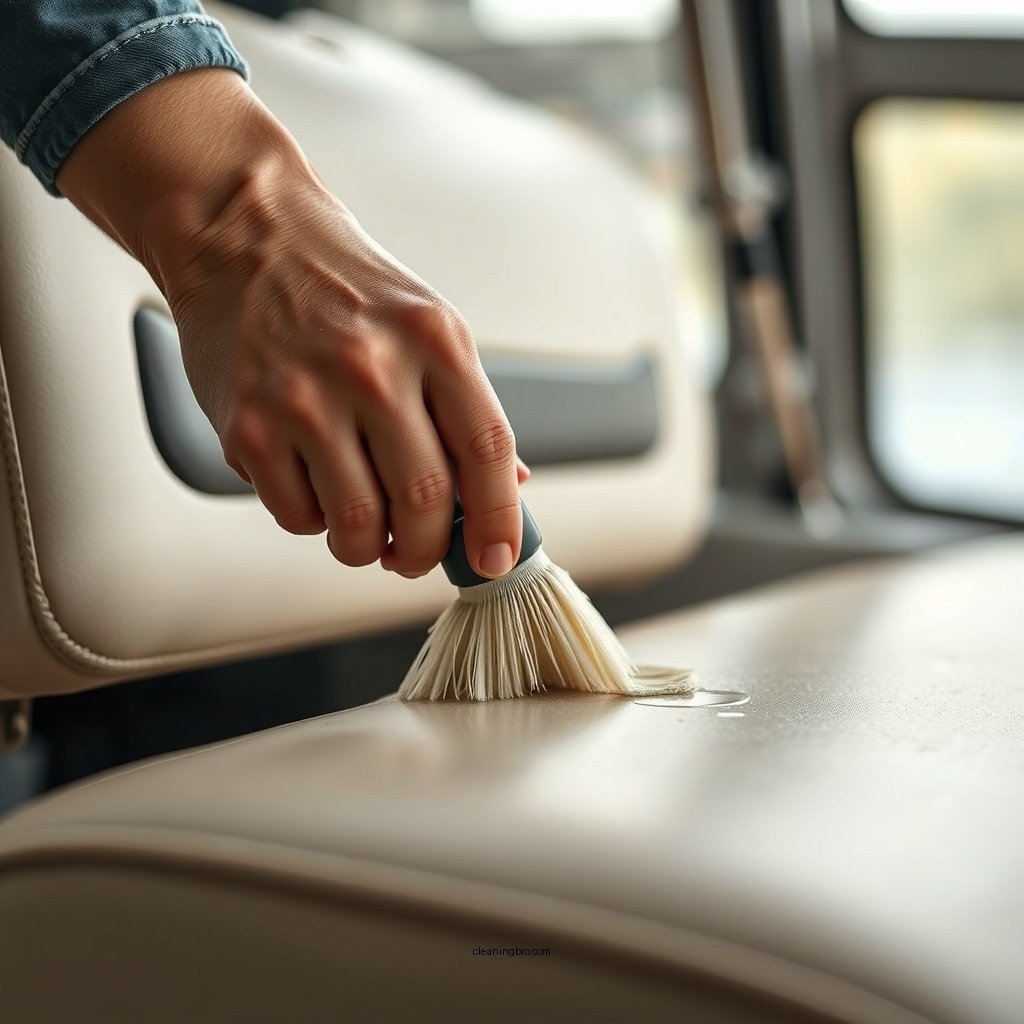
1. Remove Loose Debris: Start by gently brushing away any loose dirt, dust, or debris from the seats using your soft brush. This step helps prevent scratching the material during the cleaning process.
2. Prepare the Cleaning Solution: Depending on your chosen method, mix a solution of water with vinegar or baking soda in your bucket. For commercial products, follow the manufacturer’s instructions for dilution.
3. Apply the Cleaning Solution: Generously apply the cleaning solution to the affected areas of the boat seats. Allow it to sit for a few minutes to penetrate the mold and mildew.
4. Scrub the Affected Areas: After letting the solution sit, gently scrub the affected areas with your soft brush or a microfiber cloth. Use a circular motion to lift the mold without damaging the fabric.
5. Rinse Thoroughly: Rinse the area with clean water to remove both the mold and the cleaning solution. It’s crucial to ensure that no residue is left behind that could attract dirt or moisture.
6. Inspect and Repeat: After rinsing, inspect the seats for any remaining mold. If necessary, repeat the application and scrubbing process until the seats are clear of mold.
Top 7 Cleaning Solutions for Boat Seats
| # | Solution | Effectiveness | Material Compatibility | Ease of Use |
|---|---|---|---|---|
| 1 | White Vinegar | High | Vinyl, Fabric | Very Easy |
| 2 | Baking Soda | Medium | Vinyl, Fabric | Easy |
| 3 | Commercial Mold Remover | Very High | All Materials | Moderate |
| 4 | Soap and Water | Low | Fabric | Very Easy |
| 5 | Hydrogen Peroxide | Medium | Vinyl, Fabric | Moderate |
| 6 | Borax Solution | High | Fabric | Moderate |
| 7 | Rubbing Alcohol | Medium | Vinyl | Moderate |
Scrubbing Techniques
When scrubbing the affected areas, it is essential to use proper techniques to avoid damaging the materials of your boat seats. Here are some effective scrubbing techniques:
– Gentle Pressure: Use light pressure to scrub the surface to avoid fraying or tearing the fabric. A soft brush or cloth will help lift the mold without causing harm.
– Circular Motion: Employ a circular scrubbing motion to help dislodge mold spores effectively. This technique allows you to cover a larger area without concentrating on a single spot, which can lead to wear.
– Frequent Rinsing: After scrubbing, rinse your brush or cloth frequently to prevent spreading mold to clean areas. This practice ensures that you are not inadvertently transferring spores back onto the seats.
– Check for Residue: After scrubbing, inspect the area to ensure there are no remaining mold or cleaning solution residues. A thorough rinse is critical to achieving a clean finish.
Drying and Preventing Future Mold Growth
Drying your boat seats thoroughly is crucial to prevent future mold growth. After cleaning, follow these steps:
– Air Dry: Allow the seats to air dry completely. If possible, place your boat in a sunny spot, as UV rays can help kill any remaining spores.
– Improve Ventilation: Ensure that your boat is stored in a well-ventilated area to reduce humidity levels. Consider using fans or dehumidifiers to improve airflow and moisture control.
– Regular Maintenance: Regularly inspect and clean your boat to catch mold early. A proactive approach will help maintain the condition of your seats and prevent mold from taking hold.
Additional Tips for Maintenance
To keep mold at bay and maintain your boat seats in prime condition, consider these additional tips:
– Protective Coatings: Consider applying a protective coating or treatment to the seats to resist mold growth. Products specifically designed for marine fabrics can provide added protection against moisture and mold.
– Routine Cleaning: Establish a routine cleaning schedule, especially after outings where seats may have come into contact with water or moisture. Regular cleaning will help prevent mold from becoming a recurring problem.
– Temperature Control: If possible, store your boat in a temperature-controlled environment. Keeping the interior dry and cool can significantly reduce the likelihood of mold growth.
By following these steps, you can effectively clean mold off your boat seats and maintain their condition. Keep your boat in top shape by implementing preventative measures and regular maintenance. Now, gather your supplies and get started on refreshing your boat seats!
Frequently Asked Questions
What are the best products to clean mold off boat seats?
The best products for cleaning mold off boat seats typically include a mixture of white vinegar and water, or specialized marine cleaning solutions designed for upholstery. Additionally, you can use oxygen bleach, which is effective and safe for most materials. Always check the manufacturer’s instructions for any cleaner to ensure compatibility with your boat seats.
How can I prevent mold from growing on my boat seats?
To prevent mold from growing on your boat seats, ensure proper ventilation and keep the interior dry by using dehumidifiers or moisture absorbers. Regularly clean your seats and cover them when not in use to protect against moisture buildup. Additionally, applying a protective marine fabric spray can help repel water and resist mold growth.
Why is mold a problem for boat seats?
Mold can be a significant problem for boat seats because it not only damages the upholstery but also poses health risks to passengers, such as allergies and respiratory issues. Mold thrives in damp, warm environments, which are common in boats, especially if they are stored improperly. Regular maintenance and cleaning are essential to avoid these issues.
Which cleaning methods are safe for vinyl boat seats?
The safest cleaning methods for vinyl boat seats include using a mixture of mild soap and warm water or a vinegar solution. Avoid harsh chemicals or abrasive tools that can damage the vinyl material. Using a soft cloth or sponge for cleaning will help maintain the integrity of the boat seats while effectively removing mold.
How do I remove stubborn mold stains from boat seats?
To remove stubborn mold stains from boat seats, first, create a paste with baking soda and water, applying it directly to the stain. Let it sit for 15-20 minutes before scrubbing gently with a soft brush. For persistent stains, consider using a marine-grade mold remover, ensuring to follow the product instructions for the best results without harming the fabric.
References
- https://www.cdc.gov/healthywater/drinking/cleaning/mold.html
https://www.cdc.gov/healthywater/drinking/cleaning/mold.html - https://www.epa.gov/mold/mold-course-module-5-cleaning-mold
https://www.epa.gov/mold/mold-course-module-5-cleaning-mold - https://www.nature.com/articles/s41598-021-89212-0
https://www.nature.com/articles/s41598-021-89212-0 - https://www.ncbi.nlm.nih.gov/pmc/articles/PMC6371770/
https://www.ncbi.nlm.nih.gov/pmc/articles/PMC6371770/ - https://www.who.int/news-room/fact-sheets/detail/mold
https://www.who.int/news-room/fact-sheets/detail/mold - https://www.sciencedirect.com/science/article/abs/pii/S0950061812002745
https://www.sciencedirect.com/science/article/abs/pii/S0950061812002745 - https://www.bbc.com/news/magazine-35485963
https://www.bbc.com/news/magazine-35485963 - https://www.theguardian.com/environment/2020/jun/18/how-to-get-rid-of-mould-in-your-home
https://www.theguardian.com/environment/2020/jun/18/how-to-get-rid-of-mould-in-your-home - Google Scholar Google Scholar
https://scholar.google.com/scholar?q=clean+mold+off+boat+seats - Google Scholar Google Scholar
https://scholar.google.com/scholar?q=mold+removal+boating+seats+cleaning+methods