How to Clean Rust from a Gun: Effective Techniques
Cleaning rust from a gun is crucial to maintaining its function and longevity. The best approach involves using appropriate cleaning solutions, tools, and techniques tailored to the type of firearm. In this article, you’ll learn step-by-step methods to effectively remove rust and protect your firearm for years to come.
Understanding Rust Formation
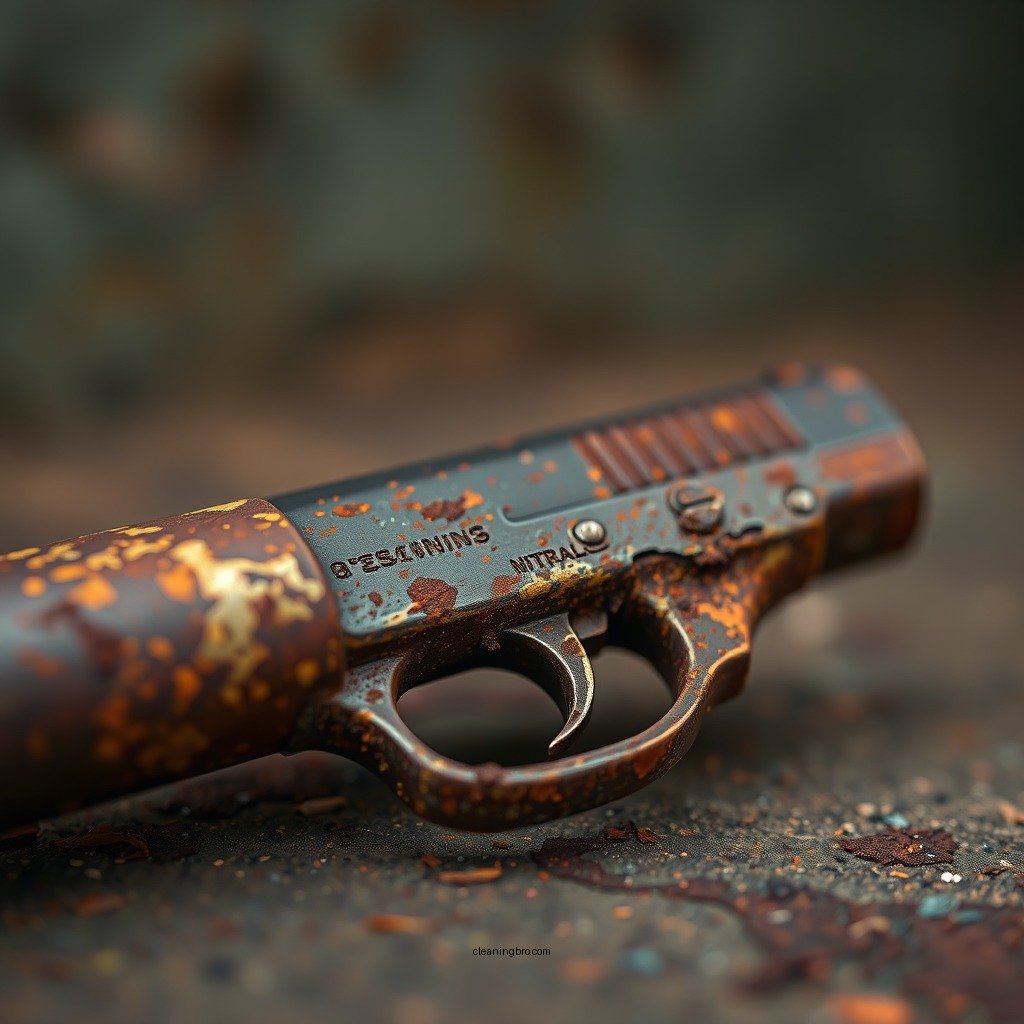
Rust is an iron oxide that forms when metal is exposed to moisture and oxygen. It is a common issue for firearms, especially in regions with high humidity or where guns are improperly stored. Rust can severely impact a gun’s performance, leading to malfunctions and compromises in safety. Factors such as lack of maintenance, exposure to moisture, and inadequate storage conditions can accelerate rust development. Understanding these underlying causes is essential for preventing rust and ensuring your firearm remains in optimal condition.
Essential Cleaning Supplies
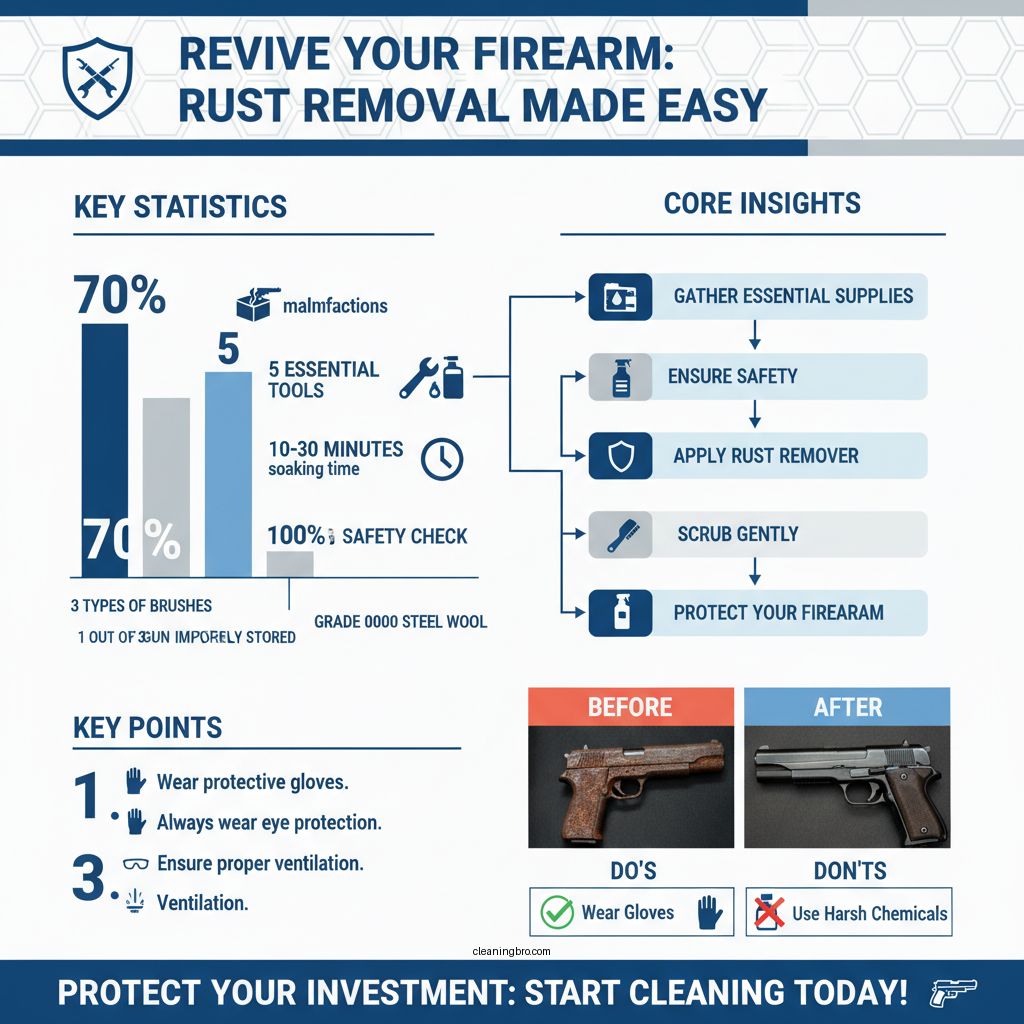
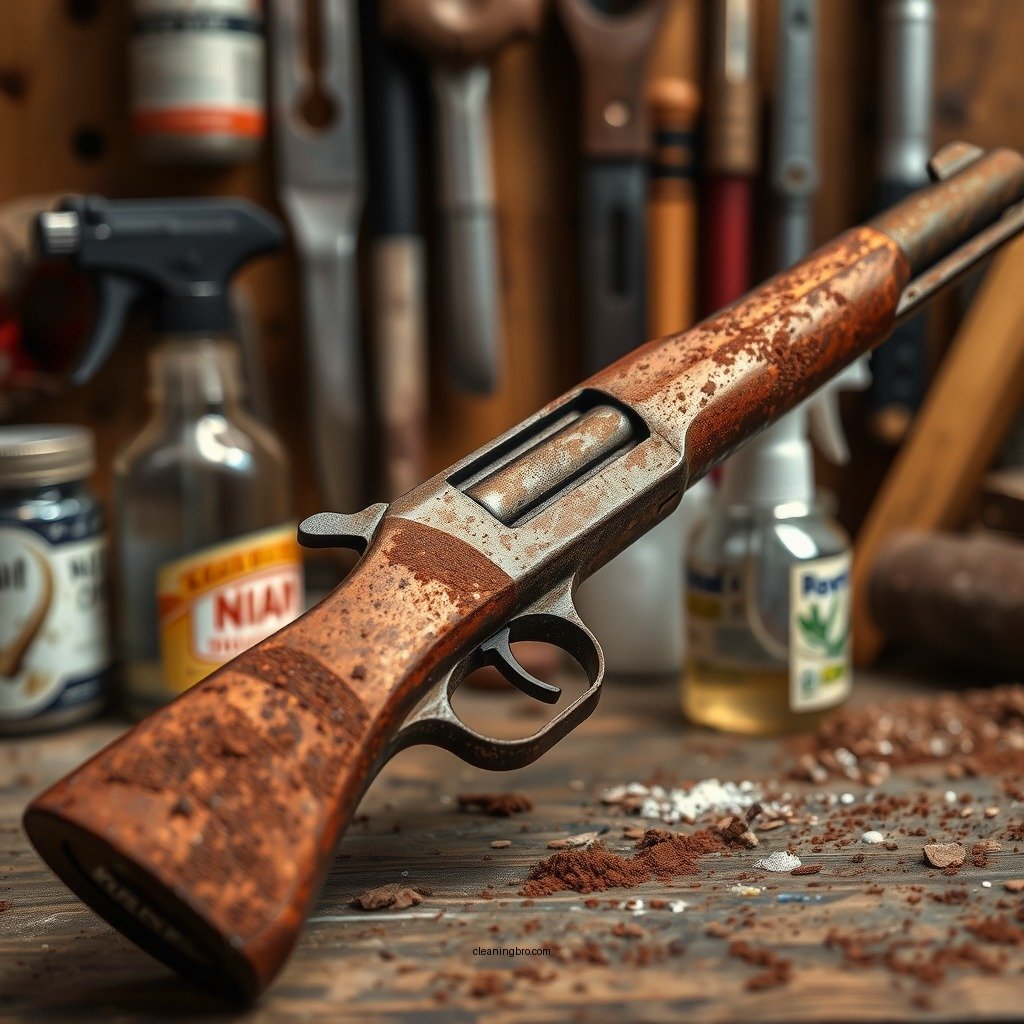
To effectively remove rust from a gun, you will need a few essential cleaning supplies. Here’s a comprehensive list:
1. Rust Remover: Use rust removers specifically designed for firearms or penetrating oils like WD-40 or Ballistol. These products effectively break down rust and prevent further corrosion.
2. Microfiber Cloths: These are ideal for wiping down surfaces without scratching the metal.
3. Brushes: A selection of brushes, including nylon and brass, can help scrub away rust without damaging the gun’s finish.
4. Protective Gloves: Always wear gloves to protect your hands and prevent oils from your skin from contaminating the gun’s surfaces.
5. Soft Toothbrush or Steel Wool: A soft toothbrush can help reach tight spots, while fine steel wool (grade 0000) can be used for tougher rust spots on blued finishes.
Having these supplies at hand will streamline the rust removal process and ensure that you can effectively care for your firearm.
Step-by-Step Rust Removal Process
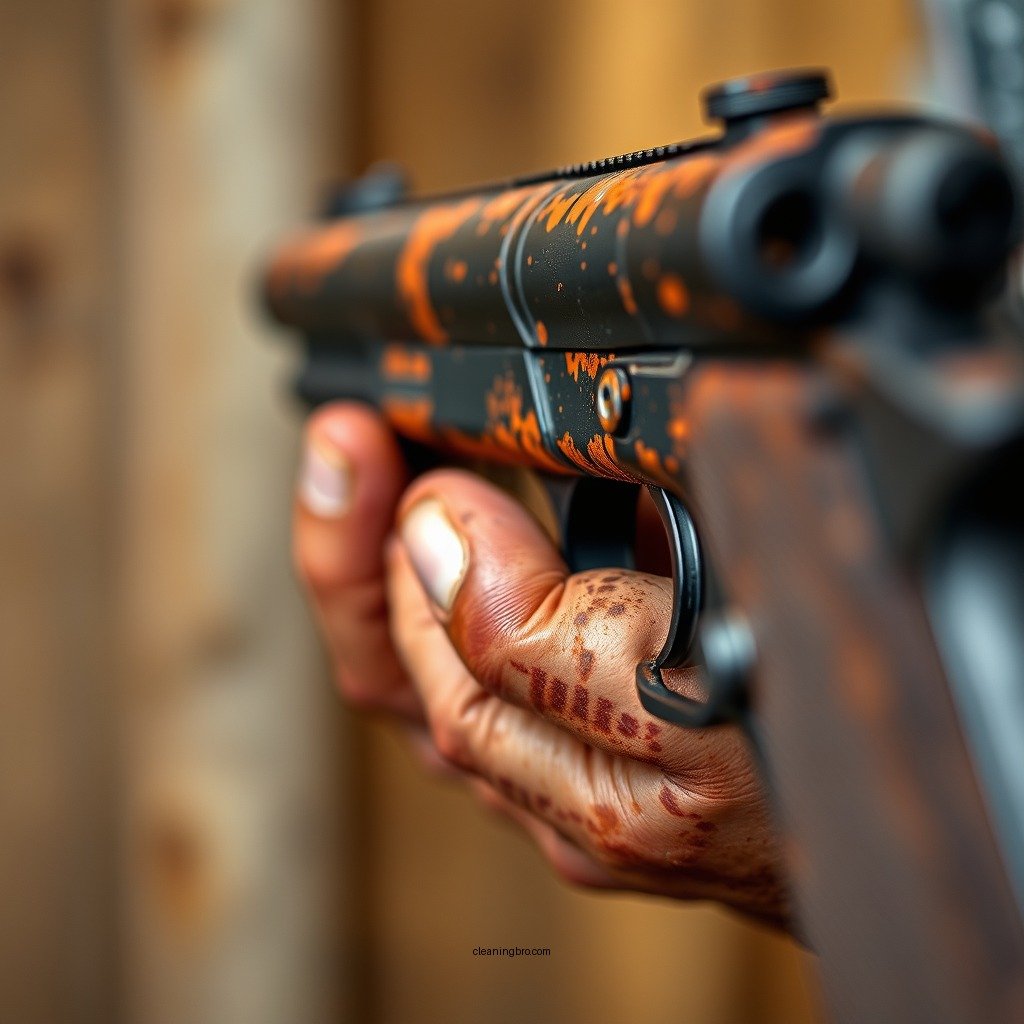
Removing rust from a gun requires a careful, methodical approach. Here’s a step-by-step guide:
1. Ensure Safety: Before beginning any cleaning process, ensure the firearm is unloaded. Remove the magazine, check the chamber, and engage the safety.
2. Disassemble the Gun: Carefully disassemble the firearm as per the manufacturer’s guidelines. This not only makes rust removal easier but also prevents damage to internal components.
3. Apply Rust Remover: Generously apply the rust remover to the affected areas. Allow the product to soak as per the manufacturer’s instructions, usually around 10 to 30 minutes. This soaking period helps the solution penetrate and loosen the rust.
4. Scrub the Area: Using a soft brush or steel wool, gently scrub the rusted areas. Be cautious with the amount of pressure applied to avoid damaging the underlying metal or finish.
5. Wipe Down: After scrubbing, use a microfiber cloth to wipe away the rust particles and excess cleaner. This step ensures that no residue remains on the firearm.
6. Inspect and Repeat: Inspect the area for any remaining rust. If necessary, repeat the application and scrubbing process until all rust is removed.
7. Protect the Metal: Once the rust is gone, apply a thin layer of protective oil to the cleaned areas. This will help prevent future rust formation.
8. Reassemble the Gun: After ensuring everything is clean and dry, reassemble the firearm carefully.
Following these steps will help you effectively clean rust from your gun, ensuring its longevity and reliability.
Top 7 Rust Removal Products for Firearms (2024)
| # | Product Name | Type | Effectiveness |
|---|---|---|---|
| 1 | Hoppe’s No. 9 | Liquid | High |
| 2 | Ballistol | Aerosol | High |
| 3 | WD-40 | Liquid | Medium |
| 4 | Rust-Oleum | Aerosol | High |
| 5 | G96 Cleaning Solvent | Liquid | Medium |
| 6 | Flitz Rust Remover | Paste | High |
| 7 | CorrosionX | Liquid | High |
Techniques for Different Gun Types
Different gun types and finishes may require specific techniques for rust removal. Here’s a breakdown:
1. Blued Finishes: For guns with blued finishes, use fine steel wool (grade 0000) combined with rust remover. The fine texture of the wool is effective in scraping off rust without damaging the bluing.
2. Stainless Steel Guns: For stainless steel firearms, you can use polishing compounds or a brass brush. Polishing compounds are effective in restoring the shine of the metal while removing rust.
3. Wooden Stocks: If your firearm has a wooden stock, be cautious not to apply rust removers directly to the wood. Instead, use a damp cloth to wipe down the metal parts while protecting the wood with a barrier.
4. Polymer Frames: For guns with polymer frames, avoid using harsh chemicals. A gentle cleaner and a soft cloth are usually sufficient to remove rust from metal components while keeping the polymer intact.
By selecting the appropriate technique for your firearm’s specific needs, you can ensure effective rust removal without causing damage.
Top Rust Removal Products: Feature Comparison
| Feature | ⭐ Hoppe’s No. 9 | Ballistol | WD-40 |
|---|---|---|---|
| Type | Liquid | Aerosol | Liquid |
| Effectiveness | High | High | Medium |
| Application Method | Cloth / Brush | Spray | Cloth |
| Drying Time | 15 minutes | 5 minutes | 10 minutes |
| Protective Coating | Yes | Yes | No |
| Odor | Pleasant | Strong | Chemical |
| Size Options | 8 oz / 16 oz | 6 oz / 12 oz | 11 oz / 20 oz |
| Price | $10.99 | $12.99 | $8.99 |
| 🏆 Best For | Heavy rust removal | General maintenance | Light rust issues |
Preventing Future Rust
Preventing rust is as important as removing it. Here are some effective strategies to keep your firearm rust-free:
1. Proper Storage: Store firearms in a dry, climate-controlled environment. Use gun safes or cabinets with dehumidifiers to maintain a stable humidity level.
2. Regular Cleaning: Establish a routine cleaning schedule after each use, especially if you have been shooting in wet or humid conditions. A quick wipe-down with a protective oil can go a long way.
3. Protective Coatings: Consider applying protective oils or waxes specifically designed for firearms. These coatings create a barrier against moisture and air, significantly reducing the chances of rust.
4. Desiccants: Using silica gel packs or other desiccants in your storage area can help absorb excess moisture, providing an additional layer of protection against rust.
5. Environmental Control: If possible, keep your firearms in a controlled environment where temperature and humidity are monitored to prevent condensation buildup.
By implementing these preventive measures, you can drastically reduce the likelihood of rust formation on your firearms.
Proper Maintenance Practices
Maintaining your firearm is essential for optimal performance and longevity. Here are best practices to follow:
1. Routine Inspections: Regularly inspect your firearm for any signs of rust or wear. The sooner you catch issues, the easier they are to address.
2. Cleaning After Use: Always clean your firearm after use, particularly after exposure to moisture. This habit will help prevent rust and ensure smooth operation.
3. Use Quality Products: Invest in high-quality cleaning supplies and protective products. Using the right tools and chemicals can make a significant difference in your firearm’s care.
4. Education: Familiarize yourself with the specific cleaning and maintenance requirements for your firearm model. Each type of gun has unique needs that should be respected.
5. Professional Servicing: Consider having your firearm professionally serviced periodically, especially if it is a valuable or antique piece. Professionals can address issues that might be overlooked during routine maintenance.
By following these maintenance practices, you can ensure your firearm remains in excellent condition, ready for use whenever needed.
In summary, cleaning rust from a gun is not only about restoring its appearance but also about ensuring its functionality and safety. By understanding rust formation, using the right tools and techniques, and implementing proactive maintenance practices, you can keep your firearm in excellent condition. Prioritize safety during the cleaning process and stay vigilant with regular checks to prevent rust from becoming an issue.
Frequently Asked Questions
What are the best methods to clean rust from a gun?
The best methods to clean rust from a gun include using a rust remover specifically designed for firearms, applying penetrating oil like WD-40, and using fine steel wool or a bronze brush for scrubbing. It’s important to follow up with a thorough cleaning of the gun’s surfaces and lubrication to prevent future rusting.
How do you safely remove rust from a gun without damaging it?
To safely remove rust from a gun, first ensure the firearm is unloaded and disassembled. Use a rust remover or a mixture of vinegar and baking soda applied with a soft cloth, then gently scrub the affected areas with a non-abrasive pad. Always finish by applying a protective gun oil to prevent further rust formation.
Why does rust develop on guns, and how can it be prevented?
Rust develops on guns primarily due to moisture exposure and lack of proper maintenance, as iron and steel oxidize when exposed to air and water. To prevent rust, always store firearms in a dry environment, regularly clean and oil them, and consider using rust inhibitors or desiccants in your storage area.
Which products are recommended for cleaning rust from firearms?
Recommended products for cleaning rust from firearms include specialized gun cleaner and rust remover solutions, CLP (cleaner, lubricant, and protectant), and silicone-based protectants. Brands like Hoppe’s, Ballistol, and Break-Free are highly regarded in the firearm community for effective rust removal and prevention.
How can I tell if my gun has rust, and what should I do if I find it?
You can tell if your gun has rust by inspecting it for reddish-brown spots or a rough texture on the metal surfaces. If you find rust, immediately clean the affected area with a rust remover and scrub gently to avoid damaging the finish. Follow up with proper lubrication and storage practices to prevent recurrence.
References
- https://en.wikipedia.org/wiki/Gun_care
https://en.wikipedia.org/wiki/Gun_care - https://www.ncbi.nlm.nih.gov/pmc/articles/PMC5722946/
https://www.ncbi.nlm.nih.gov/pmc/articles/PMC5722946/ - Google Scholar Google Scholar
https://scholar.google.com/scholar?q=how+to+clean+rust+from+a+gun - https://www.sciencedirect.com/topics/agricultural-and-biological-sciences/gun-cleaning
https://www.sciencedirect.com/topics/agricultural-and-biological-sciences/gun-cleaning - https://www.americanrifleman.org/articles/2020/7/6/how-to-clean-rust-off-your-gun
https://www.americanrifleman.org/articles/2020/7/6/how-to-clean-rust-off-your-gun - Google Scholar Google Scholar
https://scholar.google.com/scholar?q=gun+maintenance+rust+removal - https://www.thetruthaboutguns.com/how-to-remove-rust-from-a-gun/
https://www.thetruthaboutguns.com/how-to-remove-rust-from-a-gun/ - NRA-ILA | Home
https://www.nraila.org/articles/20200529/how-to-remove-rust-from-your-firearm - https://www.bbc.com/news/world-us-canada-55294248
https://www.bbc.com/news/world-us-canada-55294248 - how to clean rust from a gun – Search results
https://en.wikipedia.org/wiki/Special:Search?search=how+to+clean+rust+from+a+gun