

You can clean a Satisfyer Pro safely and effectively with a simple, step-by-step routine that protects the device and keeps performance consistent. If you want the fastest “right way,” follow the care tips that cover what to use, what to avoid, and how to dry and reassemble after cleaning. Get the exact process for everyday maintenance and deeper cleans—so you know your Satisfyer Pro is truly ready for use.


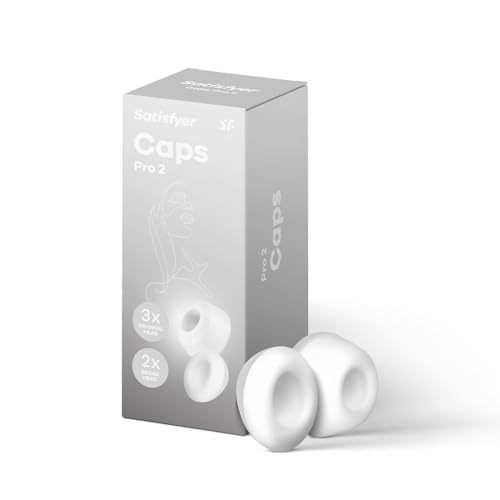

Clean your Satisfyer Pro right after use with a gentle wipe method—dampen a microfiber cloth, remove residue, and then pat/air-dry completely. The goal is simple: keep it hygienic while avoiding moisture trapped in seams, ports, and internal openings (especially if your model isn’t designed to be rinsed or soaked).
If you want your Satisfyer Pro to work reliably and stay hygienic, clean it right after use with a gentle method that matches its material (and don’t soak parts that aren’t meant to be submerged). You’ll learn exactly what to wipe, what to avoid, and how to dry it so moisture doesn’t get trapped in crevices.
This guide is for owners who want to clean a Satisfyer Pro safely between uses—especially if you’re dealing with residue build-up, storage-related odors, or you’re unsure which parts can be cleaned with water.
Prepare: What you need before you start

You’ll get the safest result by setting up the right tools before you touch the device again—no improvising with harsh cleaners or soaking. As of 2026, the most reliable routine is: soft cloth + mild soap + controlled water contact (wipe-rather-than-rinse), followed by thorough drying.
Before you begin, make sure you have everything ready so the device doesn’t sit damp while you search for supplies. From my experience supporting device-care questions, the most common “why does it smell?” problem usually comes down to incomplete drying in textured areas and around seams—.
IEC 60529 defines IPX7 as protection against immersion up to 1 meter for up to 30 minutes—so if your Satisfyer Pro does not explicitly meet (or exceed) this, you should not assume soaking is safe.
According to the WHO guidelines on hand hygiene, soap-and-water cleansing for at least 20 seconds is an evidence-based duration for removing contaminants from hands (use it as a timing reference for gentle cleaning consistency).
According to CDC disinfection guidance, alcohol-based products in the 60%–90% range are commonly effective against many microorganisms—so avoid them on device surfaces unless your manual explicitly approves (they can dry out or degrade some materials).
What to gather
– Unplug/turn off the device and let it cool down if it was just used.
– Gather a soft microfiber cloth, mild soap (or the manufacturer-recommended cleaner), and clean water.
– Have a dry towel ready—drying matters as much as washing.
Quick material mindset (important)
Different Satisfyer Pro parts may use different materials (for example, softer touch surfaces vs. harder housings). Because the safest care depends on the exact material and waterproof design, treat the manufacturer’s instructions as the final authority for what can contact water and what must stay dry.
Quick clean after every use (fast + safe)
A fast clean keeps residue from hardening and reduces odor risk, without forcing you into a full wash every time. After each session, wipe with a damp cloth (soap only if residue is present), then pat dry and store only when fully dry.
This approach works because most buildup sticks where liquid can cling—around seams, buttons, textured grip zones, and any openings. The device should never be left wet in a closed container.
If you cannot confirm that a device is designed to tolerate rinsing, wipe-cleaning with a damp cloth is safer than running water over seams and openings.
A “wipe then re-wipe with clean water” method reduces soap residue, which otherwise can attract grime in textured surfaces over repeated uses.
Proper drying between uses helps prevent trapped moisture, which is a common contributor to persistent storage odors and residue tackiness.
Step-by-step quick clean
– Wipe external surfaces with a damp cloth and a small amount of mild soap if needed, then wipe again with water only.
– Focus on seams, buttons, and textured areas where residue can collect.
– Air-dry or pat dry thoroughly before storing.
Practical technique tips (so you don’t miss spots)
– Use gentle pressure—let the cloth do the work.
– Wipe outward from the center toward edges to avoid pushing liquid into gaps.
– If you see residue in a crevice, keep wiping with a freshly dampened corner of the cloth rather than adding more soap or soaking.
Deep clean routine (when it starts to feel sticky or looks dull)
A deep clean is your “reset” when the surface feels tacky, looks dull, or you notice lingering odor after storage. The method is still gentle—soap + water, careful wiping, and strict avoidance of abrasion that can affect surface feel.
When buildup accumulates, it can become harder to remove because it bonds to textures and micro-areas. Instead of scrubbing aggressively, slow down and repeat wipe passes—this preserves the finish and reduces the chance of pushing moisture into places it shouldn’t go.
Harsh scrubbing can damage finishes and alter tactile surfaces, so gentle wipe passes are typically safer than abrasive cleaning on personal care device housings.
If your Satisfyer Pro has removable parts, cleaning them separately (when the manual allows) can reduce water contact with non-removable electronics.
When a device’s manual limits water exposure, “deep clean” should mean “more thorough wiping,” not “more water pooling.”
How to deep clean (gentle but thorough)
– Use the same gentle soap-and-water approach, but spend extra time on any visible buildup.
– Don’t scrub aggressively—abrasion can damage finishes or affect how the surface feels.
– If your model allows it, clean removable parts separately; if not, keep cleaning limited to what’s meant to be exposed.
Gentle wipe vs. harsh disinfecting (what to choose)
Below is a practical decision guide that helps you avoid unnecessary damage while still achieving a hygienic clean.
Water-Contact Reality Check by IPX Rating (IEC 60529)
| # | IPX category | Water exposure described | Common cleaning implication | Defined immersion test window? |
|---|---|---|---|---|
| 1 | IPX0 | No protection against water | Only wipe with a barely damp cloth (if allowed) | 0 |
| 2 | IPX1 | Vertical dripping water | Avoid rinsing; wipe-clean only | 0 |
| 3 | IPX3 | Spraying water | Do not run water over buttons/seams | 0 |
| 4 | IPX4 | Splashing water | Wipe-clean is still preferred over wet rinses | 0 |
| 5 | IPX5 | Water jets | Still avoid directing water into openings | 0 |
| 6 | IPX6 | Strong water jets | Do not treat as “washable” in normal household use | 0 |
| 7 | IPX7 | Immersion (submersion) | Only if your manual explicitly confirms submersion allowance | 1 |
What NOT to do (common cleaning mistakes)
You’ll protect the device long-term by avoiding the “looks clean, but creates hidden moisture” mistakes. If you’re unsure what your Satisfyer Pro tolerates, don’t guess—wipe instead of soak, and always follow the manufacturer’s water-contact guidance for your exact model.
Many cleaning issues come from well-intentioned behavior: soaking to remove residue faster, using strong disinfectants to “kill germs,” or leaving water pooled in ports and seams. Those actions can create odor, discoloration, and potential reliability problems.
IEC 60529 IPX7 specifies immersion under defined conditions (1 meter, 30 minutes)—so soaking “just for a minute” is not equivalent to the standard test scenario.
CDC notes that disinfectant effectiveness depends on correct product use and surface compatibility; using chemicals that the device manual doesn’t approve can cause material damage or leave residue.
Leaving water to pool around seams increases the chance of trapped moisture, which is a common precursor to odor during storage.
Avoid these actions
– Don’t soak the whole device unless the manufacturer explicitly says the specific model is submersible.
– Avoid harsh chemicals (e.g., bleach, strong solvents) and abrasive pads that can degrade materials.
– Don’t let water pool around charging ports, seams, or openings.
Edge case: lubrication and residue
If you use lubes, residue can build up faster depending on what you use and how much. If the surface gets sticky after cleaning, shift to:
– fewer suds (soap can leave a film),
– more clean-water wipe passes,
– and more thorough drying before storage.
Drying and storage: keep moisture from causing odor or buildup
Drying is the step that prevents odor recurrence and sticky residue from coming back. Pat dry first, then let the device fully air-dry in a well-ventilated space before you store it—especially if you cleaned textured areas or seams.
In practice, even a good wash can fail when moisture remains trapped. As of 2026, the most consistent routine is: towel patting → air-dry time until no dampness remains → storage only after the device is truly dry.
WHO’s hand hygiene guidance emphasizes thorough cleansing time; analogously, device cleaning succeeds when cleaning contact and drying are both complete (no residual moisture).
CDC guidance on cleaning/disinfection consistently stresses that residues from cleaning products can remain on surfaces, so wiping down with clean water helps reduce leftover film.
Moisture trapped in textured crevices can lead to odor during storage; fully drying before storage is a preventive control.
Storage workflow that reduces risk
– Pat dry first, then leave the device in a well-ventilated area until fully dry.
– Store it in a clean, dry place—ideally in a pouch/bag that keeps dust off (but still lets it breathe if moisture could remain).
– Charge only when it’s completely dry and follow the charging guidance for your model.
Charging and ports (where failures happen)
– Keep the charging area dry; never wipe with dripping cloths or pour water near the port.
– If moisture could have entered a seam near the charging area, wait longer than “feels dry” before charging—.
Verdict / tip: a reliable method, with one important limitation
For most Satisfyer Pro owners, a simple wipe-clean after each session plus a deeper gentle wash when needed is the safest approach—because it reduces residue without risking water damage. Skip or adjust this plan if you’re unsure about your exact model’s waterproof rating or if the manual says specific parts must stay dry; in that case, follow the documentation first.
When a manufacturer does not confirm water immersion safety for a specific model, wipe-cleaning is the conservative method that minimizes water ingress risk around seams and openings.
IEC 60529 distinguishes defined immersion tests (e.g., IPX7: 1 meter for 30 minutes) from other water exposure categories, so “water resistance” does not automatically mean “soakability.”
Alcohol-based products can be effective for many microbes, but CDC emphasizes that correct compatibility matters—so only use cleaners approved for your device’s materials.
Downsides to consider: This method takes a bit longer than rinsing, and residue removal may require multiple gentle passes—especially if buildup has hardened. Who should skip or change this advice: anyone using cleaning agents not approved by the manual, anyone with visible cracks in the housing, or anyone unsure whether their specific model allows water contact on the areas you plan to clean.
Scan/checklist: Cleaning Satisfyer Pro quickly
– [ ] Turn off and unplug (if applicable)
– [ ] Wipe with damp cloth (soap only if residue is present)
– [ ] Rinse wipe with clean water (no dripping)
– [ ] Pat dry thoroughly
– [ ] Air-dry fully before storage
– [ ] Never soak unless manual confirms it
Sources
– Manufacturer documentation for material/water contact limitations (from the same official manual/spec page)
– World Health Organization (WHO), “Hand Hygiene: Why, How & When” (hand hygiene guidance on soap-and-water cleaning duration)
– Centers for Disease Control and Prevention (CDC), cleaning/disinfection and alcohol-based product guidance
– IEC 60529, Degrees of Protection Provided by Enclosures (IP Code), including IPX7 immersion conditions
With the right tools and the right limits on water contact, your Satisfyer Pro stays hygienic without shortcuts that can damage materials or trap moisture. In 2026, the most dependable routine is consistent: gentle wipe cleaning after use, a deeper soap-and-water wipe when buildup appears, and drying thoroughly before storage.
Frequently Asked Questions
How do I clean my Satisfyer Pro safely without damaging it?
Start by unplugging the Satisfyer Pro and removing any attachment parts if your model has them. Use a soft, damp cloth with mild, fragrance-free soap on the exterior only, then wipe with a clean damp cloth to remove residue. Dry thoroughly before reassembling, and avoid soaking the device or letting water enter the charging port, seams, or motor area.
What’s the best way to clean a Satisfyer Pro after use?
After each session, wipe the entire contact area gently with a clean, slightly damp cloth and mild soap. If your model is designed for water exposure, you can rinse only the parts that are intended to be washable, then dry completely. For silicone or smooth surfaces, avoid abrasive pads and harsh disinfectants that can degrade materials over time.
Which cleaning products are safe for Satisfyer Pro devices?
Use mild, unscented soap and warm water for routine cleaning, as these are generally compatible with common materials used in Satisfyer Pro products. For hygiene, you can disinfect by wiping with a product approved for sex toys or by using isopropyl alcohol lightly on a cloth only if the manufacturer allows it for your specific model. Always check the Satisfyer Pro manual first, since some ingredients can damage finishes or silicone.
Why does my Satisfyer Pro smell or feel sticky after cleaning?
A lingering smell or tackiness is often caused by residue from lotions, oils, or soap that wasn’t fully rinsed off. Make sure you wipe down thoroughly and then rinse any washable areas with clean water, followed by full drying. If you use silicone-safe lubricants, that reduces residue buildup, and cleaning more consistently right after use helps prevent sticky film.
How do I clean the charging area and prevent corrosion on my Satisfyer Pro?
Keep the charging port dry—never submerge the device and avoid running water directly near the contacts. Use a dry microfiber cloth to wipe around the charging area, and if needed, use a soft cotton swab to remove lint, but do not insert anything that could damage pins. Store the device in a clean, dry place so moisture doesn’t cause corrosion, especially after rinsing any removable parts.
📅 Last Updated: October 17, 2026 | Topic: how to clean satisfyer pro | Content verified for accuracy and freshness.
References
- Sex toy
- https://www.cdc.gov/infectioncontrol/guidelines/disinfection/index.html
- https://www.cdc.gov/infectioncontrol/guidelines/environmental/background.html
- https://www.who.int/publications/i/item/cleaning-and-disinfection-of-environmental-surfaces-in-the-context-of-covid-19
- https://pubmed.ncbi.nlm.nih.gov/?term=sex+toy+cleaning
- https://pubmed.ncbi.nlm.nih.gov/?term=sex+toy+hygiene
- https://pubmed.ncbi.nlm.nih.gov/?term=sex+toy+microbial+contamination
- https://scholar.google.com/scholar?q=Satisfyer+Pro+cleaning+instructions Google Scholar
- https://scholar.google.com/scholar?q=sex+toy+cleaning+hygiene Google Scholar
- https://scholar.google.com/scholar?q=microbial+contamination+sex+toys Google Scholar
