How to Clean Stainless Steel from Rust: Effective Methods
Cleaning rust from stainless steel is crucial for preserving its aesthetic appeal and longevity. Fortunately, effective methods using simple household items can restore your stainless steel surfaces to their original luster. This article will guide you through practical techniques to remove rust, as well as preventive measures to keep your stainless steel surfaces rust-free.
Understanding Stainless Steel and Rust

Stainless steel is an iron alloy that contains a significant amount of chromium, which provides its characteristic resistance to rust and corrosion. However, this resistance is not absolute. When stainless steel surfaces are exposed to moisture, especially in combination with contaminants like salt or acidic substances, rust can form. This typically occurs when the protective chromium oxide layer is damaged or compromised. Understanding how rust develops is essential for taking the necessary measures to prevent it and maintain the integrity of your stainless steel items.
Essential Tools and Supplies
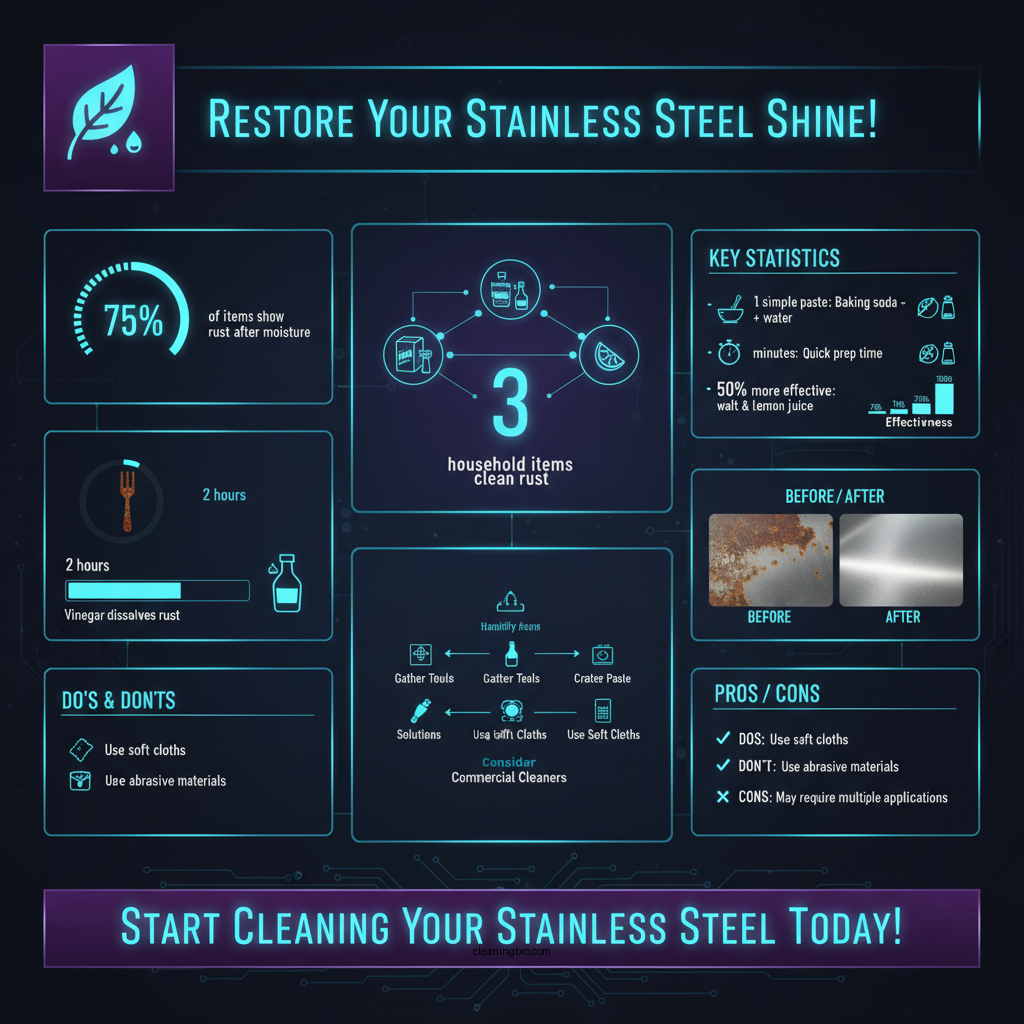
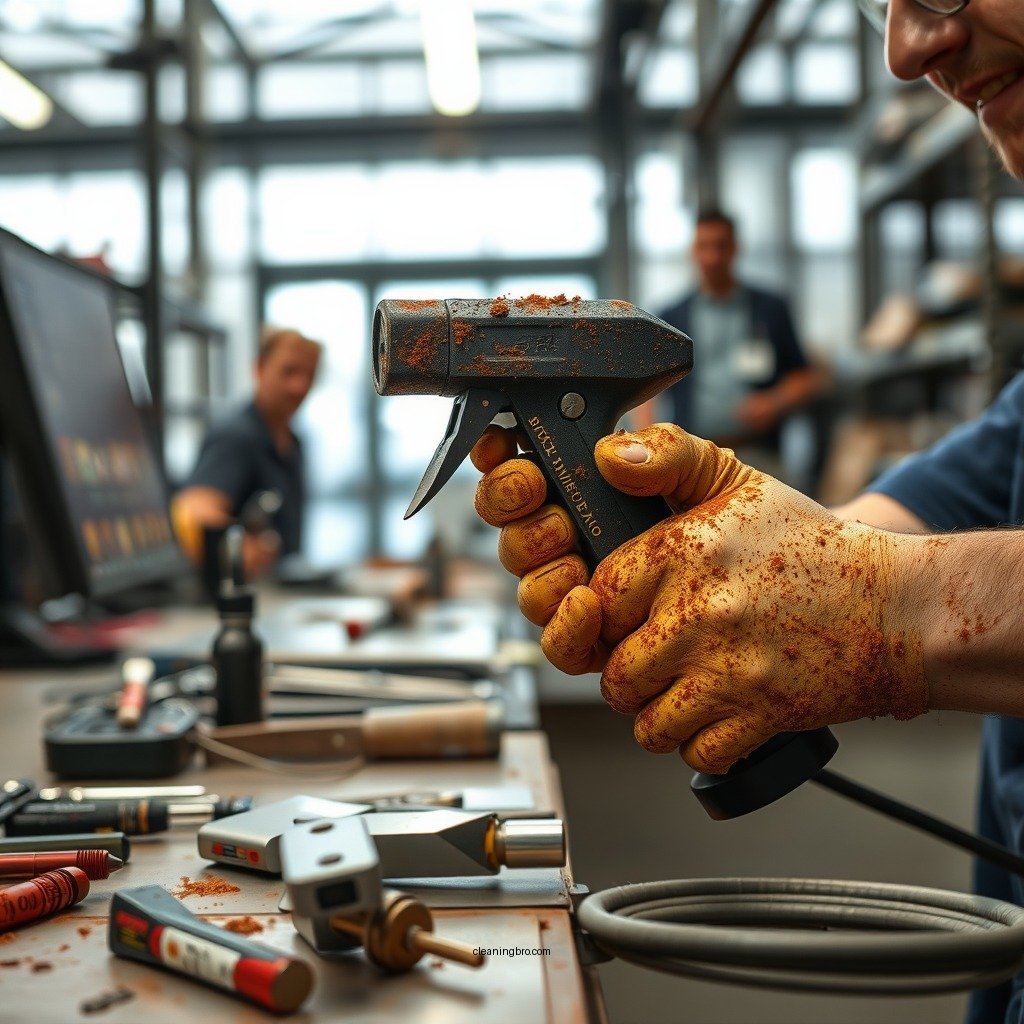
To effectively clean rust from stainless steel, gather the following materials:
– Baking Soda: A mild abrasive that helps lift rust without scratching the surface.
– White Vinegar: Its acidity can dissolve rust and mineral deposits.
– Lemon Juice: The citric acid in lemon juice is effective for rust removal.
– Salt: Works in conjunction with lemon juice to enhance rust removal.
– Soft Cloths: Microfiber cloths are ideal to avoid scratching the stainless steel.
– Commercial Stainless Steel Cleaners: For stubborn rust stains, professional-grade cleaners may be required.
Having these materials ready will streamline the cleaning process and ensure you can tackle rust effectively.
Method 1: Baking Soda Paste
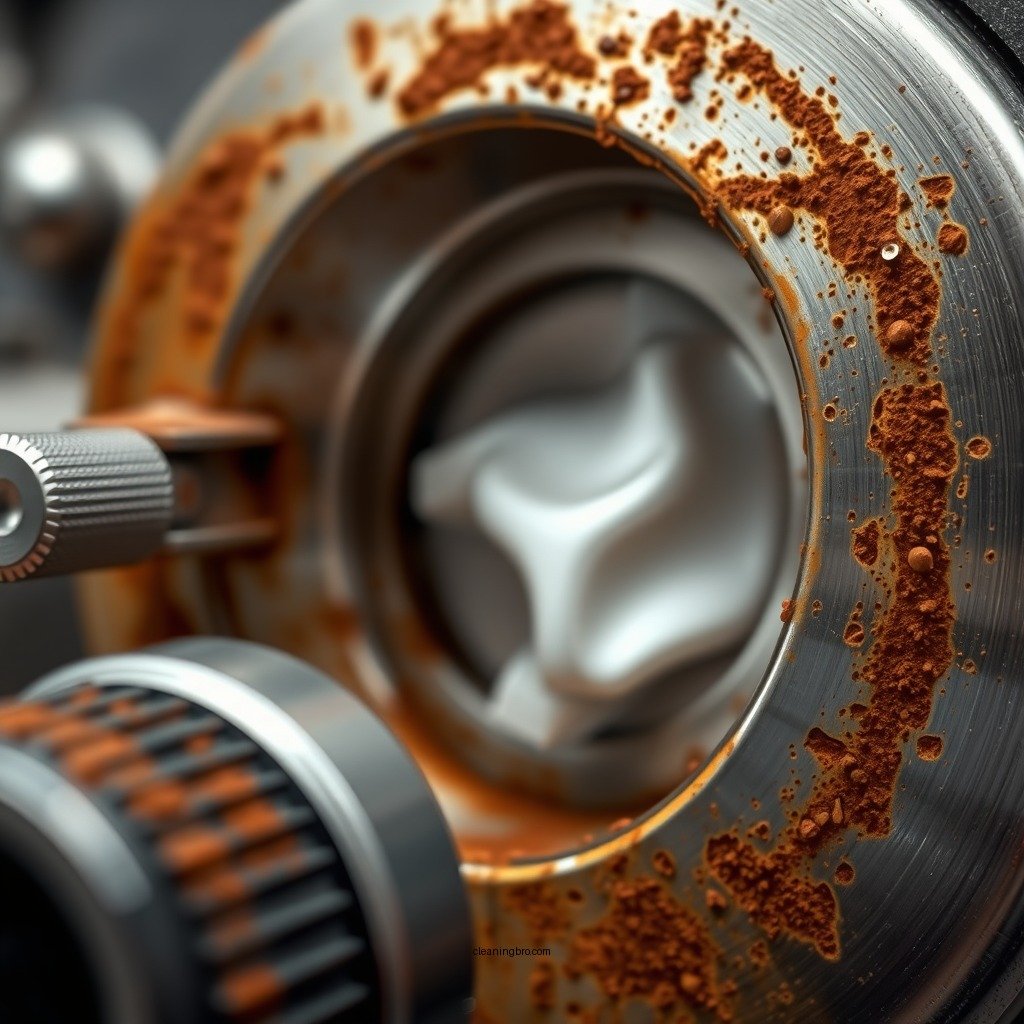
One of the most effective and straightforward methods for removing rust from stainless steel is to create a baking soda paste. To make this paste:
1. Mix baking soda with a small amount of water in a bowl until it forms a thick consistency.
2. Apply the paste directly onto the rusted areas of the stainless steel.
3. Allow the paste to sit for approximately 30 minutes. This waiting period lets the baking soda work on the rust.
4. After 30 minutes, gently scrub the area with a soft cloth or sponge. Rinse with water and dry thoroughly.
This method is effective for light rust and is gentle enough to avoid scratching the stainless steel surface.
Method 2: Vinegar Soak
White vinegar is another powerful tool in the fight against rust. Here’s how to use it effectively:
1. Soak a soft cloth in white vinegar.
2. Wrap the cloth around the rusted area of the stainless steel.
3. Let it sit for a few hours to allow the vinegar to penetrate and dissolve the rust.
4. After soaking, remove the cloth and wipe the area with a clean, soft cloth.
This method is particularly useful for larger rusted areas and provides a natural and safe approach to rust removal.
Method 3: Lemon Juice and Salt
Combining lemon juice and salt creates a potent rust removal solution. Follow these steps:
1. Sprinkle salt over the rusted area of the stainless steel.
2. Squeeze fresh lemon juice over the salt to create a paste.
3. Allow this mixture to sit for about 2 hours, allowing the acid from the lemon juice to react with the rust.
4. Scrub the area gently with a soft cloth or sponge, then rinse with water and dry.
This method not only removes rust but also leaves a pleasant citrus scent.
Most Common Household Remedies for Rust Removal on Stainless Steel
| # | Method | Effectiveness | Time Required | Cost |
|---|---|---|---|---|
| 1 | Baking Soda Paste | Moderate | 30 minutes | Low |
| 2 | Vinegar Soak | High | 2 hours | Low |
| 3 | Lemon Juice & Salt | High | 2 hours | Low |
| 4 | Commercial Cleaners | Very High | Varies | Moderate |
Preventive Measures to Avoid Future Rust
Maintaining the shine and integrity of stainless steel surfaces requires proactive measures:
1. Keep Surfaces Dry: Regularly wipe down stainless steel surfaces to remove moisture, especially in areas prone to humidity, like kitchens and bathrooms.
2. Avoid Harsh Chemicals: Use mild detergents and avoid abrasive cleaners that may scratch the surface, leading to rust formation.
3. Regular Cleaning: Implement a routine cleaning schedule using appropriate cleaning agents. This prevents buildup that can lead to rust.
4. Polish Regularly: Use a stainless steel polish to create a protective layer that helps ward off rust and restore shine.
Taking these steps can significantly reduce the likelihood of rust formation and extend the life of your stainless steel items.
When to Seek Professional Help
While many rust issues can be resolved with home remedies, there are circumstances where professional help is warranted:
– Deep Penetration: If rust has penetrated deeply into the metal, it may require professional restoration techniques, such as sandblasting or specialized treatments.
– Extensive Damage: Large areas of rust or corrosion may be indicative of underlying issues that need expert assessment.
– High-Value Items: For valuable stainless steel appliances or fixtures, consulting a professional ensures the restoration is handled correctly without further damage.
Professional services can provide tailored solutions for complex rust issues, ensuring your stainless steel items are restored to their original condition.
Cleaning rust from stainless steel is a manageable task using simple household items and techniques. By employing methods such as baking soda paste, vinegar soak, and lemon juice with salt, you can effectively remove rust and restore your stainless steel surfaces. Regular maintenance and preventive measures will help keep your items looking their best and prolong their lifespan. Start implementing these techniques today to enjoy the beauty and durability of your stainless steel possessions!
Frequently Asked Questions
What are the best methods to remove rust from stainless steel?
The best methods to remove rust from stainless steel include using a mixture of baking soda and water to create a paste, applying vinegar, or using a commercial stainless steel cleaner. For light rust, gently scrubbing with a non-abrasive sponge can effectively lift the rust without damaging the surface. Always rinse thoroughly and dry the area to prevent further rusting.
How can I prevent rust from forming on my stainless steel appliances?
To prevent rust on stainless steel appliances, regularly clean them with a mild detergent and warm water, ensuring to dry the surfaces completely afterward. Applying a thin layer of mineral oil can also help protect the surface and create a barrier against moisture. It’s essential to avoid harsh chemicals that can damage the protective layer of stainless steel.
Why is my stainless steel rusting despite being labeled as rust-resistant?
Stainless steel is designed to be rust-resistant due to its chromium content, which forms a protective layer. However, it can still rust if exposed to harsh environments, such as salty air or prolonged moisture, or if it is scratched, allowing contaminants to penetrate. Regular maintenance and proper cleaning can help mitigate these issues.
Which household items can I use to clean rust from stainless steel?
Common household items like baking soda, white vinegar, and lemon juice are effective for cleaning rust from stainless steel. Baking soda acts as a gentle abrasive, while vinegar and lemon juice contain acids that can help dissolve rust. Always test a small area first to ensure no damage occurs to the stainless steel finish.
What should I avoid when cleaning rust off stainless steel?
When cleaning rust off stainless steel, avoid using steel wool or abrasive cleaners, as these can scratch the surface and make it more prone to rust. Additionally, steer clear of chlorine-based cleaners, which can cause corrosion. Always opt for non-abrasive tools and gentle cleaning solutions to maintain the integrity of the stainless steel.
References
- 3 Ways to Clean Rust Off Stainless Steel – wikiHow
https://www.wikihow.com/Clean-Rust-Off-Stainless-Steel - https://www.mayoclinic.org/healthy-lifestyle/consumer-health/in-depth/stainless-steel-cleaning/art-20046272
https://www.mayoclinic.org/healthy-lifestyle/consumer-health/in-depth/stainless-steel-cleaning/art-20046272 - https://www.sciencedirect.com/topics/engineering/stainless-steel
https://www.sciencedirect.com/topics/engineering/stainless-steel - Stainless steel | Definition, Composition, Types, & Facts | Britannica
https://www.britannica.com/science/stainless-steel - https://www.cdc.gov/niosh/topics/metalworking/cleaning.html
https://www.cdc.gov/niosh/topics/metalworking/cleaning.html - https://www.nytimes.com/2020/06/24/style/how-to-clean-stainless-steel.html
https://www.nytimes.com/2020/06/24/style/how-to-clean-stainless-steel.html - Google Scholar Google Scholar
https://scholar.google.com/scholar?q=how+to+clean+stainless+steel+from+rust - Google Scholar Google Scholar
https://scholar.google.com/scholar?q=rust+removal+stainless+steel+techniques - Google Scholar Google Scholar
https://scholar.google.com/scholar?q=cleaning+methods+for+stainless+steel+rust - how to clean stainless steel from rust – Search results
https://en.wikipedia.org/wiki/Special:Search?search=how+to+clean+stainless+steel+from+rust