How to Clean Suction Cups: Simple Steps for Best Results
Cleaning suction cups is straightforward and can significantly improve their effectiveness. To clean suction cups, start by using warm, soapy water to remove dirt and grime. Maintaining clean suction cups not only enhances adhesion but also prolongs their lifespan. In this article, we will explore the most effective methods for cleaning suction cups, ensuring they stick properly and function optimally over time.
Why Clean Suction Cups?
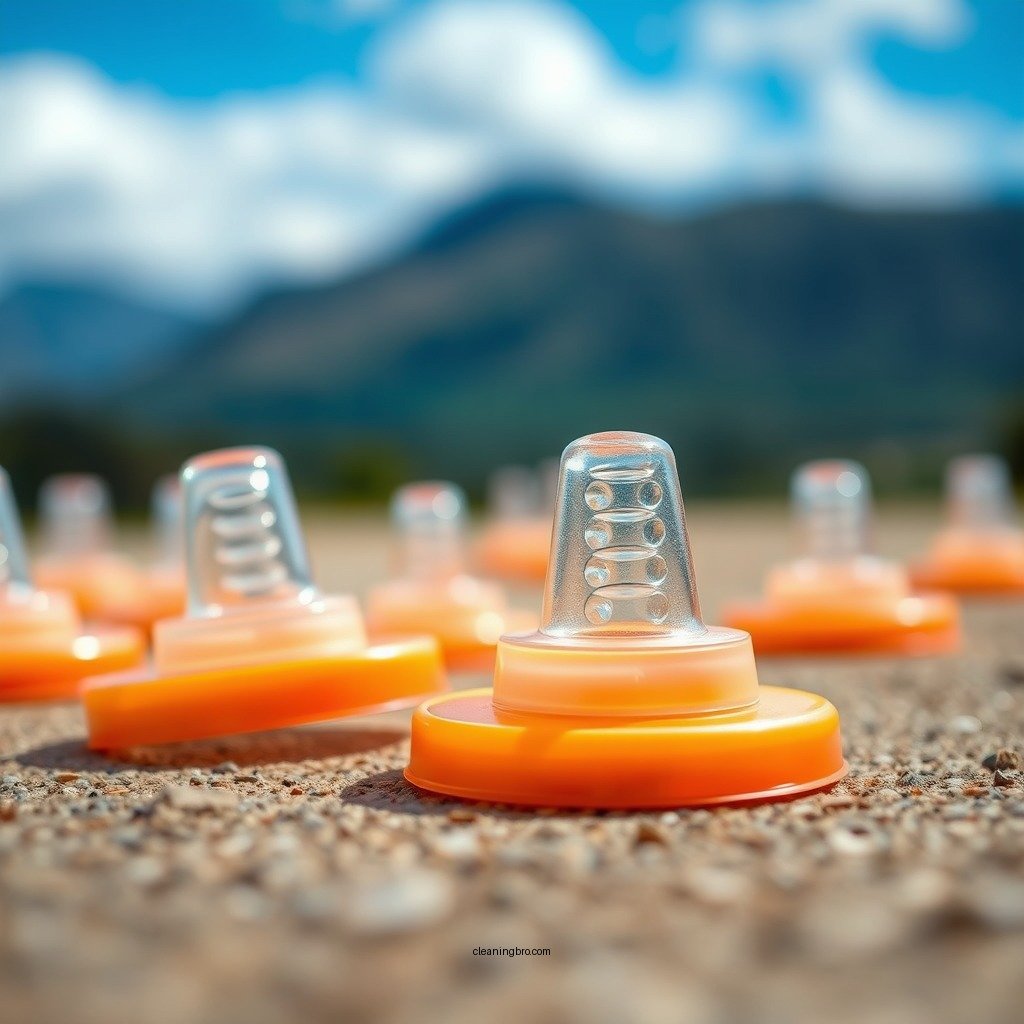
Regular cleaning of suction cups is crucial for maintaining their functionality. Over time, dirt, dust, and residues can accumulate on the surface of suction cups, leading to a weakened seal. This buildup can interfere with the suction mechanism, diminishing their ability to hold securely onto surfaces. By routinely cleaning your suction cups, you prevent this buildup, ensuring they adhere better and function as intended. Additionally, a clean suction cup is less prone to damage, extending its life and performance.
Materials Needed for Cleaning
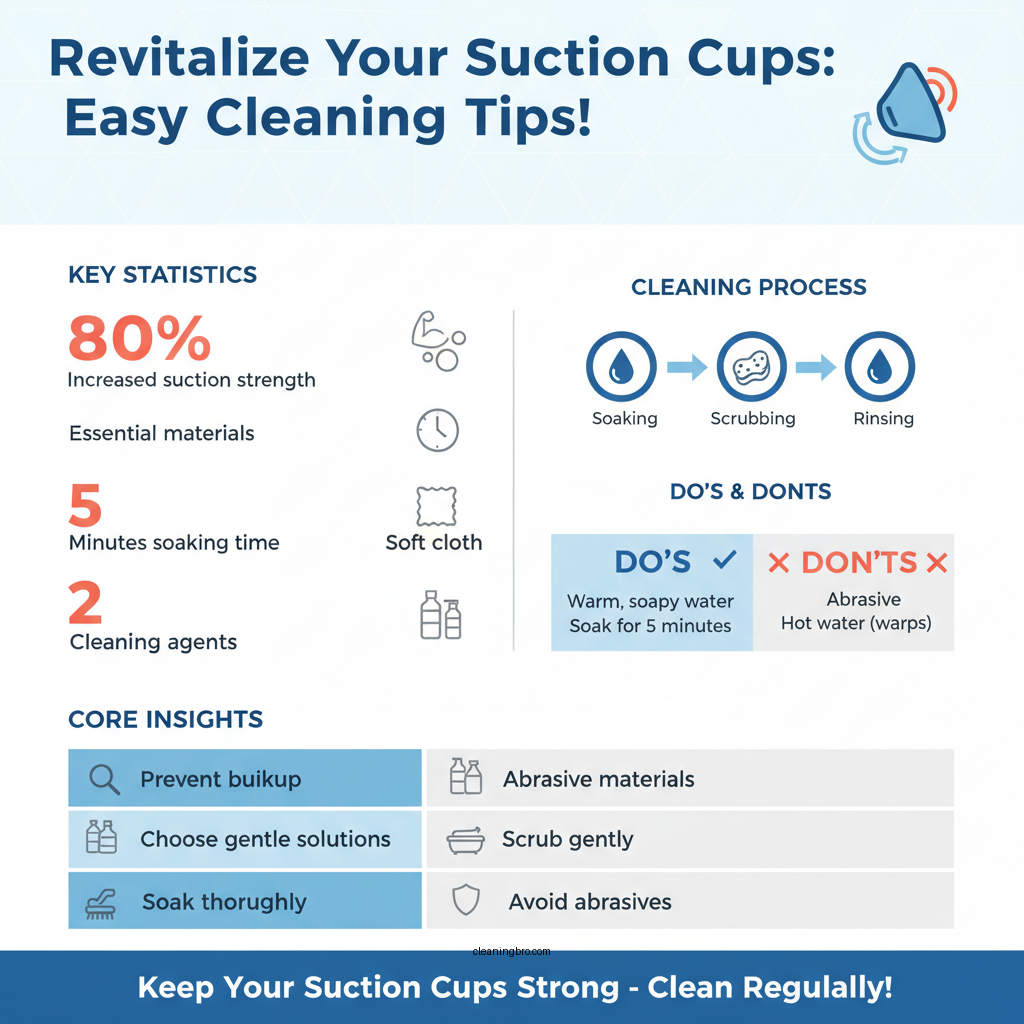
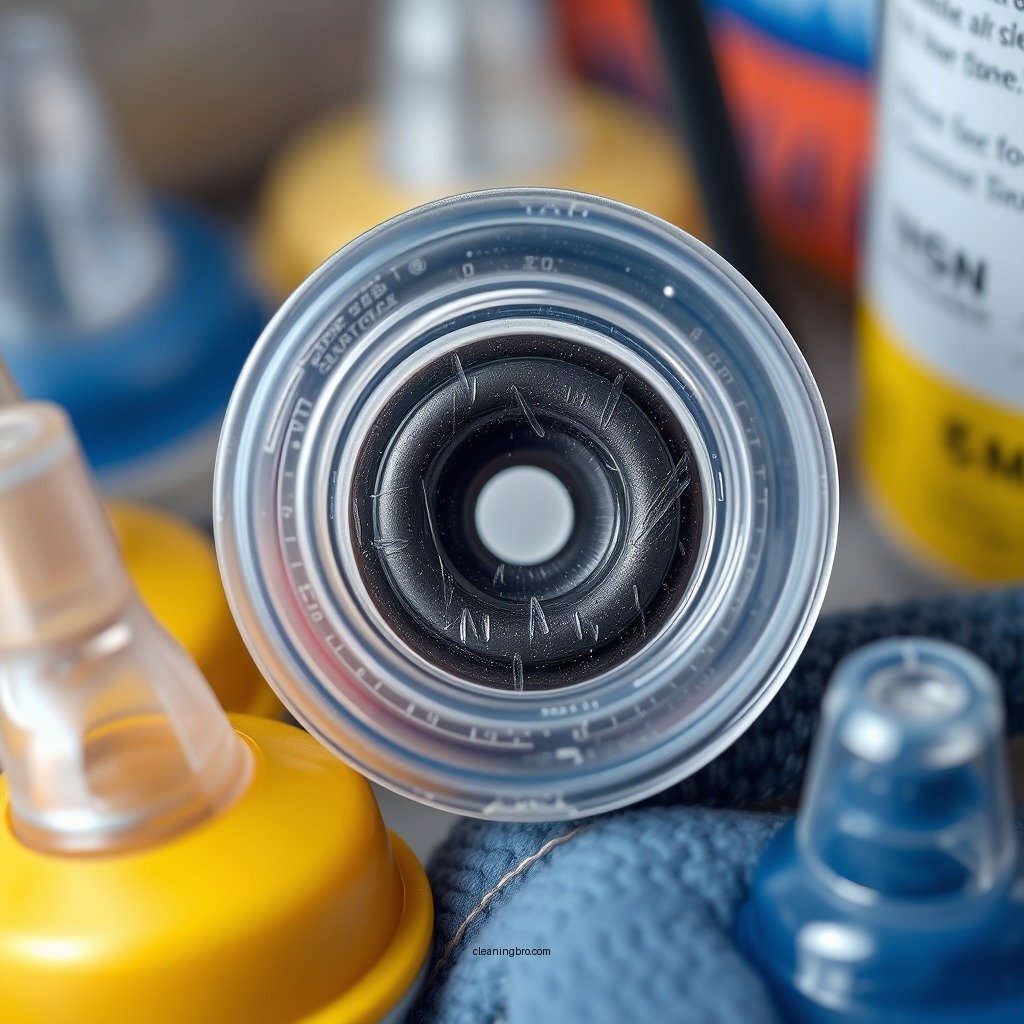
To effectively clean suction cups, gather the following materials:
– Mild Dish Soap or Vinegar: These cleaning agents are effective in breaking down grease and grime without damaging the material of the suction cups.
– Soft Cloth or Sponge: Using a soft cloth or sponge will help avoid scratching the surface of the suction cups, ensuring they remain intact.
– Warm Water: Warm water aids in dissolving dirt and soap, facilitating a more thorough cleaning.
Step-by-Step Cleaning Process

1. Prepare the Cleaning Solution: Start by mixing warm water with a few drops of mild dish soap or a splash of vinegar in a bowl. The warm water should be comfortable to touch, as too hot water may warp the suction cups.
2. Soak the Suction Cups: Immerse the suction cups in the solution for a few minutes. This soaking process will help loosen any dirt or residue stuck to the surface.
3. Scrub Gently: After soaking, use a soft cloth or sponge to gently scrub the suction cups. Pay attention to the edges and crevices where grime tends to accumulate. Avoid using abrasive materials to prevent scratching.
Top 7 Cleaning Solutions for Suction Cups (2023)
| # | Cleaning Solution | Effectiveness | Compatibility | Price |
|---|---|---|---|---|
| 1 | Mild Dish Soap | High | Plastic, Glass | $5 |
| 2 | White Vinegar | Medium | Glass, Metal | $3 |
| 3 | Rubbing Alcohol | High | Plastic, Glass | $2 |
| 4 | Baking Soda Paste | Medium | All materials | $1 |
| 5 | Commercial Cleaners | Very High | All materials | $10 |
| 6 | Lemon Juice | Medium | Metal, Glass | $4 |
| 7 | Hydrogen Peroxide | High | Plastic, Glass | $5 |
Drying Techniques
Proper drying techniques are just as important as cleaning when it comes to maintaining suction cups. After cleaning:– Wipe Dry: Use a clean, dry cloth to thoroughly wipe the suction cups. Ensure that no moisture remains, as even a small amount can compromise the suction seal.
– Air Dry: After wiping, allow the suction cups to air dry completely before applying them to any surface. This step prevents moisture from interfering with their adhesion.
Tips for Maintaining Suction Power
To ensure your suction cups maintain their effectiveness over time, consider the following tips:
– Regular Inspection: Periodically check suction cups for signs of wear and tear, such as cracks or loss of flexibility, which can hinder their performance.
– Proper Storage: Store suction cups in a clean, dry environment. Avoid exposing them to extreme temperatures or direct sunlight, which can cause the material to degrade.
– Use on Clean Surfaces: Always apply suction cups to clean, smooth surfaces. Dirt or imperfections can significantly reduce their sticking power.
Common Mistakes to Avoid
While cleaning suction cups is simple, several common mistakes can hinder their effectiveness:
– Using Harsh Chemicals: Avoid using abrasive cleaners or solvents that can degrade the material of the suction cups, leading to cracks or loss of suction.
– Neglecting to Dry: Failing to dry suction cups properly can lead to poor adhesion, rendering them ineffective when used.
When to Replace Suction Cups
Despite proper care, suction cups have a finite lifespan. Signs that it may be time to replace them include:
– Visible Wear: Look for cracks, tears, or significant loss of flexibility. These issues can compromise the suction capability.
– Reduced Performance: If suction cups are not adhering well even after cleaning, they may need to be replaced as their material may have lost elasticity.
By following these steps, you can keep your suction cups clean and functioning at their best. Remember to incorporate regular maintenance into your routine to extend their lifespan and effectiveness. For more tips on home care, explore our other articles!
Frequently Asked Questions
How do I clean suction cups effectively?
To clean suction cups effectively, start by removing them from the surface. Wash them in warm, soapy water to remove dirt and grime, then rinse thoroughly. For stubborn residue, you can use a mixture of vinegar and water. Make sure to dry them completely before reattaching to ensure a strong hold.
Why do suction cups lose their grip and how can cleaning help?
Suction cups lose their grip due to dust, grease, or moisture that builds up on the surface. Cleaning them removes these contaminants, allowing the suction cup to create a better seal against the surface. Regular cleaning can help maintain the suction power and prolong the life of the cups.
What is the best method for disinfecting suction cups?
The best method for disinfecting suction cups is to use a solution of equal parts vinegar and water or a mild bleach solution. Soak the suction cups for a few minutes, then scrub gently with a soft cloth or sponge. Rinse thoroughly with water and dry completely to ensure they are free from any disinfectant residue.
Which cleaning products should I avoid when cleaning suction cups?
Avoid using abrasive cleaners, strong chemicals, or solvents such as acetone or bleach in concentrated forms, as they can damage the rubber or plastic material of suction cups. Instead, stick to gentle dish soap, vinegar, or baking soda for safe and effective cleaning.
How often should I clean suction cups for optimal performance?
For optimal performance, suction cups should be cleaned every few weeks, or more frequently if they are used in humid or dirty environments. Regular cleaning helps prevent build-up that can weaken the suction. If you notice a loss of grip, it’s a good time to clean them regardless of the schedule.
References
- Suction cup
https://en.wikipedia.org/wiki/Suction_cup - https://www.mayoclinic.org/healthy-lifestyle/consumer-health/in-depth/cleaning-and-disinfecting-home/art-20451537
https://www.mayoclinic.org/healthy-lifestyle/consumer-health/in-depth/cleaning-and-disinfecting-home/art-20451537 - https://www.cdc.gov/infectioncontrol/guidelines/disinfection/index.html
https://www.cdc.gov/infectioncontrol/guidelines/disinfection/index.html - https://www.nature.com/articles/s41598-020-62061-3
https://www.nature.com/articles/s41598-020-62061-3 - https://www.pubmed.ncbi.nlm.nih.gov/31475569/
https://www.pubmed.ncbi.nlm.nih.gov/31475569/ - Suction cup | device | Britannica
https://www.britannica.com/science/suction-cup - https://www.sciencedirect.com/topics/engineering/suction-cup
https://www.sciencedirect.com/topics/engineering/suction-cup - https://www.reuters.com/article/us-health-covid-cleaning-idUSKCN24M2YB
https://www.reuters.com/article/us-health-covid-cleaning-idUSKCN24M2YB - Google Scholar Google Scholar
https://scholar.google.com/scholar?q=how+to+clean+suction+cups - Google Scholar Google Scholar
https://scholar.google.com/scholar?q=suction+cups+cleaning+methods