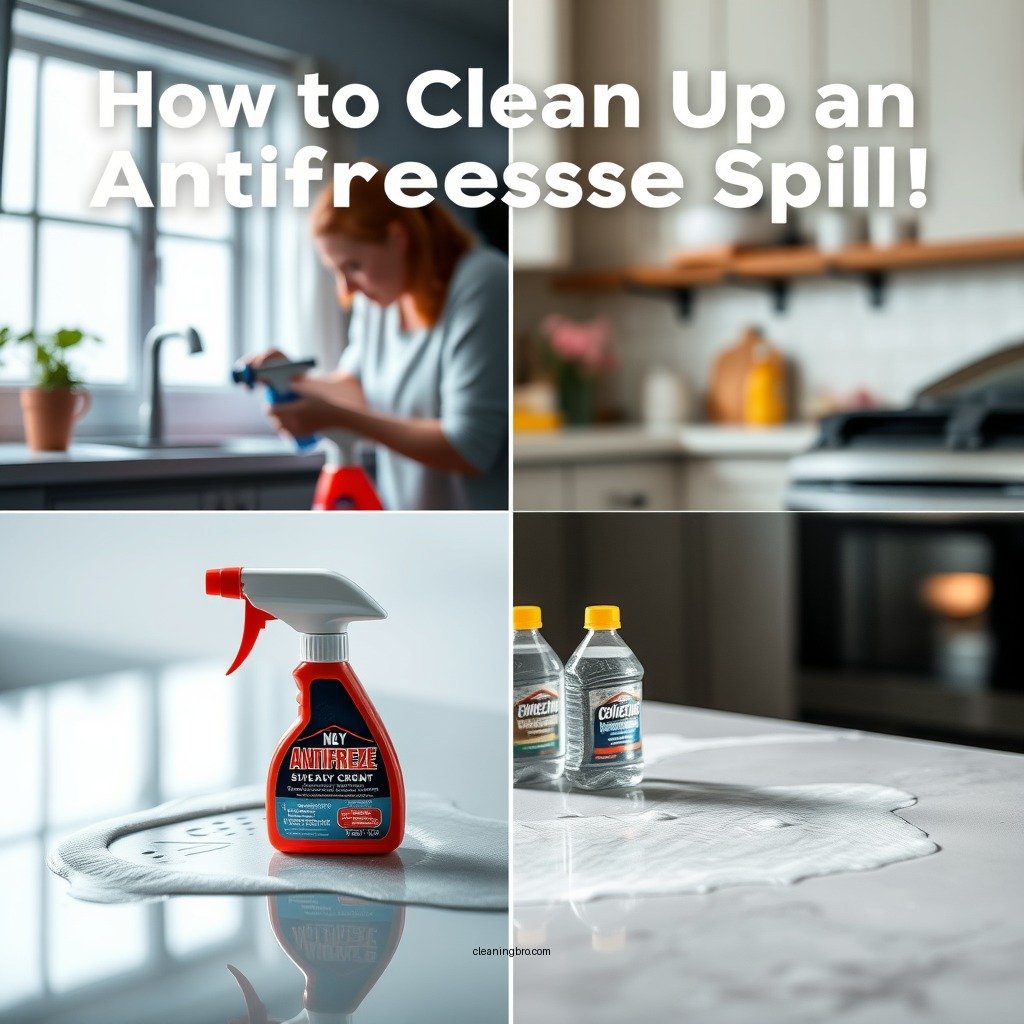
How to Clean Up an Antifreeze Spill: A Step-by-Step Guide
Cleaning up an antifreeze spill requires immediate action to prevent harm to pets, wildlife, and the environment. Antifreeze, while effective for vehicle cooling systems, is toxic and can lead to severe health issues if ingested. Therefore, it is crucial to act swiftly and follow proper cleanup procedures to mitigate risks. This guide will provide you with essential steps to tackle antifreeze spills safely and efficiently, ensuring both your safety and that of those around you.
Assess the Area
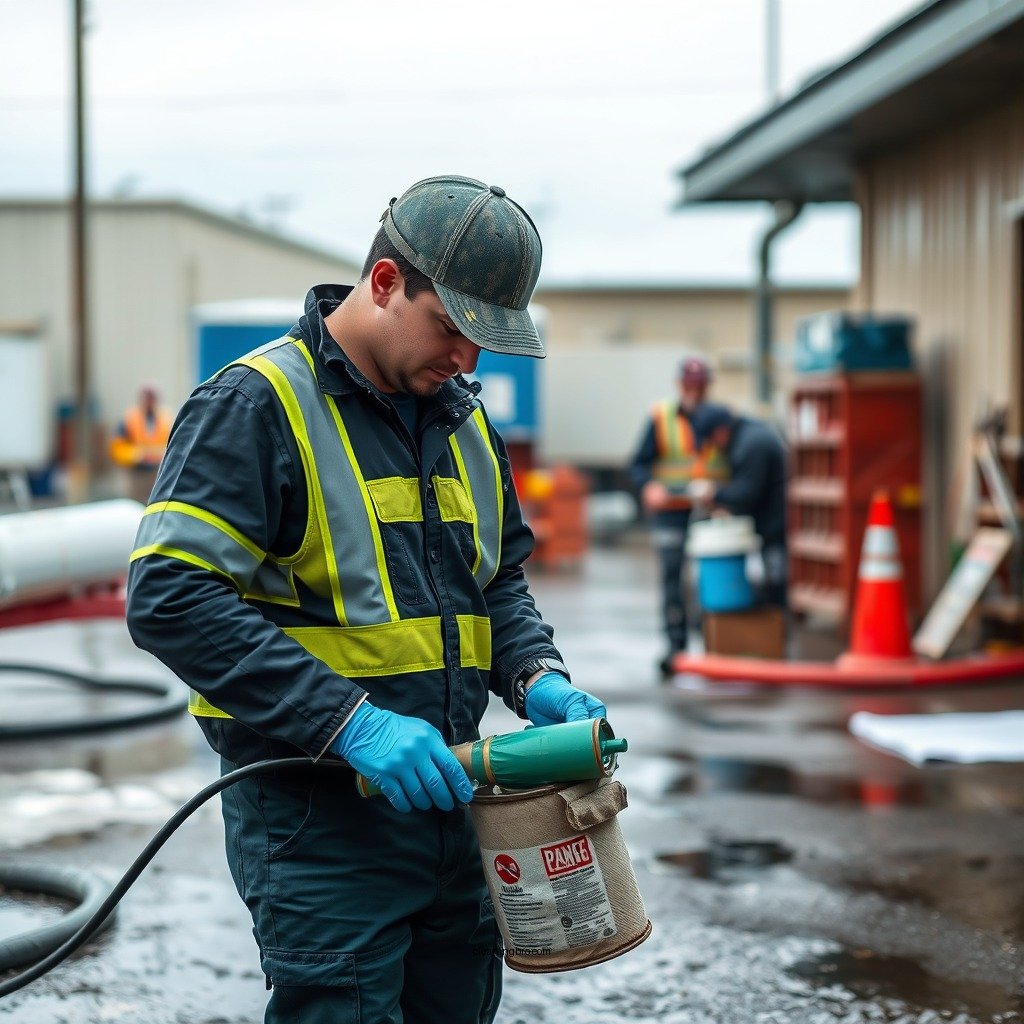
Before initiating the cleanup process, it is vital to assess the spill area thoroughly. Start by determining the size of the spill, as this will help you gauge how much cleaning solution and absorbent material you will need. For example, a small spill might be manageable with just paper towels, while a larger one may require a more extensive approach with absorbent materials and commercial cleaners.
Next, identify the type of surface affected by the spill. Antifreeze spills can occur on various surfaces, including hard surfaces like concrete or asphalt, and absorbent materials such as carpets or soil. The method of cleanup will differ significantly based on the surface type. Hard surfaces may allow for easier cleanup, whereas absorbent materials may require more thorough treatment to prevent lingering toxicity.
Gather Necessary Supplies
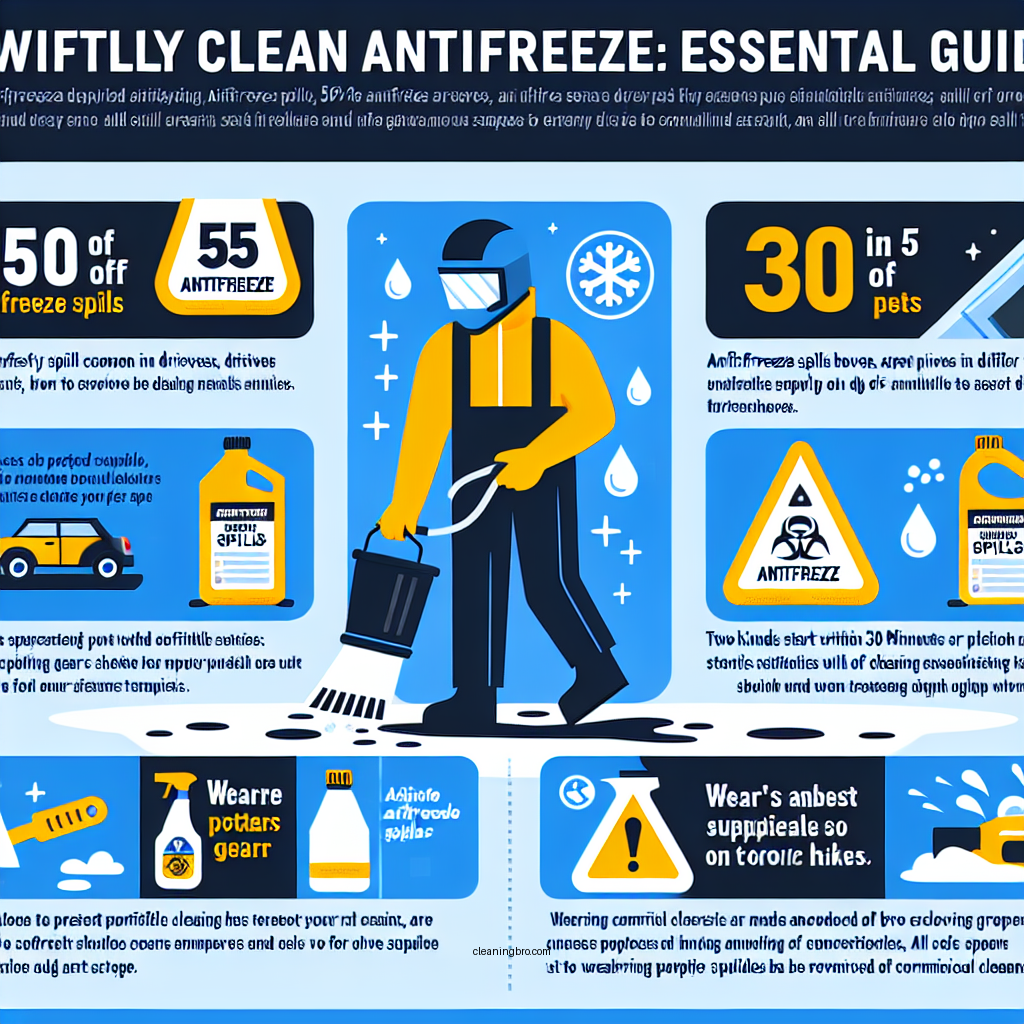
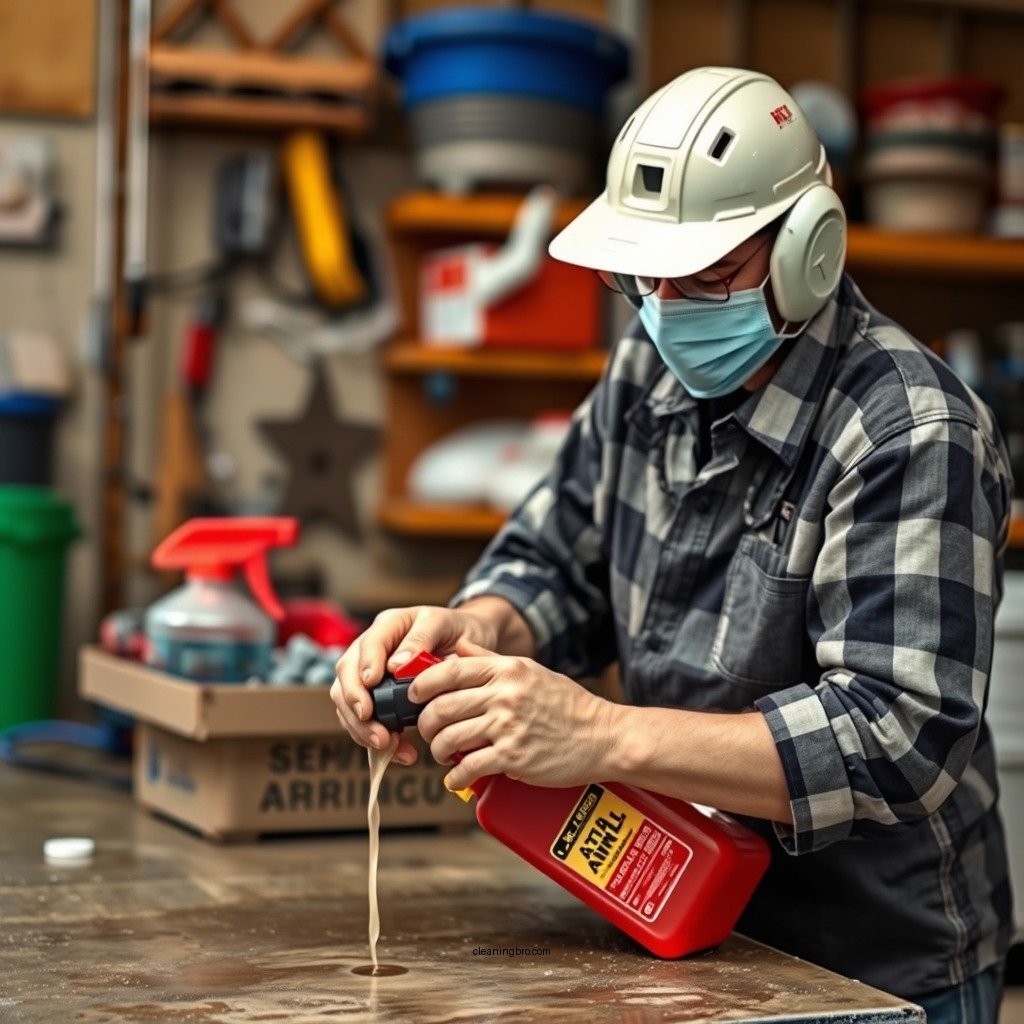
Once you have assessed the spill area, the next step is to gather all necessary supplies for effective cleanup. Here’s a comprehensive list of items you should collect:
– Personal Protective Equipment: Wear gloves and a mask to protect yourself from harmful vapors and skin contact.
– Cleaning Supplies: Gather paper towels, a broom, a dustpan, and absorbent materials like cat litter, sawdust, or sand.
– Cleaning Solution: Have a commercial cleaner designed specifically for antifreeze spills, or you can use a mixture of water and vinegar as an effective alternative.
Having these supplies ready will streamline the cleanup process, allowing you to focus on effectively eliminating the toxic substance from the environment.
Absorb the Spill
The next step is to absorb the antifreeze spill. The approach varies depending on the surface type:
– For Hard Surfaces: Use paper towels or an absorbent material to soak up as much antifreeze as possible. Start by blotting the area gently, avoiding excessive rubbing, which may spread the liquid further. Once the initial absorption is complete, you can sprinkle an absorbent material over the area to capture any residual antifreeze.
– For Carpets or Soil: If the spill occurs on absorbent materials like carpets or soil, sprinkle a generous amount of absorbent material over the spill immediately. Allow it to sit for at least 15 minutes to ensure it captures the liquid effectively. Afterward, sweep or vacuum the material, and consider repeating this process to ensure thorough absorption.
Top 5 Absorbent Materials for Antifreeze Cleanup
| # | Material | Absorption Capacity | Cost per Bag | Eco-Friendly |
|---|---|---|---|---|
| 1 | Cat Litter | Up to 5x its weight | $5 | ✅ |
| 2 | Sawdust | Up to 3x its weight | $4 | ✅ |
| 3 | Absorbent Pads | Varies (depends on thickness) | $10 | ✅ |
| 4 | Sand | Up to 2x its weight | $3 | ✅ |
| 5 | Baking Soda | Moderate | $2 | ✅ |
Clean the Surface
Once you have absorbed as much antifreeze as possible, the next step is to clean the surface thoroughly. Depending on the type of surface, this may involve different techniques:
– For Hard Surfaces: After removing the absorbed antifreeze, apply a suitable cleaning solution to the area. Using a scrub brush or sponge, work the cleaner into the surface to remove any remaining residues. Be sure to follow the manufacturer’s instructions for the cleaning solution used. After scrubbing, rinse the area with clean water to ensure that all residues are eliminated.
– For Carpets and Fabric: For carpets or fabric, after absorbing the antifreeze, you may need to apply a carpet cleaner that specifically targets chemical spills. Follow the product instructions for application, and then blot the area with clean cloths until no further antifreeze is transferred. Rinse with cold water and allow to dry completely.
Dispose of Waste Properly
Disposing of contaminated materials correctly is crucial to prevent further environmental harm. All used materials, such as paper towels and absorbent substances, should be placed in a sealed plastic bag. Make sure the bag is tightly closed to prevent any leakage.
Moreover, check local regulations for the proper disposal of antifreeze and other hazardous waste. Many areas have designated disposal sites or hazardous waste collection events. It is essential to adhere to these regulations to protect the environment and public health.
Prevent Future Spills
Taking proactive measures can significantly reduce the risk of future antifreeze spills. Here are some practical steps you can implement:
– Regular Vehicle Maintenance: Regularly check your vehicle’s antifreeze levels and inspect hoses and connections for leaks. Address any issues promptly to prevent spills.
– Secure Storage: Store antifreeze in a secure, upright position in a clearly labeled container. Ensure it is kept out of reach of pets and children to minimize accidental ingestion.
– Use Eco-Friendly Alternatives: Consider using antifreeze products that are non-toxic and environmentally friendly, especially if you have pets or wildlife nearby.
Know the Signs of Antifreeze Poisoning
Being aware of the signs of antifreeze poisoning is crucial for the safety of pets and wildlife. Familiarize yourself with symptoms that may indicate poisoning, including:
– Lethargy: Unusual tiredness or lack of energy.
– Vomiting: Repeated vomiting can indicate a serious issue.
– Seizures: Neurological symptoms like seizures are critical signs of poisoning.
If you suspect that a pet or wildlife has ingested antifreeze, contact a veterinarian or local animal control immediately. Prompt action can save lives.
By following these steps, you can effectively clean up an antifreeze spill and minimize its impact on the environment and local wildlife. Take precautions to prevent future spills, and always handle antifreeze with care to ensure safety for yourself and those around you.
Frequently Asked Questions
What are the first steps to take immediately after an antifreeze spill?
The first steps to take after an antifreeze spill include ensuring safety by wearing gloves and protective eyewear, as antifreeze can be toxic. Next, contain the spill with absorbent materials such as kitty litter or sawdust to prevent it from spreading further.
How do I properly dispose of antifreeze after cleaning up a spill?
To properly dispose of antifreeze, check local regulations for hazardous waste disposal, as antifreeze is considered toxic. Many areas have designated collection sites or recycling programs, so it’s important to follow guidelines to ensure safe and environmentally friendly disposal.
Why is it important to clean up an antifreeze spill promptly?
Cleaning up an antifreeze spill promptly is crucial because antifreeze contains ethylene glycol, which is highly toxic to pets and wildlife. Additionally, if left untreated, it can seep into the ground and contaminate water supplies, posing environmental hazards.
What are the best materials to use for cleaning up an antifreeze spill?
The best materials for cleaning up an antifreeze spill include absorbent substances like cat litter, baking soda, or commercial absorbent pads designed for chemical spills. After absorbing the liquid, use a mixture of water and dish soap to scrub the area thoroughly and remove any residue.
Which cleaning products are safe to use on surfaces after an antifreeze spill?
Safe cleaning products to use on surfaces after an antifreeze spill include mild dish soap and water, which effectively break down the antifreeze without harmful effects on most surfaces. For tougher stains, a vinegar and water solution can help neutralize odors and residues left behind.
References
- https://www.epa.gov/chemical-research/cleaning-antifreeze-spills
https://www.epa.gov/chemical-research/cleaning-antifreeze-spills - https://www.cdc.gov/niosh/docs/2009-124/pdfs/2009-124.pdf
https://www.cdc.gov/niosh/docs/2009-124/pdfs/2009-124.pdf - https://www.niehs.nih.gov/health/materials/antifreeze_spills_508.pdf
https://www.niehs.nih.gov/health/materials/antifreeze_spills_508.pdf - https://www.health.ny.gov/environmental/emergency/chemical_spills/cleanup.htm
https://www.health.ny.gov/environmental/emergency/chemical_spills/cleanup.htm - https://www.purdue.edu/envirosoft/epahazards/antifreeze.htm
https://www.purdue.edu/envirosoft/epahazards/antifreeze.htm - https://www.sciencedirect.com/topics/engineering/antifreeze-spill-cleanup
https://www.sciencedirect.com/topics/engineering/antifreeze-spill-cleanup - https://www.who.int/news-room/fact-sheets/detail/ethylene-glycol
https://www.who.int/news-room/fact-sheets/detail/ethylene-glycol - https://www.britannica.com/science/antifreeze
https://www.britannica.com/science/antifreeze - Google Scholar Google Scholar
https://scholar.google.com/scholar?q=how+to+clean+up+antifreeze+spill - Google Scholar Google Scholar
https://scholar.google.com/scholar?q=antifreeze+spill+cleanup+methods