How to Spot Clean a Suit: Effective Techniques
To effectively spot clean a suit, you’ll want to act quickly and use the right techniques to avoid damaging the fabric. This guide will walk you through the essential steps for removing stains and keeping your suit looking sharp. Spot cleaning is an invaluable skill that can help maintain the pristine appearance of your suit, extending its lifespan and ensuring you always look your best.
Understanding Suit Fabrics

Understanding the type of fabric your suit is made from is crucial for effective cleaning. Suits can be crafted from a variety of materials, including wool, cotton, and synthetic blends, each requiring different care methods. For instance, wool suits are durable and naturally stain-resistant, but they can be sensitive to heat, which can cause shrinkage or distortion. Cotton suits are often easier to clean but may be more susceptible to staining. Synthetic fabrics, while generally more resistant to wrinkles and stains, can react unpredictably to certain cleaning agents.
Always check the care label on your suit for specific cleaning instructions and warnings. This label will often provide insights into the best methods for cleaning, including whether the suit is machine washable or should only be dry cleaned. Familiarizing yourself with these details can save you from potential mishaps and preserve your suit’s quality.
Essential Spot Cleaning Supplies
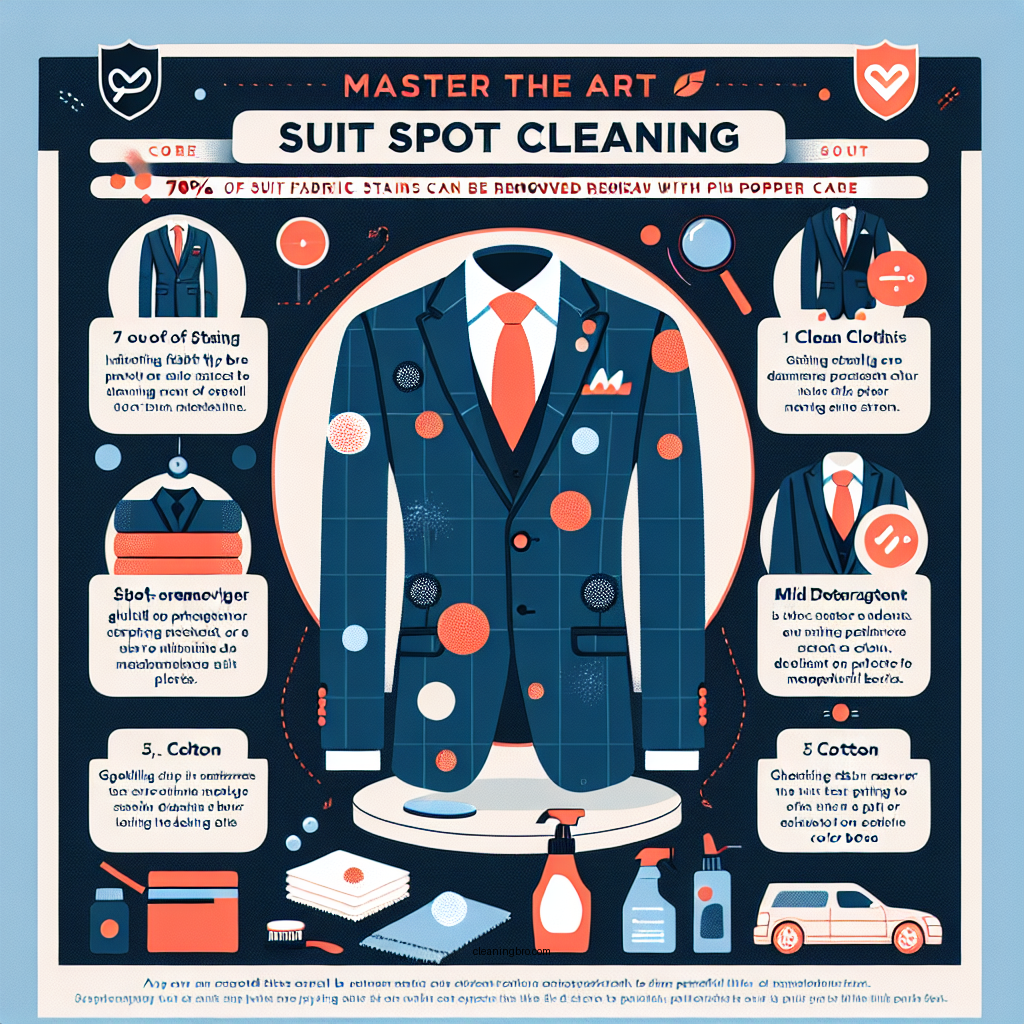
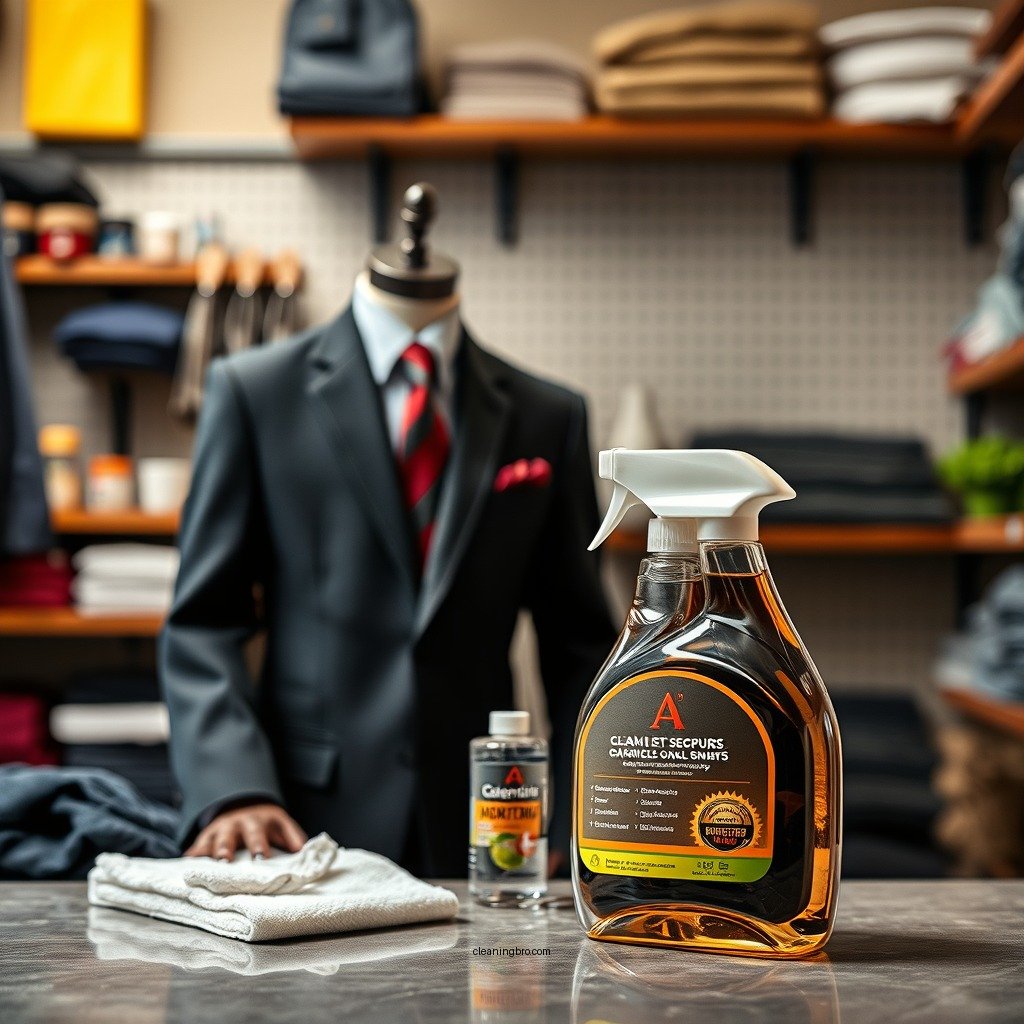
Before you begin the spot cleaning process, it’s essential to gather the right materials. Here’s a list of supplies you’ll need:
– Clean Cloth: A white or light-colored cloth is ideal to avoid color transfer.
– Mild Detergent: Choose a detergent that is gentle and designed for delicate fabrics. Avoid bleach or harsh chemicals.
– Soft Brush: A soft-bristled brush can help lift dirt and debris without damaging the fabric.
– Fabric-Safe Stain Remover: For tougher stains, a fabric-safe stain remover can be beneficial. Always test on an inconspicuous area first.
Having these supplies on hand will streamline your cleaning process and ensure that you are prepared for any unexpected spills.
Step-by-Step Spot Cleaning Process

Here’s a straightforward step-by-step guide to spot cleaning your suit effectively:
1. Blot the Stain: Begin by gently blotting the stained area with a clean cloth. Avoid rubbing, as this can spread the stain or embed it deeper into the fibers.
2. Prepare the Cleaning Solution: Mix a small amount of mild detergent with water in a bowl or cup. The solution should be diluted; a few drops of detergent in a cup of water will suffice.
3. Apply the Solution: Using another clean cloth, dip it into the detergent solution, wring it out to avoid excess moisture, and gently blot the stained area. Focus on the outer edges of the stain and work your way inward.
4. Rinse: After treating the stain, use a clean, damp cloth to blot the area and remove any soapy residue.
5. Dry: Allow the suit to air dry completely before wearing it again. Avoid using heat sources like hairdryers, as this can damage the fabric.
By following these steps carefully, you can effectively treat minor stains without compromising the integrity of your suit.
Common Suit Fabrics and Cleaning Methods
| # | Fabric Type | Best Cleaning Method | Notes |
|---|---|---|---|
| 1 | Wool | Dry Clean | Avoid heat; sensitive to water |
| 2 | Cotton | Machine Wash or Hand Wash | Can shrink; check care label |
| 3 | Synthetic | Spot Clean with Warm Water | Resistant to stains; quick drying |
| 4 | Linen | Dry Clean Preferred | Wrinkles easily; handle gently |
| 5 | Velvet | Spot Clean Only | Delicate; avoid water |
| 6 | Tweed | Dry Clean Recommended | Durable; can be heavy |
| 7 | Bamboo | Hand Wash Preferred | Eco-friendly; soft texture |
Handling Specific Stains
Different stains require specific approaches to ensure successful removal. Here are some effective strategies for handling various types of stains:
– Food Stains: For stains caused by food, act quickly by using cold water. Blot the area with a cloth and apply a mild detergent. Avoid heat, as it can set the stain irreversibly. If possible, scrape off any excess food before blotting.
– Oil-Based Stains: Oil stains can be particularly tricky. Sprinkle talcum powder or cornstarch on the stain to absorb the oil before attempting to clean it. Let it sit for about 15 minutes, then brush off the powder gently. Follow up with the detergent solution to clean the area.
– Ink Stains: For ink stains, dab the area with rubbing alcohol using a cotton ball. Blot frequently and do not rub, as this can spread the ink. Once the ink lightens, use the detergent solution to clean the area.
Each type of stain may require a slightly different approach, so it’s essential to identify the stain type before acting.
When to Seek Professional Help
While many stains can be effectively treated at home, there are times when professional help is warranted. If a stain proves too stubborn or if your suit is made from delicate fabric, it’s best to consult a professional dry cleaner. They possess specialized equipment and cleaning solutions designed for various fabrics and stains.
Additionally, if your suit has intricate detailing or special finishes, such as beading or embroidery, a professional can ensure that these elements are not damaged during the cleaning process. Recognizing when to seek help can save your suit from irreversible damage and maintain its quality and appearance.
Maintaining Your Suit Between Cleanings
Consistent maintenance is key to prolonging the life of your suit. Here are some effective strategies for keeping your suit in pristine condition:
– Regular Brushing: Use a soft brush to regularly remove dirt and lint from the suit’s surface. This simple act can significantly reduce the frequency of deep cleaning.
– Proper Storage: Always store your suit on a quality hanger that supports the shoulders properly, preventing drooping. Avoid cramped spaces, as this can lead to wrinkles and misshaping.
– Rotate Your Suits: If you own multiple suits, rotate their use. This practice allows each suit to rest and recover from wear, extending their overall lifespan.
– Avoid Over-Washing: Cleaning suits too often can wear down the fabric. Aim to clean only when necessary and utilize spot cleaning methods as needed.
By following these maintenance tips, you can ensure your suit remains sharp and ready for any occasion.
In summary, knowing how to spot clean a suit effectively involves understanding the fabric, using the right supplies, and applying specific cleaning techniques for different stains. Regular maintenance is vital for ensuring your suit looks its best over time. By implementing these strategies, you will prolong the life of your suit and keep it looking sharp for years to come.
Frequently Asked Questions
What are the best methods for spot cleaning a suit?
The best methods for spot cleaning a suit include using a clean, damp cloth to gently blot the stain, applying a small amount of mild detergent mixed with water, and testing any cleaning solution on an inconspicuous area first. For grease stains, sprinkle a little talcum powder or cornstarch, let it sit for about 15 minutes, and then brush it off. Always remember to follow up with a steam iron to refresh the fabric after cleaning.
How can I remove a food stain from my suit without damaging the fabric?
To remove a food stain from your suit without damaging the fabric, first, gently scrape off any excess food with a dull knife. Then, use a mixture of cold water and a few drops of dish soap to dab the stain, being careful not to rub it in. Rinse with a clean, damp cloth and allow the area to air dry to prevent water spots.
Why is it important to spot clean a suit instead of machine washing it?
It is important to spot clean a suit instead of machine washing it because suits are often made from delicate fabrics that can shrink, lose shape, or become damaged in a washing machine. Spot cleaning allows for targeted treatment of stains while preserving the overall structure and finish of the suit. This method helps maintain the suit’s quality and prolongs its lifespan.
Which types of stains are most effectively removed through spot cleaning a suit?
Stains from food, beverages, and light dirt are most effectively removed through spot cleaning a suit. For example, water-based stains like coffee or wine can often be treated successfully with cold water and a mild detergent. Oil-based stains may require a specialized solvent, but prompt spot cleaning increases the chances of full removal.
What should I avoid when spot cleaning my suit to prevent damage?
When spot cleaning your suit, avoid using harsh chemicals, bleach, or excessive water, as these can damage the fabric and alter the color. Additionally, refrain from rubbing the fabric vigorously, as this can cause fraying or pilling. Always blot stains gently and allow the suit to air dry completely before wearing it again.
References
- https://www.bbc.com/style/article/20180326-how-to-clean-a-suit
https://www.bbc.com/style/article/20180326-how-to-clean-a-suit - https://www.nytimes.com/2020/01/09/style/suit-care-tips.html
https://www.nytimes.com/2020/01/09/style/suit-care-tips.html - https://www.mayoclinic.org/healthy-lifestyle/consumer-health/in-depth/cleaning-your-clothes/art-20045270
https://www.mayoclinic.org/healthy-lifestyle/consumer-health/in-depth/cleaning-your-clothes/art-20045270 - https://www.sciencedirect.com/topics/earth-and-planetary-sciences/cleaning-suit
https://www.sciencedirect.com/topics/earth-and-planetary-sciences/cleaning-suit - 8 Signs of Introverts and What They Mean
https://www.verywellmind.com/the-importance-of-suit-cleaning-2795995 - Eosinophilic Gastritis and/or Eosinophilic Duodenitis
https://www.verywellhealth.com/the-best-way-to-clean-a-suit-5191554 - Google Scholar Google Scholar
https://scholar.google.com/scholar?q=how+to+spot+clean+suit - Google Scholar Google Scholar
https://scholar.google.com/scholar?q=suit+cleaning+techniques - Google Scholar Google Scholar
https://scholar.google.com/scholar?q=garment+care+suit+cleaning - how to spot clean suit – Search results
https://en.wikipedia.org/wiki/Special:Search?search=how+to+spot+clean+suit