How to Clean a Stone Sink: Effective Techniques
Cleaning a stone sink is simple when you know the right techniques. To maintain its beauty and functionality, use gentle, natural cleaners and avoid harsh chemicals. In this guide, you’ll discover the best methods for cleaning and caring for your stone sink to keep it looking pristine.
Understanding Stone Sink Materials
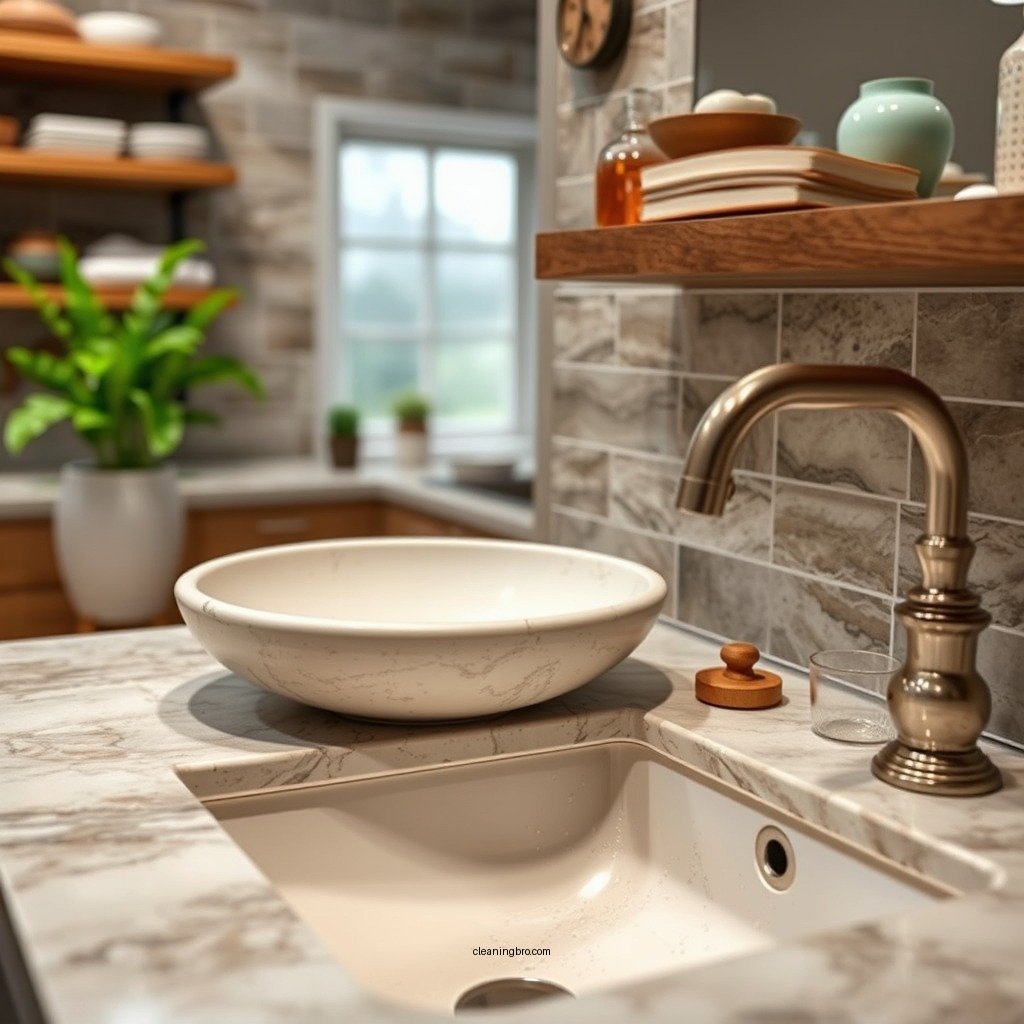
Stone sinks are increasingly popular due to their durability and aesthetic appeal. However, they come in various materials including granite, marble, and soapstone, each requiring specific care. For instance, granite is more resistant to stains and scratches compared to marble, which is porous and can be easily damaged by acidic substances. Soapstone, on the other hand, is known for its heat resistance but can scratch more easily than granite. Understanding the material of your sink is essential for selecting safe and effective cleaning products. Always refer to the manufacturer’s guidelines for maintenance tailored to your specific stone type to preserve its unique qualities.
Essential Cleaning Supplies
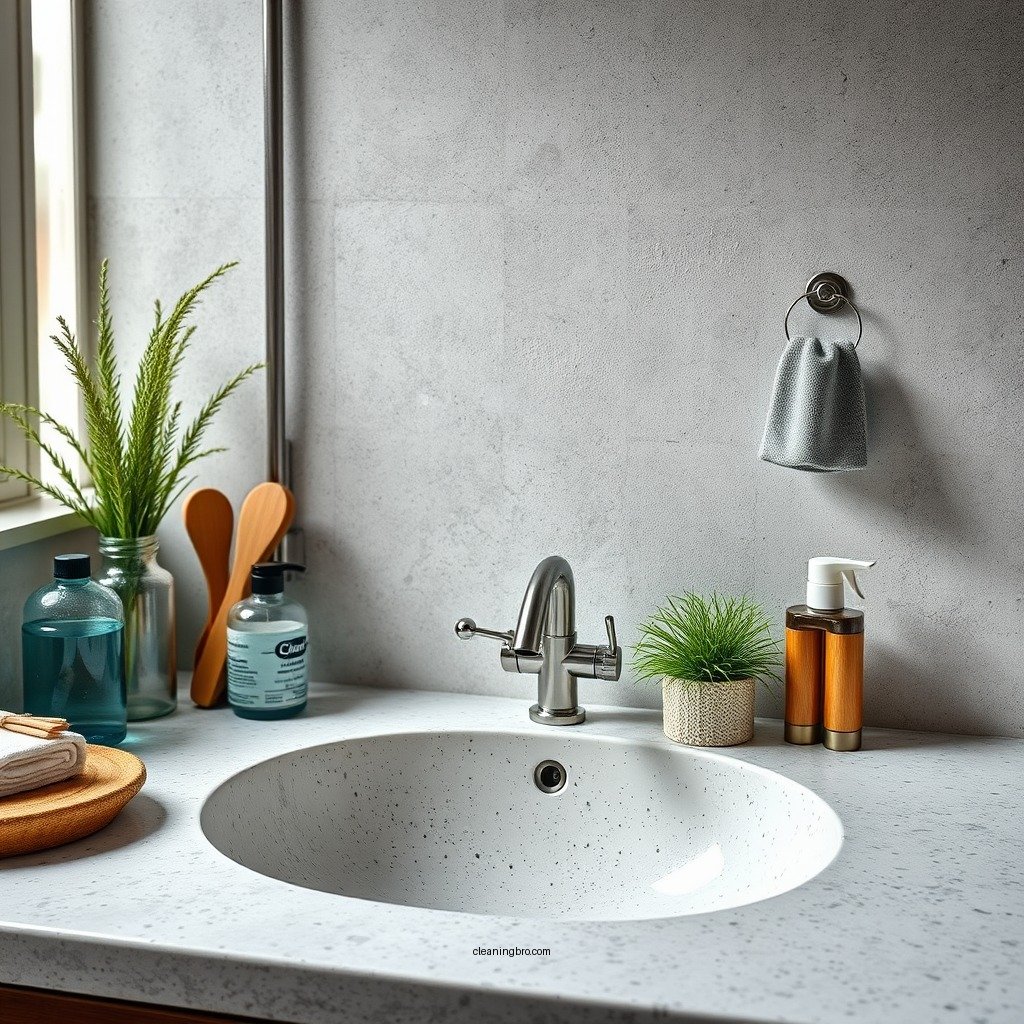
To effectively clean your stone sink, you will need a few basic supplies that are gentle on the stone surface. Recommended cleaning agents include:
– Mild Dish Soap: A gentle dish detergent mixed with warm water is often sufficient for regular cleaning.
– Vinegar: This natural cleaner can help with light stains and mineral deposits but should be used cautiously, particularly on marble.
– Baking Soda: A paste made from baking soda and water is excellent for scrubbing away tougher stains without scratching the surface.
– Soft Cloths or Sponges: It is crucial to use non-abrasive materials to prevent scratches on the stone.
By having these supplies on hand, you can keep your stone sink looking its best with minimal effort.
Step-by-Step Cleaning Process
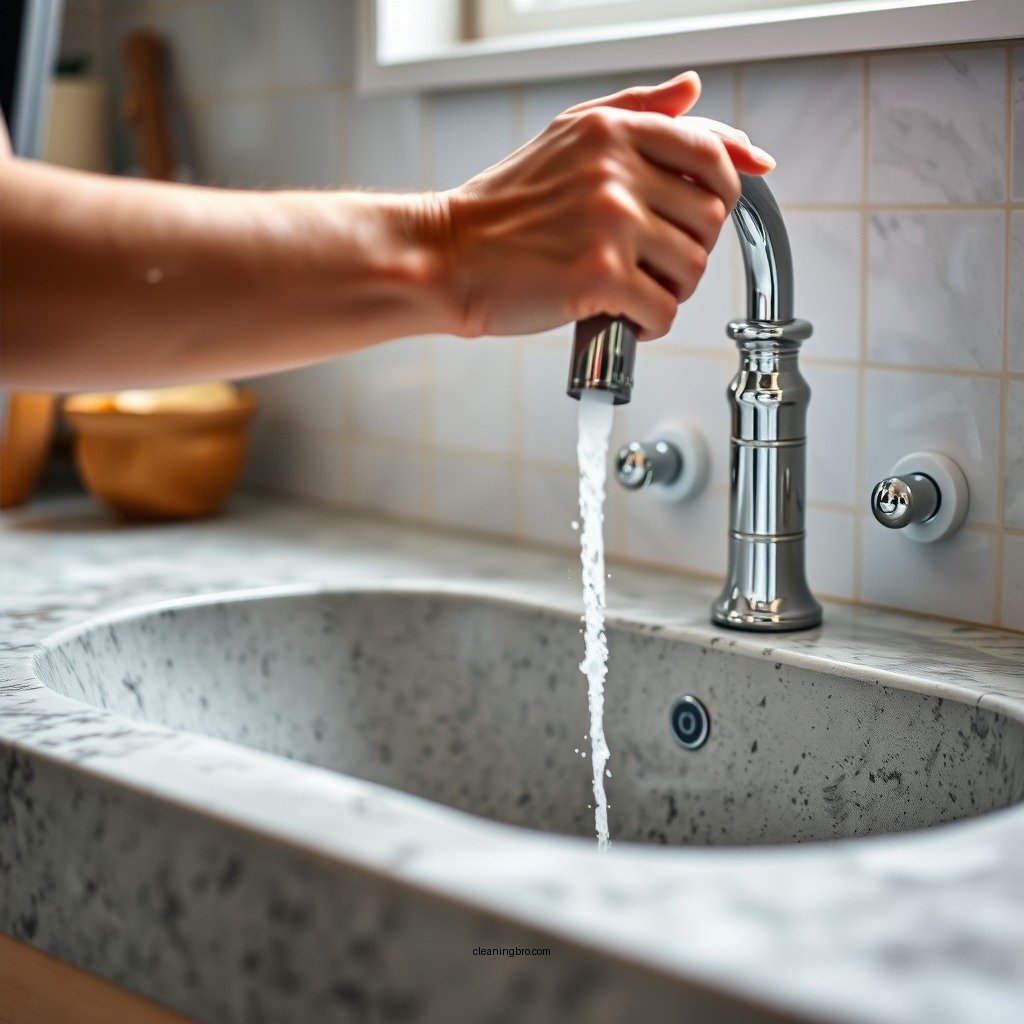
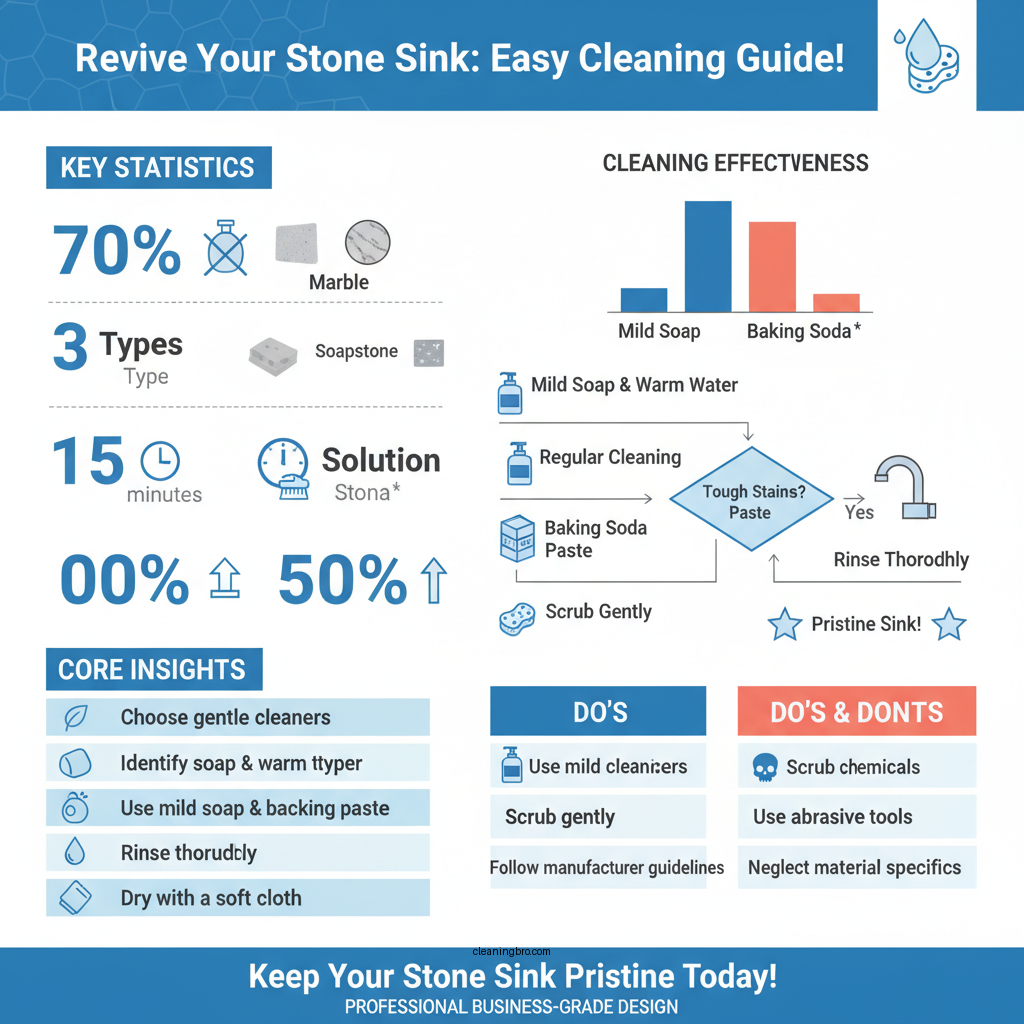
Cleaning your stone sink effectively involves a straightforward process:
1. Rinse the Sink: Begin by rinsing the sink with warm water to remove loose debris. This step helps prevent scratching during the cleaning process.
2. Apply the Cleaning Solution: Mix mild dish soap with warm water. Using a soft cloth or sponge, apply the solution to the sink, focusing particularly on any stains or spots.
3. Scrub Gently: For tougher stains, create a baking soda paste (mixing baking soda with water until it forms a thick consistency) and apply it to the area. Let it sit for about 10-15 minutes before gently scrubbing with a soft sponge.
4. Rinse Thoroughly: After scrubbing, rinse the sink thoroughly with warm water to remove all cleaning residues.
5. Dry the Sink: Use a soft, dry cloth to wipe down the sink, preventing water spots and enhancing shine.
By following these steps, you can maintain the cleanliness and beauty of your stone sink.
Top 7 Stone Sink Materials by Durability and Maintenance
| # | Material | Durability Rating | Maintenance Level | Stain Resistance |
|---|---|---|---|---|
| 1 | Granite | ★★★★☆ | Low | High |
| 2 | Marble | ★★★☆☆ | High | Low |
| 3 | Soapstone | ★★★★☆ | Medium | Medium |
| 4 | Limestone | ★★☆☆☆ | High | Low |
| 5 | Travertine | ★★★☆☆ | Medium | Low |
| 6 | Onyx | ★★★☆☆ | High | Low |
| 7 | Quartz | ★★★★★ | Low | High |
Dealing with Stains and Buildup
Over time, stone sinks can accumulate stains and mineral buildup, particularly from hard water. Here are effective techniques for addressing these issues:
– Tough Stains: For persistent stains, create a paste using baking soda and water. Apply it to the stained area and let it sit for 15-20 minutes. Gently scrub with a soft sponge before rinsing thoroughly.
– Hard Water Deposits: Hard water can leave unsightly mineral deposits. To combat this, mix equal parts of vinegar and water in a spray bottle. Spray the affected areas, let it sit for a few minutes, then wipe away with a soft cloth.
– Soap Scum: Regularly using a mild soap can help prevent soap scum buildup. If it does occur, a paste of baking soda and water can help lift it away when scrubbed gently.
These techniques will help maintain your stone sink’s appearance and extend its lifespan.
Regular Maintenance Tips
To keep your stone sink looking new, regular maintenance is crucial. Here are some daily care practices:
1. Wipe Down After Use: After each use, quickly rinse the sink with warm water and wipe it down with a soft cloth to prevent buildup.
2. Avoid Food Scraps: Always scrape food scraps into the trash to avoid staining or damaging the sink.
3. Use a Cutting Board: When preparing food, use a cutting board to prevent scratches from knives and utensils.
For deeper cleaning, it is recommended to perform a thorough clean every 1-2 weeks, depending on usage. During this time, follow the step-by-step cleaning process outlined earlier.
Avoiding Common Mistakes
When cleaning a stone sink, it’s important to avoid certain common mistakes that can lead to damage:
– Harsh Chemicals: Avoid using bleach, ammonia, or other harsh chemicals that can etch or discolor stone surfaces. Stick to natural cleaning solutions.
– Abrasive Scrubbers: Never use steel wool or abrasive pads, as these can scratch the surface of your sink.
– Neglecting Sealing: Ensure that your stone sink is properly sealed according to the manufacturer’s recommendations. If water begins to seep into the stone, it may need resealing.
By steering clear of these pitfalls, you can maintain the integrity of your stone sink for years to come.
Granite vs Marble vs Soapstone: Features Comparison
| Feature | ⭐ Granite | Marble | Soapstone |
|---|---|---|---|
| Durability | ★★★★☆ | ★★★☆☆ | ★★★★☆ |
| Stain Resistance | High | Low | Medium |
| Maintenance Ease | Low | High | Medium |
| Heat Resistance | Excellent | Good | Excellent |
| Scratch Resistance | Good | Poor | Good |
| Cost | $$$ | $$ | $$$ |
| Aesthetic Variety | High | High | Medium |
| Heat Retention | Medium | Low | High |
| Environmental Impact | Low | Medium | Low |
| 🏆 Best For | Durability & Appearance | Classic Elegance | Heat Resistance |
In conclusion, maintaining a stone sink is achievable through proper understanding of the material, utilizing the right cleaning supplies, and following a systematic cleaning process. Regular maintenance practices will keep your sink looking pristine and free from stains and buildup. By avoiding common pitfalls, you can ensure the longevity and beauty of your stone sink. Implement these techniques consistently for optimal results and feel free to share your experiences or questions in the comments below.
Frequently Asked Questions
What are the best cleaning products for a stone sink?
The best cleaning products for a stone sink are pH-balanced cleaners specifically designed for natural stone. Avoid acidic or harsh chemicals that can damage the surface. A gentle dish soap mixed with warm water or a stone-specific cleaner can effectively remove dirt and grime without harming the sink.
How can I remove tough stains from my stone sink?
To remove tough stains from a stone sink, create a paste using baking soda and water, apply it to the stained area, and let it sit for 10-15 minutes before gently scrubbing with a soft cloth. For more stubborn stains, consider using a stone-safe cleaner or contacting a professional for deep cleaning. Always rinse thoroughly with warm water to prevent residue buildup.
Why is it important to avoid certain cleaners on a stone sink?
It’s important to avoid acidic or abrasive cleaners on a stone sink because they can etch and damage the surface, leading to dullness and permanent marks. Natural stone is porous and can absorb harmful chemicals, which may degrade its integrity over time. Using the right cleaning products helps maintain the sink’s appearance and longevity.
How often should I clean my stone sink to keep it in good condition?
You should clean your stone sink daily to prevent buildup of dirt and soap scum, and perform a deep cleaning weekly to maintain its shine. Regular maintenance not only keeps the sink looking pristine but also helps to prevent stains and prolong its lifespan. Additionally, sealing the stone every six months can help protect it from staining.
Which tools are safe to use when cleaning a stone sink?
Safe tools for cleaning a stone sink include soft microfiber cloths, non-abrasive sponges, and soft-bristle brushes. Avoid steel wool, scouring pads, or anything that could scratch the surface. Using gentle tools will help preserve the stone’s finish while effectively removing dirt and grime.
References
- https://www.britannica.com/technology/sink
https://www.britannica.com/technology/sink - https://www.sciencedirect.com/topics/earth-and-planetary-sciences/stone-cleaning
https://www.sciencedirect.com/topics/earth-and-planetary-sciences/stone-cleaning - https://www.nature.com/articles/s41598-020-68860-5
https://www.nature.com/articles/s41598-020-68860-5 - https://www.pubmed.ncbi.nlm.nih.gov/29939073/
https://www.pubmed.ncbi.nlm.nih.gov/29939073/ - https://www.cdc.gov/healthywater/drinking/home-cleaning.html
https://www.cdc.gov/healthywater/drinking/home-cleaning.html - News
https://www.who.int/news-room/questions-and-answers/item/drinking-water - Google Scholar Google Scholar
https://scholar.google.com/scholar?q=how+to+clean+a+stone+sink - Google Scholar Google Scholar
https://scholar.google.com/scholar?q=cleaning+stone+surfaces - Google Scholar Google Scholar
https://scholar.google.com/scholar?q=stone+maintenance+cleaning+methods - how to clean a stone sink – Search results
https://en.wikipedia.org/wiki/Special:Search?search=how+to+clean+a+stone+sink