How to Clean a Bearded Dragon Tank: Step-by-Step Guide
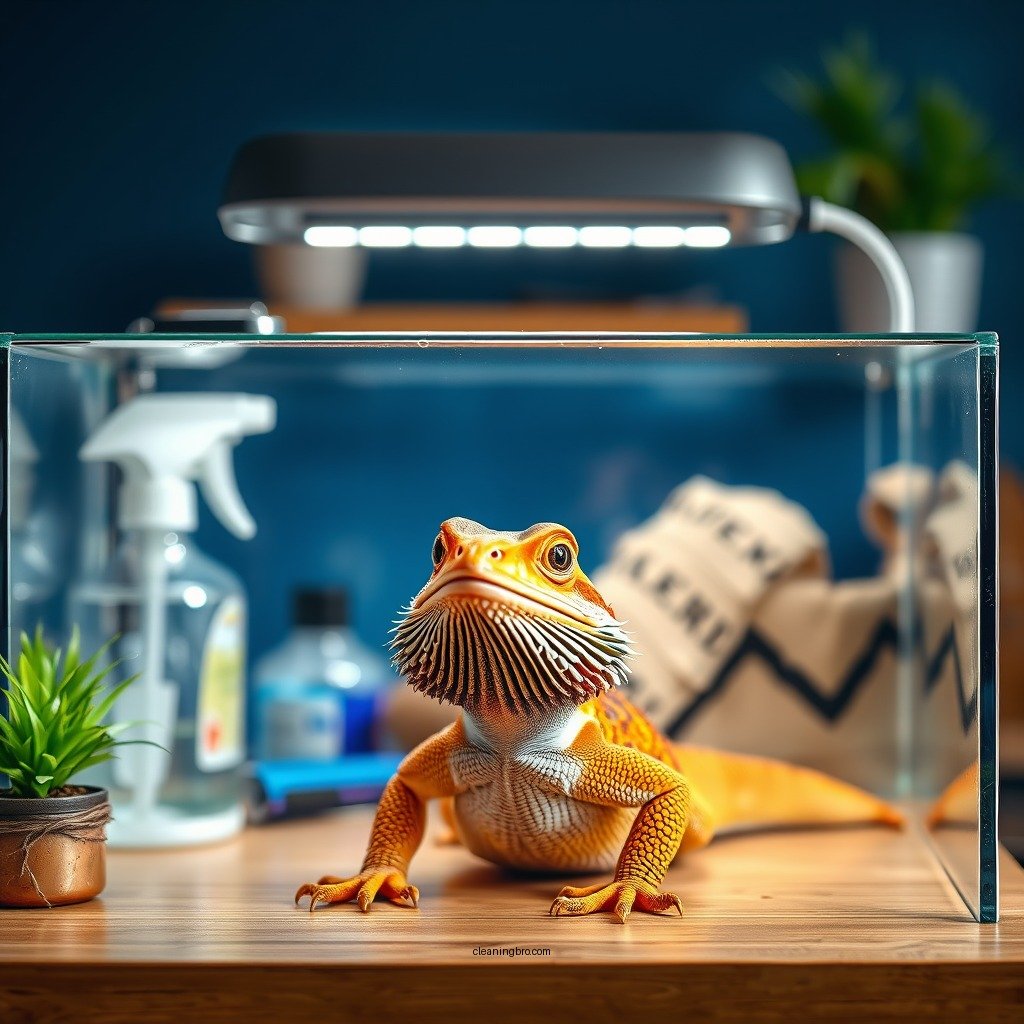
Cleaning a bearded dragon tank is essential for your pet’s health and happiness. Regular maintenance prevents harmful bacteria and odors while ensuring a comfortable living environment. In this guide, you’ll learn the best practices for cleaning your bearded dragon’s habitat effectively and safely.
Preparing for the Cleaning Process
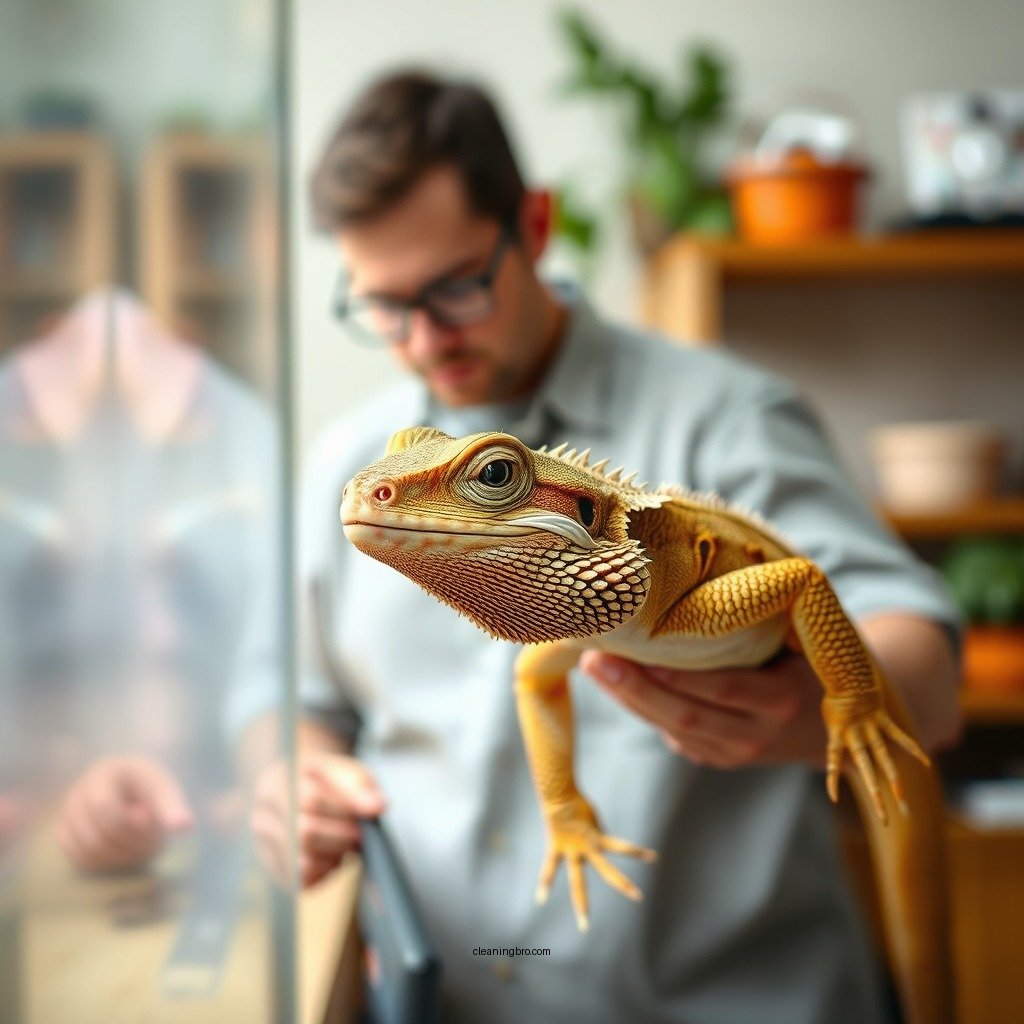
Before initiating the cleaning process, it’s critical to ensure you have all the necessary supplies at hand. Start by gathering cleaning materials such as a scrub brush, a reptile-safe disinfectant, warm water, and a vacuum for substrate removal. A separate container for your bearded dragon is also essential. This temporary enclosure should be secure, comfortable, and free from any items that could stress or harm your pet.
Once your supplies are ready, carefully remove your bearded dragon from its tank and place it in the temporary enclosure. This will not only reduce stress during the cleaning process but also ensure that your pet remains safe from any cleaning agents or debris. It’s advisable to keep the enclosure in a quiet area to further minimize stress.
Removing Substrate and Decorations
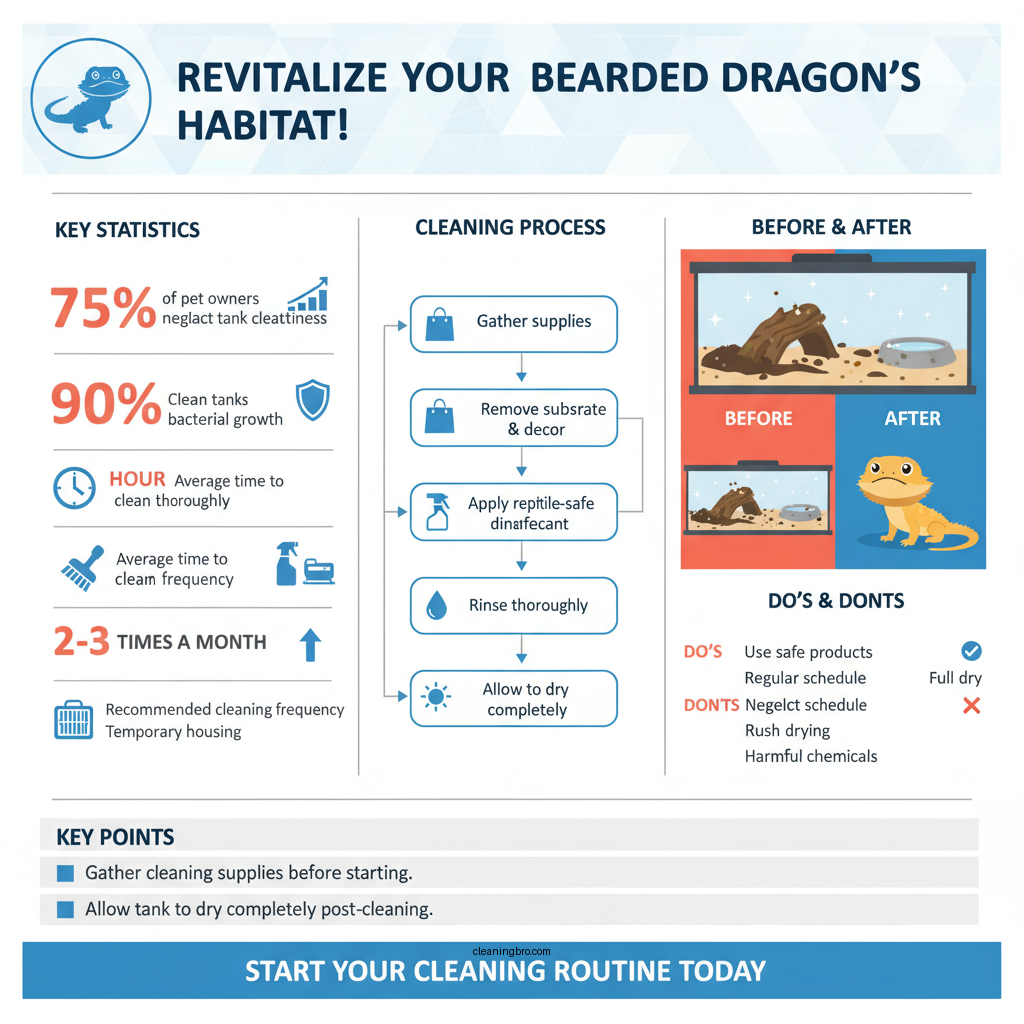
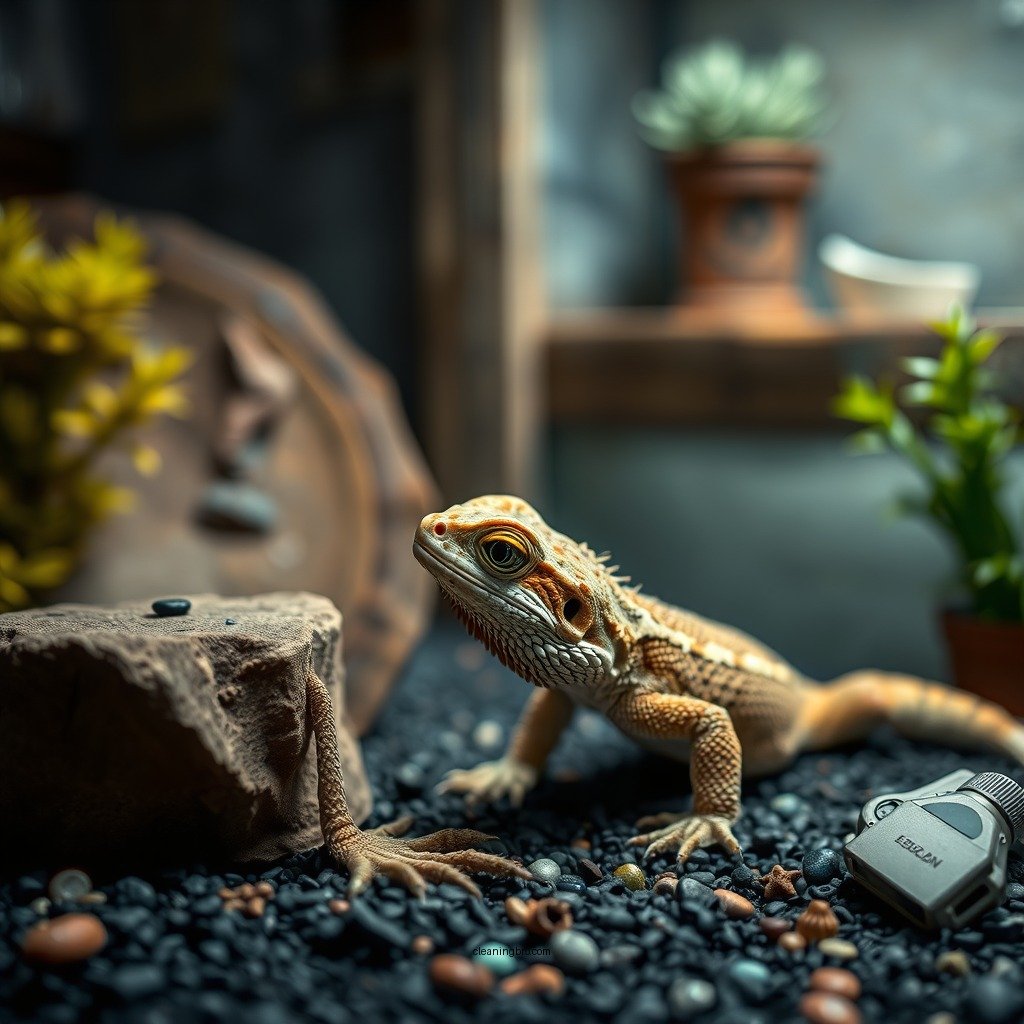
The next step involves removing all loose substrate and decorations from the tank. If your bearded dragon’s tank uses sand, reptile carpet, or any other type of substrate, gently scoop it out and dispose of it appropriately. Depending on the condition, some substrates may be washed and reused, while others should be discarded to prevent the buildup of harmful bacteria.
After the substrate is removed, take out any decorations, hiding spots, or climbing structures. This allows you to access every corner of the tank for thorough cleaning. Be mindful of the arrangement of these items, as you will want to return them to their original positions after cleaning.
Cleaning the Tank Walls and Bottom
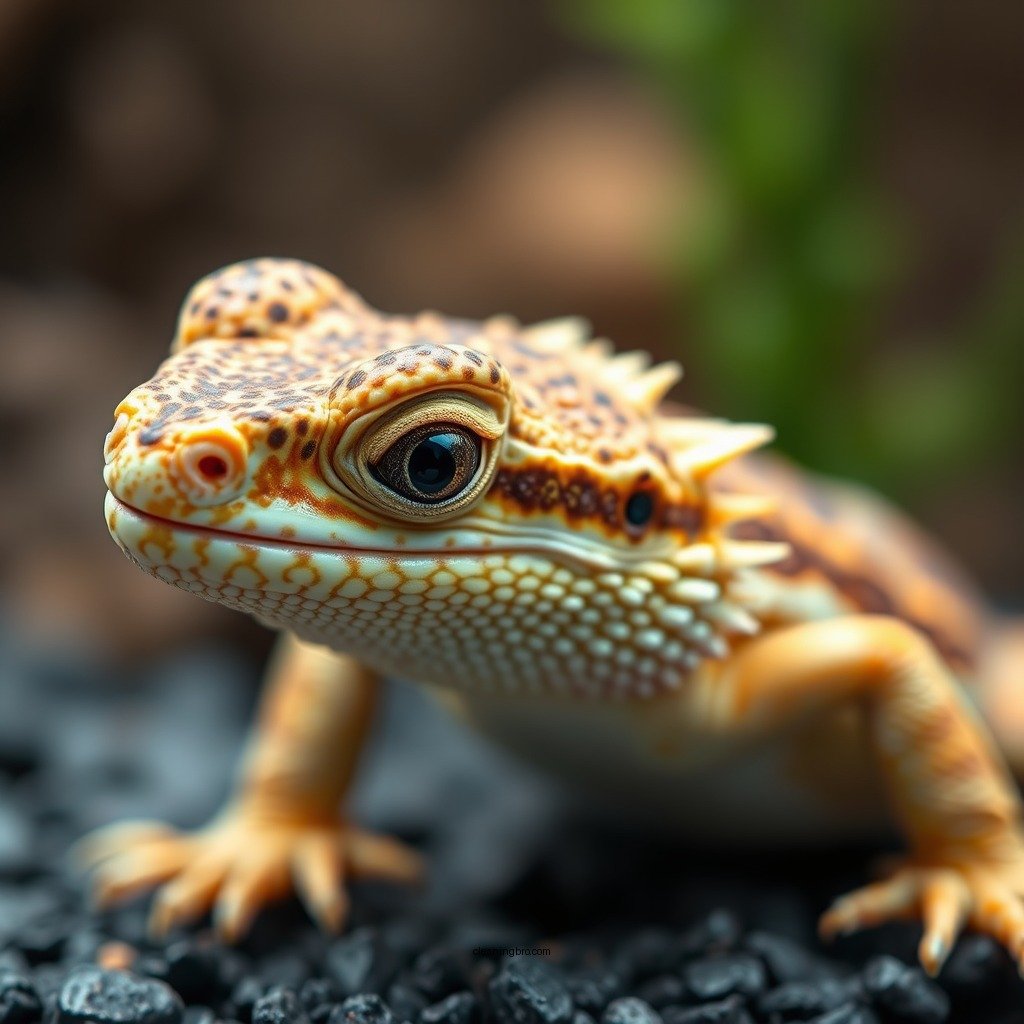
With the substrate and decorations out of the way, it’s time to clean the tank’s walls and bottom. Utilize a reptile-safe disinfectant to scrub the entire surface area thoroughly. Pay special attention to corners, seams, and any areas that might harbor bacteria or mold. A scrub brush can help remove stubborn stains or residues that may have built up over time.
Once you have thoroughly scrubbed the surfaces, rinse them with warm water to eliminate any cleaning residue. It’s crucial to ensure that no harmful chemicals remain, as these could be detrimental to your bearded dragon’s health. After rinsing, allow the surfaces to dry completely before proceeding.
Common Bearded Dragon Tank Cleaning Supplies
| # | Supply | Purpose | Frequency of Use |
|---|---|---|---|
| 1 | Scrub Brush | Tank Scrubbing | Weekly |
| 2 | Reptile-Safe Disinfectant | Disinfection | Monthly |
| 3 | Vacuum | Substrate Removal | As Needed |
| 4 | Warm Water | Rinsing | Every Cleaning |
| 5 | Spray Bottle | Application of Disinfectant | As Needed |
| 6 | Paper Towels | Drying Surfaces | Every Cleaning |
| 7 | Gloves | Protection | Every Cleaning |
Washing Accessories and Equipment
After cleaning the tank itself, the next step is to focus on the accessories and equipment. Clean all decorations, bowls, and any other accessories with warm, soapy water. A gentle scrub can help remove any lingering dirt or bacteria. Ensure that you rinse these items thoroughly to eliminate any soap residue, as this could be harmful to your bearded dragon.
For heating lamps and other equipment, follow the manufacturer’s instructions for cleaning. Typically, a damp cloth can be used for wiping down surfaces. However, avoid soaking electrical components. Regular cleaning of these items ensures that your bearded dragon benefits from a safe and effective heating environment, which is vital for its health.
Cleaning Accessories for Bearded Dragon Tanks
| Feature | ⭐ Scrub Brush | Cleaning Cloth | Disinfectant Spray |
|---|---|---|---|
| Material | Plastic / Nylon | Microfiber | Chemical-Free |
| Eco-Friendly | ❌ | ✅ | ✅ |
| Durability | ✅ Long-lasting | ✅ Washable | ✅ Biodegradable |
| Ease of Use | Easy to maneuver | Flexible | Spray application |
| Versatility | Tank surfaces | Various surfaces | Multi-surface |
| Cost | $5-$10 | $3-$7 | $10-$15 |
| Availability | Pet stores | General stores | Online stores |
| 🏆 Best For | General cleaning tasks | Surface cleaning | Multi-purpose cleaning |
Reassembling the Tank
After all components have been cleaned and dried, it’s time to reassemble the tank. Begin by replacing the substrate, ensuring it is evenly distributed across the bottom of the tank. This not only enhances aesthetics but also provides comfort for your bearded dragon.
Next, carefully reposition the decorations and hiding spots in their original locations. Make sure that any climbing structures are stable and secure, as these are essential for your bearded dragon’s exercise and mental stimulation.
Finally, ensure that all equipment, including heating and lighting, is correctly placed and functioning. Check that the temperature settings are appropriate for your bearded dragon’s needs. Once everything is in place, gently return your bearded dragon to its newly cleaned habitat.
Regular Maintenance Tips
Establishing a regular cleaning schedule is vital for maintaining tank hygiene. Aim to perform a thorough cleaning every 2-4 weeks, depending on the size of the tank and the number of occupants. Additionally, spot cleaning should be done daily. This involves removing uneaten food and waste immediately, which helps reduce bacteria buildup and keeps the environment fresh.
Consider keeping a checklist to monitor cleaning tasks. This can help you stay organized and ensure that no aspect of tank maintenance is overlooked. Regular maintenance not only enhances your bearded dragon’s habitat but also contributes significantly to its overall health and well-being.
When you consistently follow these cleaning protocols, you cultivate an environment that supports your bearded dragon’s physical and mental health, making for a happier pet.
Maintaining a clean tank is an ongoing commitment that pays off in the long run. By following the steps outlined in this guide, you can ensure a healthy and safe environment for your beloved bearded dragon.
Frequently Asked Questions
How often should I clean my bearded dragon tank?
You should clean your bearded dragon tank at least once a week to maintain a healthy environment. This includes removing uneaten food, spot cleaning waste, and washing the substrate. A thorough cleaning, including disinfecting the tank and all accessories, should be done every month to prevent bacterial growth and keep your pet healthy.
What is the best way to clean a bearded dragon’s tank?
The best way to clean a bearded dragon’s tank involves removing your pet and all decorations, then rinsing the tank with warm water. Use a reptile-safe disinfectant to scrub the surfaces, ensuring to pay attention to corners and crevices. Rinse thoroughly to remove any chemical residue before reassembling the tank with fresh substrate and decorations.
Why is it important to regularly clean my bearded dragon’s habitat?
Regularly cleaning your bearded dragon’s habitat is crucial for preventing diseases and parasites that can affect your pet’s health. A dirty tank can lead to bacterial buildup and unpleasant odors, which can stress your bearded dragon. Maintaining cleanliness also promotes a more inviting and stimulating environment for your reptile.
Which cleaning products are safe for a bearded dragon tank?
Safe cleaning products for a bearded dragon tank include vinegar, baking soda, and reptile-specific disinfectants. Avoid using harsh chemicals like bleach or ammonia, as these can be harmful to your pet. Always ensure that any cleaning solution is thoroughly rinsed away before placing your bearded dragon back in the tank.
How can I prevent odors in my bearded dragon tank?
To prevent odors in your bearded dragon tank, ensure you clean the substrate regularly and remove any uneaten food promptly. Adding a layer of clean, absorbent substrate can help control smells, as can using a high-quality reptile carpet. Additionally, maintaining proper humidity levels and ensuring good ventilation can also minimize odors in the tank.
References
- Pogona
https://en.wikipedia.org/wiki/Bearded_dragon - https://www.ncbi.nlm.nih.gov/pmc/articles/PMC8019200/
https://www.ncbi.nlm.nih.gov/pmc/articles/PMC8019200/ - https://www.researchgate.net/publication/333740238_Care_and_Management_of_Bearded_Dragons_Pogona_vitticeps
https://www.researchgate.net/publication/333740238_Care_and_Management_of_Bearded_Dragons_Pogona_vitticeps - https://www.theguardian.com/environment/2020/jul/01/keeping-bearded-dragons-as-pets-is-it-safe
https://www.theguardian.com/environment/2020/jul/01/keeping-bearded-dragons-as-pets-is-it-safe - https://www.britannica.com/animal/bearded-dragon
https://www.britannica.com/animal/bearded-dragon - Google Scholar Google Scholar
https://scholar.google.com/scholar?q=cleaning+bearded+dragon+tank - Google Scholar Google Scholar
https://scholar.google.com/scholar?q=bearded+dragon+care - Google Scholar Google Scholar
https://scholar.google.com/scholar?q=bearded+dragon+environment+cleaning - https://www.austintexas.gov/department/pet-care-tips-bearded-dragons
https://www.austintexas.gov/department/pet-care-tips-bearded-dragons - Google Scholar Google Scholar
https://scholar.google.com/scholar?q=how+to+clean+bearded+dragon+tank