How to Clean Calligraphy Pen Nibs: A Step-by-Step Guide
Cleaning calligraphy pen nibs is essential for maintaining their performance and longevity. Regular cleaning ensures smooth ink flow and prevents clogs, allowing you to create beautiful lettering without interruption. In this guide, you’ll learn the best cleaning methods and tips for keeping your nibs in pristine condition.
Understanding the Importance of Cleaning Nibs
The significance of keeping your calligraphy pen nibs clean cannot be overstated. Regular cleaning prevents ink buildup and clogs, which can disrupt your writing flow and lead to frustration during your creative process. When nibs are not properly maintained, they can produce uneven lines and inconsistent ink flow, ultimately affecting the quality of your work.
Moreover, clean nibs enhance the smoothness of writing. A well-maintained nib glides effortlessly across paper, allowing you to focus on your artistry rather than battling with a clogged or gunky nib. Additionally, proper maintenance extends the lifespan of your tools, ensuring that you get maximum value from your investment in quality calligraphy supplies.
Tools and Materials Needed
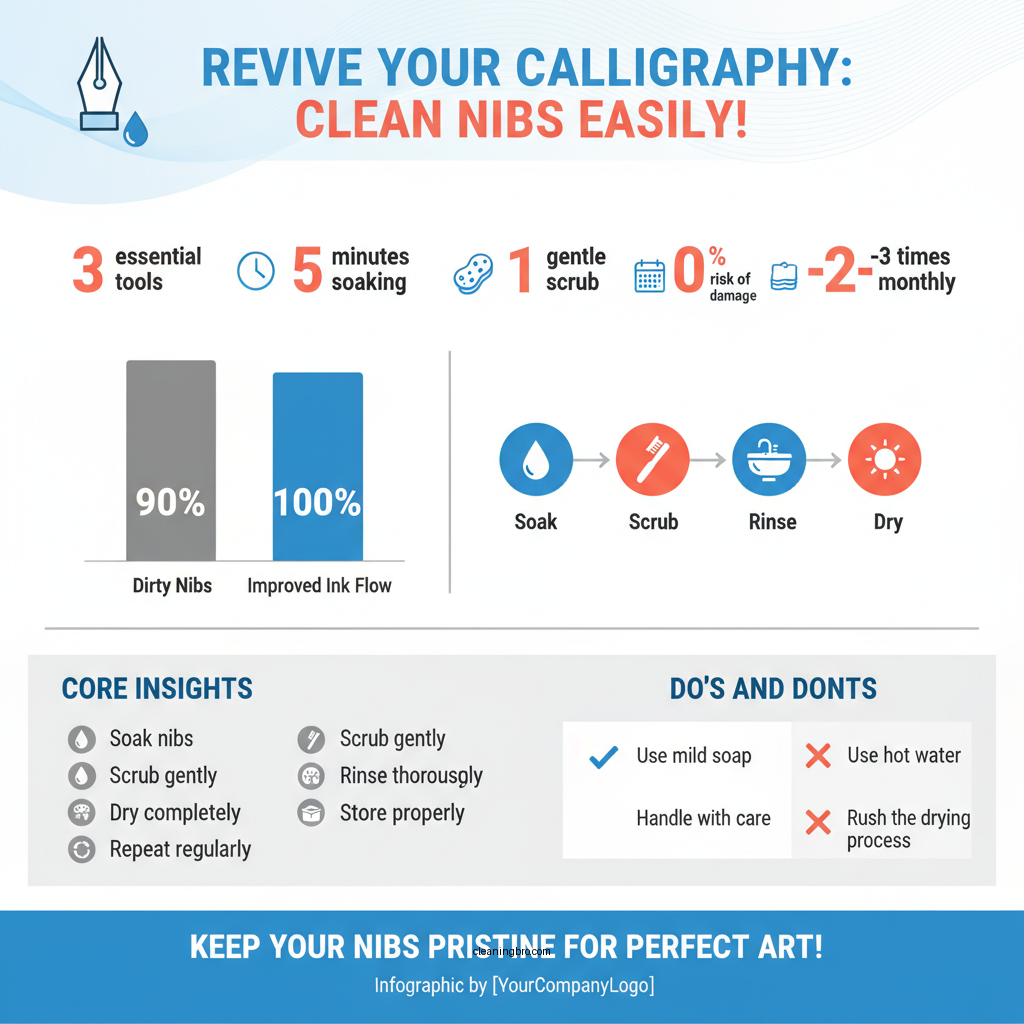
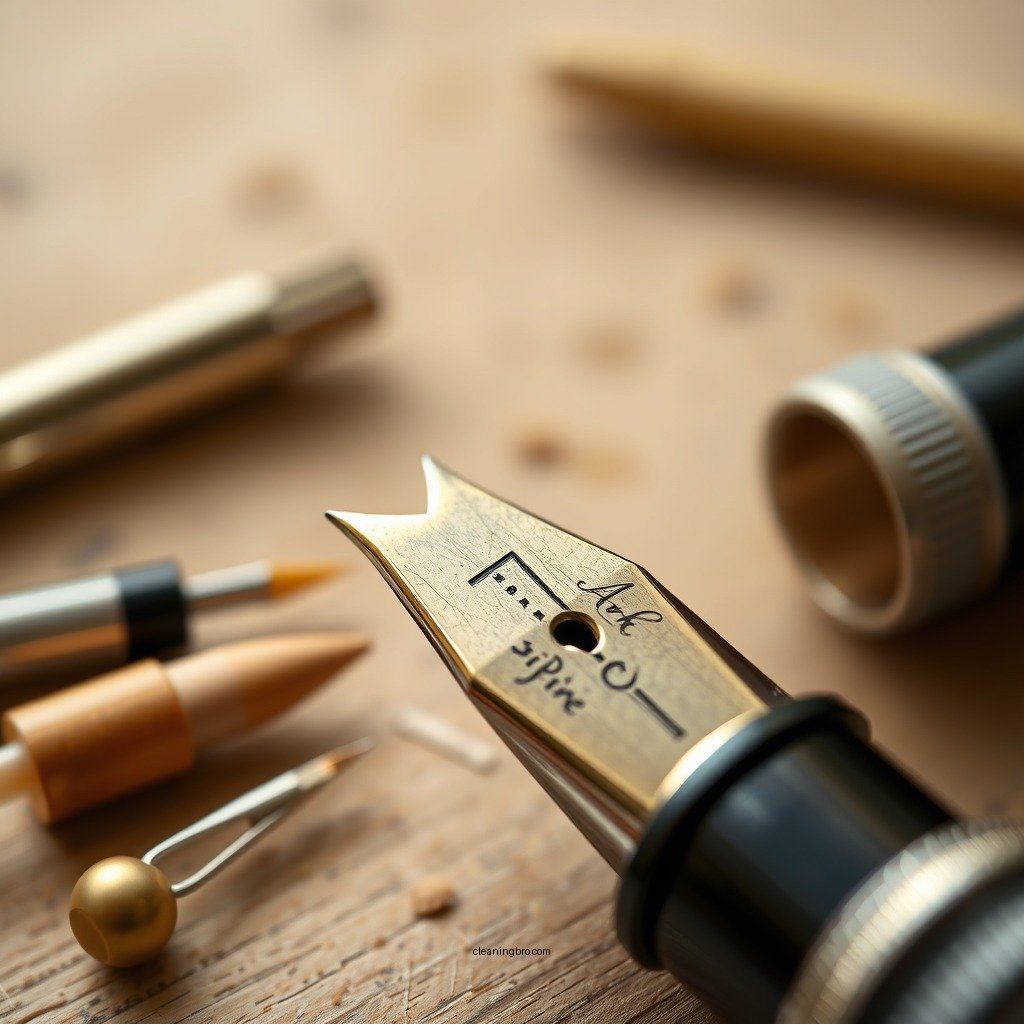
To effectively clean your calligraphy pen nibs, you will need the following tools and materials:
– Soft Cloth or Paper Towels: For drying the nibs after cleaning and to avoid any scratching.
– Warm Water and Mild Soap: A gentle cleaning solution helps dissolve ink residues without damaging the nib.
– Small Brush or Toothbrush: Ideal for scrubbing hard-to-reach areas, ensuring a thorough clean without excessive force.
Having these materials ready will streamline the cleaning process, allowing you to maintain your nibs efficiently.
Step-by-Step Cleaning Process
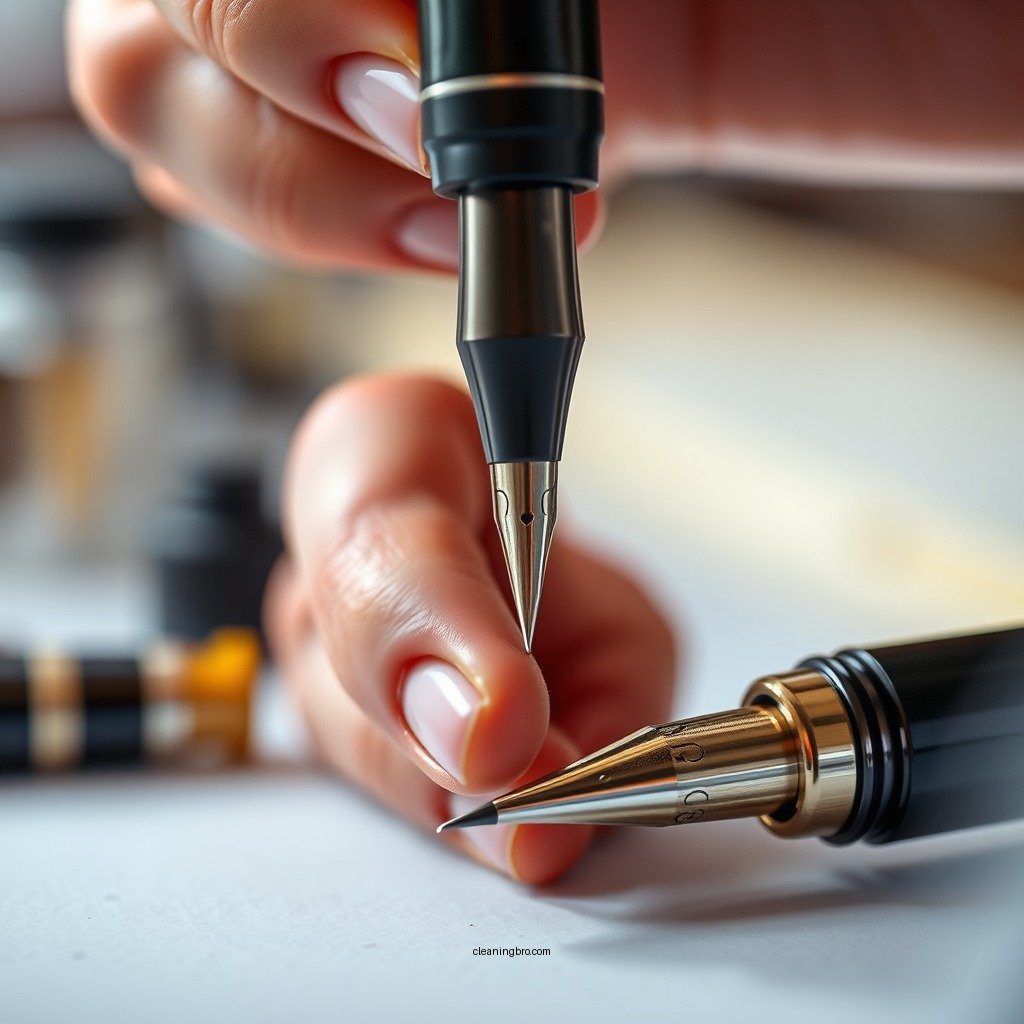
Cleaning your nibs doesn’t have to be a tedious process. Follow these straightforward steps for optimal results:
1. Soak the Nibs: Begin by soaking the nibs in warm, soapy water for a few minutes. This will help loosen any dried ink and residue. Ensure that the water is not too hot, as extreme temperatures can damage certain nib materials.
2. Scrub Gently: After soaking, use a small brush or toothbrush to gently scrub the nibs. Focus on areas where ink is likely to accumulate, such as the tines and the feed. Be cautious not to apply too much pressure, as this could bend or damage the nib.
3. Rinse Thoroughly: Once you’ve scrubbed the nibs, rinse them thoroughly under clean running water to remove any soap residues. It’s essential to ensure all soap is washed away, as even small amounts can affect future ink performance.
4. Dry Completely: After rinsing, pat the nibs dry with a soft cloth or paper towel. Avoid rubbing, as this could scratch the surface of the nib. Ensure they are completely dry before storing them to prevent rusting.
Common Calligraphy Nib Manufacturers and Their Recommended Cleaning Methods
| # | Brand | Nib Type | Cleaning Method | Recommended Frequency |
|---|---|---|---|---|
| 1 | Speedball | Copperplate | Warm water & soap | After each use |
| 2 | Brause | Bristol | Soak in water | Weekly |
| 3 | Nikko | G Pen | Brush & warm water | After each use |
| 4 | Pilot | Parallel | Rinse under water | After each use |
| 5 | Sakura | Pigma | Warm water & scrub | Weekly |
| 6 | Tachikawa | Tachikawa | Soak in water | Weekly |
| 7 | Leonardt | Oblique | Brush & warm, soapy water | After each use |
Tips for Different Ink Types
Different types of ink can affect how you clean your nibs. Here are some tips based on the ink type you may be using:
– Water-based Inks: These inks are generally easier to clean compared to others. A simple soak in warm, soapy water is usually sufficient to remove any residue. You can typically clean these nibs after each use without much hassle.
– Pigmented Inks: Pigmented inks often require a bit more effort to clean due to their formulation, which can lead to more stubborn residue. For these inks, consider soaking the nibs for longer periods to help dissolve the pigment. Additionally, a gentle scrubbing with a brush can aid in removing any lingering particles.
– Permanent Inks: These inks can be particularly challenging, as they are designed to resist water. It’s advisable to clean these nibs immediately after use to prevent any long-term damage. Using a solvent specifically designed for ink removal might also be necessary for particularly stubborn stains.
Always check the manufacturer’s recommendations for specific inks, as they may provide additional guidance on cleaning methods.
Drying and Storing Your Nibs
Proper drying and storage practices are just as important as cleaning. Follow these guidelines to maintain your nibs in optimal condition:
– Pat Dry: After cleaning, pat your nibs dry with a soft cloth. Be gentle to avoid any scratches that could affect their performance. Never leave them wet, as moisture can lead to rust or corrosion.
– Store Safely: Store your nibs in a protective case or a dedicated nib holder. This prevents physical damage and keeps them organized. Avoid storing nibs in a way that allows them to touch each other, as this can lead to bending or misalignment.
– Avoid Prolonged Ink Exposure: Never leave your nibs submerged in ink for extended periods. While it may seem convenient, this practice can cause the nib to corrode or degrade, ultimately affecting your writing quality.
By following these tips, you can ensure that your calligraphy pen nibs remain in excellent shape.
Troubleshooting Common Issues
Even with regular cleaning and maintenance, you may encounter some common issues with your calligraphy nibs. Here are some solutions:
– Inconsistent Ink Flow: If you notice that your ink flow is inconsistent, the first step is to check for dried ink residue. Clean the nib carefully, ensuring that all ink is removed from the tines and feed.
– Damaged Nibs: If your nib is bent or damaged, it may be better to replace it rather than attempting to clean it. A damaged nib can lead to poor performance and frustration during your writing process.
– Preventive Maintenance: Regular maintenance is the best way to prevent most common issues. Incorporate cleaning into your routine, and consider establishing a cleaning schedule based on how frequently you use your nibs.
Keeping your calligraphy pen nibs clean is crucial for optimal performance and longevity. By following the simple steps outlined above, you can ensure that your nibs remain in excellent shape, allowing you to focus on your artistry. Don’t forget to incorporate regular cleaning into your routine for the best writing experience!
Frequently Asked Questions
How do I properly clean my calligraphy pen nibs?
To properly clean your calligraphy pen nibs, first soak them in warm water for a few minutes to loosen any dried ink. Next, gently scrub the nib with a soft brush or cloth to remove any remaining residue. Rinse thoroughly under running water and dry completely before storing to prevent rust or damage.
What is the best way to remove dried ink from calligraphy pen nibs?
The best way to remove dried ink from calligraphy pen nibs is to use a combination of warm water and a mild soap. Soak the nib in the soapy water for about 10-15 minutes, then use a soft toothbrush to gently scrub away the dried ink. Rinse well with clean water and dry thoroughly to keep your nib in optimal condition.
Why is it important to clean calligraphy pen nibs regularly?
Regularly cleaning your calligraphy pen nibs is crucial because dried ink can affect the flow and performance of the nib, leading to poor writing quality. Additionally, accumulated ink can corrode the nib over time, which may shorten its lifespan. Keeping your nibs clean ensures a smooth writing experience and enhances your calligraphy skills.
Which cleaning solutions are safe for calligraphy pen nibs?
Safe cleaning solutions for calligraphy pen nibs include warm water, mild dish soap, and specialized pen cleaning solutions available in art supply stores. Avoid using harsh chemicals or abrasive cleaners, as they can damage the nib’s finish. Always rinse the nib thoroughly after cleaning to remove any soap residue before drying.
How often should I clean my calligraphy pen nibs to maintain their performance?
You should clean your calligraphy pen nibs after each use, especially if you have been using water-soluble inks. For inks that are more permanent, cleaning every few uses is advisable. Regular maintenance will help ensure that your nibs perform well and last longer, making your calligraphy practice more enjoyable.
References
- Google Scholar Google Scholar
https://scholar.google.com/scholar?q=cleaning+calligraphy+pen+nibs - Calligraphy | Art, Examples, & Alphabet | Britannica
https://www.britannica.com/art/calligraphy - https://www.arts.gov/publications/creating-calligraphy
https://www.arts.gov/publications/creating-calligraphy - https://www.sciencedirect.com/topics/engineering/calligraphy
https://www.sciencedirect.com/topics/engineering/calligraphy - Google Scholar Google Scholar
https://scholar.google.com/scholar?q=calligraphy+pen+nib+maintenance - https://www.universityofcalifornia.edu/news/benefits-calligraphy
https://www.universityofcalifornia.edu/news/benefits-calligraphy - https://www.cdc.gov/niosh/docs/2010-111/default.html
https://www.cdc.gov/niosh/docs/2010-111/default.html - https://www.penn.edu/penna/calligraphy/cleaning-nibs.html
https://www.penn.edu/penna/calligraphy/cleaning-nibs.html - Google Scholar Google Scholar
https://scholar.google.com/scholar?q=how+to+clean+calligraphy+pen+nibs - how to clean calligraphy pen nibs – Search results
https://en.wikipedia.org/wiki/Special:Search?search=how+to+clean+calligraphy+pen+nibs