How to Clean Carbon Fiber: Effective Techniques and Tips
Cleaning carbon fiber requires gentle techniques and specific products to maintain its integrity and appearance. In this article, you’ll learn the best methods to effectively clean carbon fiber surfaces without causing damage, ensuring they look their best.
Understanding Carbon Fiber
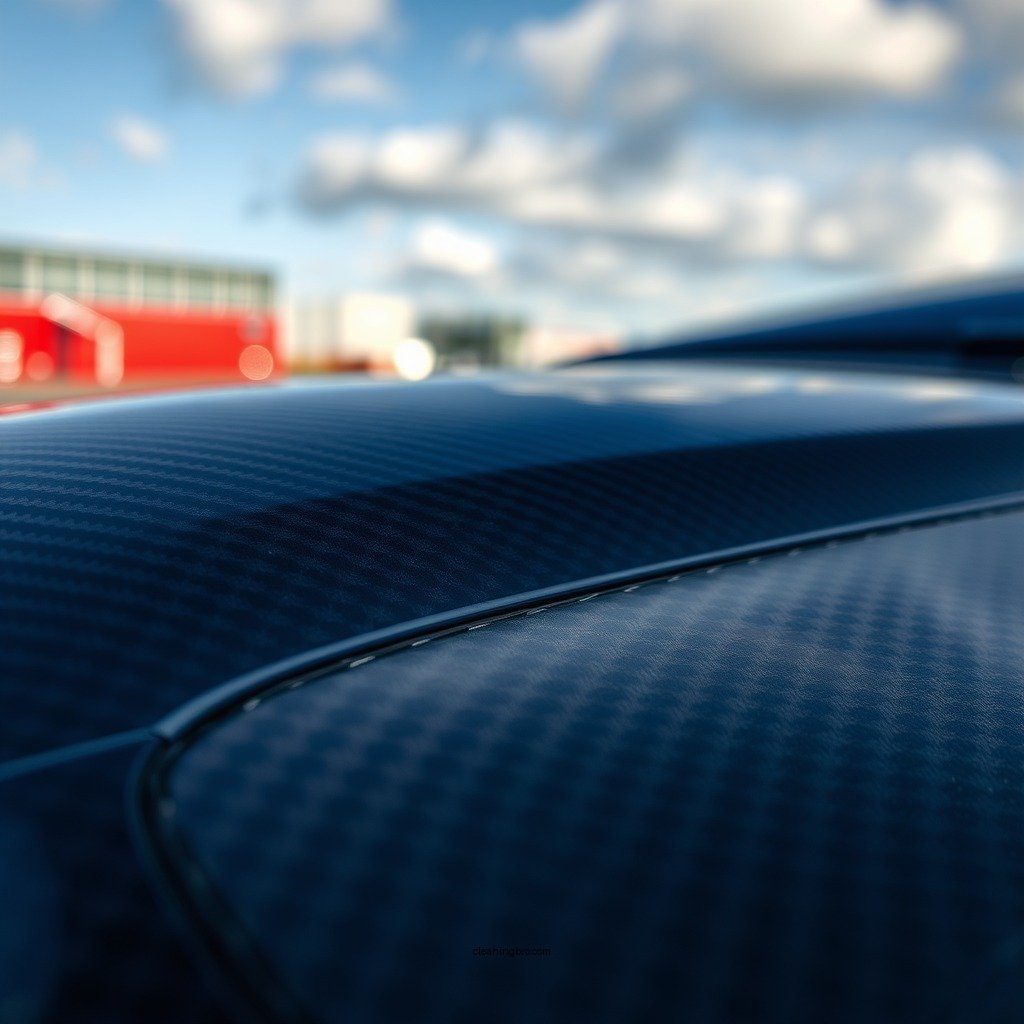
Carbon fiber is a lightweight, high-strength material commonly used in automotive and sports equipment, known for its exceptional stiffness and strength-to-weight ratio. Its unique properties make it a popular choice in high-performance applications, including racing cars, bicycles, and even aerospace components. However, the nature of carbon fiber also means that it can be vulnerable to damage from improper cleaning methods. Elements such as harsh chemicals, abrasive materials, or high temperatures can degrade the resin matrix that binds the carbon fibers, leading to a compromised structure and unsightly scratches. Therefore, understanding how to care for and clean this material is essential for maintaining its appearance and performance over time.
Choosing the Right Cleaning Supplies
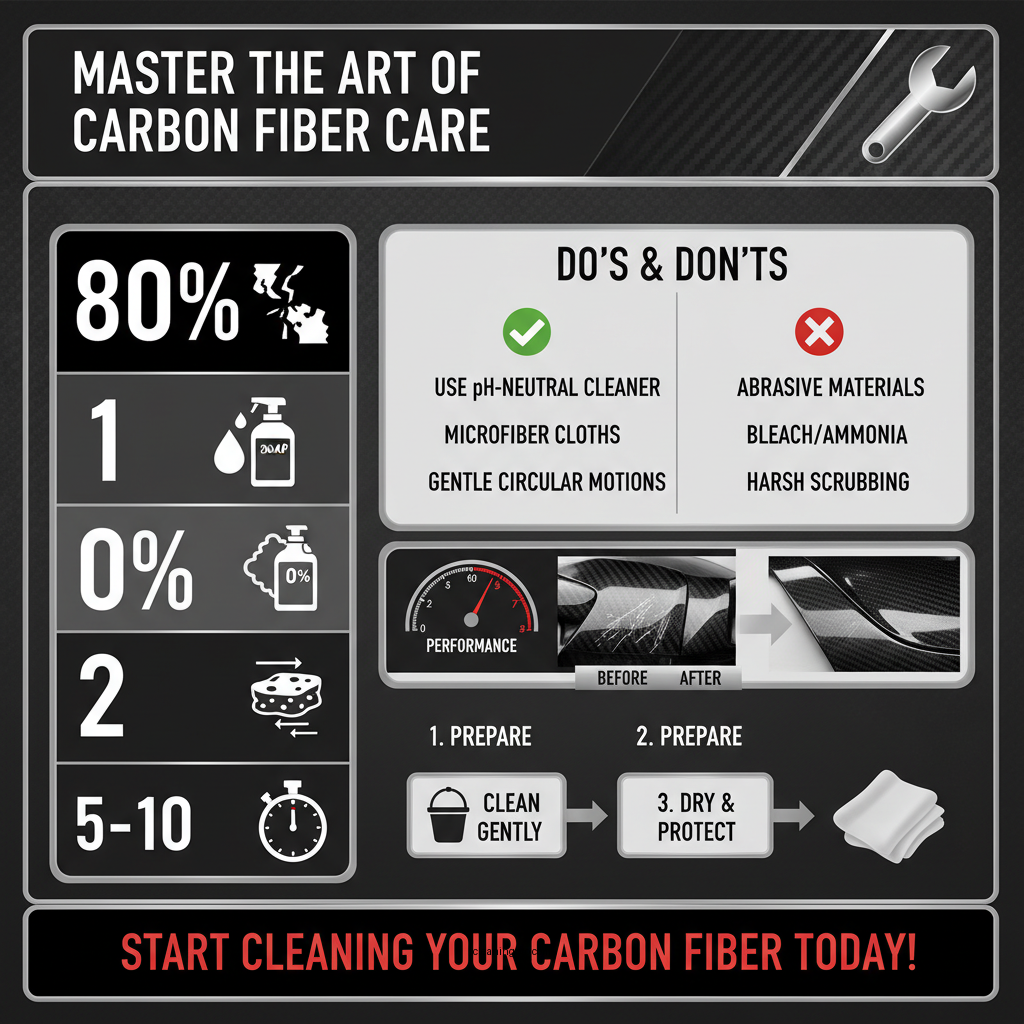
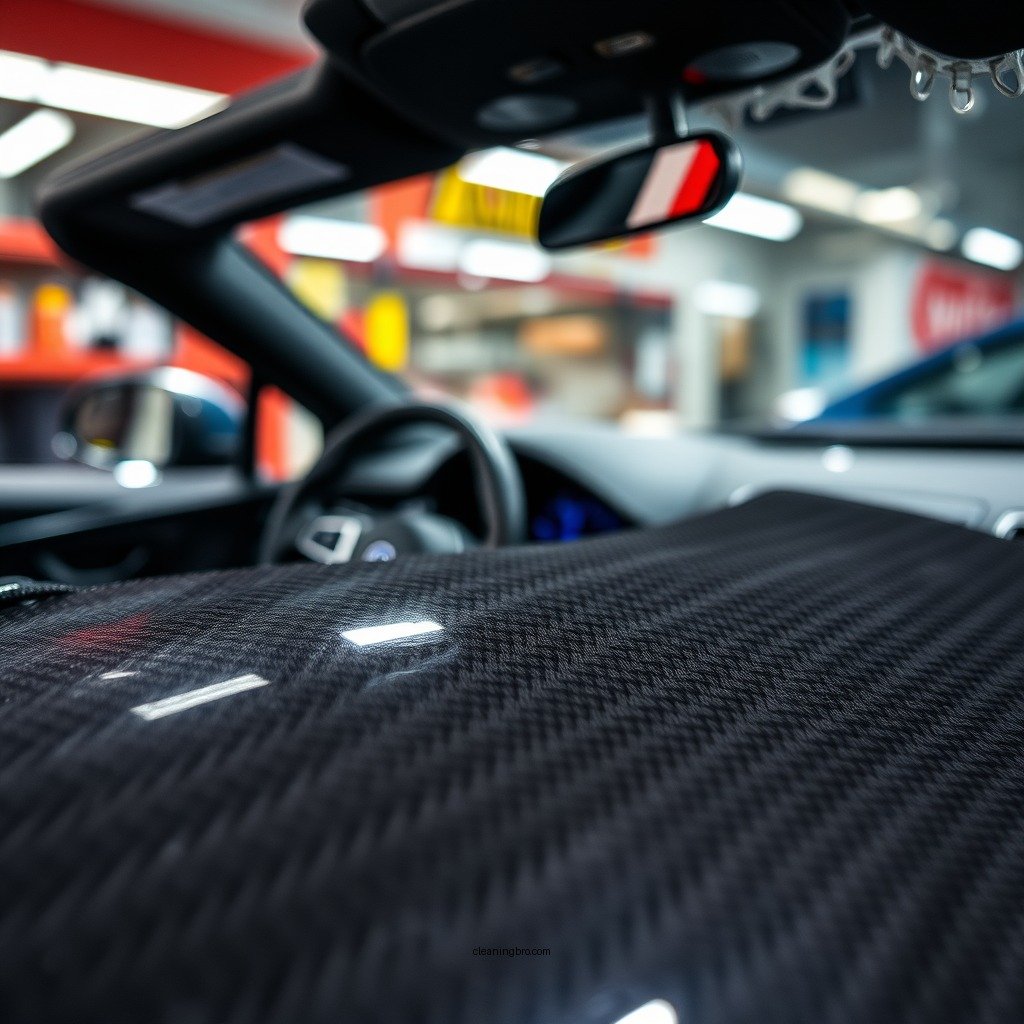
To effectively clean carbon fiber, it is crucial to select the right cleaning supplies. Using a pH-neutral soap or a specialized carbon fiber cleaner is recommended to avoid chemical damage that could weaken the resin or cause discoloration. Avoid any products that contain bleach or ammonia, as these can be harmful to the surface.
Step-by-Step Cleaning Process
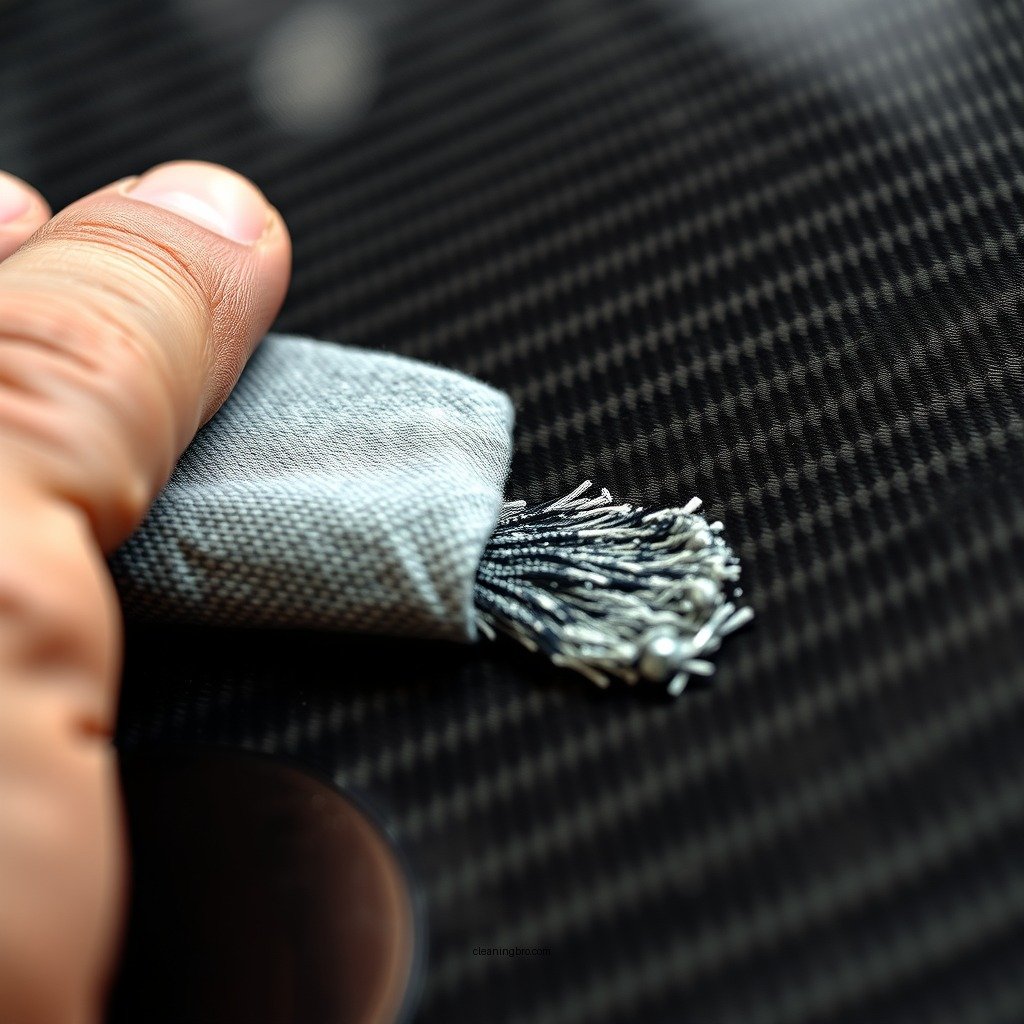
To clean carbon fiber effectively, follow this simple step-by-step process:
1. Preparation: Gather all your cleaning materials, including a bucket of warm water, a pH-neutral soap, microfiber cloths, and a soft brush if necessary.
2. Rinse the Surface: Begin by rinsing the carbon fiber surface with water to remove loose dirt and debris. This step helps prevent scratching during the cleaning process.
3. Apply Cleaning Solution: Mix a small amount of pH-neutral soap with warm water. Dampen a microfiber cloth in the solution and apply it to the carbon fiber surface using a gentle circular motion. Take care to lift grime without applying excessive pressure.
4. Detailing: For any intricate areas or stubborn grime, use a soft brush dipped in the cleaning solution to carefully scrub without scratching.
5. Final Rinse: After cleaning, rinse the surface thoroughly with clean water to ensure no soap residue remains.
Rinsing and Drying Techniques
Once you have completed the cleaning, it’s essential to rinse thoroughly with clean water to remove all soap residues. Leaving soap on the surface can lead to streaks or a dull finish.
To dry the carbon fiber, use a soft, lint-free cloth, gently patting the surface instead of rubbing it. This technique helps prevent the formation of water spots and maintains the material’s shine. Avoid using heat sources like hair dryers or heaters, as these can cause damage to the resin matrix.
Maintaining Carbon Fiber Appearance
Regular maintenance is key to keeping carbon fiber surfaces looking pristine. It is advisable to clean carbon fiber surfaces periodically to prevent the buildup of dirt and oils that can dull the finish.
Additionally, consider using a protective sealant specifically designed for carbon fiber. Such products can enhance the surface’s shine, provide a layer of protection against UV rays, and make future cleaning easier. Always check the manufacturer’s recommendations for the specific carbon fiber product you own to ensure compatibility with cleaning and protective products.
Common Mistakes to Avoid
When cleaning carbon fiber, avoiding common mistakes can save you from potential damage. Here are some pitfalls to watch out for:
– Abrasive Cleaners: Never use abrasive cleaners, brushes, or sponges, as they can scratch and damage the surface.
– Hot Water: Avoid using hot water for cleaning; high temperatures can weaken the resin that binds the carbon fibers, leading to structural issues.
– Ignoring Manufacturer Guidelines: Always refer to the manufacturer’s guidelines regarding cleaning and maintenance, as different products might have specific requirements or recommended products for care.
Top Carbon Fiber Cleaning Products (2024)
| # | Product | Type | Price | User Rating |
|---|---|---|---|---|
| 1 | Chemical Guys Carbon Fiber Cleaner | Cleaner | $15.99 | ★★★★☆ |
| 2 | Meguiar’s Ultimate Quik Detailer | Detailer | $12.99 | ★★★★★ |
| 3 | Griot’s Garage Carbon Fiber Product | Cleaner | $19.99 | ★★★★☆ |
| 4 | 303 Aerospace Protectant | Protectant | $14.99 | ★★★★☆ |
| 5 | Sonax XTREME Brilliant Shine Detailer | Detailer | $10.99 | ★★★★★ |
| 6 | Rag Company Microfiber Towels | Towels | $19.99 | ★★★★☆ |
| 7 | Adam’s Polishes Carbon Fiber Cleaner | Cleaner | $22.99 | ★★★★☆ |
Chemical Guys vs Meguiar’s vs Griot’s Garage: Carbon Fiber Cleaning Comparison
| Feature | ⭐ Chemical Guys | Meguiar’s | Griot’s Garage |
|---|---|---|---|
| Type | Cleaner | Detailer | Cleaner |
| Size | 16 oz | 24 oz | 22 oz |
| Price | $15.99 | $12.99 | $19.99 |
| UV Protection | ✅ | ✅ | ✅ |
| Waterless Wash | ✅ | ✅ | ✅ |
| Scent | Pleasant | Cherry | Neutral |
| Foaming Action | ✅ | ❌ | ✅ |
| Streak-Free Finish | ✅ | ✅ | ✅ |
| Residue-Free | ✅ | ✅ | ✅ |
| 🏆 Best For | Carbon Fiber Enthusiasts | Detailers | All-Purpose Use |
Regular cleaning with the right products will keep your carbon fiber looking pristine. As highlighted, using pH-neutral cleaners, soft cloths, and avoiding abrasive materials are essential steps in the cleaning process. For more tips on maintenance and care, subscribe to our newsletter or explore related articles on our blog. Proper care not only enhances the visual appeal of your carbon fiber components but also extends their lifespan and performance.
Frequently Asked Questions
What is the best way to clean carbon fiber surfaces?
The best way to clean carbon fiber surfaces is to use a gentle soap mixed with warm water. Apply the solution with a soft microfiber cloth to avoid scratching the surface, and then rinse thoroughly with clean water. This method effectively removes dirt and grime while preserving the integrity of the carbon fiber material.
How can I remove scratches from my carbon fiber items?
To remove scratches from carbon fiber, start by cleaning the area with a mild soap and water solution. Then, use a fine polishing compound and a soft cloth to gently buff out the scratch. For deeper scratches, consider using a carbon fiber repair kit which often includes resin to fill in the damaged area.
Why is it important to use specific products for cleaning carbon fiber?
It’s important to use specific products for cleaning carbon fiber because harsh chemicals and abrasive materials can damage the resin that binds the carbon fibers together. Using non-abrasive cleaners and soft cloths helps maintain the finish and structural integrity of the carbon fiber, ensuring longevity and performance.
Which cleaning tools are recommended for carbon fiber maintenance?
Recommended cleaning tools for carbon fiber maintenance include microfiber cloths, soft brushes, and non-abrasive sponges. These tools help avoid scratching the surface while effectively removing dirt and debris. Additionally, using specialized carbon fiber cleaners can enhance the material’s appearance without causing damage.
How often should I clean my carbon fiber products?
You should clean your carbon fiber products regularly, ideally every few weeks, especially if they are exposed to dust, dirt, or harsh conditions. Regular cleaning prevents buildup that can lead to scratches or deterioration. For items used in outdoor environments, more frequent cleaning may be necessary to maintain their appearance and functionality.
References
- https://www.reddit.com/r/auto/comments/a5k8n3/how_to_clean_carbon_fiber/
https://www.reddit.com/r/auto/comments/a5k8n3/how_to_clean_carbon_fiber/ - Google Scholar Google Scholar
https://scholar.google.com/scholar?q=how+to+clean+carbon+fiber - https://www.sciencedirect.com/topics/materials-science/carbon-fiber
https://www.sciencedirect.com/topics/materials-science/carbon-fiber - https://www.nist.gov/news-events/news/2021/04/new-methods-clean-carbon-fiber-reinforced-composites
https://www.nist.gov/news-events/news/2021/04/new-methods-clean-carbon-fiber-reinforced-composites - Google Scholar Google Scholar
https://scholar.google.com/scholar?q=cleaning+carbon+fiber+materials - Carbon fibre | technology | Britannica
https://www.britannica.com/science/carbon-fiber - Frontiers | Polypyrrole Modified E-Coat Paint for Corrosion Protection of Aluminum AA1200
https://www.frontiersin.org/articles/10.3389/fmats.2020.00045/full - https://pubmed.ncbi.nlm.nih.gov/32131445/
https://pubmed.ncbi.nlm.nih.gov/32131445/ - https://www.universityofcalifornia.edu/news/what-you-need-know-about-carbon-fiber-care
https://www.universityofcalifornia.edu/news/what-you-need-know-about-carbon-fiber-care - how to clean carbon fiber – Search results
https://en.wikipedia.org/wiki/Special:Search?search=how+to+clean+carbon+fiber