How to Clean Circuit Boards of Corrosion: Step-by-Step Guide
Cleaning circuit boards of corrosion is essential to restoring their functionality and prolonging their lifespan. Corrosion can severely hinder the performance of electronic devices, leading to malfunction or complete failure. This guide will walk you through the best methods for cleaning corroded circuit boards, the materials you’ll need, and the precautions to take to ensure a successful clean-up without damaging the delicate components.
Understanding Circuit Board Corrosion
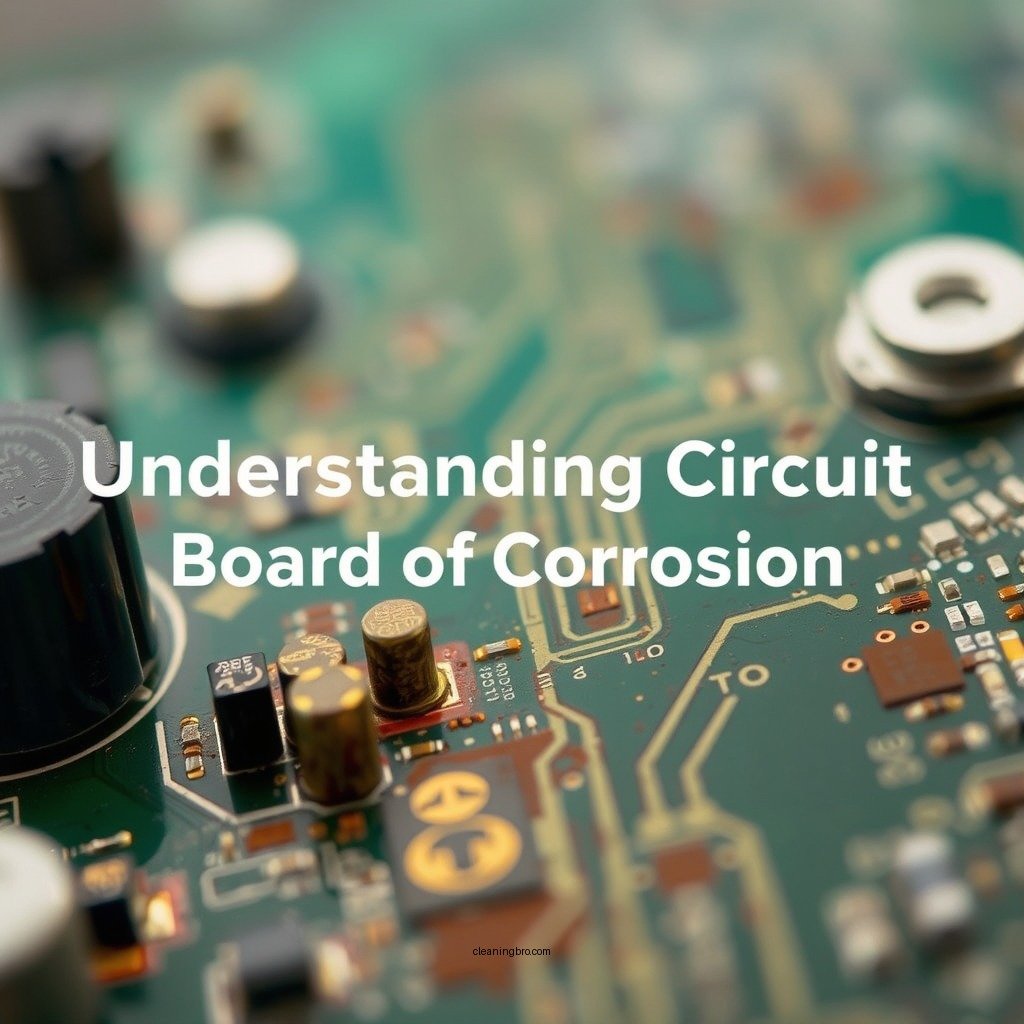
Corrosion on circuit boards is primarily caused by exposure to moisture, chemicals, and environmental contaminants. Humidity can create a conductive path between different components, leading to oxidation and corrosion of metal parts. Additionally, chemical residues from spilled substances or improper cleaning can exacerbate the corrosion process. Understanding these causes is crucial in preventing future damage.
Signs of Corrosion
Identifying corrosion early can save you from extensive repairs or replacements. Visual indicators include:
– Discoloration: Look for green or white powdery residues, often indicative of copper corrosion.
– Rusty Spots: Areas that appear rusty or flaky may indicate underlying issues.
– Functional Failures: Any irregularities in the performance of the circuit board can be a telltale sign of corrosion.
Recognizing these symptoms early allows for more effective intervention and repair.
Essential Tools and Materials
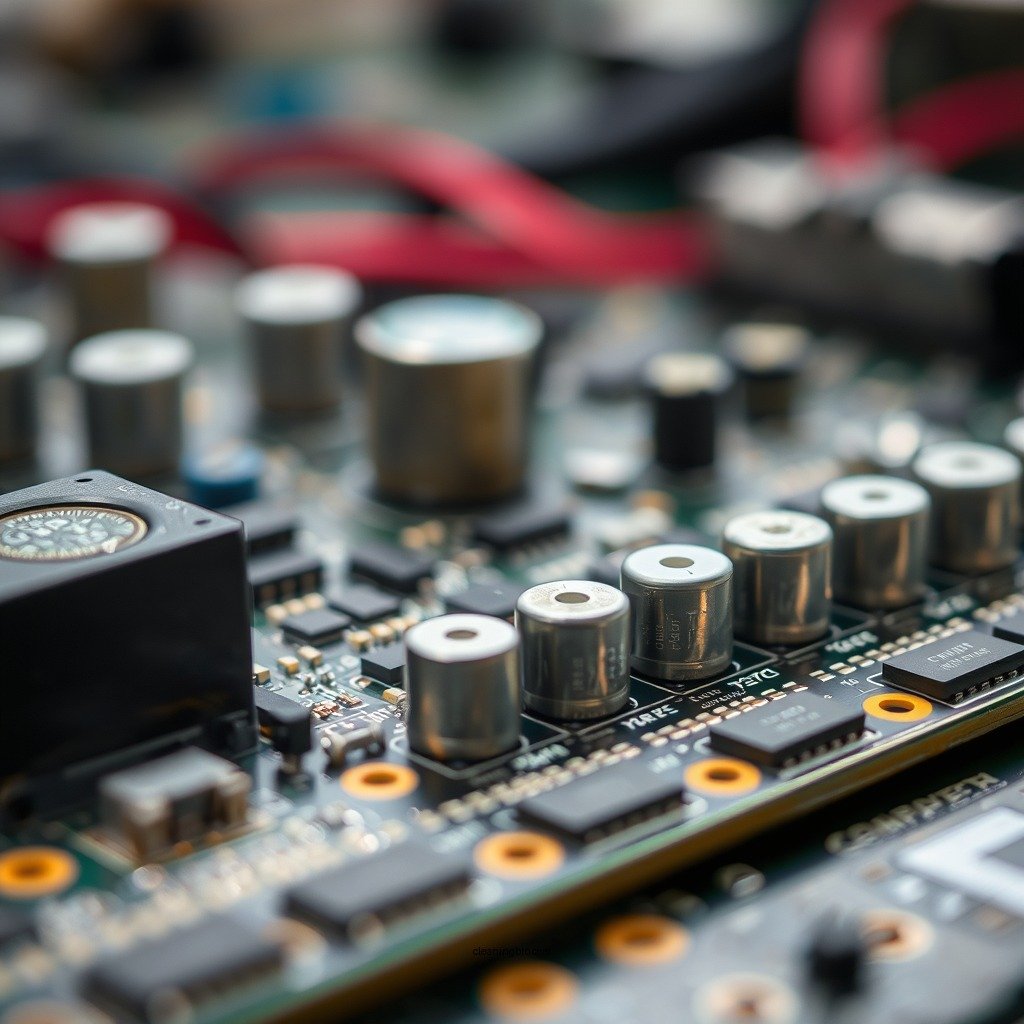
To effectively clean corroded circuit boards, you will need specific cleaning agents and tools:
Cleaning Agents
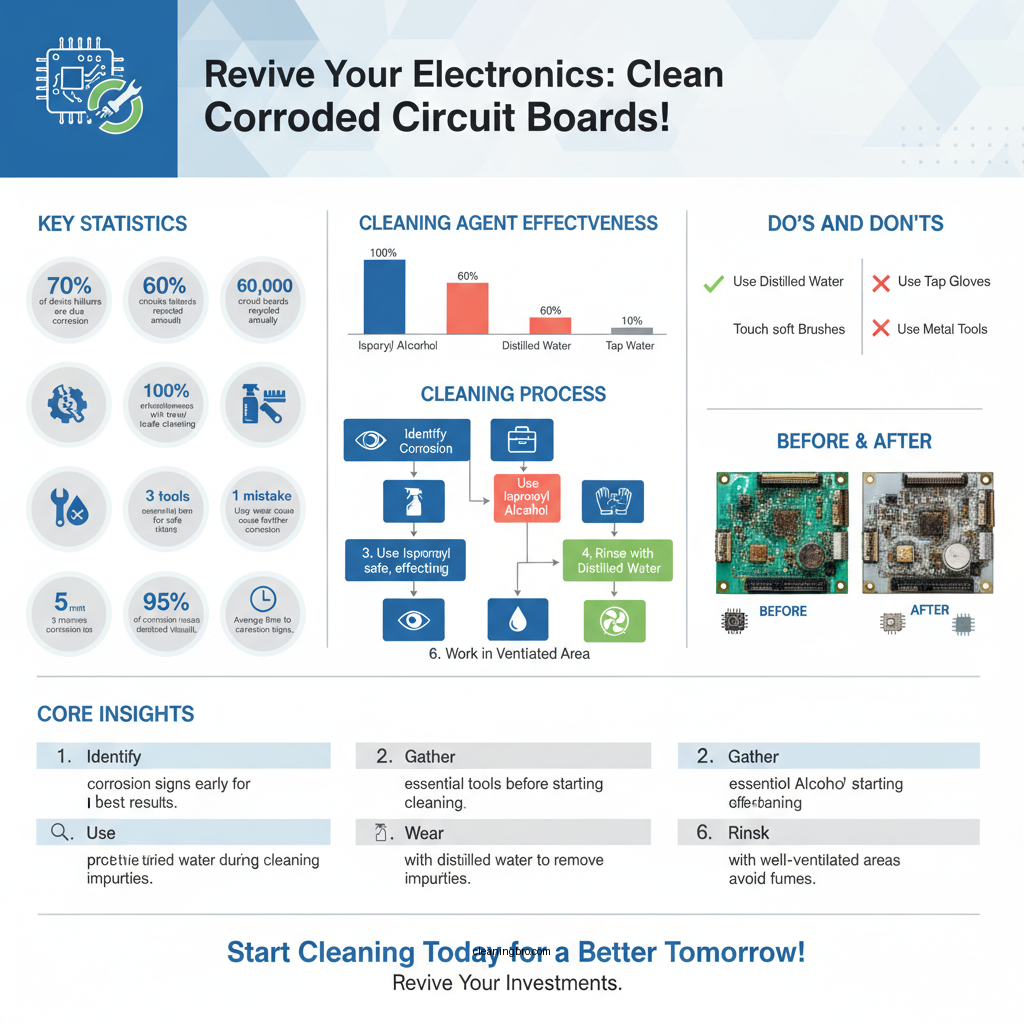
1. Isopropyl Alcohol (IPA): A highly effective solvent that evaporates quickly, reducing the risk of moisture damage.
2. Vinegar: A mild acid that can help dissolve corrosion but should be used cautiously to avoid further damage.
3. Distilled Water: Used for rinsing after cleaning to ensure no impurities remain.
Tools Needed
– Soft-bristle Brushes: To gently scrub the affected areas without damaging components.
– Tweezers: For handling small components safely and precisely.
– Microfiber Cloths: Ideal for drying and polishing surfaces without leaving lint or scratches.
– Small Containers: To soak components if necessary.
Having the right tools on hand can make the cleaning process more efficient and safer.
Safety Precautions
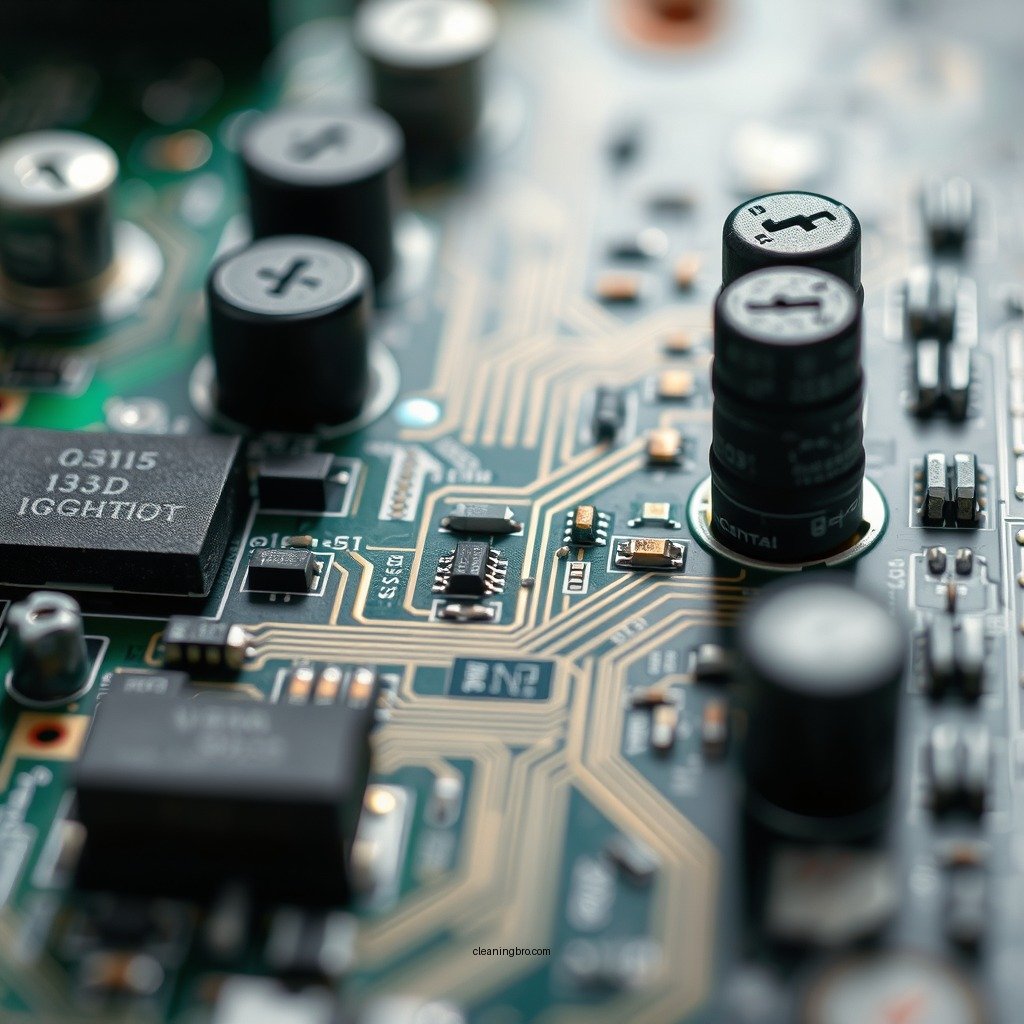
When cleaning circuit boards, safety should be your top priority.
Wear Protective Gear
Always wear gloves and goggles to protect your skin and eyes from cleaning agents. Some solvents can be irritating, and proper protective equipment minimizes risk.
Work in a Ventilated Area
Ensure you are in a well-ventilated space, as fumes from cleaning agents can be harmful if inhaled. Good airflow helps dissipate any harmful vapors and keeps your workspace safe.
Step-by-Step Cleaning Process
Cleaning corroded circuit boards involves several careful steps to ensure thorough cleaning without causing further damage.
Initial Assessment
Before starting the cleaning process, evaluate the extent of corrosion. Look for areas that are heavily corroded versus those that show minor signs. This will help you determine the best approach for cleaning.
Cleaning Techniques
1. Soaking: For heavily corroded areas, consider soaking the circuit board in a solution of isopropyl alcohol for a few minutes to loosen debris.
2. Scrubbing: Use soft-bristle brushes to gently scrub the corroded areas. Be careful not to apply too much pressure to avoid damaging the components.
3. Rinsing: After scrubbing, rinse the circuit board with distilled water to remove any residual cleaning agents.
Drying the Board
Thoroughly dry the circuit board using microfiber cloths. You may also use a gentle stream of compressed air to remove moisture from hard-to-reach areas. Ensure the board is completely dry before reconnecting it to any power source.
Post-Cleaning Inspection
After cleaning, it’s crucial to inspect the circuit board for any remaining signs of damage.
Check for Damage
Examine all components closely for any physical damage or remaining corrosion. Look for signs of burnt components or broken connections that may need repair.
Testing Functionality
Once you’ve confirmed the board is clean and dry, test its functionality. Reconnect it in its device and conduct a thorough check to ensure everything operates correctly. If issues persist, further professional assessment may be required.
Preventative Measures
Preventing future corrosion is just as important as cleaning existing issues.
Storage Tips
Store circuit boards in a dry environment, ideally within anti-static bags or containers. This helps to shield them from moisture and dust, minimizing the risk of corrosion.
Regular Maintenance
Encourage routine checks and cleaning as preventative care. Regular inspections can help catch early signs of corrosion, allowing for timely intervention before further damage occurs.
Common Causes of Circuit Board Corrosion
| # | Cause | Description | Prevention Tips |
|---|---|---|---|
| 1 | Moisture | Humidity can lead to oxidation. | Store in dry conditions. |
| 2 | Chemical Exposure | Spilled substances can cause corrosion. | Wipe spills immediately. |
| 3 | Dust and Debris | Can trap moisture and promote corrosion. | Regularly clean surfaces. |
| 4 | Poor Quality Components | Low-quality materials are more prone to corrosion. | Invest in quality components. |
| 5 | Temperature Fluctuations | Rapid changes can induce moisture condensation. | Store in stable conditions. |
| 6 | Improper Cleaning | Using harsh chemicals can damage components. | Use recommended cleaning agents. |
| 7 | Electrolytic Corrosion | Caused by electrical currents and moisture. | Avoid prolonged exposure. |
Best Cleaning Solutions for Circuit Boards
| Feature | ⭐ Isopropyl Alcohol | Vinegar | Distilled Water |
|---|---|---|---|
| Effectiveness | ✅ Highly effective | ✅ Effective | ✅ Basic rinsing agent |
| Evaporation Rate | Fast | Moderate | Slow |
| Residue | None | Some | None |
| Cost | Moderate | Low | Low |
| Safety | Safe with PPE | Mildly acidic | Safe |
| Best Use Case | Heavy corrosion | Light corrosion | Final rinse |
| User Skill Level | Intermediate | Beginner | Beginner |
| Environmental Impact | Low | Moderate | Low |
| Availability | Widely available | Widely available | Widely available |
| 🏆 Best For | Advanced users | Home users | Cleaning novice |
Cleaning circuit boards of corrosion is a meticulous process, but with the right techniques and tools, it can be accomplished successfully. Regular maintenance and appropriate storage practices can significantly reduce the likelihood of corrosion in the future. If you have corroded circuit boards, take immediate action to restore their functionality and share your experiences or questions in the comments below.
Frequently Asked Questions
What are the best methods to clean corrosion off circuit boards?
The best methods to clean corrosion off circuit boards include using isopropyl alcohol (at least 90% concentration), vinegar, or specialized electronic cleaner solutions. Gently scrubbing with a soft brush can help remove corrosion without damaging components. Always ensure the board is completely dry before powering it back on.
How do I safely remove corrosion from circuit board components?
To safely remove corrosion from circuit board components, start by disconnecting power and removing the board from its casing. Use a soft-bristled toothbrush dipped in isopropyl alcohol to carefully scrub the corroded areas. Be cautious around sensitive components and ensure you rinse the board with distilled water if using vinegar, followed by thorough drying.
Why does corrosion occur on circuit boards and how can I prevent it?
Corrosion on circuit boards often occurs due to exposure to moisture, humidity, or chemical contaminants. To prevent it, store electronic devices in dry environments, use conformal coatings, and ensure proper ventilation. Regular maintenance can also help identify and address potential corrosion issues before they escalate.
Which tools do I need to clean corrosion from a circuit board effectively?
To clean corrosion from a circuit board effectively, you will need isopropyl alcohol, a soft brush (like a toothbrush), distilled water, and a microfiber cloth for drying. Additionally, a magnifying glass can help inspect small components for corrosion damage, and tweezers may be useful for handling delicate parts.
What precautions should I take when cleaning corroded circuit boards?
When cleaning corroded circuit boards, always ensure the power is disconnected to avoid electric shock. Wear protective gloves and goggles to safeguard against chemical exposure, and work in a well-ventilated area to minimize inhalation of fumes. Additionally, avoid using excessive moisture, which can cause further damage to electronic components.
References
- Printed circuit board
https://en.wikipedia.org/wiki/Circuit_board - https://www.sciencedirect.com/topics/engineering/circuit-board
https://www.sciencedirect.com/topics/engineering/circuit-board - https://pubmed.ncbi.nlm.nih.gov/24688537/
https://pubmed.ncbi.nlm.nih.gov/24688537/ - https://www.nature.com/articles/s41598-020-61047-5
https://www.nature.com/articles/s41598-020-61047-5 - https://www.hindawi.com/journals/jc/2020/4907263/
https://www.hindawi.com/journals/jc/2020/4907263/ - https://www.bbc.com/news/science-environment-56802575
https://www.bbc.com/news/science-environment-56802575 - https://www.theguardian.com/technology/2020/mar/26/e-waste-global-problem-solution
https://www.theguardian.com/technology/2020/mar/26/e-waste-global-problem-solution - Google Scholar Google Scholar
https://scholar.google.com/scholar?q=clean+corrosion+circuit+boards - Google Scholar Google Scholar
https://scholar.google.com/scholar?q=removing+corrosion+from+circuit+boards - Google Scholar Google Scholar
https://scholar.google.com/scholar?q=circuit+board+maintenance+and+cleaning