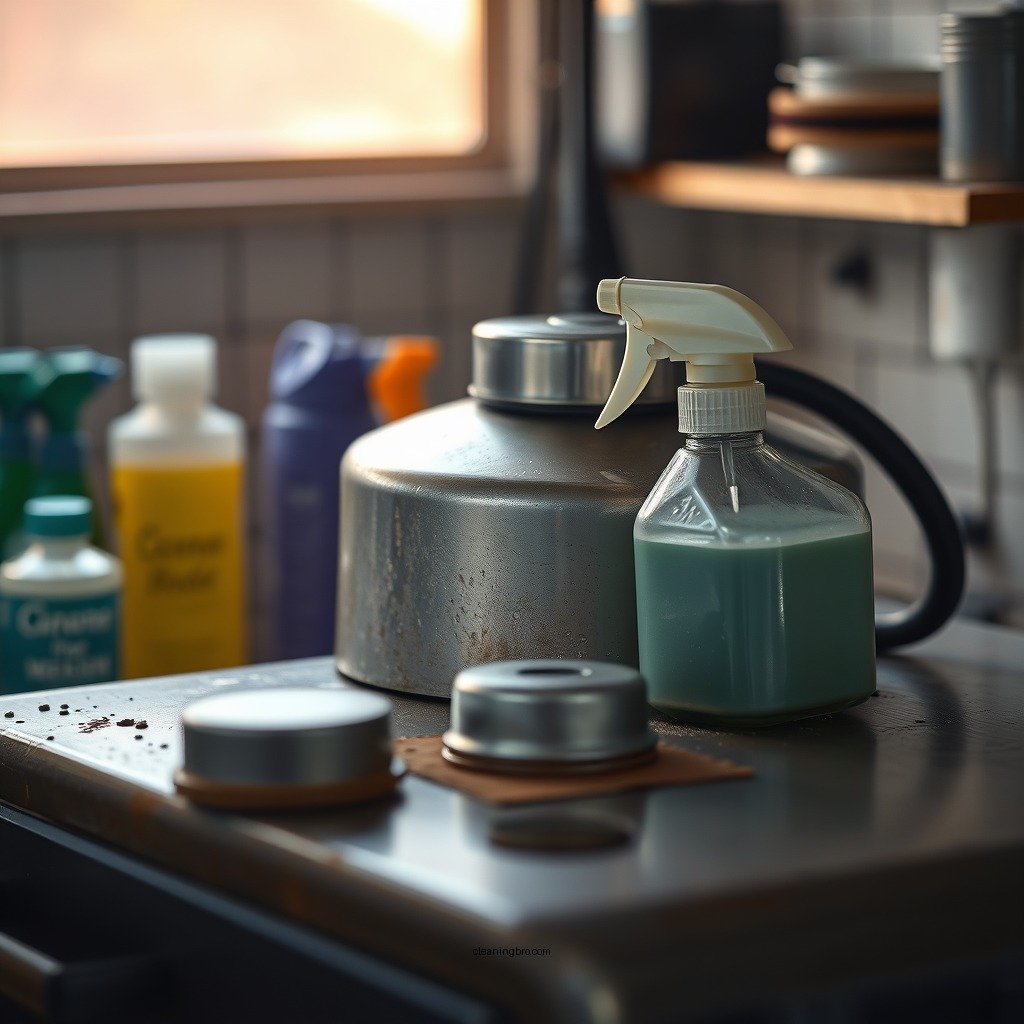
How to Clean a Gas Tank with Old Gas: A Step-by-Step Guide
Cleaning a gas tank with old gas is essential for maintaining your vehicle’s performance and preventing engine damage. Old gasoline can degrade and lead to serious issues like clogging fuel lines and affecting combustion efficiency. By following a systematic approach to remove the old gas, clean the tank’s interior, and replace any worn components, you can ensure your vehicle runs smoothly and efficiently. This guide will provide you with the necessary steps to safely clean your gas tank and restore its functionality.
Understanding the Risks of Old Gas

Old gas poses several risks to your vehicle’s engine and fuel system. Over time, gasoline can degrade, losing its combustibility and leading to engine problems such as rough idling and poor fuel efficiency. This degradation is often accompanied by the formation of varnish and sludge, which can clog fuel lines, injectors, and filters. Additionally, old gas may contain moisture that can cause rust and corrosion inside the tank. Therefore, understanding the implications of old gas is the first step in the cleaning process.
Tools and Materials Needed
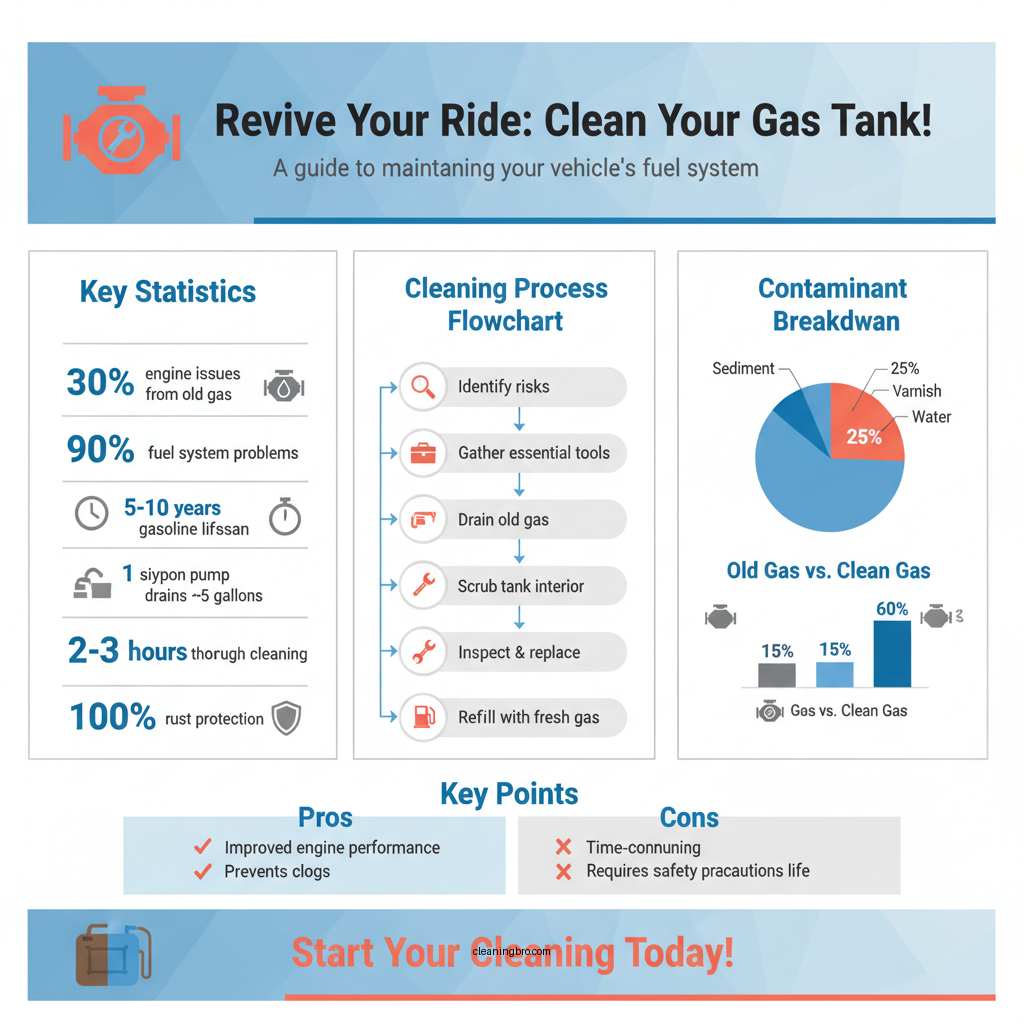
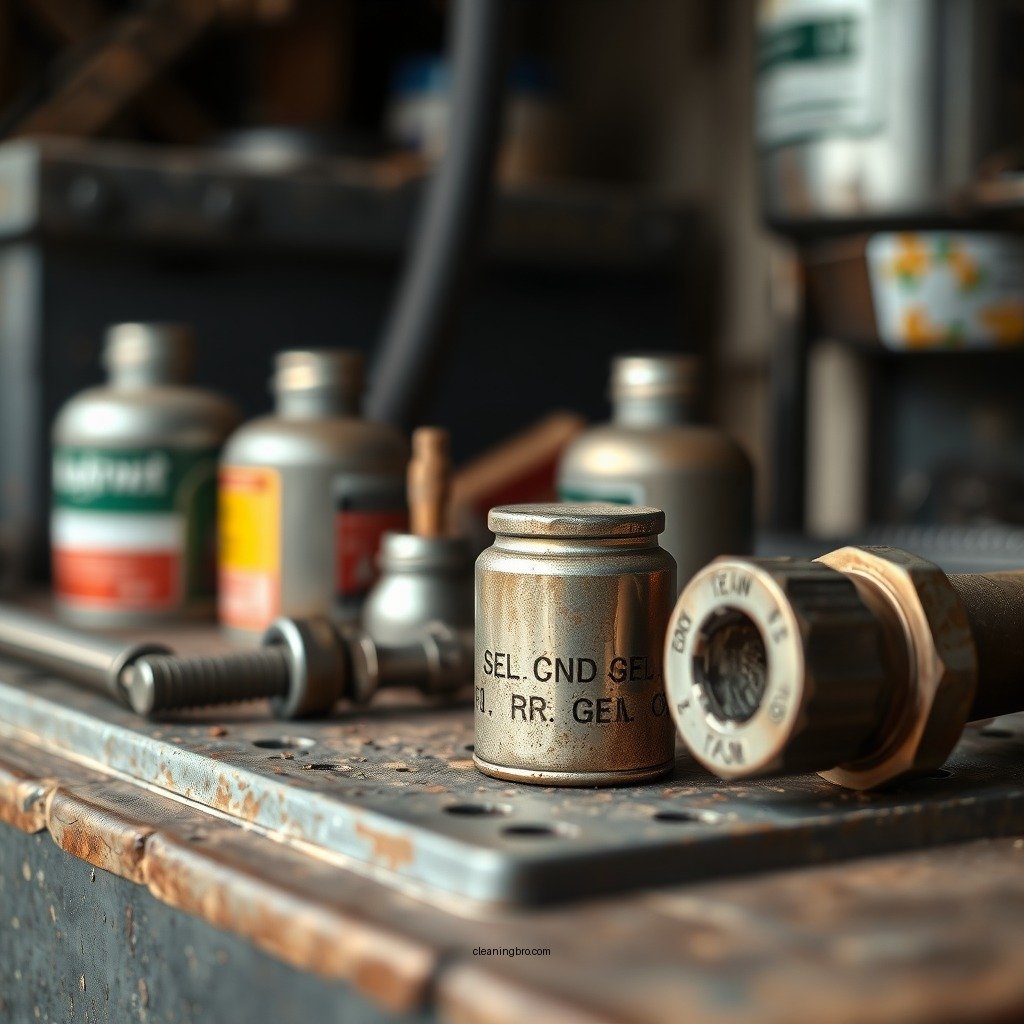
To effectively clean your gas tank, you will require several tools and materials:
– Siphon Pump: For draining old gasoline safely.
– Wrench Set: To remove screws and fittings.
– Safety Goggles: To protect your eyes from fumes and debris.
– Funnel: To facilitate pouring during refilling.
– Cleaning Materials:
– Fuel Tank Cleaner: A chemical solution designed to remove residues and contaminants.
– Brushes: For scrubbing the tank interior.
– Rags: For wiping down surfaces and removing debris.
– Container: To safely hold the drained old gasoline.
Draining the Old Gas
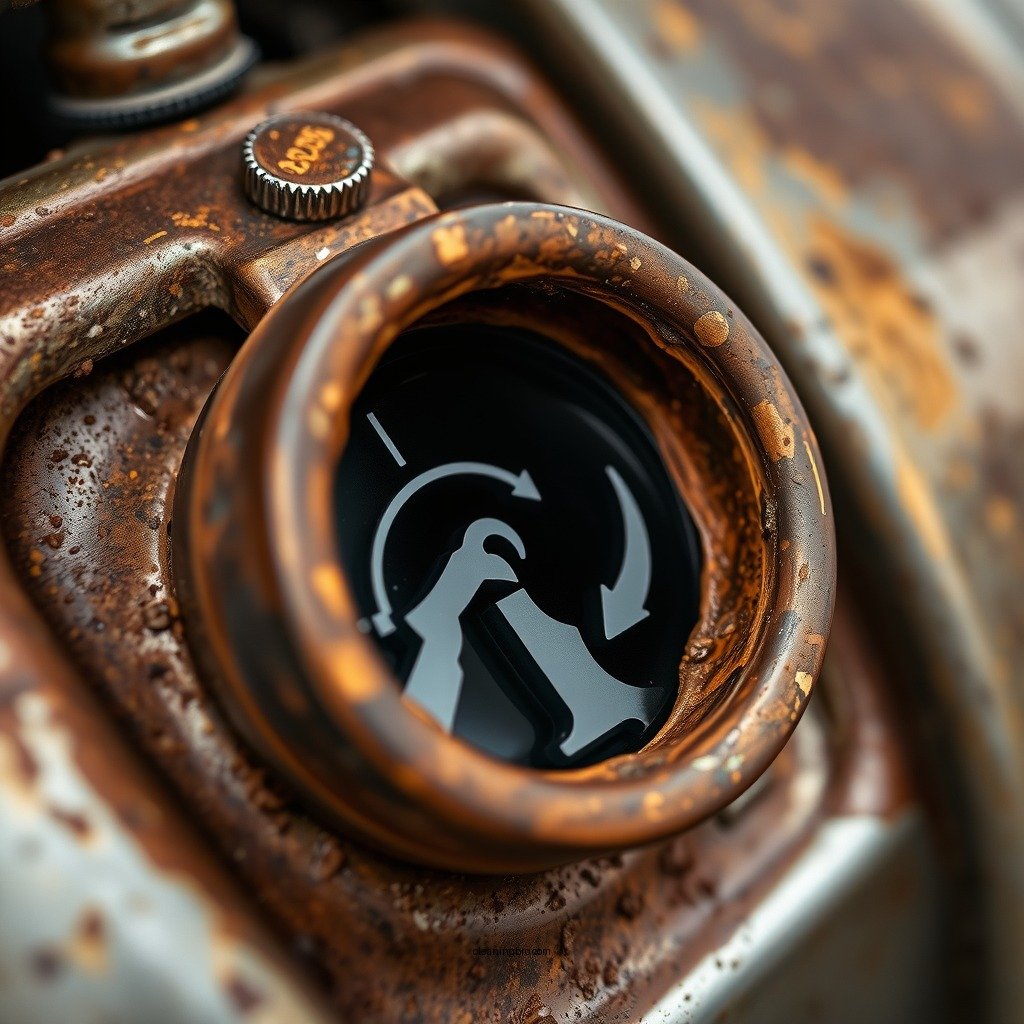
Begin the cleaning process by draining the old gas from the tank. Using a siphon pump, carefully extract the gasoline into an appropriate container. Ensure that the area is well-ventilated to avoid inhaling harmful fumes. It is advisable to wear gloves and safety goggles during this step to protect your skin and eyes. Once the tank is empty, inspect it for any visible debris or residue that may need special attention.
Common Gasoline Contaminants and Their Effects
| # | Contaminant | Effects | Removal Method |
|---|---|---|---|
| 1 | Varnish | Clogs fuel lines | Use fuel tank cleaner |
| 2 | Sediment | Reduces fuel flow | Manual removal |
| 3 | Water | Causes rust | Drain and dry |
| 4 | Rust | Damages tank | Use rust remover |
| 5 | Gum | Blocks injectors | Fuel tank cleaner |
| 6 | Contaminants | Impairs combustion | Fuel filter replacement |
| 7 | Additives | Alter fuel properties | Flush system |
Cleaning the Interior of the Gas Tank
Once the tank is drained, the next step is to clean its interior. Pour a quality fuel tank cleaner into the empty tank, following the manufacturer’s instructions for dilution and application. This cleaner is designed to dissolve any varnish, sludge, or other residues that may have accumulated. Use brushes or rags to scrub the interior surfaces thoroughly, ensuring that you reach all corners and crevices. After scrubbing, rinse the tank with clean water to remove any lingering cleaner and contaminants. It is essential to allow the tank to dry completely before moving on to the next step.
Inspecting and Replacing Components
After the tank has been cleaned and dried, inspect it for any signs of damage or wear. Look for rust, cracks, or corrosion on the interior and exterior surfaces of the tank, as well as on the fuel lines and fittings. Any damaged components should be replaced promptly to ensure a proper seal and functionality. If you’re unsure about the condition of any part, consult a professional mechanic for an expert evaluation. Replacing worn or damaged components will help prevent future leaks and ensure optimal fuel delivery.
Fuel Tank Cleaner Options: Full Comparison
| Feature | ⭐ Cleaner A | Cleaner B | Cleaner C |
|---|---|---|---|
| Price | $15.99 | $12.99 | $19.99 |
| Ease of Use | Easy | Moderate | Difficult |
| Effectiveness | ✅ High | ✅ Medium | ❌ Low |
| Compatibility | Gasoline and Diesel | Gasoline only | Gasoline only |
| Environmental Impact | Biodegradable | Non-toxic | Toxic |
| Scent | Mild | Pleasant | Strong |
| Volume | 16 oz | 12 oz | 32 oz |
| Application Method | Pour and Swirl | Mix with Fuel | Spray and Rinse |
| Customer Rating | ★★★★☆ | ★★★☆☆ | ★★☆☆☆ |
| 🏆 Best For | General use and efficiency | Budget-conscious consumers | Heavy-duty applications |
Refilling the Tank with Fresh Gas
After cleaning and inspecting the tank, it’s time to refill it with fresh gasoline. Consider using high-quality fuel to ensure optimal performance. Adding a fuel stabilizer can also be beneficial, especially if you plan to store the vehicle for an extended period. Fuel stabilizers help maintain fuel quality and prevent degradation, ensuring that your engine will run smoothly when you need it.
Testing the System
Once the tank is filled with fresh gas, start the engine and monitor its performance. Pay attention to any irregularities such as rough idling or hesitation during acceleration. Additionally, check for leaks around the fuel lines and fittings to ensure that everything is functioning properly. If you experience any issues, it may be necessary to revisit the previous steps or consult a professional mechanic for further assistance.
Cleaning your gas tank with old gas is a straightforward process that can significantly enhance your vehicle’s performance and longevity. By following these steps, you can ensure a clean and efficient fuel system. Regular maintenance, including cleaning the gas tank and monitoring fuel quality, will contribute to a smoother-running engine and help prevent costly repairs. If you’re unsure about any part of the process, do not hesitate to consult a professional mechanic for assistance.
Frequently Asked Questions
What are the signs that my gas tank has old gas?
Signs of old gas in your tank include difficulty starting the engine, poor engine performance, and a noticeable decrease in fuel efficiency. Additionally, if the gas smells sour or has a darker color, it may have degraded. Regular checks can help prevent these issues and ensure optimal vehicle performance.
How can I safely remove old gas from my gas tank?
To safely remove old gas from your gas tank, start by siphoning out the fuel using a siphon pump, ensuring you have a suitable container for storage. Always work in a well-ventilated area and wear gloves to protect your skin. Once removed, properly dispose of the old gas at a hazardous waste facility.
Why is it important to clean a gas tank with old gas?
Cleaning a gas tank with old gas is crucial because degraded fuel can cause engine problems, such as clogging fuel lines and damaging injectors. Old gas can also lead to corrosion inside the tank, which can create further complications. Addressing this issue prevents costly repairs and maintains vehicle reliability.
What is the best method to clean the inside of a gas tank?
The best method to clean the inside of a gas tank involves removing the tank from the vehicle, then using a mixture of cleaning solvent and water to thoroughly rinse the interior. You can also use a specialized gas tank cleaning solution to remove sludge and deposits. After cleaning, ensure the tank is dry before refilling with fresh fuel.
Which tools do I need to clean my gas tank effectively?
To clean your gas tank effectively, you will need a siphon pump for fuel removal, a wrench set for tank removal, and cleaning solvents or a gas tank cleaning kit. Additionally, having a vacuum or air compressor can help remove debris and ensure a thorough clean. Always prioritize safety equipment like gloves and eye protection while working.
References
- Gasoline
https://en.wikipedia.org/wiki/Gasoline - https://www.ncbi.nlm.nih.gov/pmc/articles/PMC7313789/
https://www.ncbi.nlm.nih.gov/pmc/articles/PMC7313789/ - https://www.sciencedirect.com/science/article/pii/S2351978918304203
https://www.sciencedirect.com/science/article/pii/S2351978918304203 - https://www.britannica.com/science/gasoline
https://www.britannica.com/science/gasoline - https://www.enginebuildermag.com/2020/02/cleaning-the-fuel-tank/
https://www.enginebuildermag.com/2020/02/cleaning-the-fuel-tank/ - https://www.fuelgaugerepair.com/faq/what-is-the-best-way-to-clean-a-fuel-tank/
https://www.fuelgaugerepair.com/faq/what-is-the-best-way-to-clean-a-fuel-tank/ - Google Scholar Google Scholar
https://scholar.google.com/scholar?q=clean+gas+tank+old+gas - Google Scholar Google Scholar
https://scholar.google.com/scholar?q=cleaning+gas+tank+techniques - Google Scholar Google Scholar
https://scholar.google.com/scholar?q=how+to+clean+gas+tank+of+old+gas - how to clean gas tank of old gas – Search results
https://en.wikipedia.org/wiki/Special:Search?search=how+to+clean+gas+tank+of+old+gas