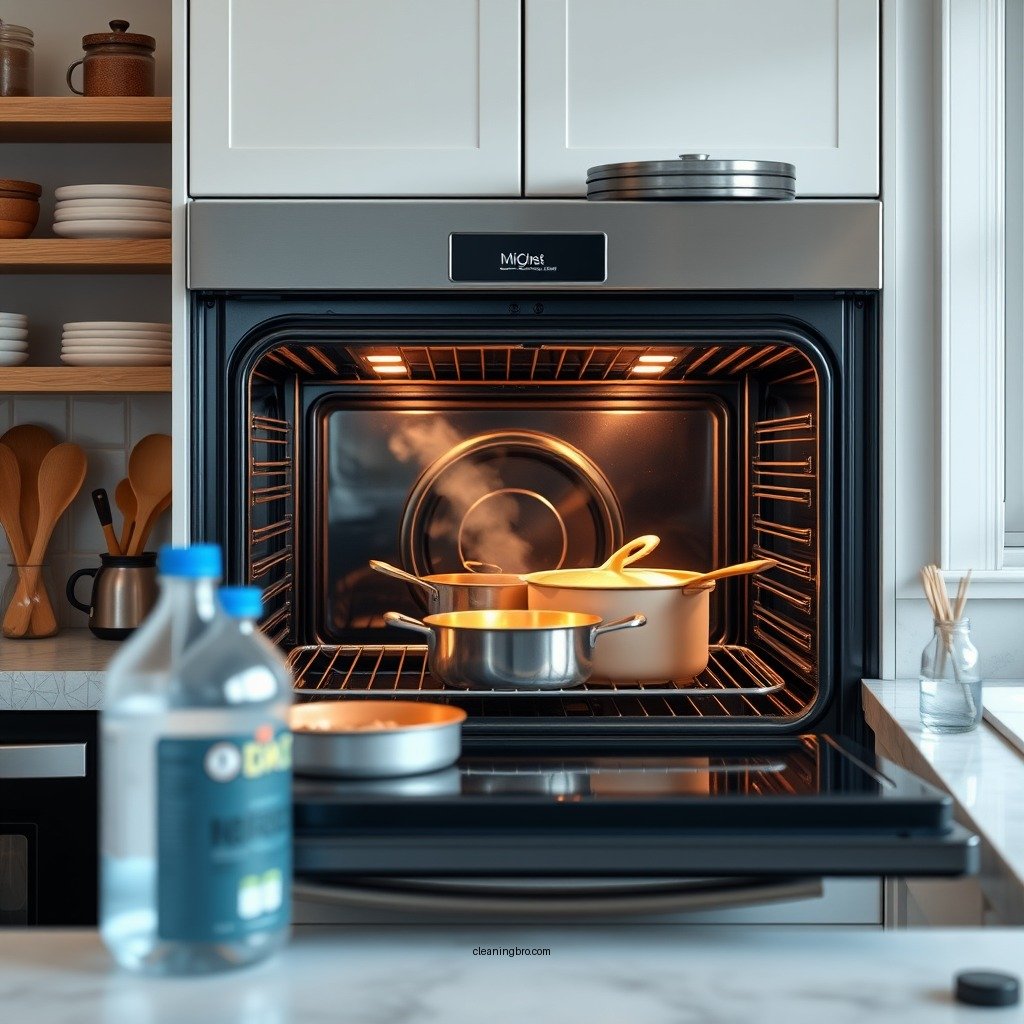
How to Clean Your Oven with Ammonia: A Simple Guide
Understanding the Benefits of Using Ammonia
Ammonia is a powerful degreaser that can break down tough, baked-on grime. Its molecular structure makes it particularly effective at dissolving grease and food residues that accumulate during cooking. Unlike many commercial oven cleaners, ammonia is less toxic and does not contain harsh chemicals that can pose health risks to you and your family.
Moreover, ammonia is a cost-effective cleaning solution that is readily available in most households. This affordability makes it an attractive option for those looking to maintain a clean kitchen without overspending on cleaning supplies. Additionally, ammonia is versatile and can be used for various cleaning tasks beyond just the oven, making it a valuable addition to your cleaning arsenal.
Safety Precautions When Using Ammonia
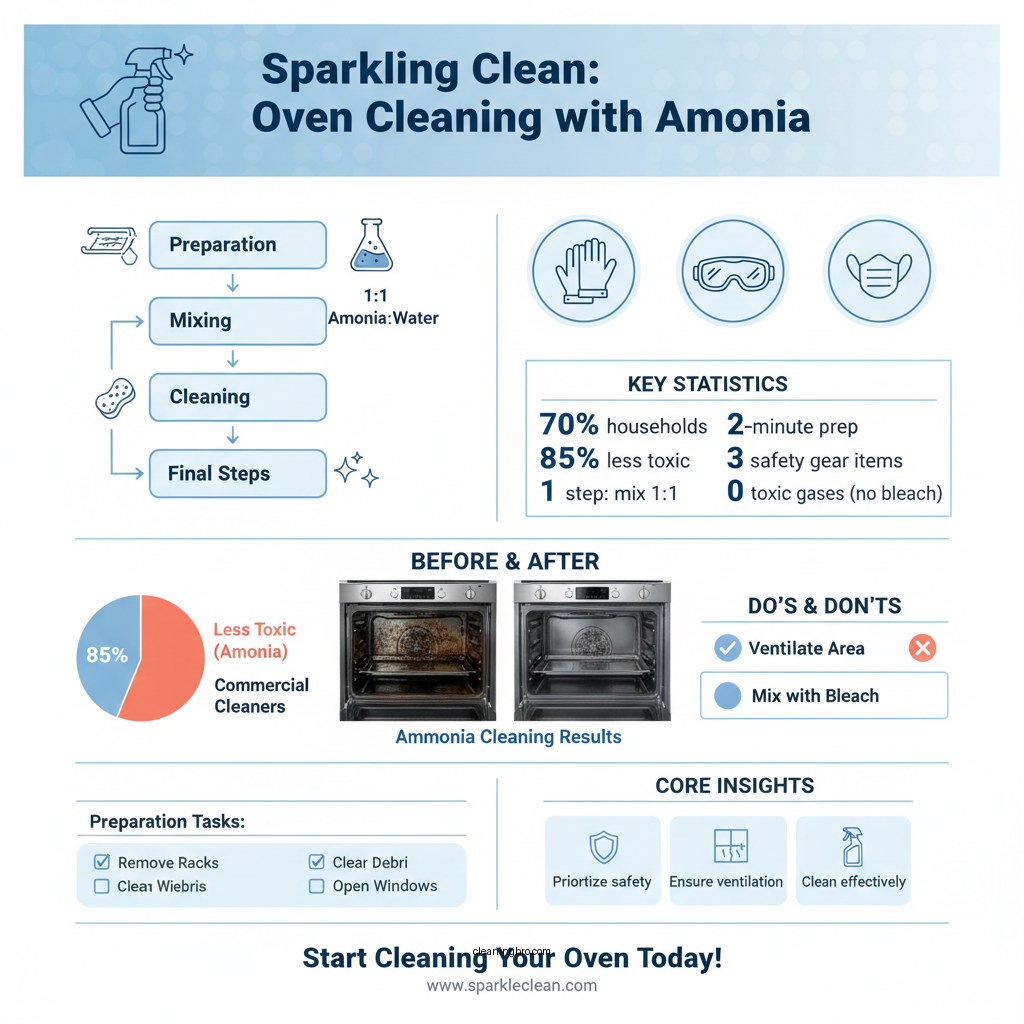
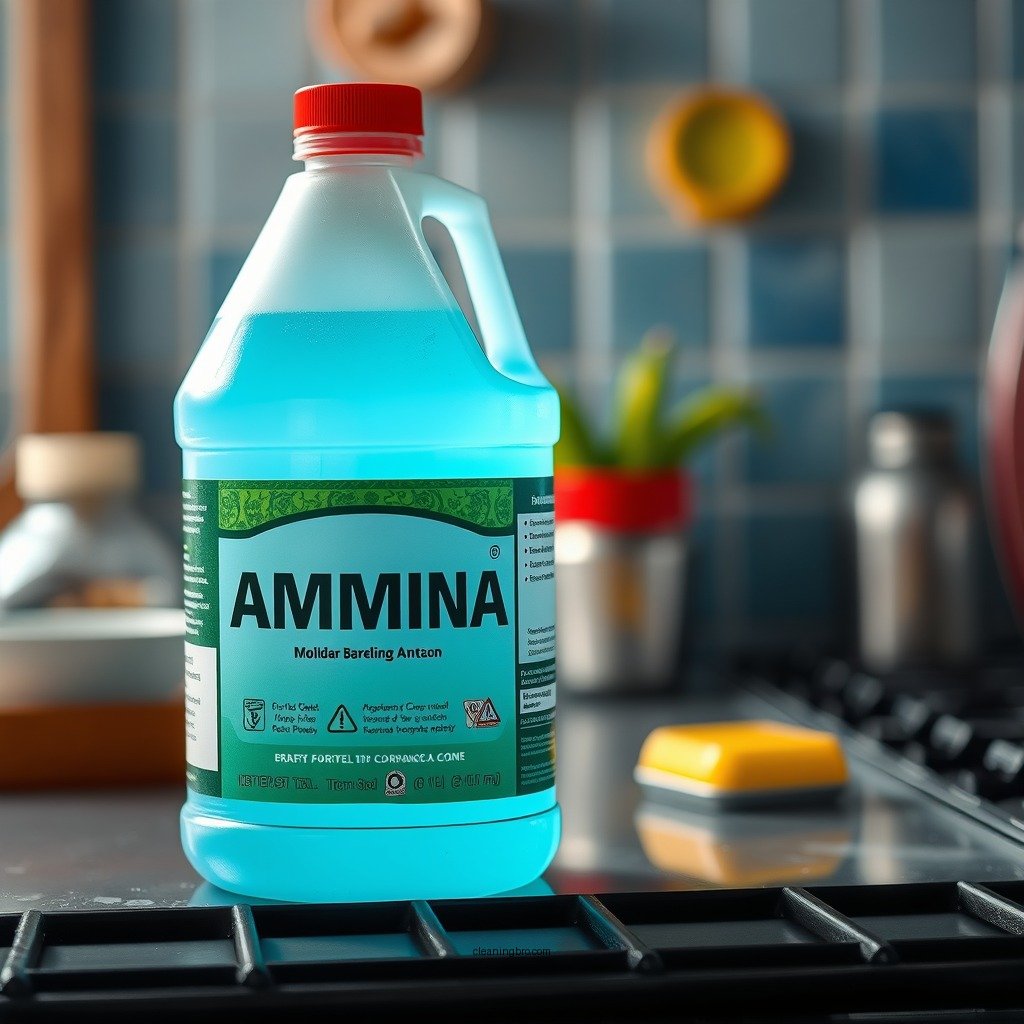
While ammonia is a powerful cleaning agent, it is essential to prioritize safety during its use. Always work in a well-ventilated area to avoid inhaling fumes, which can be irritating to the respiratory system. Opening windows and turning on exhaust fans can help improve airflow while you clean.
Wearing gloves and eye protection is also advisable to safeguard against irritation. Ammonia can cause skin and eye irritation, so protective gear can help prevent accidental contact. Additionally, avoid mixing ammonia with other cleaning agents, especially bleach, as this can produce toxic gases.
Preparing Your Oven for Cleaning
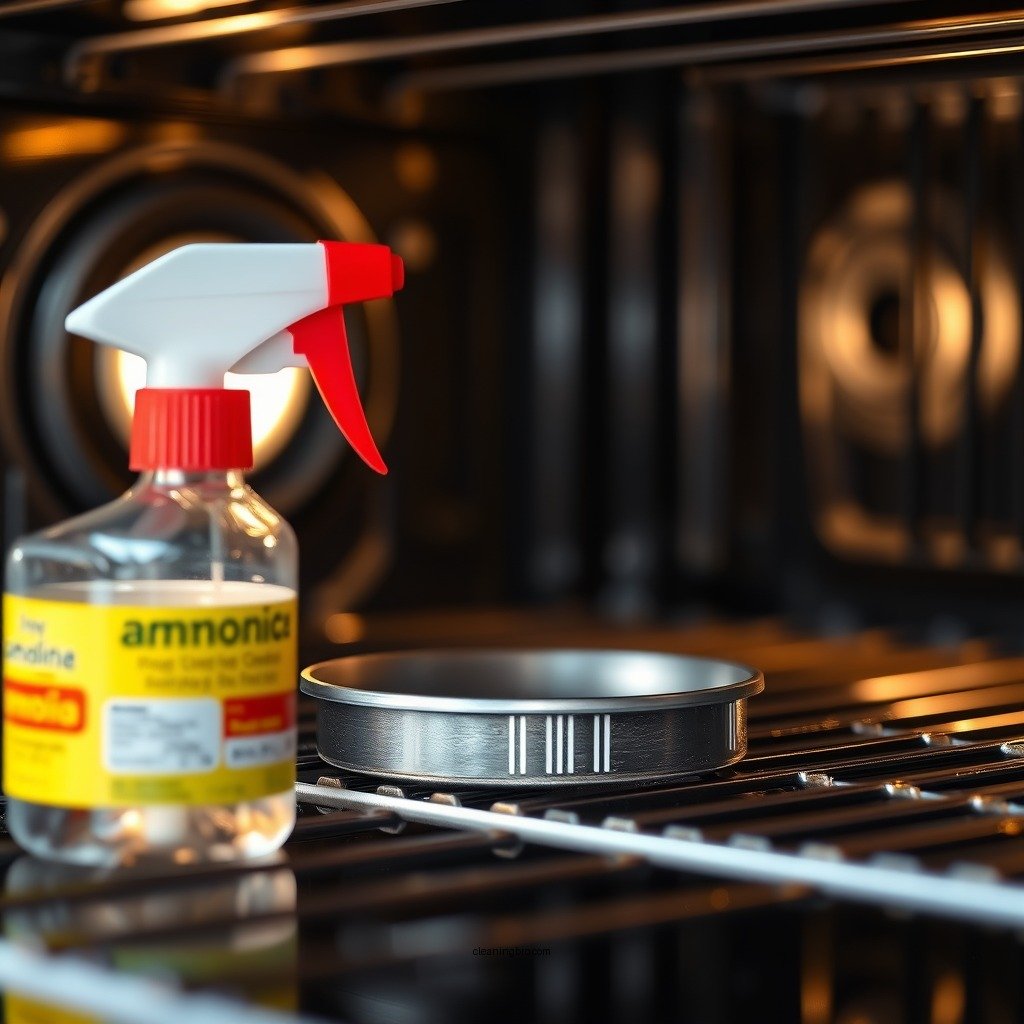
Before you begin the cleaning process, it is crucial to prepare your oven adequately. Start by removing all racks and accessories to access the oven’s interior fully. This step allows you to clean every corner of the oven without obstruction.
Next, wipe down loose debris and crumbs to simplify the cleaning process. A quick surface wipe can ensure that the ammonia solution can work more effectively on the grime instead of being hindered by larger debris. This preparation is key to achieving the best results during the cleaning process.
Steps to Clean Your Oven with Ammonia
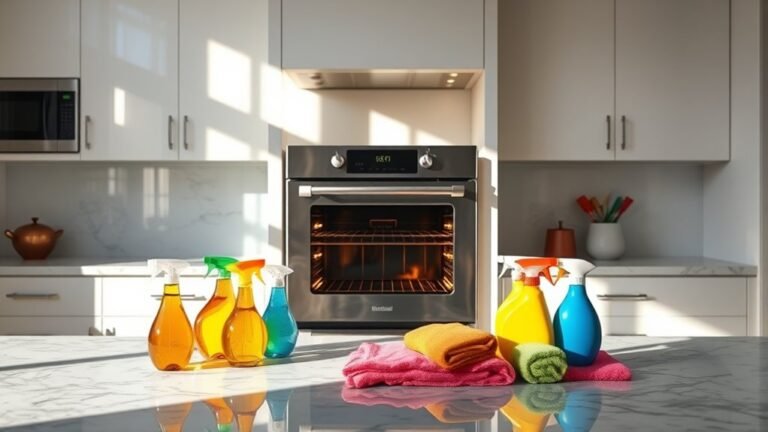
The cleaning process with ammonia is straightforward and can be accomplished in just a few steps. First, mix ammonia with water in a spray bottle to create an effective cleaning solution. A common ratio is one part ammonia to three parts water, but you can adjust this based on the level of grime in your oven.
Next, apply the ammonia mixture generously to the oven surfaces, focusing on heavily soiled areas. Ensure that the solution is not dripping but is adequately covering the grime to allow it to penetrate and break down the residue. It is advisable to avoid spraying directly onto heating elements or any electrical components.
Top 7 Cleaning Agents for Oven Cleaning (2024)
| # | Cleaning Agent | Effectiveness | Cost ($) | Toxicity Level |
|---|---|---|---|---|
| 1 | Ammonia | High | 3 | Low |
| 2 | Baking Soda | Medium | 2 | None |
| 3 | White Vinegar | Medium | 1 | None |
| 4 | Dish Soap | Low | 1.5 | Low |
| 5 | Hydrogen Peroxide | Medium | 2.5 | Low |
| 6 | Lemon Juice | Low | 1 | None |
| 7 | Oven Cleaner Spray | High | 5 | High |
Allowing Ammonia to Work
Once you have applied the ammonia solution, let it sit for several hours or overnight for maximum effectiveness. This time allows the ammonia to penetrate the grime and soften it, making it easier to wipe away. Keeping the oven door closed during this period helps to trap the fumes, enhancing the cleaning power of the ammonia.
For best results, you may also want to check periodically to see how well the solution is working. If you notice that the grime is starting to break down quicker than expected, you can proceed with the next steps sooner.
Final Cleanup Process
After the ammonia has done its job, it’s time to wipe down the oven interior with a damp cloth. Be thorough in this step, ensuring that all loosened grime and ammonia residue are removed. Rinse your cloth frequently to avoid spreading dirt around.
Once you have wiped down the surfaces, it’s essential to rinse thoroughly to remove any ammonia residue. A second pass with a clean damp cloth can help ensure that no traces of ammonia remain. Finally, dry the surfaces with a clean, dry cloth to prevent any streaking and to prepare the oven for your next cooking session.
Best Oven Cleaning Methods: Ammonia vs Baking Soda vs Commercial Cleaners
| Feature | ⭐ Ammonia | Baking Soda | Commercial Cleaners |
|---|---|---|---|
| Cleaning Power | High | Medium | Very High |
| Cost | Low | Very Low | High |
| Ease of Use | Easy | Moderate | Easy |
| Environmental Impact | Low | Very Low | High |
| Time Required | 4 hours | 8 hours | 1 hour |
| Residue | Low | None | Moderate |
| Availability | Widely available | Common | General Stores |
| Toxicity | Low | None | High |
| Residual Smell | Moderate | None | Strong |
| 🏆 Best For | Budget-conscious users | Eco-friendly cleaning | Heavy-duty grime |
Tips for Maintaining a Clean Oven
Preventing buildup in your oven is always easier than dealing with deep cleaning later. Regularly clean spills and splatters as they occur to prevent them from becoming stubborn stains. A quick wipe after cooking can save you considerable time and effort in the long run.
Consider using a baking soda paste for routine maintenance between ammonia deep cleans. This paste can help lift grime without the need for harsh chemicals. Simply mix baking soda with water to form a paste, apply it to the areas of concern, and let it sit for a few hours before wiping it away with a damp cloth.
By adopting these practices, you can keep your oven in optimal condition, reducing the frequency of deep cleaning and ensuring a more pleasant cooking environment.
In summary, cleaning your oven with ammonia is a highly effective method for removing tough grime while maintaining safety and ease of use. By preparing adequately, following the outlined steps, and implementing some preventive measures, you can enjoy a clean and efficient cooking space. Take action today and experience the benefits of a freshly cleaned oven!
Frequently Asked Questions
How do I use ammonia to clean my oven effectively?
To clean your oven with ammonia, start by placing a bowl of ammonia in the oven and letting it sit overnight. This helps to break down tough grease and grime. The next day, wipe down the interior with a damp sponge or cloth to remove the residue, and rinse thoroughly for a sparkling clean finish.
What safety precautions should I take when cleaning my oven with ammonia?
When using ammonia to clean your oven, ensure you’re working in a well-ventilated area to avoid inhaling fumes. Wear gloves and consider using safety goggles to protect your eyes. Always mix ammonia with water and never combine it with other cleaners, especially bleach, as this can create toxic gases.
Why is ammonia an effective cleaner for ovens?
Ammonia is an effective cleaner for ovens because it breaks down grease and baked-on food residues, making them easier to wipe away. Its strong alkaline nature helps to dissolve tough stains without the need for harsh scrubbing, saving you time and effort during your cleaning routine.
What is the best way to prepare my oven before using ammonia for cleaning?
Before using ammonia to clean your oven, remove any loose debris or food particles from the interior. It’s also best to preheat the oven slightly to loosen up any stubborn grime, then turn it off and let it cool before applying the ammonia. This preparation ensures the cleaning solution can work effectively.
Which areas of my oven should I focus on when cleaning with ammonia?
When cleaning your oven with ammonia, focus on areas that accumulate the most grease and grime, such as the oven door, interior walls, and bottom surface. Pay special attention to any racks and the heating elements, as these areas can hold onto stubborn residues.
References
- https://www.ncbi.nlm.nih.gov/pmc/articles/PMC4962086/
https://www.ncbi.nlm.nih.gov/pmc/articles/PMC4962086/ - https://www.mayoclinic.org/healthy-lifestyle/adult-health/in-depth/cleaning-your-home/art-20045569
https://www.mayoclinic.org/healthy-lifestyle/adult-health/in-depth/cleaning-your-home/art-20045569 - https://www.cdc.gov/niosh/topics/ammonia/default.html
https://www.cdc.gov/niosh/topics/ammonia/default.html - https://www.epa.gov/saferchoice/cleaning-products-and-the-environment
https://www.epa.gov/saferchoice/cleaning-products-and-the-environment - Ammonia | Definition, Preparation, Physical Properties, Chemical Reactivity, Derivatives & Uses |…
https://www.britannica.com/science/ammonia - Google Scholar Google Scholar
https://scholar.google.com/scholar?q=how+to+clean+oven+ammonia - Google Scholar Google Scholar
https://scholar.google.com/scholar?q=cleaning+with+ammonia+household+cleaners - Google Scholar Google Scholar
https://scholar.google.com/scholar?q=ammonia+cleaning+methods - https://www.who.int/water_sanitation_health/publications/cleaning-water-supply-ammonia/en/
https://www.who.int/water_sanitation_health/publications/cleaning-water-supply-ammonia/en/ - https://www.sciencedirect.com/topics/earth-and-planetary-sciences/ammonia-cleaning
https://www.sciencedirect.com/topics/earth-and-planetary-sciences/ammonia-cleaning