How to Clean Oxidation from Aluminum: Effective Methods
Cleaning oxidation from aluminum is straightforward and can restore its original shine. The most effective methods include using natural cleaners like vinegar or baking soda, as well as commercial aluminum cleaners. This guide will walk you through various techniques to eliminate oxidation and maintain the beauty of your aluminum surfaces.
Aluminum is a popular material known for its lightweight and corrosion-resistant properties. However, it is not immune to oxidation, which can dull its surface and diminish its aesthetic appeal. Understanding the causes and effective cleaning methods is essential for maintaining the appearance and longevity of aluminum items. This guide provides comprehensive insights into cleaning oxidation from aluminum, focusing on both natural and commercial methods.
Understanding Aluminum Oxidation
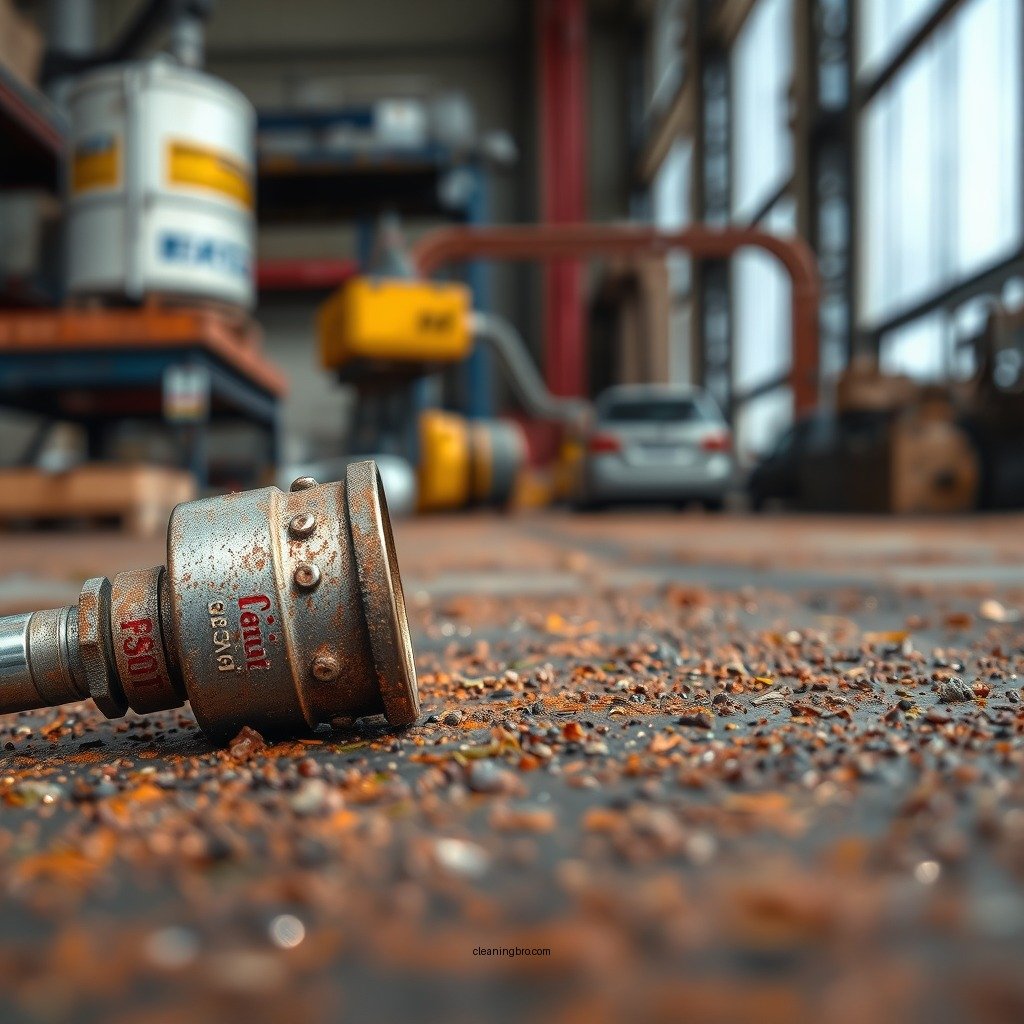
Aluminum oxidation occurs due to exposure to air and moisture, leading to the formation of a dull, white layer known as aluminum oxide. This process is not merely superficial; it can affect the structural integrity of the aluminum over time. The rate of oxidation can be accelerated by environmental factors such as salt, humidity, and pollutants. For instance, coastal areas with high salt content in the air can cause faster oxidation, while urban settings with high levels of air pollution can also contribute to this problem.
Oxidation is a natural process, but it can be exacerbated by improper care or maintenance of aluminum surfaces. Regular cleaning and protective measures can mitigate these effects and help preserve aluminum’s natural luster.
Natural Cleaning Methods
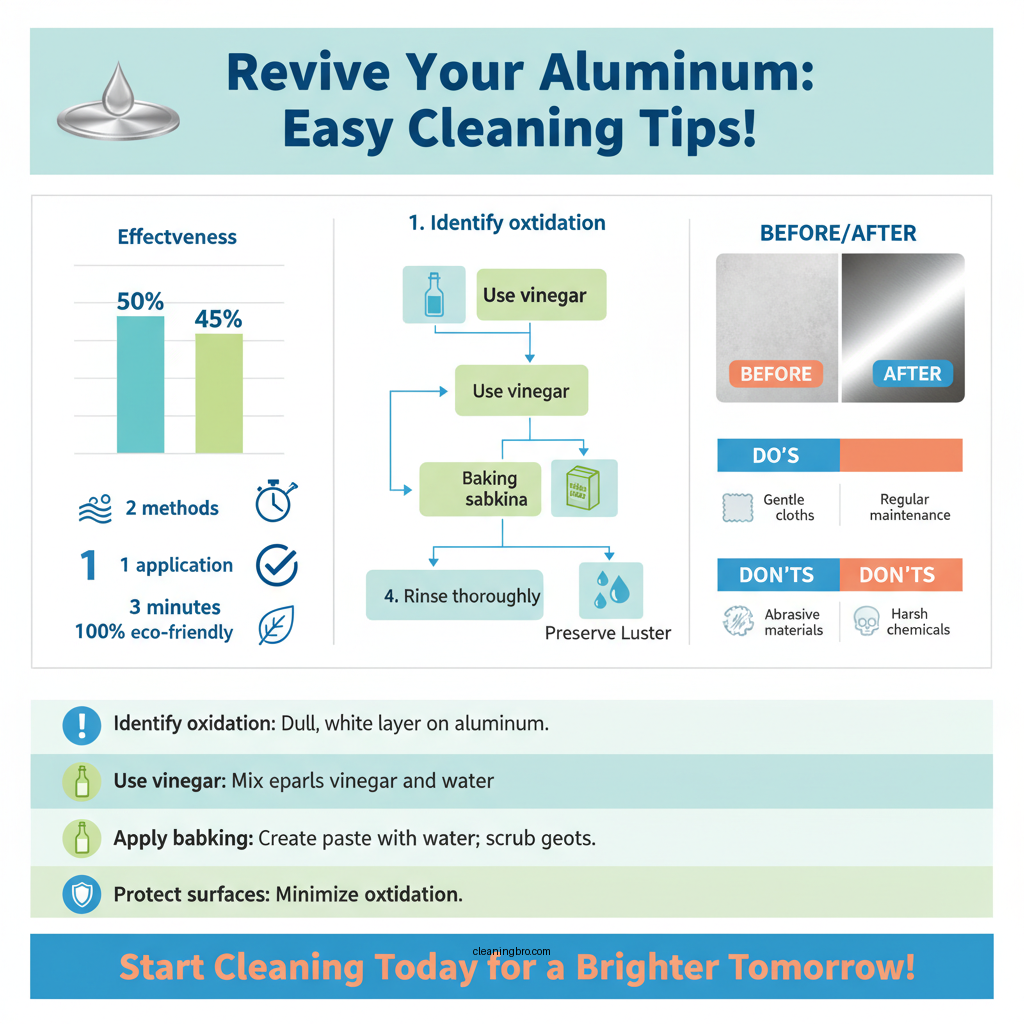
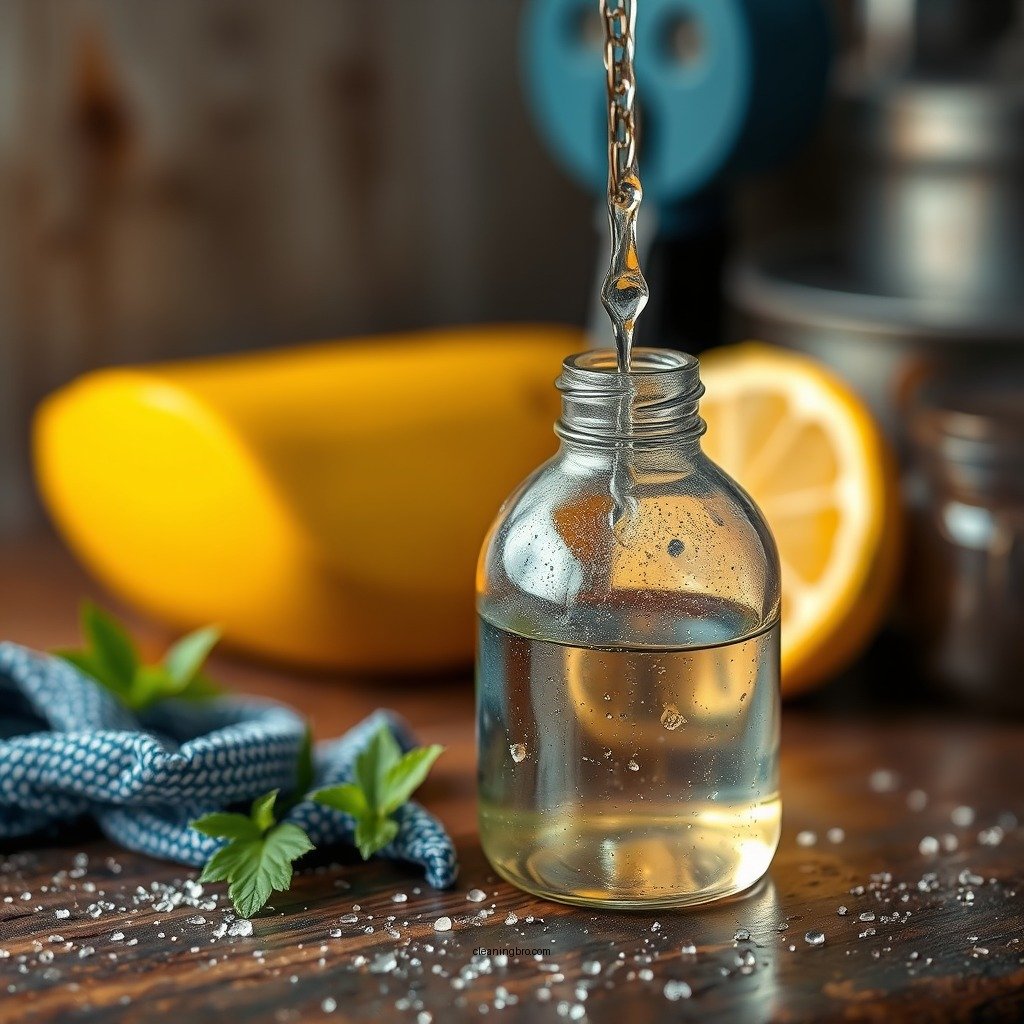
Natural cleaning methods are eco-friendly alternatives that can effectively remove oxidation from aluminum without the use of harsh chemicals. Here are some of the most effective techniques:
– Vinegar Solution: Mixing equal parts of vinegar and water creates a gentle yet effective cleaner for aluminum surfaces. The acetic acid in vinegar helps dissolve oxidation. Apply the solution using a soft cloth to avoid scratching the surface. After application, rinse thoroughly with water and dry the surface to prevent water spots.
– Baking Soda Paste: Baking soda is another powerful natural cleaner. To create a paste, combine baking soda with water until it reaches a thick consistency. Apply the paste to the oxidized areas and scrub gently with a soft cloth or sponge. The mild abrasiveness of baking soda can help lift stubborn oxidation. Rinse well and dry after cleaning.
Using these natural methods not only cleans aluminum effectively but also minimizes potential harm to the environment.
Commercial Cleaning Products
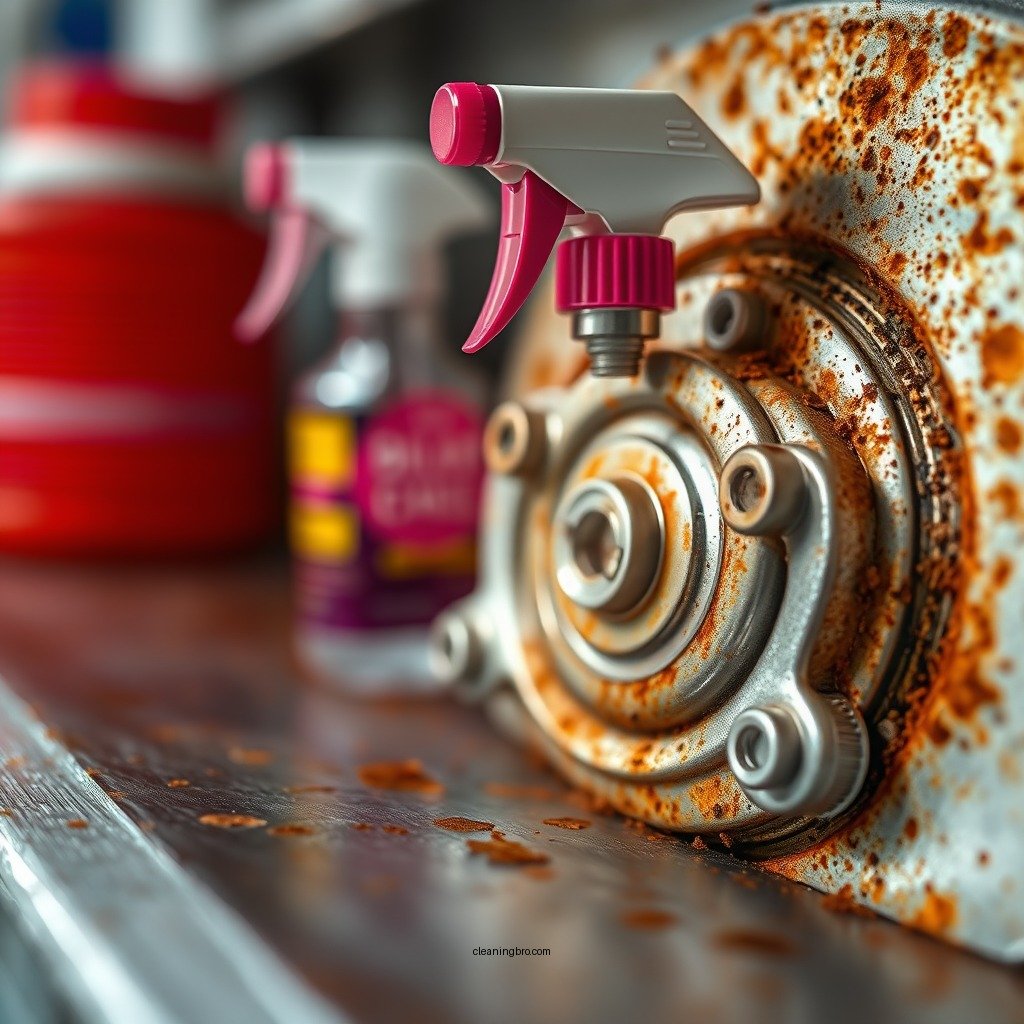
For more severe oxidation, commercial aluminum cleaners may be necessary. These products are designed specifically to tackle oxidation and often contain stronger acids or chemicals that can penetrate deeper layers of oxidation.
– Aluminum Cleaner: Specialized aluminum cleaning products are available on the market, formulated to remove oxidation efficiently. When selecting a cleaner, look for products that specify they are safe for aluminum surfaces. Brands such as Simple Green and Star brite offer effective solutions that are well-rated by users.
– Follow Instructions: It is crucial to read and follow the manufacturer’s instructions for safe and effective use. Many commercial cleaners require dilution or specific application techniques to ensure optimal results. Additionally, wearing protective gear, such as gloves and goggles, is advisable when handling these chemicals.
Protective Measures Post-Cleaning
After cleaning oxidation from aluminum surfaces, it is important to implement protective measures to prevent future oxidation. Here are some effective strategies:
– Sealants: Consider applying a protective sealant after cleaning to create a barrier against moisture and air exposure. Products designed for aluminum surfaces can help maintain the shine and prolong the lifespan of the material.
– Regular Maintenance: Establish a regular maintenance routine that includes washing aluminum surfaces with a mild soap solution. This practice helps minimize oxidation buildup and keeps the surfaces looking clean and polished.
Implementing these protective measures can significantly extend the life of your aluminum items and maintain their aesthetic appeal.
Tips for Cleaning Different Aluminum Items
Different aluminum items may require specific cleaning approaches. Here are some tailored tips for various types of aluminum surfaces:
– Outdoor Furniture: For larger surfaces like outdoor furniture, use a soft brush and a vinegar solution. This method allows for easier application and ensures that all surfaces are covered. Rinse thoroughly with clean water to avoid any residue.
– Automotive Parts: Cleaning automotive parts made of aluminum, such as wheels or engine components, may require a stronger cleaner specifically formulated for automotive use. Ensure to check compatibility with aluminum to avoid damage.
By adapting your cleaning method based on the item, you can achieve better results and maintain the integrity of the aluminum.
Safety Precautions
When cleaning aluminum, safety should be a top priority. Here are some essential precautions to take:
– Wear Gloves: Protect your hands from irritation when using cleaning solutions, especially commercial products. Gloves help prevent skin contact with potentially harmful chemicals.
– Ventilation: Ensure the area is well-ventilated, especially when using commercial products. This minimizes inhalation of fumes and ensures a safer cleaning environment.
By observing these safety measures, you can clean aluminum surfaces effectively while safeguarding your health.
Troubleshooting Common Issues
Despite best efforts, you may encounter some challenges while cleaning aluminum. Here are solutions for common issues:
– Stubborn Oxidation: In cases of heavy oxidation, repeated applications of your chosen cleaner may be necessary. Additionally, consider using a stronger cleaner designed for tough oxidation.
– Surface Scratches: If cleaning reveals scratches in the aluminum, you can use a fine polishing compound to address these blemishes. Carefully follow the instructions on the product to avoid further damage.
By troubleshooting these common issues, you can achieve a better finish and restore the beauty of your aluminum items.
Top 7 Natural Cleaners for Aluminum Oxidation Removal
| # | Cleaner | Main Ingredient | Effectiveness | Safety |
|---|---|---|---|---|
| 1 | Vinegar Solution | Vinegar & Water | High | Safe |
| 2 | Baking Soda Paste | Baking Soda & Water | Moderate | Safe |
| 3 | Lemon Juice | Lemon | High | Safe |
| 4 | Cream of Tartar | Tartaric Acid | Moderate | Safe |
| 5 | Dish Soap | Surfactants | Low | Safe |
| 6 | Hydrogen Peroxide | Hydrogen Peroxide | High | Safe |
| 7 | Aluminum Foil | Aluminum | Low | Safe |
Natural vs Commercial Cleaners for Aluminum Oxidation
| Feature | ⭐ Natural Cleaners | Commercial Cleaners | Overall Effectiveness |
|---|---|---|---|
| Cost | Low | Medium | Medium |
| Eco-friendliness | ✅ High | ❌ Low | Low |
| Effectiveness on Heavy Oxidation | Medium | High | High |
| Ease of Use | Easy | Moderate | Moderate |
| Time Required | Longer | Shorter | Shorter |
| Availability | Common | Specialized | Specialized |
| Residue After Use | None | Possible | Possible |
| Odor | Pleasant | Chemical | Chemical |
| Skin Sensitivity | Safe | Caution | Caution |
| 🏆 Best For | Eco-conscious users | Heavy oxidation removal | Versatile cleaning |
Cleaning oxidation from aluminum not only enhances its appearance but also extends its lifespan. By employing natural or commercial methods and taking preventive measures, you can keep your aluminum surfaces looking their best. Regular maintenance and understanding the right cleaning techniques will ensure that your aluminum items remain in excellent condition. Implement these strategies today, and enjoy the long-lasting beauty of your aluminum surfaces!
Frequently Asked Questions
What are the best methods to clean oxidation from aluminum?
The best methods to clean oxidation from aluminum include using white vinegar, baking soda, or commercial aluminum cleaners. For mild oxidation, a mixture of equal parts vinegar and water can be applied with a soft cloth. For heavier oxidation, a paste of baking soda and water works effectively when scrubbed gently with a non-abrasive sponge.
How do I remove white oxidation from aluminum surfaces?
To remove white oxidation from aluminum surfaces, start by washing the area with soap and water to eliminate dirt and grime. Then, apply a solution of equal parts vinegar and water, allowing it to sit for a few minutes before scrubbing with a soft cloth or sponge. For stubborn spots, consider using a specialized aluminum cleaner designed to tackle oxidation.
Why does aluminum oxidize and how can I prevent it?
Aluminum oxidizes due to exposure to moisture and oxygen in the air, forming a dull, white powdery layer known as aluminum oxide. To prevent oxidation, apply a protective coating such as wax, sealant, or a clear coat after cleaning. Additionally, storing aluminum items in a dry place and avoiding prolonged exposure to moisture can help mitigate oxidation.
Which household items can I use to clean oxidation from aluminum?
Common household items that can effectively clean oxidation from aluminum include baking soda, vinegar, lemon juice, and cream of tartar. For instance, a paste made from baking soda and water can gently scrub away oxidation, while vinegar can help dissolve it. These items are not only effective but also eco-friendly alternatives to harsh chemicals.
What are the steps to clean aluminum wheels that have oxidation?
To clean aluminum wheels with oxidation, first rinse the wheels with water to remove loose dirt. Next, apply a mixture of baking soda and water or a specialized aluminum cleaner to the oxidized areas. Use a soft-bristled brush to scrub gently, then rinse thoroughly and dry with a microfiber cloth to prevent water spots. For best results, consider sealing the wheels after cleaning to protect against future oxidation.
References
- Aluminium
https://en.wikipedia.org/wiki/Aluminium#Corrosion_and_oxidation - https://www.sciencedirect.com/topics/engineering/aluminum-oxidation
https://www.sciencedirect.com/topics/engineering/aluminum-oxidation - Aluminum | Uses, Properties, & Compounds | Britannica
https://www.britannica.com/science/aluminum - https://www.nature.com/articles/s41598-019-52297-5
https://www.nature.com/articles/s41598-019-52297-5 - https://pubmed.ncbi.nlm.nih.gov/37021972/
https://pubmed.ncbi.nlm.nih.gov/37021972/ - Google Scholar Google Scholar
https://scholar.google.com/scholar?q=how+to+clean+oxidation+from+aluminum - Google Scholar Google Scholar
https://scholar.google.com/scholar?q=aluminum+oxidation+removal - Google Scholar Google Scholar
https://scholar.google.com/scholar?q=cleaning+oxidized+aluminum - https://www.reuters.com/article/us-aluminum-corrosion-idUSKCN1VO1Y2
https://www.reuters.com/article/us-aluminum-corrosion-idUSKCN1VO1Y2 - https://www.bbc.com/future/article/20200731-how-to-get-rid-of-aluminium-oxide-on-your-tools
https://www.bbc.com/future/article/20200731-how-to-get-rid-of-aluminium-oxide-on-your-tools