
How to Clean Ski Pants: A Step-by-Step Guide
Cleaning ski pants is essential to maintain their performance and longevity. To effectively clean your ski pants, start by checking the care label for specific washing instructions, then follow a simple process using mild detergent and proper drying techniques. In this article, you’ll learn the best methods to clean your ski pants, ensuring they stay in top condition for your next adventure on the slopes.
Understanding the Fabric of Ski Pants

Ski pants are typically crafted from advanced materials designed to withstand harsh weather conditions while providing comfort and mobility. Common fabrics include water-resistant and breathable materials such as Gore-Tex, nylon, and polyester blends. These fabrics are engineered to keep you dry by repelling water while allowing moisture to escape, which is crucial for maintaining warmth and comfort during skiing activities.
Knowing the specific fabric type of your ski pants is crucial when selecting the right cleaning products and methods. For instance, Gore-Tex requires specialized care to preserve its waterproof properties, whereas standard nylon may not have the same sensitivity to detergent types. Therefore, always read the care label to avoid damaging the fabric and compromising its performance.
Preparing Your Ski Pants for Cleaning
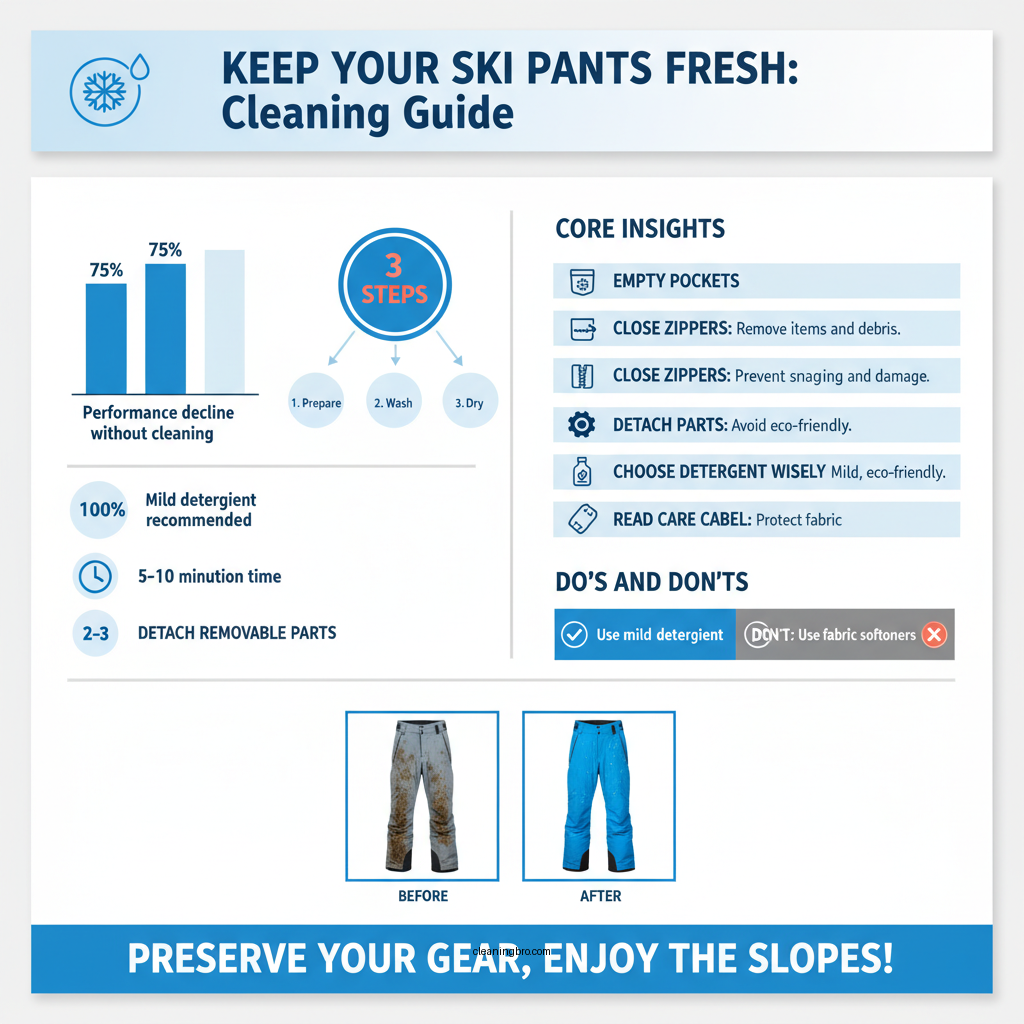
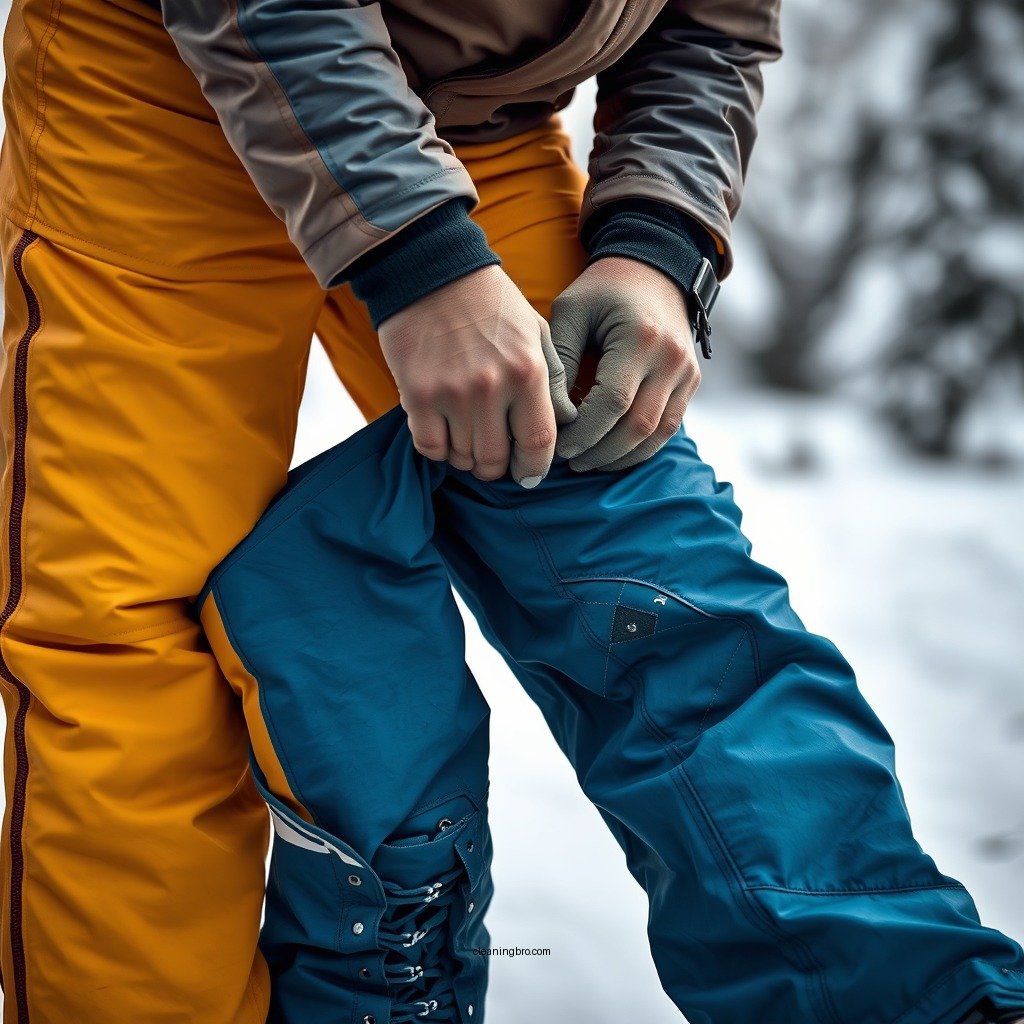
Before washing your ski pants, proper preparation is key to ensuring they come out clean and undamaged. Start by thoroughly emptying all pockets to remove any personal items, debris, or dirt that could become trapped during the wash. Next, detach any removable parts such as liners, suspenders, or insulation layers to avoid tangling or damage.
After clearing the pockets, make sure to close all zippers, Velcro straps, and snaps. This prevents them from snagging on other fabrics in the wash, reducing the risk of tears or structural damage. Once prepared, your ski pants will be ready for a thorough cleaning.
Choosing the Right Detergent
Selecting the right detergent is a critical step in the cleaning process. It’s advisable to use a mild, non-toxic detergent specifically designed for technical fabrics. These detergents are formulated to clean effectively without stripping the fabric of its essential water-repellent treatments.
Avoid using fabric softeners, bleach, and harsh chemicals, as these can damage the water-repellent coating and overall fabric integrity. Instead, look for products that are labeled as suitable for waterproof clothing or outdoor gear. A gentle, eco-friendly detergent not only protects your ski pants but is also a better choice for the environment.
Top 5 Detergents for Cleaning Ski Pants (2023)
| # | Detergent | Eco-Friendly | Suitable for Gore-Tex | Price (Approx.) |
|---|---|---|---|---|
| 1 | Nikwax Tech Wash | Yes | Yes | $12.99 |
| 2 | Grangers Performance Wash | Yes | Yes | $14.99 |
| 3 | Sport-Wash by Atsko | Yes | Yes | $9.99 |
| 4 | WeeKare Detergent | Yes | Yes | $11.49 |
| 5 | REI Co-op Nikwax | Yes | Yes | $13.99 |
Washing Your Ski Pants
When it comes to washing ski pants, the process is fairly straightforward but should be approached with care. Begin by setting your washing machine to a gentle cycle with cold water. Hot water can damage the fabric and compromise its waterproofing capabilities.
To further protect your ski pants, consider placing them in a mesh laundry bag. This additional layer reduces friction and wear during the wash cycle, helping to maintain the integrity of the material. If your ski pants have heavy dirt or stains, pre-treat those areas with a small amount of your chosen detergent before washing.
It is also advisable to avoid washing ski pants with other heavy items like towels or jeans, as this can lead to unnecessary abrasion. The goal is to allow your ski pants to move freely within the washer, ensuring they are thoroughly cleaned without excessive wear.
Drying Ski Pants Properly
Drying your ski pants correctly is vital for maintaining their performance. While air drying is often recommended to preserve the fabric’s integrity, using a tumble dryer on a low heat setting can help reactivate the water-repellent treatment, ensuring continued waterproofing.
If you opt for air drying, hang your ski pants in a well-ventilated area, away from direct sunlight. Direct sunlight can degrade the fabric over time, leading to fading and loss of performance. Ensure they are not bunched up or folded to facilitate even drying, which helps prevent mildew or odors from developing.
After drying, check for any creases or areas that may need additional care. If you used a tumble dryer, double-check that the waterproofing is still intact before heading out on the slopes.
Air Drying vs Tumble Drying Ski Pants
| Criteria | Air Drying | Tumble Drying |
|---|---|---|
| Time Required | Longer | Shorter |
| Effect on Waterproofing | None | Can Reactivate |
| Risk of Damage | Minimal | Possible |
| Convenience | Less Convenient | More Convenient |
| Space Required | More | Less |
| Best For | Preserving Integrity | Quick Turnaround |
Reapplying Water-Repellent Treatment
Over time, repeated washing can diminish the effectiveness of the Durable Water Repellent (DWR) treatment on your ski pants. To maintain their waterproof capabilities, it’s essential to periodically reapply a DWR treatment. This process helps restore the fabric’s ability to repel water, ensuring that you stay dry during your skiing adventures.
When reapplying a DWR treatment, always follow the manufacturer’s instructions carefully. Generally, you can either use a spray-on treatment or a wash-in product, depending on your preference. After applying the treatment, heat is often required to activate it, which can usually be achieved through a low tumble dry or by using an iron on a low setting (with a cloth barrier to protect the fabric).
Regularly checking the performance of your ski pants helps determine when a reapplication is necessary, ensuring you are well-prepared for your next day on the slopes.
Tips for Maintaining Clean Ski Pants
In addition to regular washing and reapplying treatments, maintaining the cleanliness of your ski pants can prolong their life and enhance their performance. Here are some practical tips:
1. Spot Clean Stains: Immediately address any spills or stains with a damp cloth. This prevents stains from setting in and becoming more challenging to remove.
2. Proper Storage: Store your ski pants in a cool, dry place when not in use. Avoid damp areas where mildew can develop, which can lead to unpleasant odors and fabric degradation.
3. Avoid Frequent Washing: Washing your ski pants too often can wear down the fabric and treatments. Instead, aim to wash them after a few uses or when they are visibly dirty.
4. Follow Care Labels: Always adhere to the specific instructions provided by the manufacturer on the care label. This will provide the best guidance for cleaning and maintaining your ski pants.
5. Use a Lint Roller: To remove lint or hair that may accumulate on the fabric, use a lint roller instead of washing, which can help maintain the fabric’s integrity.
By implementing these practices, you can ensure your ski pants remain clean and functional, ready for your next outdoor adventure.
Keeping your ski pants clean not only enhances their appearance but also helps to maintain their waterproofing and breathability. By following these steps, you can ensure your ski pants are always ready for your next adventure. Make it a habit to clean and care for them properly, and enjoy your time on the slopes!
Frequently Asked Questions
How do I properly wash my ski pants?
To properly wash your ski pants, first, check the care label for specific instructions. Generally, you should use a gentle detergent designed for technical fabrics and wash them in cold water on a delicate cycle. Avoid fabric softeners and bleach, as they can damage the waterproofing and breathability of the material.
What is the best way to remove stains from ski pants?
To remove stains from ski pants, start by treating the stain with a specialized stain remover or a mixture of mild detergent and water. Gently rub the area with a soft cloth or sponge, then rinse thoroughly before washing the entire garment according to the manufacturer’s instructions. Always test any stain removal method on a small, inconspicuous area first to avoid damage.
Why is it important to clean ski pants after each season?
Cleaning ski pants after each season is important to remove dirt, sweat, and oils that can deteriorate the fabric and affect waterproofing. Regular cleaning helps maintain the pants’ functionality and extends their lifespan, ensuring they remain effective in keeping you warm and dry during your next ski adventure.
Which products are best for cleaning ski pants?
The best products for cleaning ski pants include technical detergents specifically formulated for waterproof and breathable materials. Brands like Nikwax and Grangers offer high-quality options that clean without compromising the fabric’s integrity. Additionally, consider using a water repellent treatment after washing to restore the pants’ waterproof properties.
How can I dry my ski pants after washing them?
After washing your ski pants, it’s best to air dry them by hanging them in a well-ventilated area away from direct sunlight or heat sources. If the care label allows, you can tumble dry them on a low setting, but be cautious as high heat can damage the fabric. Ensure they are completely dry before storing them to prevent mildew and odor.
References
- https://www.rei.com/learn/expert-advice/washing-waterproof-jacket.html
https://www.rei.com/learn/expert-advice/washing-waterproof-jacket.html - https://www.patagonia.com/our-footprint/cleaning-waterproof-jackets/
https://www.patagonia.com/our-footprint/cleaning-waterproof-jackets/ - Ski | equipment | Britannica
https://www.britannica.com/topic/ski - Google Scholar Google Scholar
https://scholar.google.com/scholar?q=how+to+clean+ski+pants - Google Scholar Google Scholar
https://scholar.google.com/scholar?q=cleaning+ski+clothing - Google Scholar Google Scholar
https://scholar.google.com/scholar?q=maintenance+of+ski+gear - https://www.nytimes.com/wirecutter/blog/how-to-clean-waterproof-jackets/
https://www.nytimes.com/wirecutter/blog/how-to-clean-waterproof-jackets/ - how to clean ski pants – Search results
https://en.wikipedia.org/wiki/Special:Search?search=how+to+clean+ski+pants - https://www.ncbi.nlm.nih.gov/search/research-articles/?term=how+to+clean+ski+pants
https://www.ncbi.nlm.nih.gov/search/research-articles/?term=how+to+clean+ski+pants