How to Clean TENS Pads: A Simple Guide
Cleaning TENS pads is critical for ensuring their effectiveness and extending their lifespan. To clean them properly, you should gently wash them with mild soap and water, ensuring they are completely dry before reuse. Proper maintenance not only helps prevent skin irritation but also enhances the pads’ conductivity for optimal pain relief. In this article, you’ll learn the best methods for cleaning TENS pads, the materials you can use, and tips for keeping them in optimal condition.
Understanding TENS Pads
Transcutaneous Electrical Nerve Stimulation (TENS) pads are medical devices used to relieve pain through electrical stimulation. These pads work by sending low-voltage electrical impulses through the skin, stimulating the nerves and providing pain relief without medication. Regular cleaning of TENS pads is essential to ensure safe and effective use, as dirt, oils, and sweat can accumulate on the surface, diminishing their functionality and potentially causing skin irritation or infection.
It is also important to recognize that TENS pads have a limited lifespan, typically lasting anywhere from 10 to 30 uses, depending on the quality and care taken. Proper cleaning practices can help maximize their usage and maintain their effectiveness.
Recommended Cleaning Methods
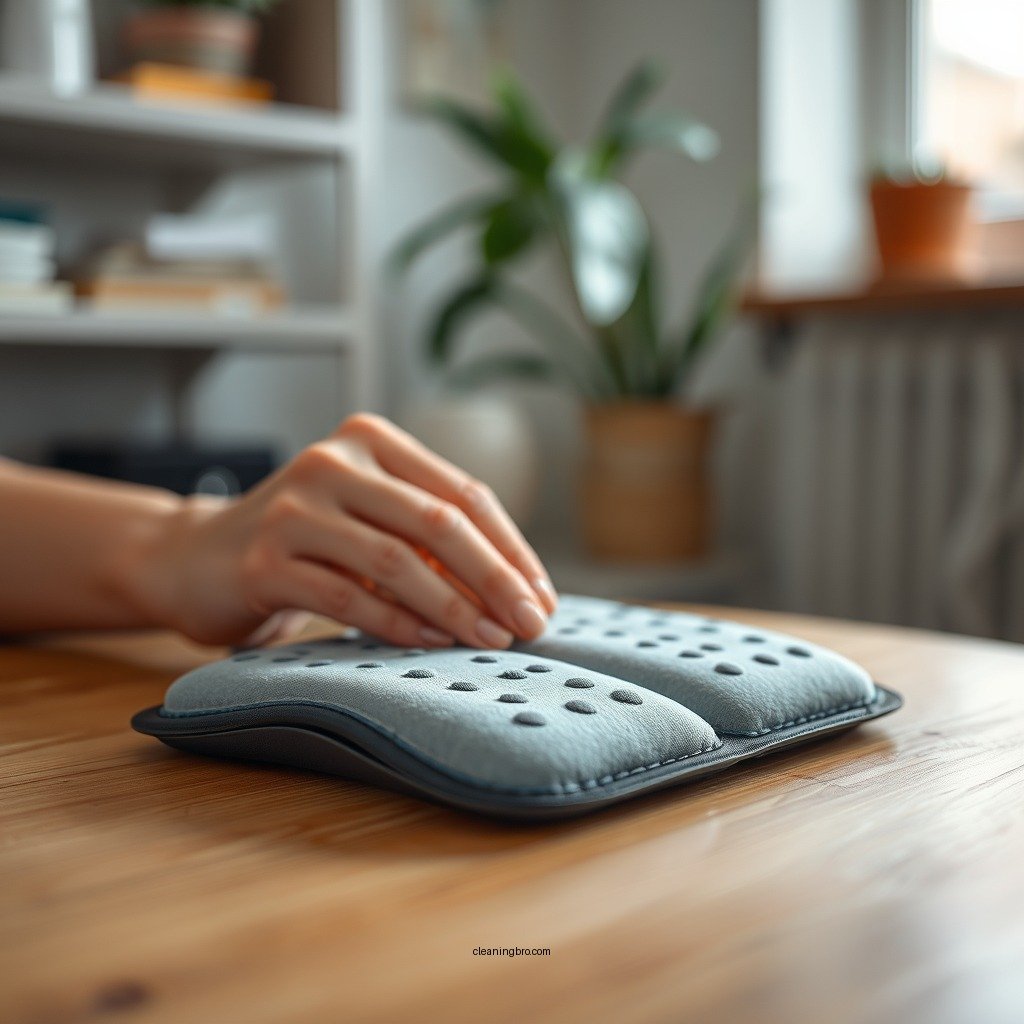
Cleaning TENS pads is a straightforward process that can be performed with minimal effort. Here are the recommended methods:
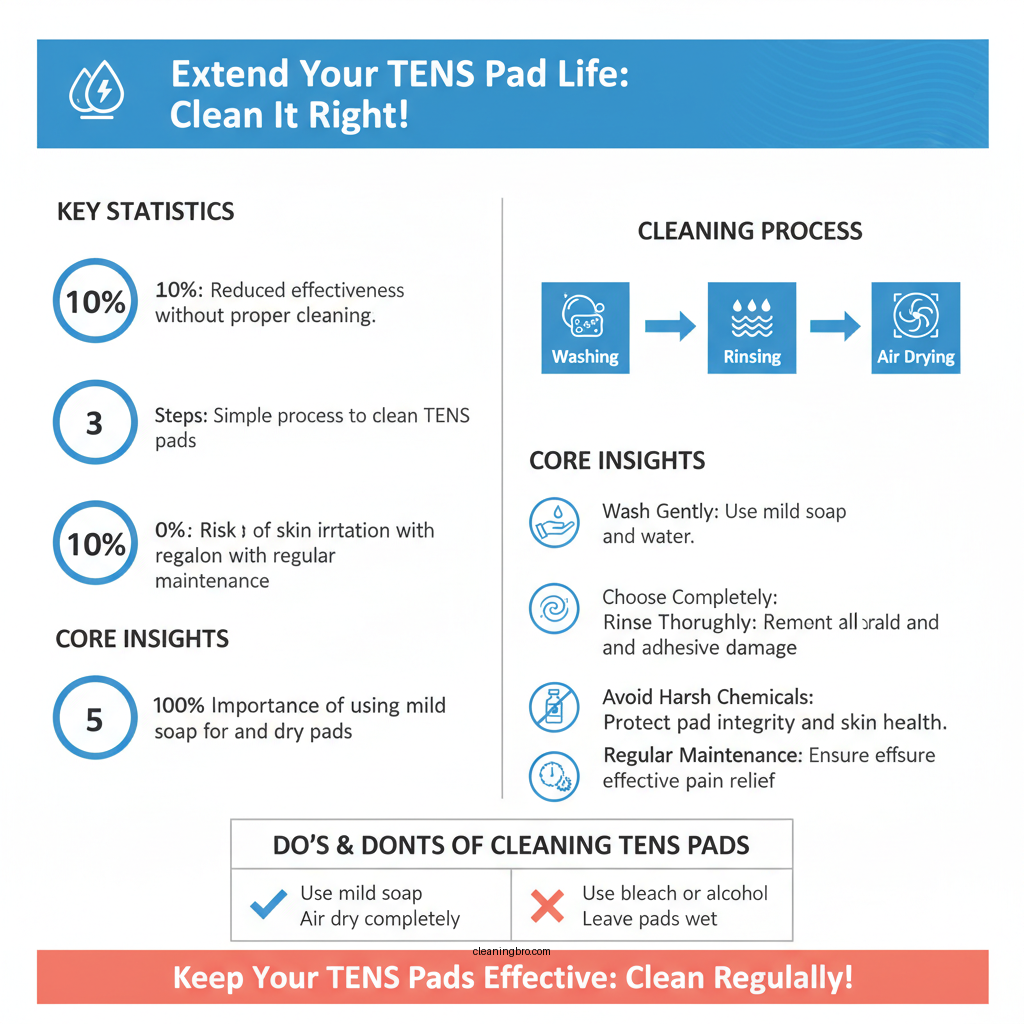
1. Gentle Washing: Start by using a damp cloth or sponge with a mixture of mild soap (preferably a non-abrasive kind) and water. Gently wipe the surface of the pads, avoiding any aggressive scrubbing that could damage the adhesive layer.
2. Rinsing: After cleaning, rinse the pads with clean water to remove any soap residue. This step is crucial as soap left on the pads can irritate the skin upon subsequent use.
3. Air Drying: Place the pads on a clean, dry surface or hang them up to air dry completely. It is essential to ensure that they are entirely dry before storage to prevent mold or degradation of the adhesive.
Following these steps will help maintain the integrity of your TENS pads and ensure they remain effective for pain relief.
Materials for Cleaning
Selecting the right materials for cleaning TENS pads is critical to their longevity. Here are some guidelines:
– Mild Soaps: Opt for gentle, non-abrasive soaps, such as baby soap or liquid hand soap, to avoid damaging the adhesive on the pads. Harsh soaps can strip the adhesive and reduce their efficacy.
– Avoid Harsh Chemicals: Steer clear of alcohol, bleach, or any strong cleaning agents that can degrade the adhesive and materials of the pads. These chemicals can lead to premature wear and an increased risk of skin irritation.
– Soft Cloths: Use soft, lint-free cloths or sponges to clean the pads. Avoid using abrasive materials like scrubbing pads, which can scratch the surface and impair functionality.
Frequency of Cleaning
To keep TENS pads in optimal condition, it is advisable to clean them after every few uses. Here are the key points regarding cleaning frequency:
– After Every Few Uses: Regular cleaning helps prevent the buildup of oils, sweat, and dirt, which can compromise the adhesive quality and conductivity of the pads.
– Assessment of Condition: Always assess the pads for any signs of wear, such as peeling or deterioration, during cleaning. If you notice significant degradation, it may be time to replace them.
– User Hygiene: Maintaining personal hygiene before using TENS pads can also help minimize the need for frequent cleaning, as clean skin reduces the transfer of oils and dirt to the pads.
Storage Tips for TENS Pads
Proper storage is as important as cleaning when it comes to extending the life of your TENS pads. Here are some tips for effective storage:
– Cool, Dry Place: Store the pads in a cool, dry environment, away from direct sunlight and heat sources, which can degrade the adhesive over time.
– Original Packaging: If possible, keep the pads in their original packaging. This not only protects them from dust and contaminants but also helps to preserve their adhesive quality.
– Ensure Dryness: Before sealing the pads in their packaging, make sure they are completely dry. Any trapped moisture can lead to mold growth and reduce their effectiveness.
Troubleshooting Common Issues
Despite regular cleaning and proper care, you may encounter some common issues with TENS pads. Here are some troubleshooting tips:
– Loss of Adhesion: If the pads lose their stickiness, try cleaning them again using the recommended methods. Sometimes, a simple wash can restore their adherence.
– Tears or Damage: Regularly inspect the pads for any tears or signs of damage. Using damaged pads can lead to ineffective therapy and skin irritations. If you notice any defects, it is best to replace them promptly.
– Conductivity Issues: If the pads are not delivering the expected relief, ensure they are clean and properly positioned on the skin. If issues persist, consider replacing the pads as they may have reached the end of their usable life.
Top 7 TENS Pad Brands by Adhesive Durability (2023)
| # | Brand | Adhesive Durability | Uses Before Replacement | Rating |
|---|---|---|---|---|
| 1 | Omron | High | 20-30 | ★★★★☆ |
| 2 | TENS 7000 | Medium | 15-25 | ★★★★☆ |
| 3 | iReliev | High | 20-30 | ★★★★★ |
| 4 | HealthmateForever | Low | 10-15 | ★★★☆☆ |
| 5 | PurePulse | Medium | 15-20 | ★★★★☆ |
| 6 | Auvon | High | 20-30 | ★★★★☆ |
| 7 | Zetronix | Medium | 15-20 | ★★☆☆☆ |
Best TENS Pads: Omron vs iReliev vs TENS 7000
| Feature | ⭐ Omron | iReliev | TENS 7000 |
|---|---|---|---|
| Price | $49.99 | $59.99 | $39.99 |
| Number of Pads | 4 | 8 | 2 |
| Rechargeable | ✅ | ✅ | ❌ |
| Intensity Levels | 10 | 20 | 10 |
| Treatment Modes | 3 | 8 | 5 |
| Warranty | 1 Year | 1 Year | 6 Months |
| User Reviews | 4.5/5 | 4.8/5 | 4.0/5 |
| Portability | ✅ Compact | ✅ Compact | ❌ Bulky |
| 🏆 Best For | Reliable, user-friendly options | Comprehensive features | Budget-friendly |
Regularly cleaning your TENS pads not only ensures their longevity but also enhances their performance. By following the simple cleaning methods outlined above and adhering to best practices for storage, you can effectively maintain your TENS pads for continued use. Remember to keep them clean, assess their condition frequently, and replace them as needed for optimal results. With proper care, your TENS pads will remain a reliable tool for pain management, contributing positively to your overall health and well-being.
Frequently Asked Questions
What is the best method to clean TENS pads?
The best method to clean TENS pads is to gently wipe them with a damp cloth or sponge using mild soap and water. Avoid using harsh chemicals or abrasive materials, as they can damage the adhesive and reduce the effectiveness of the pads. After cleaning, allow them to air dry completely before reusing.
How often should I clean my TENS pads?
You should clean your TENS pads after every 5-10 uses to maintain their adhesive quality and hygiene. Regular cleaning helps prevent skin irritation and ensures optimal conductivity during your TENS therapy sessions. If you notice any buildup or residue, it’s advisable to clean them immediately.
Why do TENS pads lose their stickiness, and how can I prevent this?
TENS pads lose their stickiness due to the accumulation of sweat, oils, and skin cells. To prevent this, always clean your skin before applying the pads and store them in a cool, dry place when not in use. Additionally, avoid touching the adhesive surface with your fingers to maintain their stickiness.
Which products should I avoid when cleaning TENS pads?
When cleaning TENS pads, avoid using alcohol-based products, strong detergents, or any abrasive cleaners, as these can break down the adhesive and reduce the pads’ lifespan. Stick to mild soap and water for the safest cleaning method that preserves the pads’ integrity.
How can I extend the lifespan of my TENS pads?
To extend the lifespan of your TENS pads, ensure they are cleaned regularly and stored properly after each use. Avoid excessive stretching or pulling on the pads, and only use them on clean, dry skin. Following these practices will help keep the pads effective for a longer period.
References
- https://www.mayoclinic.org/healthy-lifestyle/consumer-health/in-depth/electrode-pads/art-20372791
https://www.mayoclinic.org/healthy-lifestyle/consumer-health/in-depth/electrode-pads/art-20372791 - https://www.ncbi.nlm.nih.gov/pmc/articles/PMC7024033/
https://www.ncbi.nlm.nih.gov/pmc/articles/PMC7024033/ - Medical Error Reduction and Prevention – StatPearls – NCBI Bookshelf
https://www.ncbi.nlm.nih.gov/books/NBK499956/ - https://www.who.int/news-room/questions-and-answers/item/electrical-stimulation-devices
https://www.who.int/news-room/questions-and-answers/item/electrical-stimulation-devices - https://www.cdc.gov/injury/features/electrical-safety/index.html
https://www.cdc.gov/injury/features/electrical-safety/index.html - Google Scholar Google Scholar
https://scholar.google.com/scholar?q=how+to+clean+tens+pads - Google Scholar Google Scholar
https://scholar.google.com/scholar?q=TENS+unit+cleaning+methods - Google Scholar Google Scholar
https://scholar.google.com/scholar?q=proper+maintenance+of+tens+pads - https://www.sciencedirect.com/topics/medicine-and-dentistry/transcutaneous-electrical-nerve-stimulation
https://www.sciencedirect.com/topics/medicine-and-dentistry/transcutaneous-electrical-nerve-stimulation - how to clean tens pads – Search results
https://en.wikipedia.org/wiki/Special:Search?search=how+to+clean+tens+pads