How to Clean Unlacquered Brass: A Simple Guide
Cleaning unlacquered brass requires a careful approach to restore its shine without damaging the surface. In this guide, you will learn the most effective methods and materials to clean unlacquered brass items, ensuring they look their best while maintaining their integrity. With the right techniques and products, you can effectively remove tarnish and preserve the beauty of your unlacquered brass items.
Understanding Unlacquered Brass
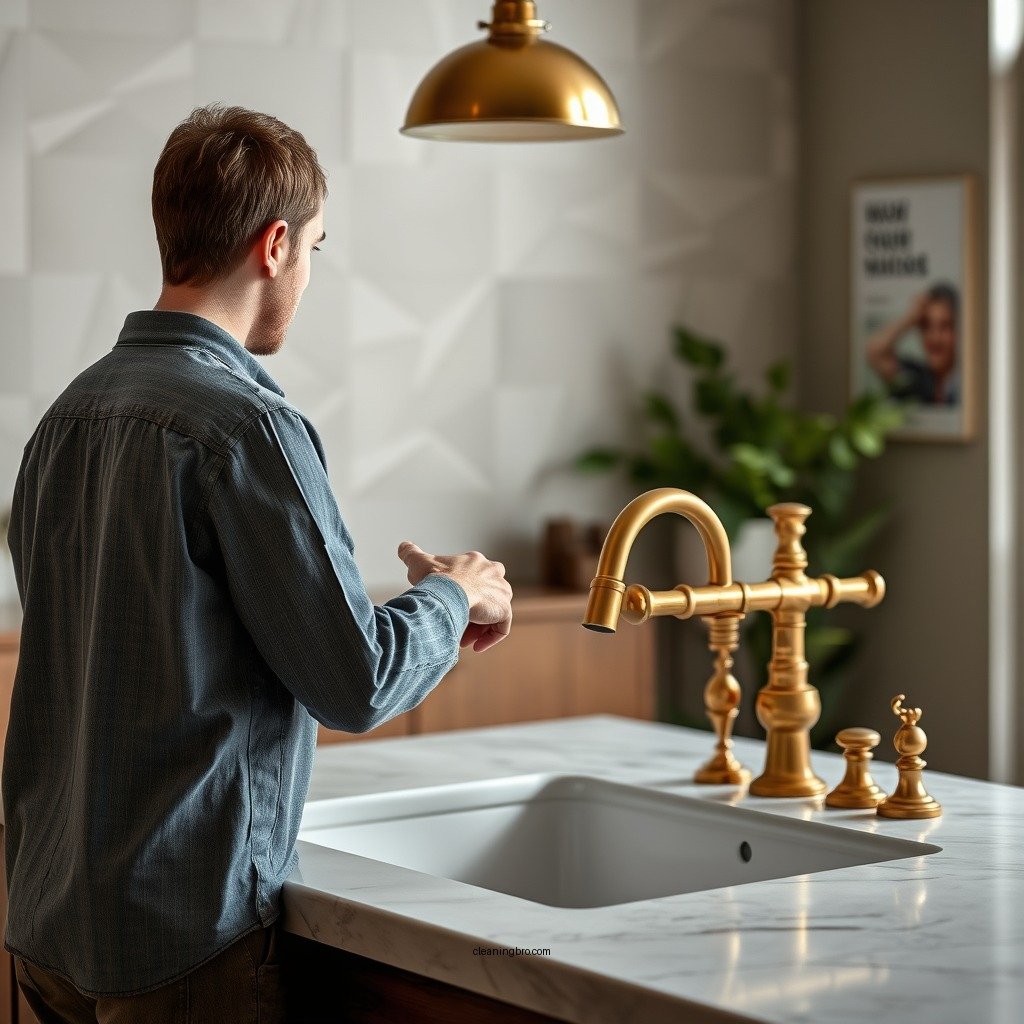
Unlacquered brass is a raw metal that tarnishes over time due to oxidation. This natural process occurs when brass, which is an alloy of copper and zinc, reacts with moisture and air, leading to a dull, greenish patina. Unlike lacquered brass, which is coated with a protective finish to prevent tarnishing, unlacquered brass requires regular maintenance to preserve its appearance. This necessity is both a challenge and an opportunity, as many enthusiasts appreciate the warm, rich tones that develop on unlacquered brass over time. However, to maintain its aesthetic appeal and functionality, cleaning and care are essential.
Regular cleaning can help prevent significant tarnish buildup and extend the life of brass items. When cleaned properly, unlacquered brass can add timeless charm to homes, fixtures, and decorative pieces. Understanding how to effectively care for and restore unlacquered brass is crucial for anyone who appreciates its unique beauty and historical significance.
Essential Cleaning Supplies
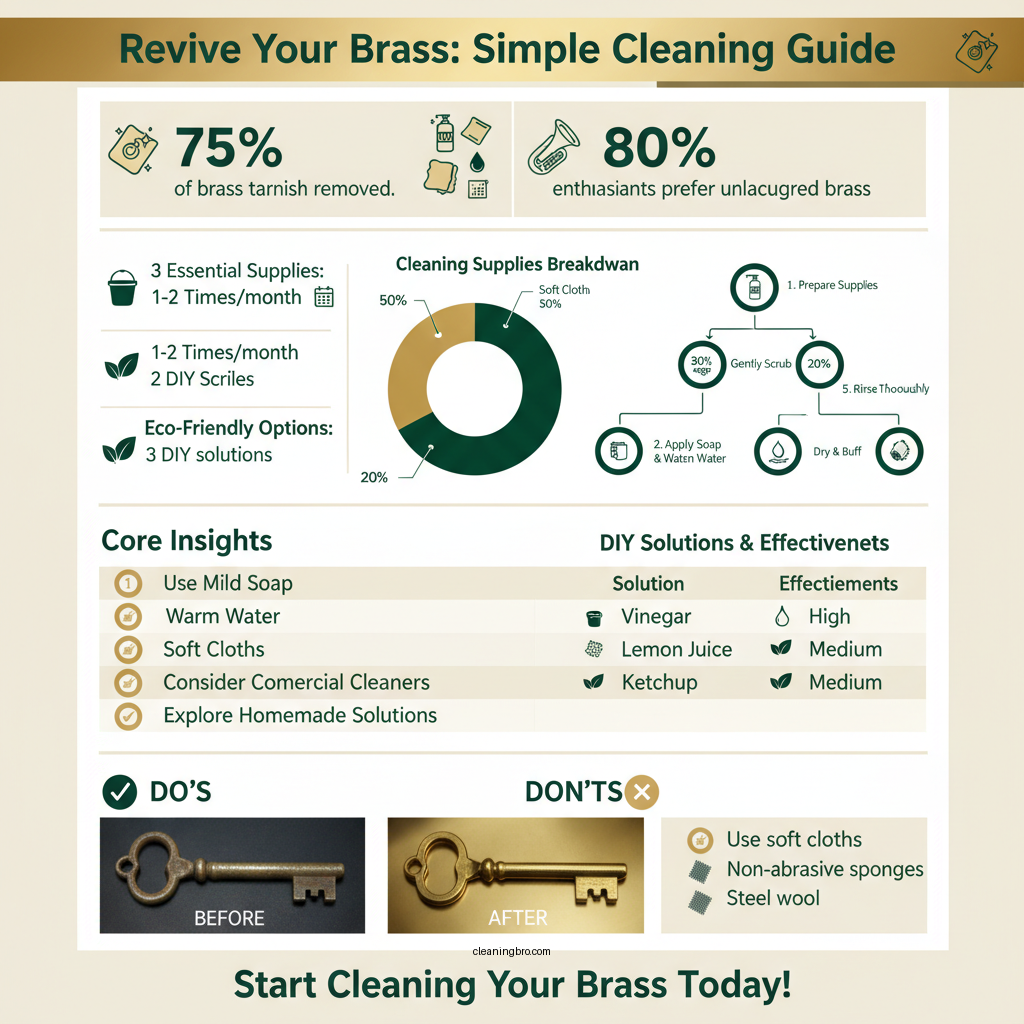
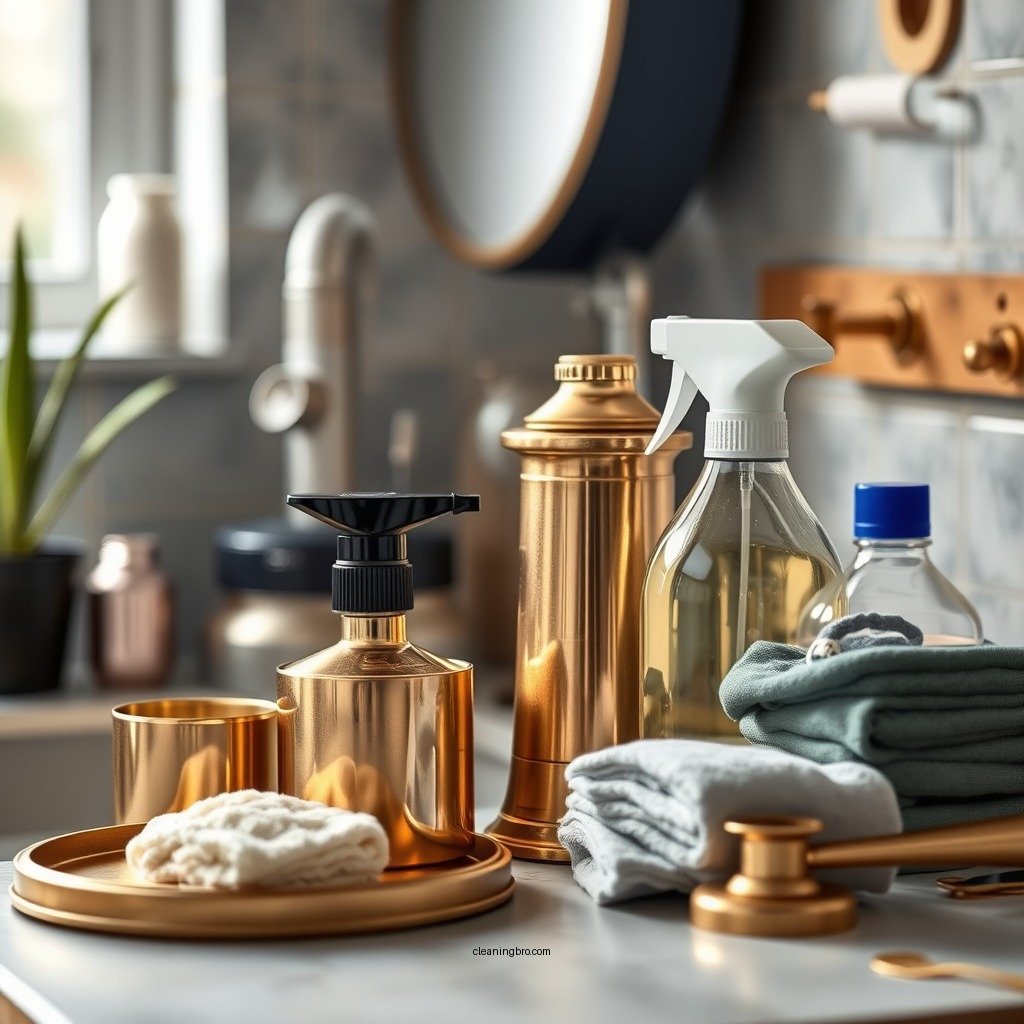
To clean unlacquered brass effectively, you will need a few essential supplies. Here is a list of recommended materials:
– Mild Soap: A gentle dish soap is ideal for basic cleaning. It removes dirt and grime without causing damage.
– Warm Water: Use warm water to help dissolve soap and tarnish more easily.
– Soft Cloths: Microfiber or cotton cloths are best for preventing scratches while cleaning.
– Non-Abrasive Sponge: A gentle sponge can help scrub away tarnish without scratching the surface.
– Brass Cleaners: Commercial brass cleaners are formulated to remove tarnish effectively. However, ensure they are suitable for unlacquered brass.
– Homemade Solutions: Mixtures of vinegar and baking soda, lemon juice and salt, or ketchup can provide effective, eco-friendly cleaning options.
Having these supplies at hand will prepare you to tackle various cleaning tasks, from routine maintenance to deeper cleaning sessions for heavily tarnished items.
Step-by-Step Cleaning Process
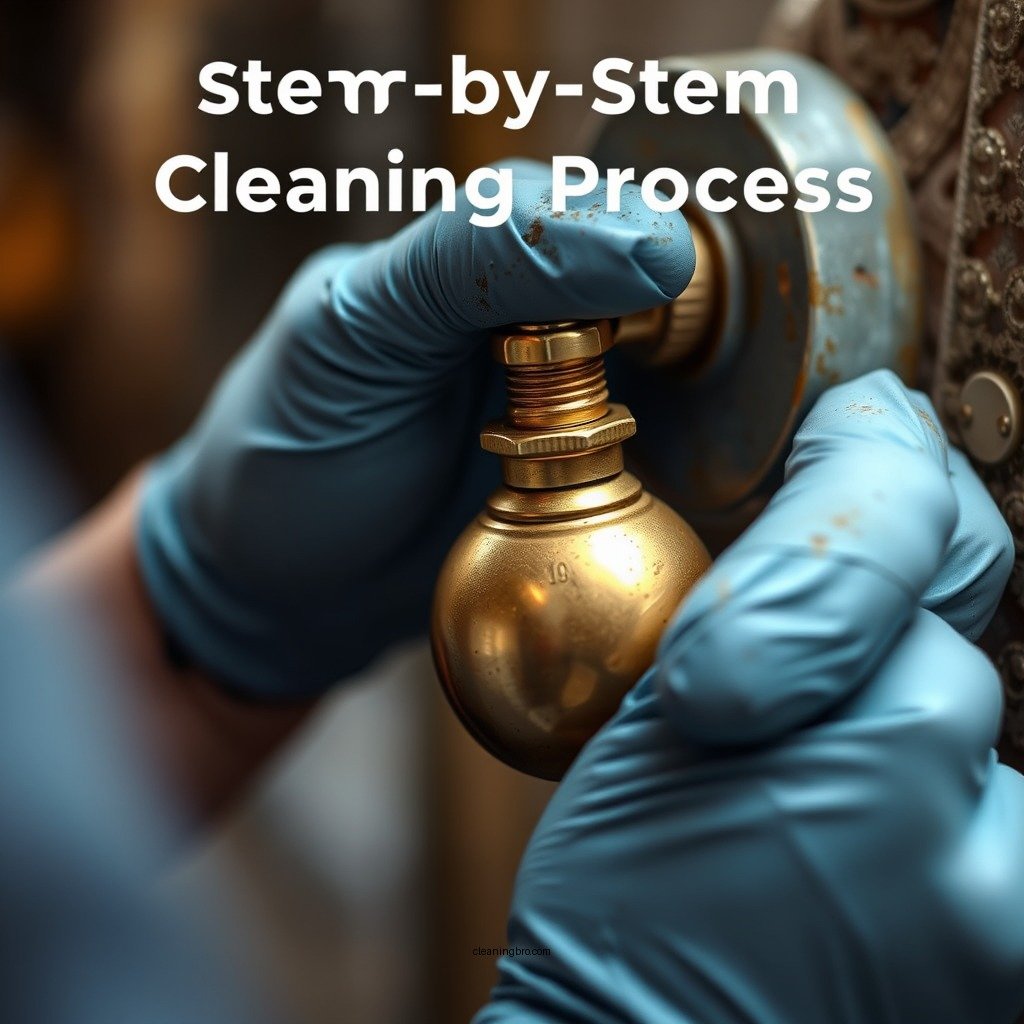
Cleaning unlacquered brass can be straightforward if you follow a systematic approach. Here’s a step-by-step guide:
1. Dusting: Begin by dusting the brass item with a soft cloth to remove any loose dirt or debris. This step is crucial as it prevents scratching during the cleaning process.
2. Preparing the Cleaning Solution: For basic cleaning, mix a few drops of mild soap with warm water in a bowl. For tougher tarnish, consider using a paste made from vinegar and baking soda or a commercial brass cleaner according to the manufacturer’s instructions.
3. Applying the Cleaner: Dip your soft cloth or non-abrasive sponge into the cleaning solution. Gently scrub the brass surface in a circular motion. Avoid using excessive force, as this can scratch the brass.
4. Rinsing: After cleaning, rinse the item thoroughly under warm running water, ensuring all cleaning solution residues are washed away. This step is vital to prevent any residue from causing further tarnish.
5. Drying: Immediately dry the brass item with a soft, lint-free cloth. This action helps prevent water spots and further tarnishing from moisture.
Following these steps will help restore the shine of your unlacquered brass items while maintaining their integrity.
Top 7 Common Household Items for Cleaning Unlacquered Brass
| # | Cleaning Item | Effectiveness | Ease of Use | Cost |
|---|---|---|---|---|
| 1 | Mild Soap | Moderate | Easy | Low |
| 2 | Vinegar & Baking Soda | High | Moderate | Low |
| 3 | Lemon Juice & Salt | High | Moderate | Low |
| 4 | Ketchup | Moderate | Easy | Low |
| 5 | Commercial Brass Cleaners | High | Easy | Moderate |
| 6 | Olive Oil | Moderate | Easy | Low |
| 7 | Toothpaste | Moderate | Easy | Low |
Rinsing and Drying Techniques
After cleaning your unlacquered brass items, proper rinsing and drying are critical steps that can significantly impact the final outcome. Rinsing ensures that all cleaning solution residues, which can cause further tarnishing or harm to the finish, are completely removed from the surface. Here’s how to do it effectively:
1. Thorough Rinsing: Use warm running water to rinse the brass item thoroughly. Make sure to direct the water flow into all crevices and corners where cleaning solution might linger.
2. Drying Immediately: It is essential to dry the brass item immediately with a soft, lint-free cloth to prevent water spots. Water can leave marks on the surface, which may lead to additional cleaning needs later.
3. Final Buffing: After drying, you can give the brass a final buff with a clean, dry cloth to enhance the shine. This step not only aids in achieving a polished look but also helps in removing any remaining moisture.
Following these techniques will ensure your unlacquered brass items maintain their aesthetic appeal and resist tarnishing for longer periods.
Tips for Maintaining Clean Brass
Maintaining the beauty of unlacquered brass goes beyond just cleaning; it involves regular care to prevent tarnish buildup. Here are some effective tips for long-term maintenance:
– Regular Dusting: Make it a habit to dust your brass items regularly with a soft cloth. This simple act can significantly minimize tarnish buildup and maintain their luster.
– Avoid Moisture: Keep brass items in dry areas, as moisture can accelerate tarnishing. If possible, store brass items in a climate-controlled environment.
– Apply a Protective Coating: After cleaning, consider applying a thin layer of wax to the brass surface. This can create a barrier against moisture and air, thus slowing down the tarnishing process.
– Limit Direct Contact: Try to minimize direct hand contact with brass items, as oils and dirt from your skin can contribute to tarnish. Use clean gloves when handling valuable pieces.
– Use a Brass Polish: For pieces that are regularly used or exposed to the elements, applying a brass polish every few months can help keep them looking their best.
Implementing these tips will not only keep your unlacquered brass items shining but also protect them from the elements that lead to tarnish.
Troubleshooting Common Issues
Despite the best cleaning efforts, some issues may arise with unlacquered brass items. Here are common problems and their solutions:
– Persistent Tarnish: If tarnish remains after cleaning, revisit your cleaning solution. A stronger solution, such as a commercial brass cleaner, may be necessary. Additionally, allow the cleaner to sit for a few minutes to penetrate deeper tarnish before scrubbing again.
– Stubborn Stains: For tough stains, consider using a paste made from baking soda and water. Apply the paste to the stained area, let it sit for a few minutes, and then scrub gently with a non-abrasive sponge.
– Scratches: If scratches occur during cleaning, assess the depth of the scratches. Light scratches can often be buffed out with a polishing compound. For deeper scratches, professional refinishing may be required.
– Discoloration: Sometimes, brass may develop an uneven discoloration. This could be due to the presence of moisture or residues from cleaning products. If this happens, consider re-cleaning the item with a suitable brass cleaner.
By being aware of these common issues and having solutions at hand, you can ensure your unlacquered brass items remain in excellent condition.
When to Seek Professional Help
While many brass cleaning tasks can be accomplished at home, certain situations warrant the expertise of a professional. Here are scenarios when it’s best to consult a professional conservator:
– Intricate or Valuable Pieces: For items of significant value, such as antiques or family heirlooms, seeking professional help can prevent accidental damage during cleaning.
– Extensive Tarnish or Damage: If an unlacquered brass item is heavily tarnished or has sustained damage, a professional can assess the extent of the tarnish and recommend the best cleaning method to restore its original beauty.
– Restoration Needs: Items that require intricate restoration or refinishing should be handled by professionals who specialize in brass and metal restoration.
– Uncertainty About Techniques: If you are unsure about how to clean a specific item or the best cleaning products to use, it’s wise to consult with an expert to avoid potential damage.
Recognizing when to seek professional assistance can save you time, money, and prevent damage to your treasured brass items.
Maintaining unlacquered brass can be straightforward with the right techniques and tools. Regular cleaning, along with proper care, will keep your brass items looking beautiful. By following the steps outlined in this guide and implementing the tips provided, you can enjoy the gleam of your unlacquered brass for years to come. Start your journey towards beautifully maintained brass items today!
Frequently Asked Questions
How do I safely clean unlacquered brass without damaging it?
To clean unlacquered brass safely, start by mixing a solution of warm water and mild dish soap. Use a soft cloth or sponge to gently scrub the surface, then rinse with clean water and dry immediately to prevent water spots. Avoid abrasive cleaners or scrubbers that can scratch the metal.
What homemade solutions can I use to clean unlacquered brass?
One effective homemade solution for cleaning unlacquered brass is a mixture of equal parts vinegar and flour, which can help remove tarnish. Apply the paste to the brass, let it sit for about 30 minutes, then rinse off with warm water and dry thoroughly. Another option is lemon juice mixed with baking soda for a natural polish.
Why does unlacquered brass tarnish, and how can I prevent it?
Unlacquered brass tarnishes due to exposure to air and moisture, which causes oxidation. To prevent tarnishing, consider applying a thin layer of protective wax or oil, and regularly wipe the brass with a soft cloth to remove fingerprints and moisture. Keeping unlacquered brass in a dry area can also help reduce tarnishing.
What is the best commercial cleaner for unlacquered brass?
The best commercial cleaner for unlacquered brass is one specifically formulated for brass restoration, such as a brass polish that contains mild abrasives. Look for products that are non-toxic and free from harsh chemicals, as these will be safer for both the metal and the environment. Always follow the manufacturer’s instructions for optimal results.
Which tools are essential for cleaning unlacquered brass effectively?
Essential tools for cleaning unlacquered brass include soft cloths or microfiber towels, a non-abrasive sponge, and a soft-bristled toothbrush for intricate areas. Additionally, having a small container for your cleaning solution and protective gloves can enhance your cleaning experience while ensuring safety and effectiveness.
References
- Brass
https://en.wikipedia.org/wiki/Brass - https://www.nature.com/articles/s41598-021-02238-z
https://www.nature.com/articles/s41598-021-02238-z - https://pubmed.ncbi.nlm.nih.gov/30808956/
https://pubmed.ncbi.nlm.nih.gov/30808956/ - https://www.sciencedirect.com/topics/materials-science/brass
https://www.sciencedirect.com/topics/materials-science/brass - CDC – NIOSH Pocket Guide to Chemical Hazards – Acetic anhydride
https://www.cdc.gov/niosh/npg/npgd0003.html - Google Scholar Google Scholar
https://scholar.google.com/scholar?q=how+to+clean+unlacquered+brass - Google Scholar Google Scholar
https://scholar.google.com/scholar?q=brass+cleaning+methods - Google Scholar Google Scholar
https://scholar.google.com/scholar?q=unlacquered+brass+maintenance - https://www.britannica.com/science/brass
https://www.britannica.com/science/brass - https://www.nytimes.com/2020/10/20/realestate/cleaning-and-maintaining-brass.html
https://www.nytimes.com/2020/10/20/realestate/cleaning-and-maintaining-brass.html