How to Clean Up Diatomaceous Earth Effectively
Understanding Diatomaceous Earth
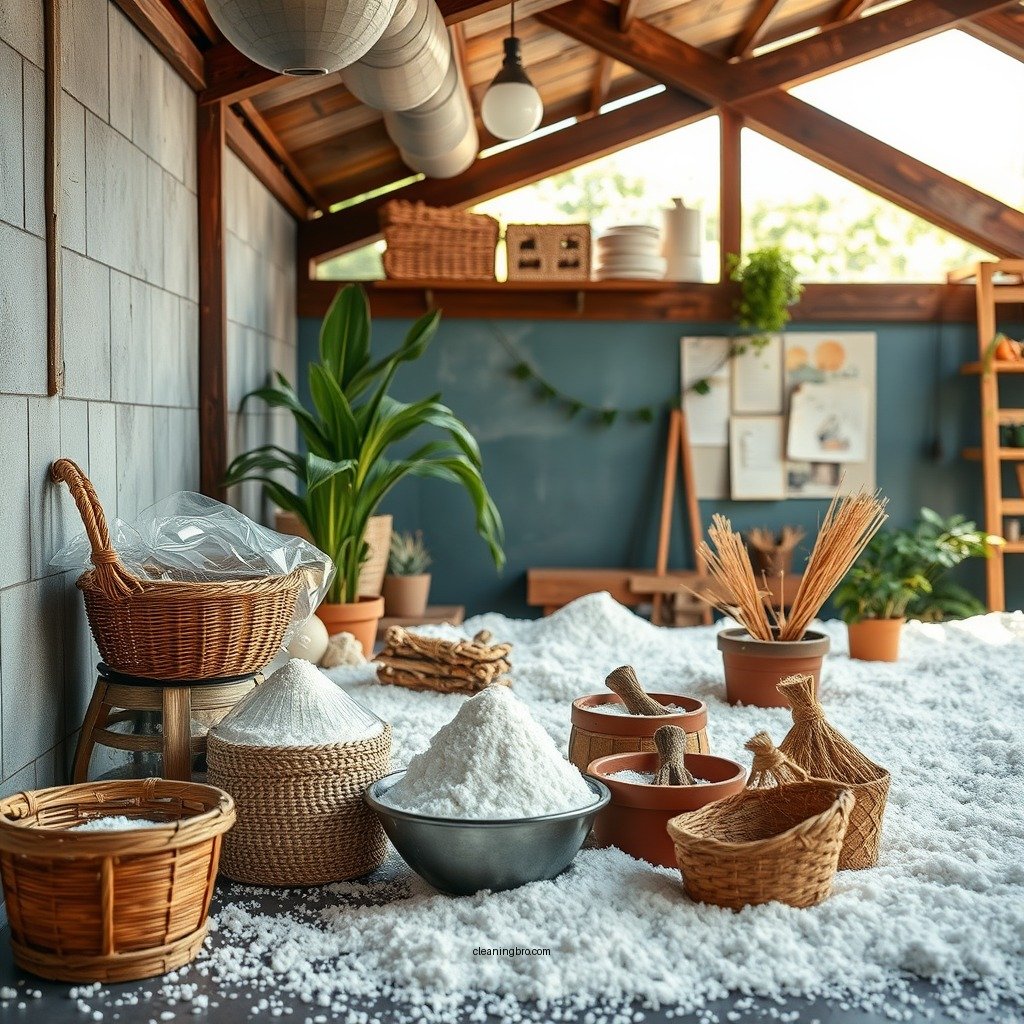
Diatomaceous earth is a fine, powdery substance made from the fossilized remains of tiny aquatic organisms called diatoms. It is widely used in gardening and pest control due to its effectiveness in eliminating pests while being safe for humans and pets. The abrasive nature of DE allows it to puncture the exoskeletons of insects, leading to dehydration and death. However, this same property can make cleanup challenging, as the powder can easily spread and create a mess if not handled correctly. Understanding how to clean up DE is essential for maintaining cleanliness in areas where it is applied.
Safety Precautions
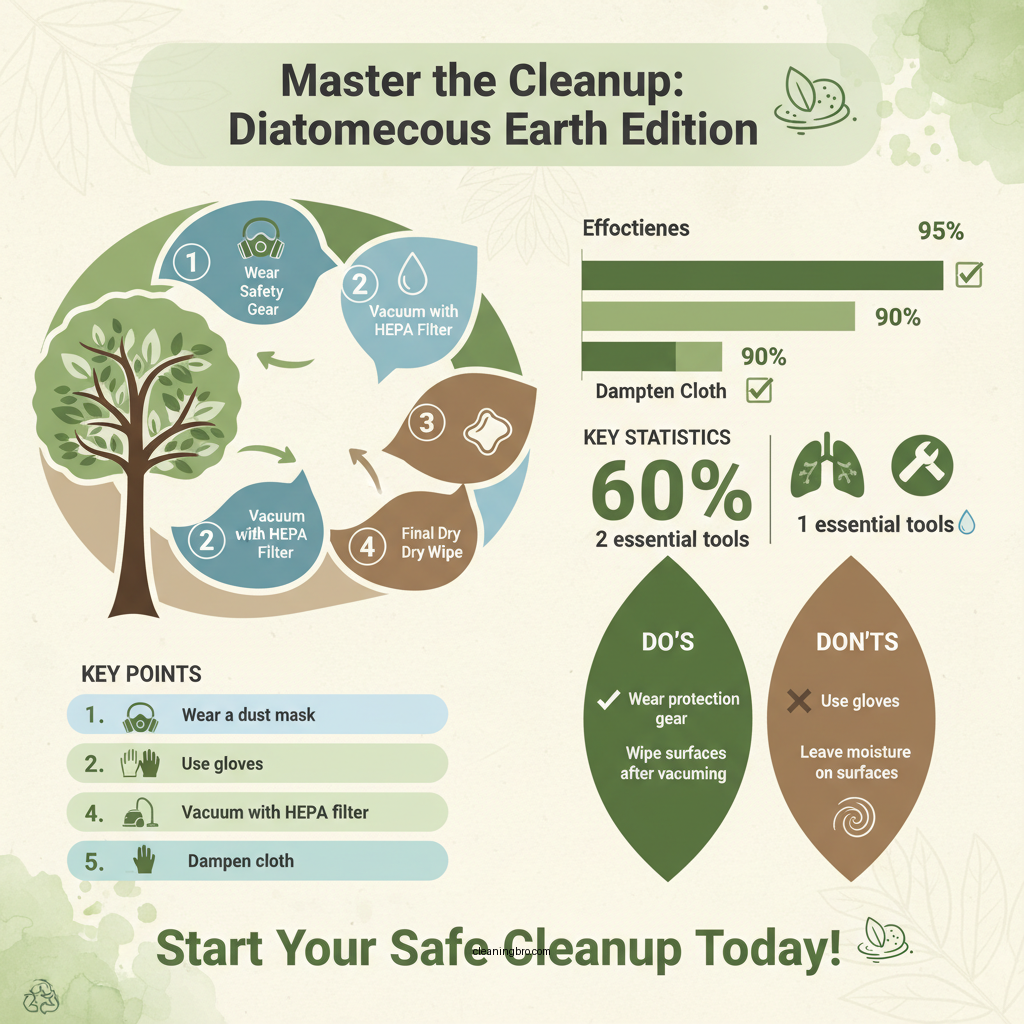

Before undertaking the cleanup of diatomaceous earth, it is crucial to take specific safety precautions to ensure your health and well-being.
– Wear a Dust Mask: DE consists of fine particles that can become airborne during cleanup. Inhaling these particles may irritate the respiratory system, so wearing a dust mask can protect your lungs from potential harm.
– Use Gloves: Prolonged contact with DE may irritate the skin. Wearing gloves will help shield your hands from any irritation and keep your skin protected during the cleaning process.
Taking these precautions will not only ensure your safety but also make the cleanup process more effective, allowing you to work without distractions.
Cleaning Up Hard Surfaces

Cleaning diatomaceous earth from hard surfaces such as tile, hardwood, or concrete can be done efficiently with the following steps:
1. Vacuuming: Begin by using a vacuum cleaner equipped with a HEPA filter. This type of vacuum is essential as it effectively captures fine particles without releasing them back into the air. Vacuum the affected area thoroughly to remove the majority of the DE.
2. Damp Cloth Method: For any stubborn residues that remain after vacuuming, dampen a microfiber cloth with water and wipe down the surfaces. The moisture will help gather any remaining particles, making it easier to clean.
3. Final Dry Wipe: After damp cleaning, you can do a final wipe with a dry cloth to ensure no moisture remains, which can prevent slipping and help maintain a clean surface.
These methods will help ensure a thorough cleanup of diatomaceous earth from hard surfaces, allowing you to maintain a safe and tidy environment.
Diatomaceous Earth Cleaning Methods: Effectiveness Comparison
| # | Method | Effectiveness | Time Required | Safety |
|---|---|---|---|---|
| 1 | Vacuuming | High | 5 mins | Safe |
| 2 | Damp Cloth | Medium | 10 mins | Safe |
| 3 | Dry Wipe | Low | 3 mins | Safe |
Cleaning Up Soft Surfaces
Cleaning diatomaceous earth from soft surfaces like carpets or upholstery requires a more delicate approach to avoid damaging the materials:
1. Vacuum First: Similar to hard surfaces, begin by using a vacuum cleaner with a HEPA filter to lift the majority of the DE from carpets and upholstery. Ensure that you go over the area multiple times to capture as much powder as possible.
2. Brushing Technique: For carpets, using a soft-bristled brush after vacuuming can help lift any remaining particles embedded in the fibers. Gently brush in one direction and then in another to ensure a thorough clean.
3. Damp Cloth Method: If any DE remains, lightly dampen a cloth and gently blot the area. This can help lift the powder without causing damage to the fabric. Make sure not to soak the material, as excess moisture can lead to mildew or staining.
4. Allow to Dry: After using a damp cloth, allow the area to air dry completely to prevent any moisture-related issues.
These steps will help you effectively manage diatomaceous earth from soft surfaces, ensuring that your carpets and upholstery remain in good condition.
Vacuum vs. Brush vs. Damp Cloth: Soft Surface Cleanup Comparison
| Feature | ⭐ Vacuum | Brush | Damp Cloth |
|---|---|---|---|
| Effectiveness | ✅ High | ✅ Medium | ✅ Medium |
| Speed | ✅ Fast | ✅ Moderate | ❌ Slow |
| Damage Risk | ✅ Low | ❌ Moderate | ❌ Low |
| Residual Powder | ❌ Low | ✅ Medium | ❌ High |
| Convenience | ✅ Easy | ❌ Moderate | ❌ Low |
| Initial Setup | No setup | No setup | No setup |
| Cost | N/A | Low | N/A |
| Effect on Fabric | N/A | N/A | ✅ Safe |
| 🏆 Best For | Quick Cleanup | Thorough Cleaning | Gentle Approach |
Preventing Future Messes
Preventing future messes when using diatomaceous earth can save time and effort during cleanup. Here are some strategies:
– Controlled Application: When applying DE, use a targeted approach to minimize spills. Utilize applicators or sprinkle containers that allow for precise distribution rather than pouring directly from the bag.
– Sealed Storage: Store diatomaceous earth in airtight containers. This not only prevents spills but also keeps the product dry and effective. Consider labeling the containers clearly to avoid confusion.
– Designated Application Areas: If possible, choose specific areas for DE application, such as garden beds or pest-prone areas, to contain the product and limit the potential for messes in living spaces.
Implementing these preventive measures will help maintain a cleaner environment when using diatomaceous earth.
Proper Disposal of Diatomaceous Earth
Disposing of used diatomaceous earth must be done responsibly to ensure environmental safety. Here are some recommended disposal methods:
– Composting: Used DE can be safely added to compost piles or directly to garden soil. It is safe for the environment and can provide beneficial minerals to the soil, enhancing its quality.
– Vacuum Bag Disposal: When using a vacuum cleaner to remove DE, ensure that any vacuum bags or filters that contain DE are disposed of properly. This prevents any chance of reintroducing DE particles back into your living space.
By following these disposal methods, you can ensure that your cleanup is environmentally friendly and effective.
Maintenance Tips
To maintain an efficient and clean environment after using diatomaceous earth, consider these maintenance tips:
– Regular Checks: Periodically inspect areas where DE is applied to ensure it remains effective. If you notice a buildup or need to reapply, do so thoughtfully to avoid creating a mess.
– Keep Cleaning Supplies Handy: Have cleaning supplies readily available, especially in areas where DE is used frequently. This allows for quick cleanup after application and minimizes the potential for spills to accumulate.
– Educate Others: If you share your space with others, make sure they understand the importance of proper DE usage and cleanup. Sharing knowledge can help maintain cleanliness and efficiency.
By adopting these maintenance tips, you can ensure that your environment remains clean and pest-free while effectively using diatomaceous earth.
Cleaning up diatomaceous earth doesn’t have to be a daunting task. By following the outlined steps and recommendations, you can maintain a clean and safe environment after using this effective pest control method. Whether you’re managing pest issues in your home or garden, a strategic approach to cleanup will allow you to handle diatomaceous earth with ease and confidence.
Frequently Asked Questions
What is the best method to clean up diatomaceous earth from floors?
The best method to clean up diatomaceous earth from floors is to use a vacuum cleaner with a HEPA filter. This helps capture the fine particles without scattering them back into the air. Alternatively, you can use a damp cloth or mop to wipe the area, ensuring that you pick up the dust without creating a mess.
How do you safely remove diatomaceous earth from carpets?
To safely remove diatomaceous earth from carpets, start by vacuuming the area using a vacuum with a strong suction and a HEPA filter. If there are still traces left, lightly spray the area with water to moisten the diatomaceous earth, making it easier to vacuum up. Avoid rubbing the carpet, as this can push the powder deeper into the fibers.
Why is it important to clean diatomaceous earth properly after use?
Cleaning diatomaceous earth properly is important to prevent respiratory issues and avoid skin irritation, as the fine dust can be harmful when inhaled. Additionally, leaving it uncleaned can lead to its reactivation, which may attract pests again. Thorough cleaning ensures a safe environment and maximizes the effectiveness of its use in pest control.
Which tools are most effective for cleaning diatomaceous earth from hard surfaces?
The most effective tools for cleaning diatomaceous earth from hard surfaces include a vacuum cleaner with a soft brush attachment and a damp microfiber cloth. The vacuum removes the dust efficiently, while the damp cloth helps to pick up any remaining residue without spreading it around. Using a broom and dustpan can also work, but it may not capture all the fine particles.
What precautions should you take when cleaning diatomaceous earth?
When cleaning diatomaceous earth, it’s essential to wear a mask and gloves to protect your respiratory system and skin from irritation. Ensure the area is well-ventilated to minimize inhalation of dust particles. Additionally, avoid sweeping dry powder as this can create airborne dust; instead, opt for vacuuming or damp cleaning methods.
References
- Diatomaceous earth
https://en.wikipedia.org/wiki/Diatomaceous_earth - https://www.ncbi.nlm.nih.gov/pmc/articles/PMC7311596/
https://www.ncbi.nlm.nih.gov/pmc/articles/PMC7311596/ - https://www.cdc.gov/niosh/docs/2018-129/pdfs/2018-129.pdf
https://www.cdc.gov/niosh/docs/2018-129/pdfs/2018-129.pdf - https://pubmed.ncbi.nlm.nih.gov/29874731/
https://pubmed.ncbi.nlm.nih.gov/29874731/ - https://www.sciencedirect.com/science/article/pii/S0959652617301338
https://www.sciencedirect.com/science/article/pii/S0959652617301338 - Diatomaceous earth | Uses, Benefits & Safety | Britannica
https://www.britannica.com/science/diatomaceous-earth - https://www.nature.com/articles/s41598-020-80002-5
https://www.nature.com/articles/s41598-020-80002-5 - Google Scholar Google Scholar
https://scholar.google.com/scholar?q=how+to+clean+up+diatomaceous+earth - Google Scholar Google Scholar
https://scholar.google.com/scholar?q=diatomaceous+earth+cleanup+methods - Google Scholar Google Scholar
https://scholar.google.com/scholar?q=health+risks+diatomaceous+earth+cleanup