
Cleaning your gun regularly is crucial for maintaining its performance and longevity. Generally, it’s recommended to clean your firearm after every use, but factors such as storage conditions and frequency of use can influence how often you should clean it. In this article, we’ll explore the best practices for gun cleaning frequency, helping you ensure your firearm remains in top condition.



Understanding the Importance of Gun Cleaning

Moreover, cleaning your firearm reduces wear and tear on its components. Over time, the materials within your gun can corrode or degrade due to exposure to elements and firing residues. By routinely cleaning your firearm, you help extend its lifespan, potentially saving on costly repairs or replacements in the long run.

How Often Should You Clean After Shooting?


The general consensus among firearm experts is that you should clean your gun immediately after each use. This practice is particularly important for shooters who fire multiple rounds in a session, as the buildup of powder residue, lead, and other contaminants can lead to corrosion or rust if left unattended.
For those who shoot less frequently, a thorough cleaning every few months can suffice, though it is advisable to perform a basic inspection and wipe down the firearm more regularly. This ensures that any potential issues are identified before they develop into more significant problems.
Factors That Affect Cleaning Frequency

Several factors can influence how often you should clean your firearm:
– Environmental Conditions: Humidity, temperature, and exposure to elements can significantly impact the rate at which your gun might corrode or accumulate dirt. A firearm stored in a humid environment is more susceptible to rust, necessitating more frequent cleaning.
– Type of Ammunition Used: Different types of ammunition can leave varying amounts of residue. For example, lead bullets tend to leave more lead buildup in the barrel, while certain types of smokeless powder produce less fouling. Understanding the ammunition you use can help you determine the appropriate cleaning schedule.
– Frequency of Use: Naturally, the more you use your firearm, the more frequently it will need cleaning. Regular shooters should adopt a stricter cleaning regimen compared to those who only shoot occasionally.
Top 7 Gun Cleaning Supplies (2024)
| # | Product | Type | Price | Rating |
|---|---|---|---|---|
| 1 | Hoppe’s No. 9 Gun Cleaner | Solvent | $10.99 | ★★★★☆ |
| 2 | M-Pro 7 Gun Cleaner | Liquid | $14.95 | ★★★★☆ |
| 3 | Break Free CLP | Cleaner/Lubricant | $8.99 | ★★★★★ |
| 4 | Birchwood Casey Gun Scrubber | Aerosol | $12.49 | ★★★★☆ |
| 5 | Otis Technology Cleaning Kit | Full Kit | $39.99 | ★★★★★ |
| 6 | Hoppes Elite Gun Oil | Lubricant | $11.99 | ★★★★☆ |
| 7 | Remington Gun Oil | Lubricant | $9.99 | ★★★☆☆ |
Recommended Cleaning Schedule for Different Scenarios
Different shooting scenarios necessitate varying cleaning schedules:
– For Competitive Shooters or Regular Practice: Cleaning after each session is critical. Regular exposure to intense use and high round counts increases the likelihood of residue buildup and potential malfunctions.
– For Occasional Hunters: Clean your firearm after every hunt. While you may not shoot as frequently, environmental exposure can lead to dirt and moisture accumulation.
– For Casual Shooters: If you shoot once every few months, aim for a thorough cleaning session after every outing. Additionally, a cursory inspection and wipe down can be beneficial in between shoots.
Tools and Materials Needed for Gun Cleaning
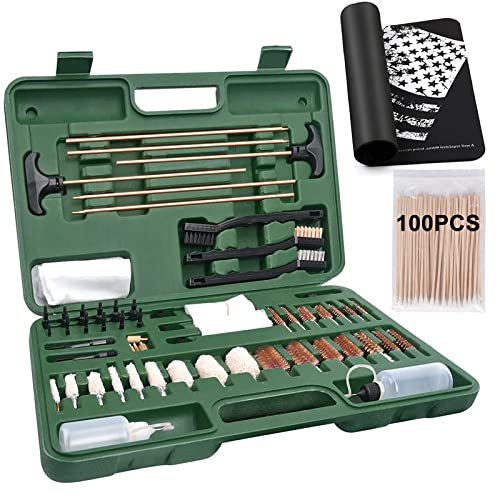
A successful gun cleaning session requires an arsenal of appropriate tools and materials:
– Cleaning Rods: Essential for pushing patches and brushes through the barrel.
– Brushes: Different types (copper, nylon, brass) for various tasks, including removing fouling and debris.
– Patches: Cotton or synthetic patches to absorb and remove dirt.
– Solvent: A high-quality gun solvent to break down carbon, lead, and other residues.
– Lubricant: Critical for ensuring smooth operation of moving parts after cleaning.
Proper storage of these cleaning supplies is equally important. Keep them organized and away from direct sunlight or moisture to maintain their effectiveness.
Gun Cleaning Tools: Otis Technology vs. Tipton vs. Pro-Shot
| Feature | ⭐ Otis Technology | Tipton | Pro-Shot |
|---|---|---|---|
| Type | Cleaning Kit | Cleaning Rod | Cleaning Kit |
| Price | $39.99 | $19.99 | $35.00 |
| Portable | ✅ | ✅ | ❌ |
| Includes Solvent | ✅ | ❌ | ✅ |
| Brushes Included | ✅ | ✅ | ✅ |
| Lifetime Warranty | ✅ | ❌ | ✅ |
| Cleaning Rod Length | 30 inches | 36 inches | 30 inches |
| User Reviews | ★★★★☆ | ★★★☆☆ | ★★★★☆ |
| Best For | Versatile cleaning | Budget-friendly | Comprehensive solution |
Tips for Effective Gun Cleaning
To ensure a thorough and effective cleaning process, consider the following tips:
– Follow Manufacturer Guidelines: Each firearm may have specific cleaning requirements. Always refer to the manufacturer’s manual for the best practices tailored to your specific model.
– Establish a Routine: Consistency is key when it comes to gun maintenance. Set a regular cleaning schedule based on your shooting frequency and stick to it.
– Keep a Cleaning Log: Documenting your cleaning sessions can help you track when and how often your firearm is cleaned. This can be particularly useful for identifying patterns in wear or issues that may arise.
Common Mistakes to Avoid When Cleaning Your Gun
While cleaning your gun is essential, it’s easy to make mistakes that could potentially harm your firearm:
– Using the Wrong Cleaning Materials: Ensure that you are using products specifically designed for firearms. Using household cleaners or abrasive materials can damage your gun.
– Neglecting Hard-to-Reach Areas: Many gun owners overlook areas such as the action, trigger assembly, or barrel crown. Thoroughly clean these areas to prevent buildup that could affect performance.
– Inconsistent Cleaning: Failing to clean your gun regularly can lead to severe issues down the line. Create a cleaning schedule that aligns with your usage frequency to avoid neglecting your firearm.
Maintaining a regular cleaning schedule for your gun is critical for its performance and safety. By following the guidelines outlined in this article, you can ensure that your firearm is always ready for use. Don’t hesitate to invest in quality cleaning supplies and establish a routine that suits your shooting habits. Your gun will thank you for it!
Frequently Asked Questions
How often should I clean my gun after shooting?
It is recommended to clean your gun immediately after shooting, especially if you’ve fired corrosive ammunition or if the gun has been exposed to moisture. Regular cleaning helps prevent rust and ensures reliable performance. If you haven’t shot your gun, a thorough cleaning every few months is generally sufficient.
What are the signs that my gun needs cleaning?
Signs that your gun needs cleaning include difficulty in operating the action, visible dirt or debris, and a decrease in accuracy. If you notice any residue buildup or a sticky trigger, it’s time to clean your firearm. Regular inspections can help you catch these issues before they affect performance.
Why is it important to clean my firearm regularly?
Regular cleaning is crucial for maintaining the longevity and reliability of your firearm. It helps prevent rust, malfunctions, and buildup of harmful residues, ensuring that your gun operates smoothly when you need it. Additionally, a clean gun is safer to handle and reduces the risk of accidents.
What is the best way to clean my gun effectively?
The best way to clean your gun involves using the appropriate cleaning supplies, such as bore brushes, cleaning rods, patches, and solvent. Begin with disassembling the firearm according to the manufacturer’s guidelines, then clean each component thoroughly. Following up with lubrication will protect metal parts and enhance performance.
Which cleaning products are recommended for gun maintenance?
Recommended cleaning products for gun maintenance include gun oils, solvents, and specialized cleaning kits designed for firearms. Look for products that are non-toxic and effective against carbon buildup and rust. Brands like Hoppe’s and CLP (Cleaner, Lubricant, Protectant) are popular among gun owners for their reliability and performance.
References
- https://en.wikipedia.org/wiki/Gun_cleaning
https://en.wikipedia.org/wiki/Gun_cleaning - https://pubmed.ncbi.nlm.nih.gov/30212467/
https://pubmed.ncbi.nlm.nih.gov/30212467/ - https://www.cdc.gov/niosh/topics/firearms/default.html
https://www.cdc.gov/niosh/topics/firearms/default.html - https://www.nytimes.com/2018/02/14/us/gun-cleaning.html
https://www.nytimes.com/2018/02/14/us/gun-cleaning.html - https://www.sciencedirect.com/topics/agricultural-and-biological-sciences/gun-cleaning
https://www.sciencedirect.com/topics/agricultural-and-biological-sciences/gun-cleaning - https://www.bbc.com/news/world-us-canada-55077890
https://www.bbc.com/news/world-us-canada-55077890 - https://www.theguardian.com/us-news/2020/jan/23/gun-cleaning-tips
https://www.theguardian.com/us-news/2020/jan/23/gun-cleaning-tips - https://scholar.google.com/scholar?q=how+often+do+you+clean+your+gun Google Scholar
https://scholar.google.com/scholar?q=how+often+do+you+clean+your+gun - Google Scholar Google Scholar
https://scholar.google.com/scholar?q=gun+maintenance+frequency - https://scholar.google.com/scholar?q=firearm+cleaning+best+practices Google Scholar
https://scholar.google.com/scholar?q=firearm+cleaning+best+practices

1 Comment