How to Clean Wax Off a Surfboard: Step-by-Step Guide
Cleaning wax off a surfboard is both essential and straightforward, significantly contributing to the board’s performance and longevity. The most efficient method combines heat with a wax remover or scraper, allowing you to remove old wax without damaging the surfboard’s surface. In this guide, you will learn the best techniques and tips to effectively clean your surfboard, ensuring it remains in prime condition for your next surfing adventure.
Understanding the Importance of Wax Removal

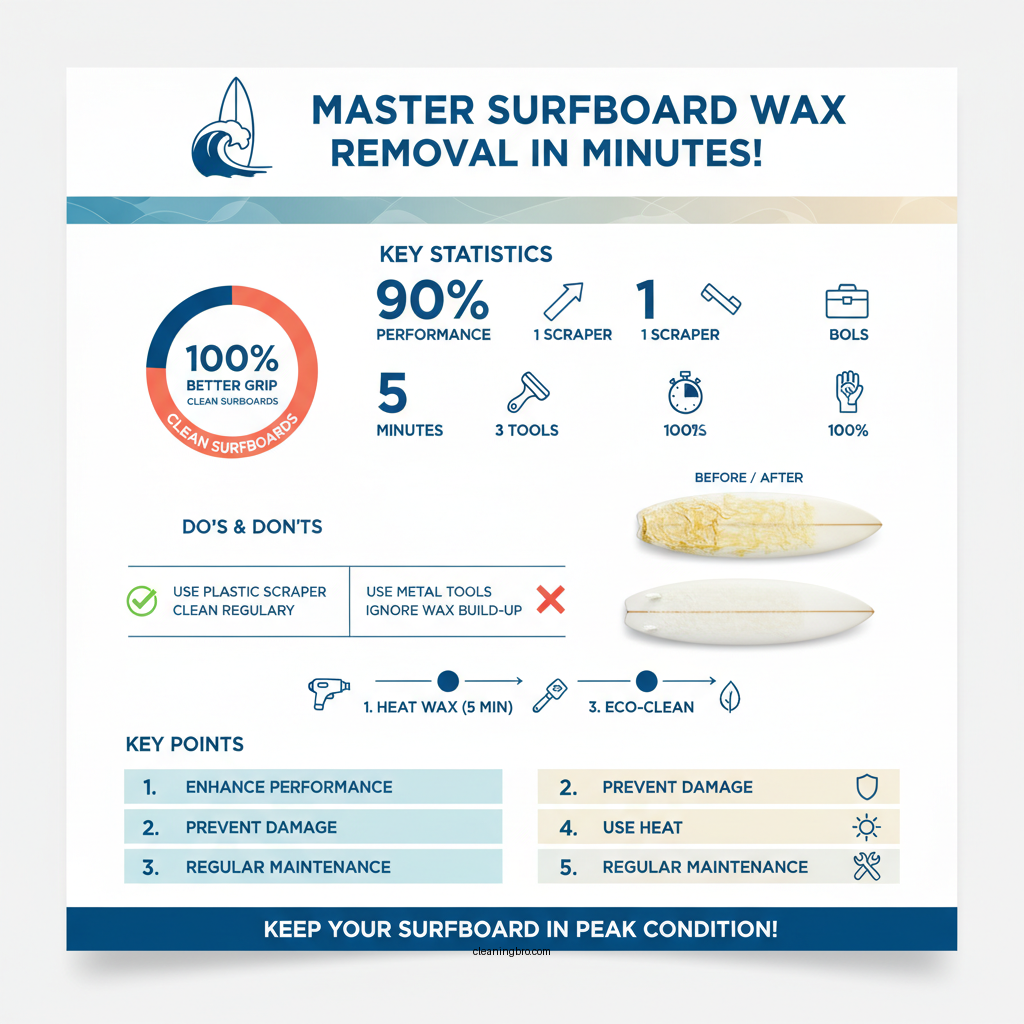
Regularly cleaning wax off your surfboard is vital for several reasons. Firstly, a clean board enhances performance by allowing for better grip and maneuverability, essential for executing sharp turns and maintaining stability on the waves. Old, degraded wax can create an uneven surface that may hinder your control and increase the likelihood of slips.
Secondly, removing old wax prevents build-up, which can affect the surfboard’s surface and appearance. Accumulation of wax not only looks unappealing but can also trap dirt and debris that may scratch or otherwise damage the board. By keeping your surfboard clean, you protect its finish and extend its lifespan, making regular maintenance a worthwhile investment.
Tools You Will Need
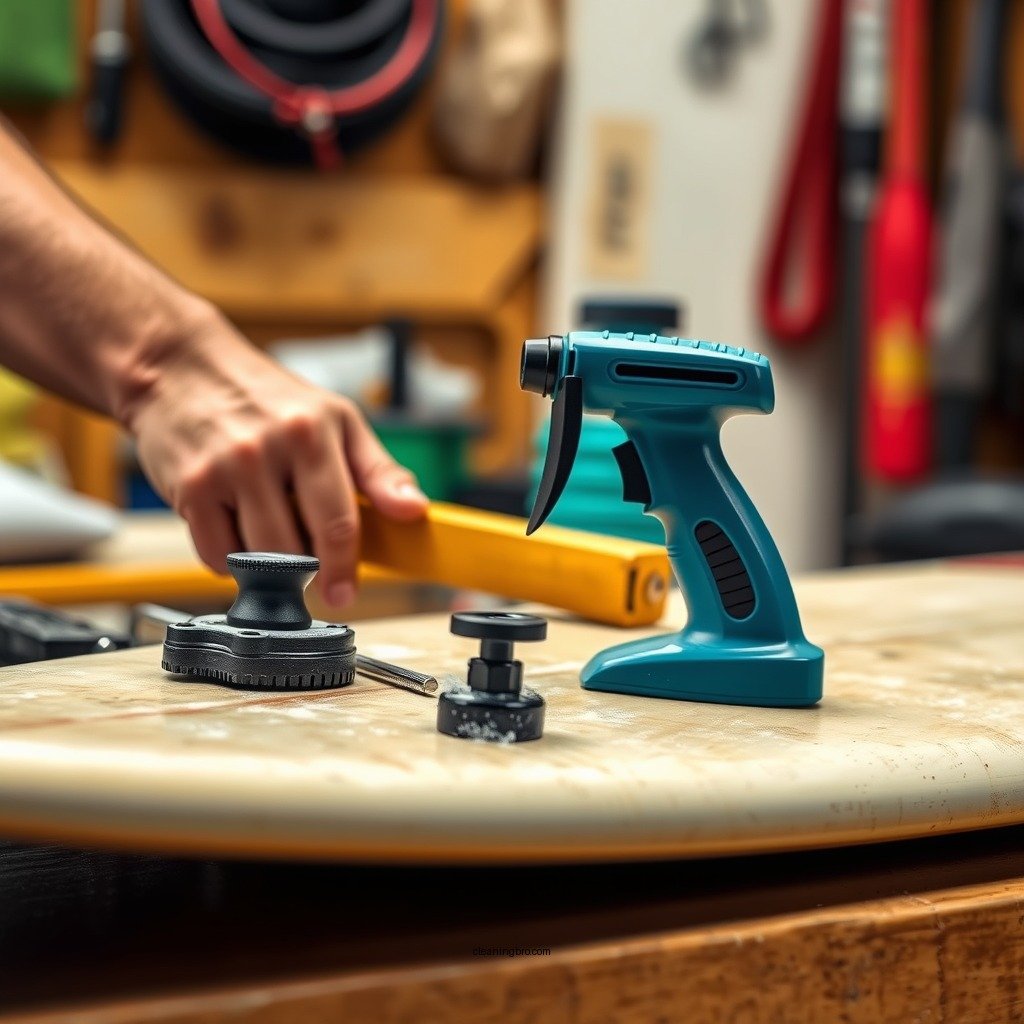
To effectively clean wax off a surfboard, gather the following tools:
– Wax comb or scraper: This tool is essential for the initial removal of the majority of the wax. A plastic comb is preferable to avoid scratching the board.
– Heat gun or hairdryer: Applying heat softens the wax, making it easier to scrape off.
– Specialized wax remover or mineral spirits: These products help eliminate any remaining residue. Opt for eco-friendly options whenever possible to minimize environmental impact.
– Clean rags or paper towels: These will be used for wiping down the surfboard after the wax has been removed.
Step-by-Step Wax Removal Process
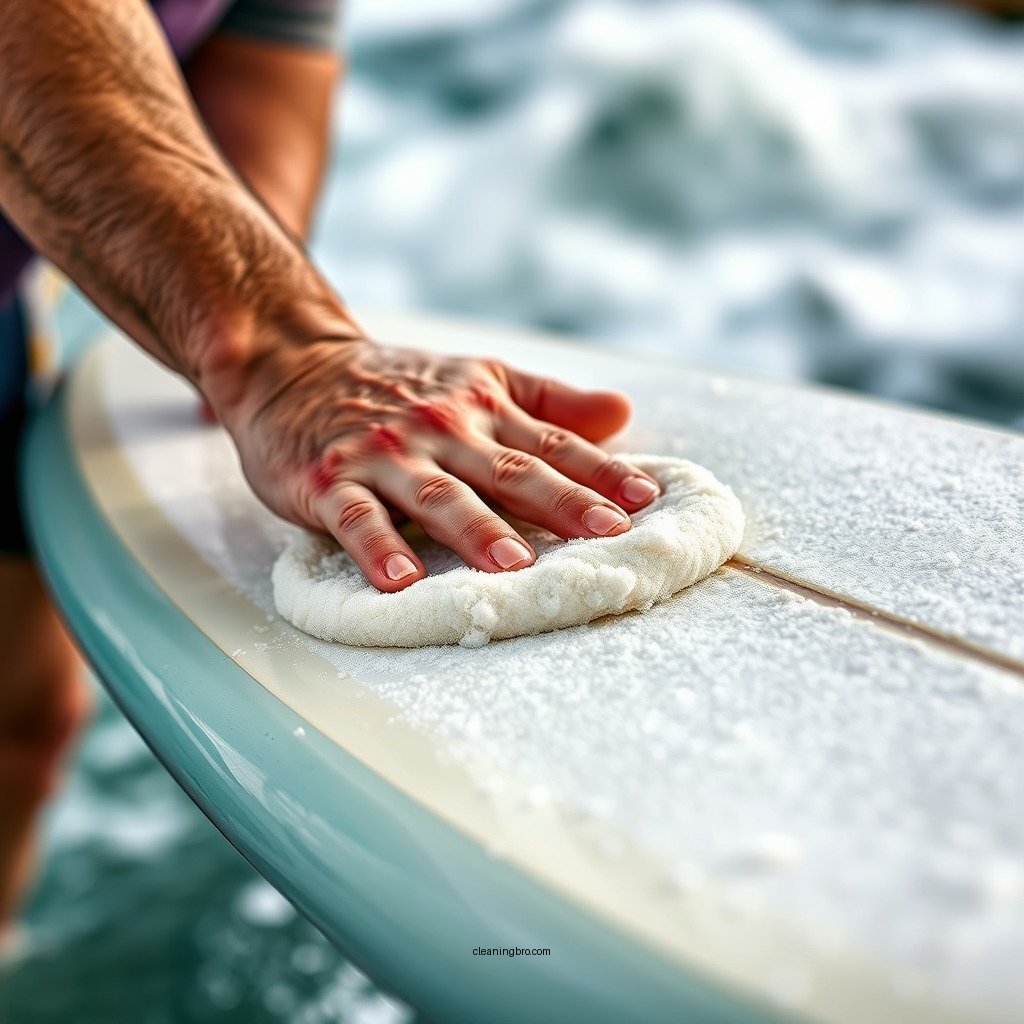
1. Initial Scraping: Start by using the wax comb or scraper to remove as much wax as possible from the board. Hold the comb at a slight angle and scrape in a single direction to avoid damaging the board. Focus on high-traffic areas, like the tail and nose, where wax tends to accumulate the most.
2. Apply Heat: Once the bulk of the wax is removed, use a heat gun or hairdryer on a low setting to gently warm the remaining wax. Move the heat source back and forth to avoid overheating any one area, which could damage the board’s finish. As the wax softens, use the comb to scrape away the melted wax.
3. Final Cleaning: With most of the wax removed, apply a wax remover or mineral spirits to a clean rag. Wipe down the entire surface of the board, ensuring you get into all the crevices and edges. This step will remove any lingering wax residue and restore the board’s shine.
Cleaning the Board Surface
After the majority of the wax is removed, use a rag soaked in wax remover to wipe down the board. It’s crucial to ensure that you get into all the crevices, especially around fins and the tail. This thorough cleaning not only removes any wax left behind but also helps to eliminate dirt and grime that can accumulate over time.
After wiping, allow the board to air dry completely before applying new wax. This ensures that the new wax adheres properly and provides optimal performance. If you notice any stubborn spots, a second application of the wax remover may be necessary.
Tips for Preventing Future Wax Build-Up
To prevent excessive wax build-up in the future, consider these practical tips:
– Regular Maintenance: Clean your board after each surf session to prevent the accumulation of wax. A quick wipe-down can make a significant difference over time.
– Proper Storage: Store your surfboard in a cool, shaded area. Heat can cause the wax to melt and run, resulting in uneven surfaces and potential damage to the board.
Alternatives to Traditional Wax Removal
For those who prefer eco-friendly options, consider using natural alternatives like coconut oil or vinegar for wax removal. These methods can be effective in softening and removing wax without harsh chemicals. Additionally, there are commercial products designed specifically for surfboard maintenance, which can simplify the cleaning process and provide additional care for your board.
Here’s a quick comparison of different wax removal methods:
Wax Removal Methods: Overview
| Method | Effectiveness | Ease of Use | Eco-Friendly |
|---|---|---|---|
| Heat Gun | ✅ High | ✅ Moderate | ❌ No |
| Wax Remover | ✅ High | ✅ Easy | ✅ Yes |
| Coconut Oil | ✅ Moderate | ✅ Easy | ✅ Yes |
| Vinegar | ✅ Low | ✅ Easy | ✅ Yes |
By considering these various methods and tools, you can choose the best option for cleaning your surfboard, aligning with your priorities regarding effectiveness and environmental impact.
Cleaning wax off your surfboard is essential for optimal performance and longevity. By following the outlined steps and utilizing the right tools and methods, you can ensure your board remains in great condition. Regular maintenance not only enhances the surfing experience but also protects your investment, allowing for countless waves to be ridden with confidence and style. Enjoy your time on the water, knowing your surfboard is well taken care of!
Frequently Asked Questions
What is the best method to clean wax off a surfboard?
The best method to clean wax off a surfboard involves using a wax comb and a heat source. Start by using a wax comb to scrape off the bulk of the wax, then apply a hairdryer or heat gun on a low setting to soften any remaining wax. After that, you can wipe it away with a microfiber cloth or paper towel for a clean finish.
How do I remove stubborn wax from my surfboard?
To remove stubborn wax from your surfboard, use a combination of heat and solvent. First, heat the wax with a hairdryer to soften it, then use a cloth soaked in mineral spirits or a dedicated surfboard wax remover to dissolve the wax residue. Be sure to rinse the board with water afterward to remove any leftover solvent.
Why is it important to clean wax off a surfboard regularly?
Regularly cleaning wax off a surfboard is important to maintain optimal performance and prolong its lifespan. Old wax can trap dirt and debris, affecting the board’s hydrodynamics and grip. Moreover, a clean surface allows for better application of fresh wax, ensuring you have the best traction while surfing.
Which products are recommended for cleaning wax off a surfboard?
Recommended products for cleaning wax off a surfboard include specialized surfboard wax removers, mineral spirits, or even natural solutions like coconut oil. These products effectively dissolve wax and are safe for your board’s surface. Always check the label to ensure compatibility with your specific surfboard material.
How often should I clean the wax off my surfboard?
You should clean the wax off your surfboard at least once every few months, or more frequently if you surf often or in different water conditions. If you notice a buildup of old wax or dirt, it’s time for a cleaning. Regular maintenance not only keeps your board performing well but also helps retain its aesthetic appeal.
References
- Surfboard
https://en.wikipedia.org/wiki/Surfboard - https://www.surfertoday.com/surfing/how-to-clean-your-surfboard
https://www.surfertoday.com/surfing/how-to-clean-your-surfboard - https://www.westcoastsurfboards.com/blogs/news/how-to-remove-wax-from-your-surfboard
https://www.westcoastsurfboards.com/blogs/news/how-to-remove-wax-from-your-surfboard - https://www.surfline.com/surf-news/how-to-remove-wax-from-your-surfboard/163591
https://www.surfline.com/surf-news/how-to-remove-wax-from-your-surfboard/163591 - Google Scholar Google Scholar
https://scholar.google.com/scholar?q=how+to+clean+wax+off+a+surfboard - Google Scholar Google Scholar
https://scholar.google.com/scholar?q=surfboard+maintenance - Google Scholar Google Scholar
https://scholar.google.com/scholar?q=wax+removal+techniques+surfboard - https://www.surfer.com/how-to/remove-wax-from-your-surfboard/
https://www.surfer.com/how-to/remove-wax-from-your-surfboard/ - https://www.surfboards.com/surfboard-care/cleaning-surfboard-wax
https://www.surfboards.com/surfboard-care/cleaning-surfboard-wax - https://www.goskate.com/blog/how-to-remove-wax-from-a-surfboard/
https://www.goskate.com/blog/how-to-remove-wax-from-a-surfboard/