How to Clear Small Trees and Brush: A Step-by-Step Guide
Clearing small trees and brush can significantly enhance your landscape, improve visibility, and reduce potential hazards around your property. By following a strategic process that includes assessing the area, gathering the appropriate tools, and executing a clear removal plan, you can tackle this project with confidence. This guide provides you with the necessary steps and considerations to ensure your clearing project is executed safely and efficiently.
Assessing the Area
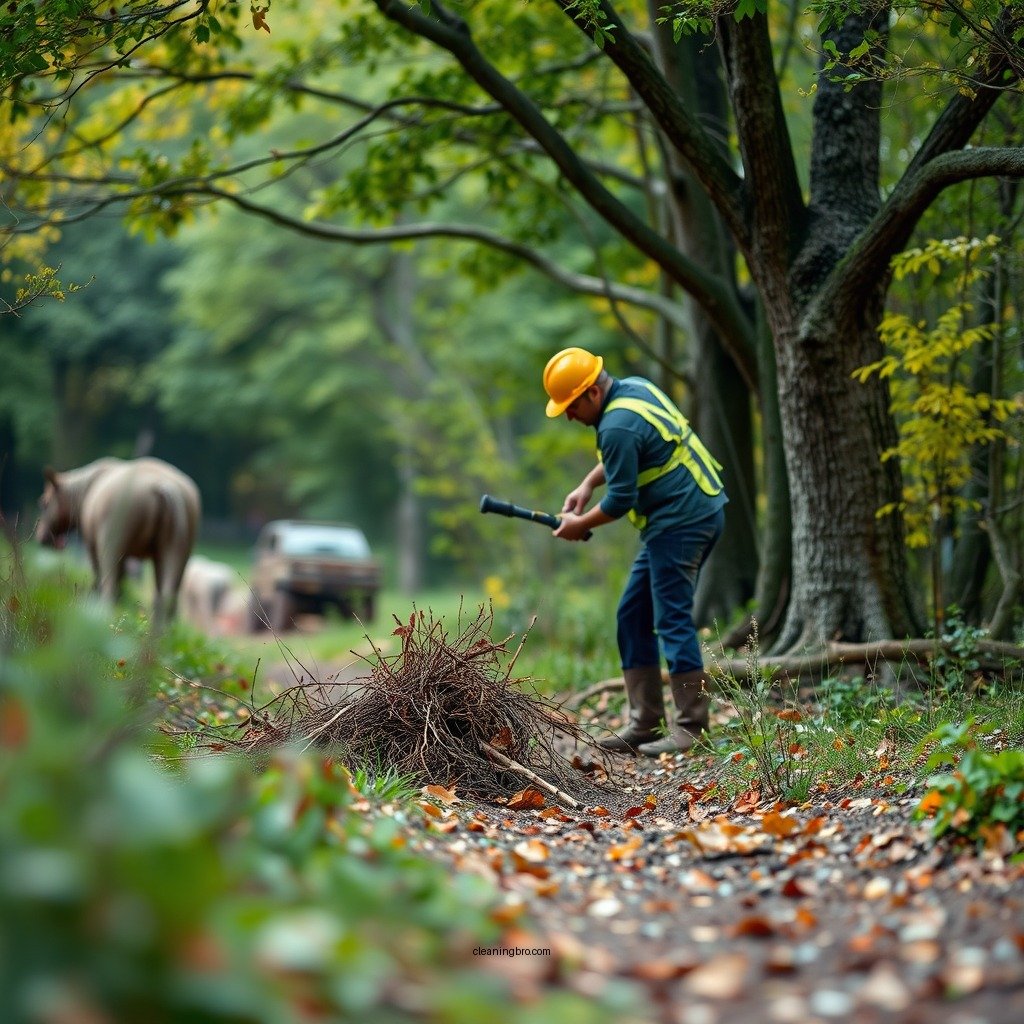
Before you dive into the clearing process, it is crucial to assess the area thoroughly. Begin by identifying the specific small trees and brush that require removal. Consider their size, density, and proximity to buildings, fences, and other structures. Small trees, typically defined as those less than 6 inches in diameter, may seem easy to remove, but their location can pose challenges.
Next, check for potential hazards in the vicinity, such as nearby power lines, which could complicate your removal efforts. If any brush or trees are within the vicinity of these lines, it may be prudent to consult with a professional service to ensure safety.
Additionally, determine whether you need permission to remove vegetation, especially if you are working on public or shared land. Some municipalities have regulations regarding tree removal, so checking local codes can save you from potential fines or legal issues down the line.
Gathering the Right Tools
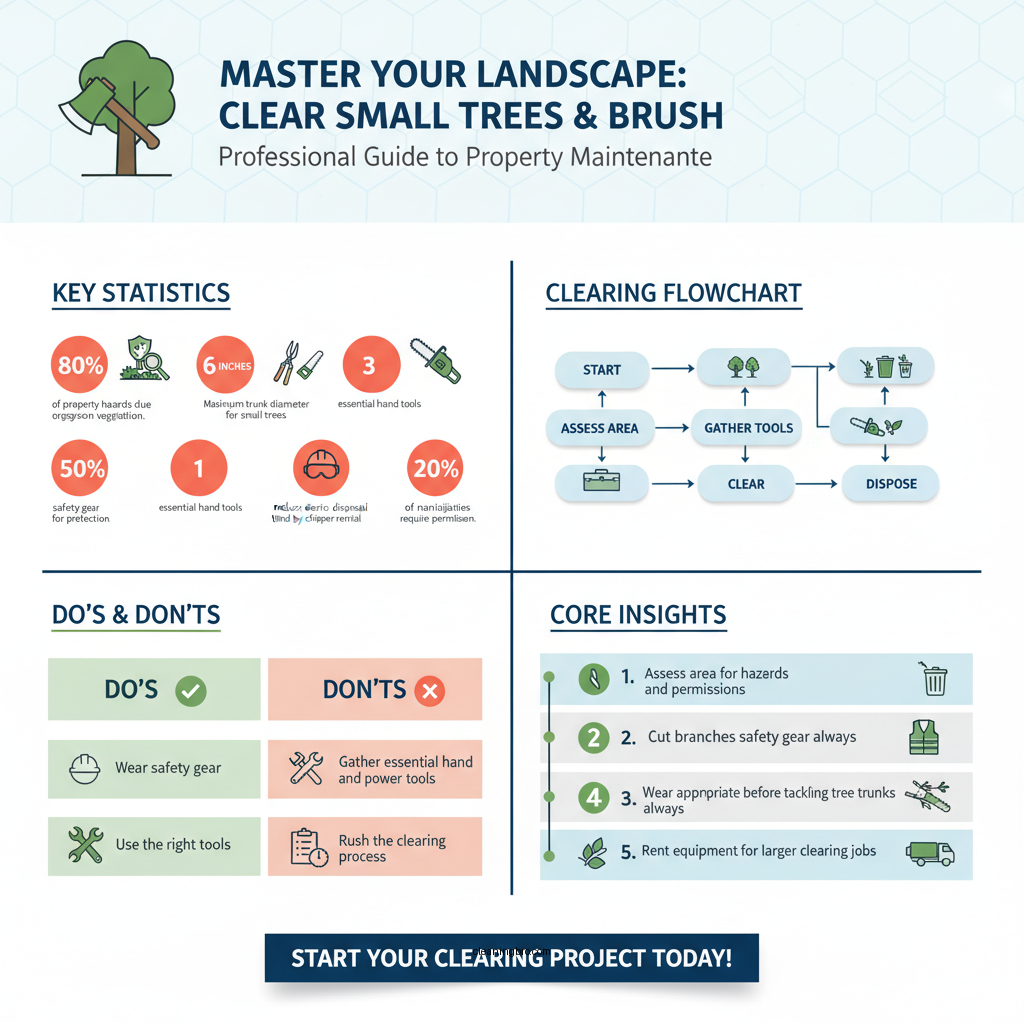
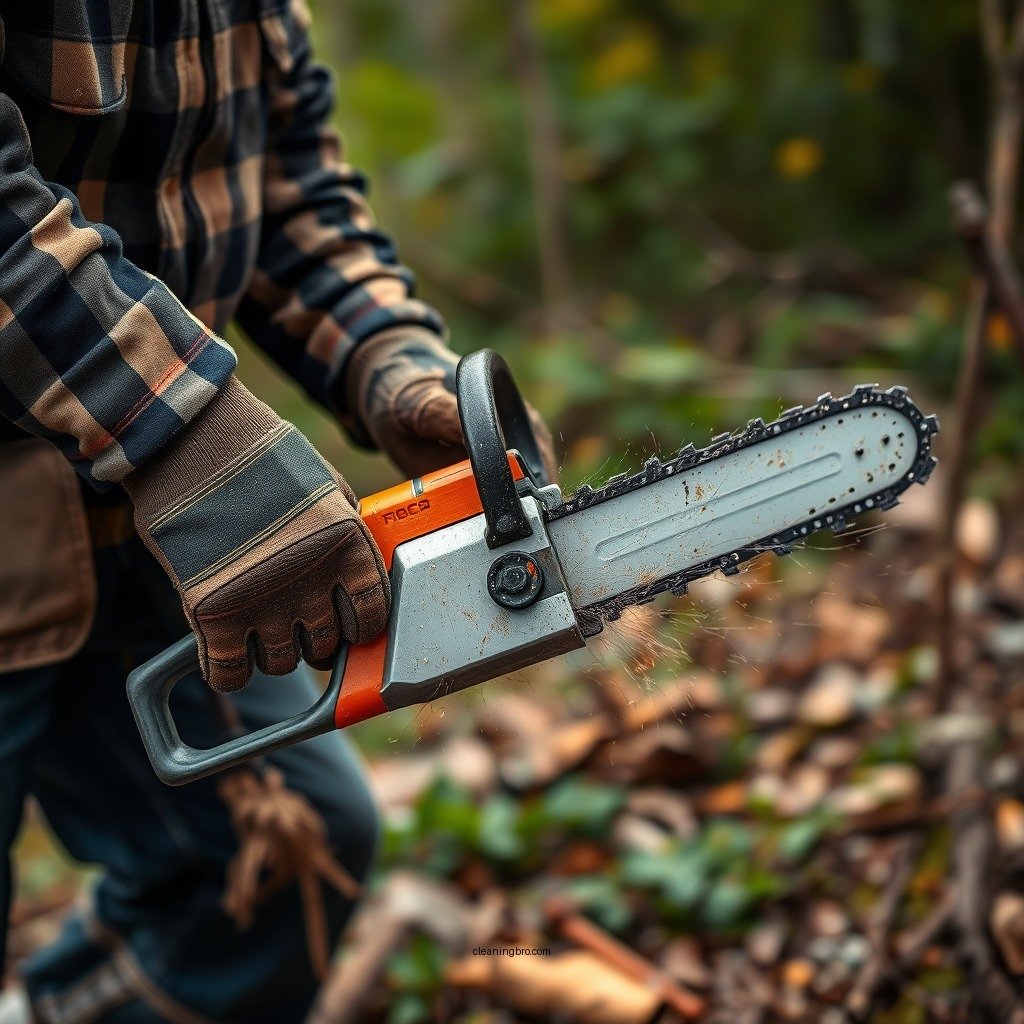
Equipping yourself with the right tools is essential for effective clearing. Start by gathering hand tools such as loppers and pruning saws, which are ideal for cutting smaller branches and trees. For larger trees, a chainsaw may be necessary. If you have a significant amount of brush to clear, consider a brush cutter, which can efficiently remove dense undergrowth.
Safety gear should not be overlooked; you will need gloves, goggles, and long sleeves to protect against debris, sharp tools, and potential allergens. Hearing protection is also recommended when using power tools like chainsaws.
For larger jobs involving substantial debris, renting equipment such as a chipper can expedite the disposal process, allowing you to turn branches into mulch easily. Ensure that you are familiar with how to operate any machinery you rent, as improper use can lead to accidents.
Clearing Small Trees
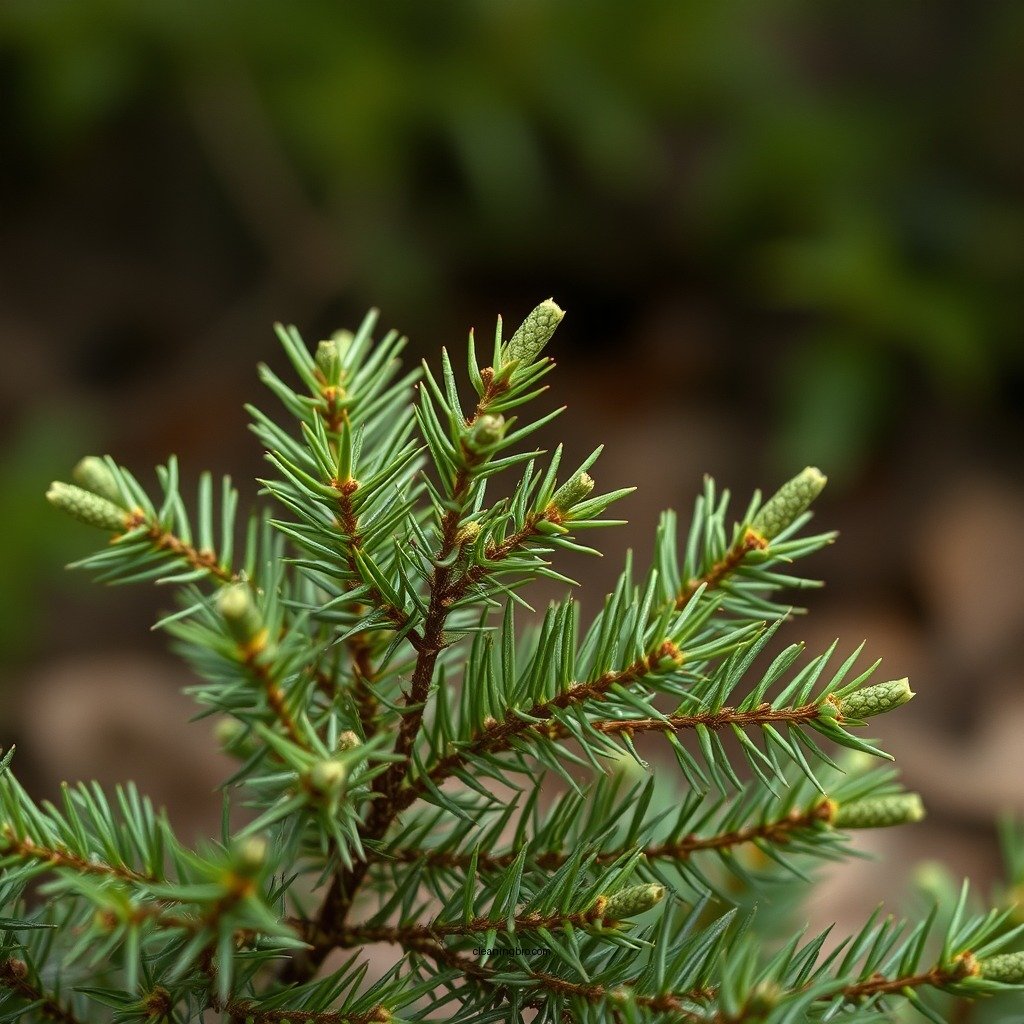
Once you have assessed the area and gathered your tools, you can begin the clearing process. Start by cutting down small trees at their base using the appropriate saw. If you are using a chainsaw, be sure to follow all safety protocols, including ensuring the area is clear of bystanders and that you are wearing protective gear.
Before tackling the trunk, remove any branches and limbs first. This not only clears your workspace but also makes handling the trunk easier. Cut the trunk into manageable sections that can be transported more easily. Depending on your disposal method, you may need to further break down these sections.
It’s advisable to cut trees during the late winter or early spring when the sap is not flowing. This timing can reduce the likelihood of pest infestations and facilitate easier removal of the roots later on.
Managing Brush and Undergrowth
Once the small trees are down, focus on managing brush and undergrowth. Use hedge trimmers or a brush cutter to trim the brush down to ground level. This not only clears the area but also prevents the regrowth of unwanted vegetation.
After cutting, rake and collect the clippings to maintain a clean space. Leaving debris on the ground can lead to regrowth, which defeats the purpose of your clearing efforts. Consider composting smaller brush or using it as mulch to enrich your garden soil.
For larger amounts of brush and debris, it may be necessary to create piles for disposal or chipping. Organizing the debris into piles can also assist in determining the best disposal method later.
Disposing of Debris
Proper disposal of the debris is crucial to completing your project. Begin by researching local disposal regulations for yard waste and tree debris, as different municipalities often have specific guidelines. Many areas offer curbside pickup for yard waste, while others may require you to take debris to a designated drop-off site.
Exploring recycling options is another environmentally-friendly approach. Many communities have green waste facilities where trees and brush can be processed into mulch or compost. If you have a significant volume of debris, consider renting a dumpster for easy disposal.
Ensure that you are aware of any fees associated with disposal and that you follow all local regulations to avoid fines.
Maintaining Your Space
Once you have cleared the area, ongoing maintenance is crucial to preventing the regrowth of trees and brush. Regularly inspect the area for any new growth, and remove emerging seedlings promptly. This proactive approach will save you time and effort in the long run.
Consider planting grass or ground cover in the cleared area. These plants can help suppress weeds and discourage the regrowth of unwanted trees and brush. Developing a maintenance schedule, such as seasonal inspections, can help keep your landscape tidy and manageable.
In addition, consider mulching bare areas with wood chips or bark to promote soil health and reduce erosion. This can also improve the aesthetic appeal of the cleared area.
Common Tools for Clearing Small Trees and Brush
| # | Tool | Ideal For | Safety Gear |
|---|---|---|---|
| 1 | Loppers | Small branches | Gloves, goggles |
| 2 | Pruning Saw | Medium branches | Gloves, goggles |
| 3 | Chainsaw | Large trunks | Helmets, goggles, gloves |
| 4 | Brush Cutter | Dense brush | Gloves, eye protection |
| 5 | Rake | Debris collection | Gloves |
| 6 | Chipper | Debris disposal | Helmets, gloves |
| 7 | Hedge Trimmer | Bushes | Gloves, goggles |
Best Tools for Clearing Small Trees and Brush
| Feature | ⭐ Chainsaw | Brush Cutter | Loppers |
|---|---|---|---|
| Cutting Capacity | Up to 12 inches | Up to 3 inches | Up to 1 inch |
| Weight | 8-12 lbs | 10-15 lbs | 2-4 lbs |
| Ease of Use | ✅ Requires training | ✅ Easy to handle | ❌ Requires skill |
| Safety | ❌ High risk | ✅ Moderate risk | ✅ Low risk |
| Cost | $150 – $500 | $100 – $300 | $30 – $60 |
| Maintenance | Regular sharpening | Occasional blade change | Minimal |
| Portability | Low | Moderate | High |
| Best For | Heavy-duty cutting | Brush management | Light trimming |
By following these steps, you can successfully clear small trees and brush from your property. Removing unwanted vegetation not only enhances your outdoor space but also promotes safety and accessibility. Take action today by gathering your tools and starting your clearing project!
Frequently Asked Questions
What are the most effective methods for clearing small trees and brush?
The most effective methods for clearing small trees and brush include using hand tools like pruning saws and loppers for precision removal, as well as power tools such as chainsaws and brush cutters for larger areas. Additionally, employing techniques like cutting the vegetation at ground level or using herbicides can help manage regrowth. Choosing the right method depends on the size of the area and the density of the brush.
How can I safely clear brush and small trees on my property?
To safely clear brush and small trees, always wear protective gear such as gloves, goggles, and sturdy footwear. Start by assessing the area for hazards like power lines or uneven terrain. Use appropriate tools for the size of the vegetation and work methodically to avoid injuries. It’s also important to have a plan for disposing of the cleared materials to maintain safety and cleanliness.
Why is it important to clear small trees and brush from my yard?
Clearing small trees and brush is crucial for maintaining a healthy landscape, as it reduces competition for sunlight and nutrients among desirable plants. It also minimizes fire hazards, improves visibility, and can enhance the aesthetic appeal of your property. Regular maintenance can prevent the overgrowth of invasive species and promote the overall health of your yard.
What is the best time of year to clear small trees and brush?
The best time to clear small trees and brush is typically during late winter or early spring before new growth begins. This timing allows you to easily identify the vegetation and minimizes disturbances to wildlife during nesting seasons. Additionally, clearing during this period can help prevent the spread of seeds and promote healthier regrowth in the growing season.
Which tools are necessary for effectively clearing small trees and brush?
Essential tools for effectively clearing small trees and brush include a chainsaw for larger trunks, a brush cutter or string trimmer for dense underbrush, and hand tools like shears and loppers for smaller branches. A shovel and rake can be useful for ground clearing and debris removal. Ensuring that your tools are sharp and well-maintained will enhance efficiency and safety during the clearing process.
References
- Tree care
https://en.wikipedia.org/wiki/Tree_removal - https://www.fs.usda.gov/Internet/FSE_DOCUMENTS/fsm9_012204.pdf
https://www.fs.usda.gov/Internet/FSE_DOCUMENTS/fsm9_012204.pdf - https://www.extension.umn.edu/garden/landscaping/clear-cutting-small-trees/
https://www.extension.umn.edu/garden/landscaping/clear-cutting-small-trees/ - https://www.treesaregood.org/treecare/tree-removal
https://www.treesaregood.org/treecare/tree-removal - Home | Natural Resources Conservation Service
https://www.nrcs.usda.gov/wps/portal/nrcs/main/national/home/ - Urine metabolomics based prediction model approach for radiation exposure | Scientific Reports
https://www.nature.com/articles/s41598-020-72426-4 - https://www.sciencedirect.com/science/article/pii/S187220672030202X
https://www.sciencedirect.com/science/article/pii/S187220672030202X - Google Scholar Google Scholar
https://scholar.google.com/scholar?q=how+to+clear+small+trees+and+brush - Google Scholar Google Scholar
https://scholar.google.com/scholar?q=tree+removal+techniques - Google Scholar Google Scholar
https://scholar.google.com/scholar?q=clearing+brush+and+small+trees+methods