How Did People Clean Their Teeth Before Toothpaste?
Before the advent of modern toothpaste, people utilized a variety of natural methods and materials to maintain oral hygiene. Various cultures developed unique practices involving the use of herbs, twigs, and other materials to clean their teeth and gums effectively. This article delves into the historical practices and alternative solutions employed by different civilizations long before the commercial toothpaste we recognize today.
Ancient Tools for Dental Care
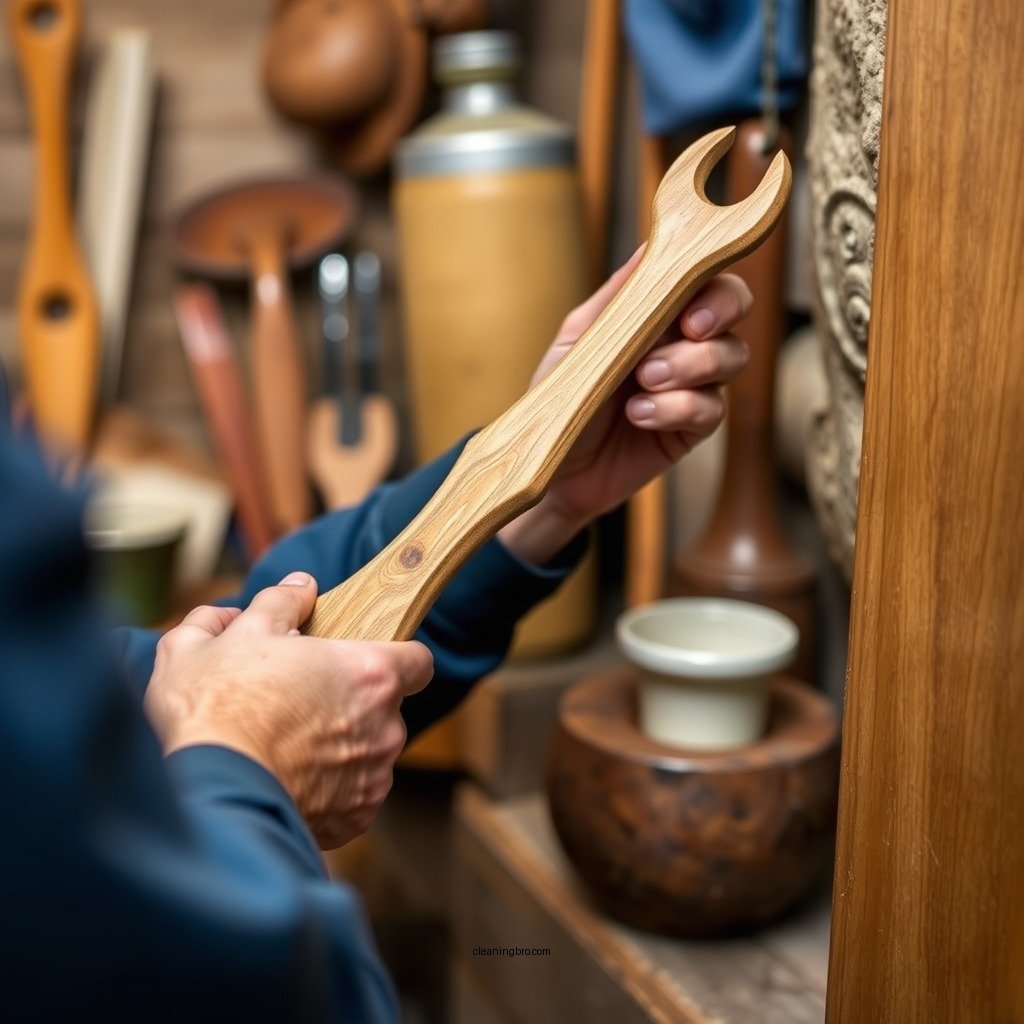
The methods for cleaning teeth prior to the invention of toothpaste were diverse and often depended on local resources.
– Chewing sticks: Many ancient civilizations, including the Egyptians, Greeks, and Native Americans, utilized chewing sticks from specific trees as natural toothbrushes. These sticks were often from trees like the Salvadora persica, known for its antimicrobial properties. The act of chewing on these sticks not only helped in mechanically cleaning the teeth but also imparted beneficial compounds that helped freshen breath and reduce plaque.
– Cloths and rags: In some cultures, particularly in Europe and parts of Asia, people used soft cloths or rags to rub their teeth and gums. This method involved wrapping a piece of cloth around the finger and using it to scrub the teeth, a practice still observed in some regions today as a form of rudimentary tooth cleaning.
Natural Ingredients for Cleaning
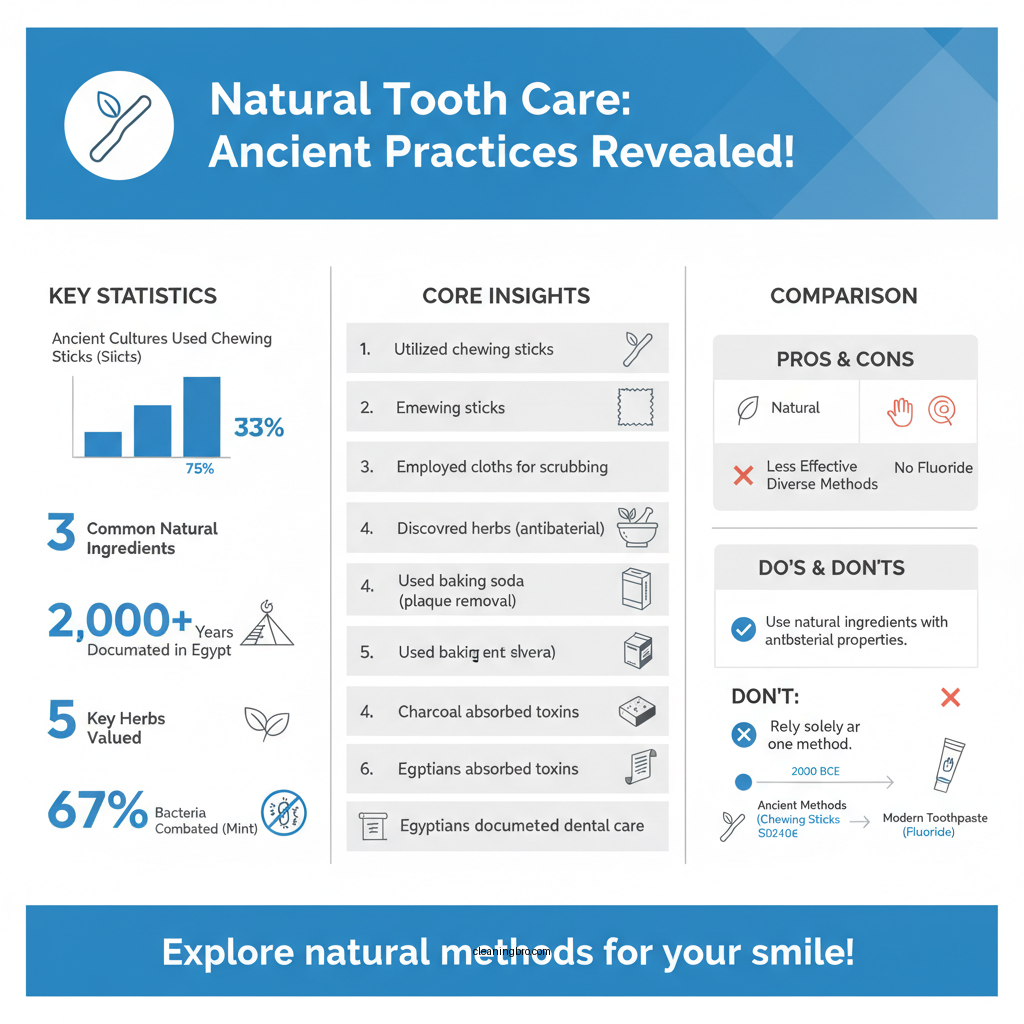

The search for effective dental hygiene led to the discovery of various natural ingredients that could be used to clean teeth.
– Herbs and spices: Certain herbs and spices like mint, sage, and cinnamon were commonly employed for their antibacterial properties. For example, mint was not only used for its refreshing taste but also for its ability to combat oral bacteria effectively. Similarly, sage has long been valued for its medicinal properties, including its effectiveness in promoting oral health.
– Baking soda and charcoal: These substances were utilized for their abrasive qualities, which helped remove plaque and surface stains from teeth. Charcoal, in particular, was prized in many cultures for its ability to absorb toxins and bacteria, making it a popular choice for oral care in ancient times.
Historical Practices Around the World
Various cultures have left behind records of their unique dental care practices.
– Egyptian methods: The ancient Egyptians were among the first to document their dental care routines. They used a mixture of crushed rock salt and mint to clean their teeth, demonstrating an early understanding of the importance of oral hygiene. Archaeological findings have revealed that they also employed a rudimentary form of toothpaste made from various natural ingredients.
– Chinese techniques: Ancient Chinese texts, dating back thousands of years, mention the use of salt and herbal pastes for maintaining oral health. These pastes often included a mixture of herbs that were believed to promote clean teeth and fresh breath. The Chinese also used gold and silver toothpicks to remove food particles from between their teeth, showcasing an early form of flossing.
Historical Dental Care Practices Worldwide
| # | Culture | Method | Materials Used |
|---|---|---|---|
| 1 | Egyptians | Crushed salt and mint | Rock salt, Mint |
| 2 | Chinese | Herbal pastes and salt | Herbs, Salt |
| 3 | Greeks | Chewing sticks and cloths | Twigs, Rags |
| 4 | Native Americans | Chewing plant roots | Plant roots |
| 5 | Middle Eastern | Miswak sticks | Salvadora persica |
| 6 | Indian | Charcoal and herbs | Charcoal, Herbs |
| 7 | Romans | Urine and ashes | Urine, Ashes |
Cultural Variations in Oral Hygiene
Oral hygiene practices varied significantly across cultures, often reflecting local beliefs and available resources.
– Native American practices: Certain tribes, such as the Cherokee, used the roots of specific plants, including the roots of the dogwood tree, to clean their teeth. The practice involved chewing on the roots, which released natural antibacterial compounds that helped maintain oral health.
– Middle Eastern traditions: In many Middle Eastern regions, the miswak, a teeth-cleaning stick made from the Salvadora persica tree, has been used for centuries. This practice is not only effective for cleaning teeth but also culturally significant, often associated with the teachings of the Prophet Muhammad in Islam.
Natural Tooth Cleaning Methods
| Feature | ⭐ Miswak | Chewing Sticks | Charcoal |
|---|---|---|---|
| Effectiveness | ✅ Strong antibacterial properties | ✅ Moderate antibacterial properties | ✅ Good cleaning ability |
| Cultural Significance | ✅ High in Islamic culture | ✅ Widely used across cultures | ❌ Limited cultural relevance |
| Availability | ✅ Common in Middle East | ✅ Found globally | ✅ Available in most regions |
| Ease of Use | ✅ Simple | ✅ Easy to use | ✅ Requires preparation |
| Environmental Impact | ✅ Biodegradable | ✅ Natural | ❌ Not biodegradable |
| Cost | ✅ Low cost | ✅ Inexpensive | ✅ Affordable |
| User Acceptance | ✅ Popular among users | ✅ Widely accepted | ✅ Gaining popularity |
| Historical Use | ✅ Used for centuries | ✅ Traditional method | ✅ Historical significance |
| Overall Effectiveness | ✅ Highly effective | ✅ Effective | ✅ Moderately effective |
| 🏆 Best For | Cultural significance | Global use | General cleaning |
The Transition to Modern Dental Care
The evolution of dental care practices has been significant, particularly with the introduction of commercial products.
– Early tooth powders: The 19th century witnessed the emergence of tooth powders, which were often composed of abrasive substances like chalk, baking soda, and powdered charcoal. These powders laid the groundwork for the eventual development of paste formats, making oral hygiene more accessible and easier to use.
– The rise of commercial toothpaste: By the early 20th century, toothpaste in tubes became widely available, revolutionizing oral hygiene practices. The use of fluoride in toothpaste further advanced the effectiveness of these products in preventing cavities and promoting overall dental health. Today, the market is filled with a variety of toothpaste options, including those for sensitivity, whitening, and natural ingredients.
Impact on Oral Health
The historical journey of dental care reflects a deep understanding of oral hygiene, albeit in varied forms.
– Dental issues: The lack of modern toothpaste contributed to various dental problems historically, including cavities, periodontal disease, and tooth loss. Many ancient cultures had limited knowledge of dental health, resulting in significant oral health challenges.
– Evolution of practices: Understanding past methods highlights the importance of oral hygiene and the evolution of dental care. The shift from natural remedies to modern products underscores the ongoing quest for effective oral health solutions, paving the way for innovations in dental care.
In summary, before the introduction of commercial toothpaste, people relied on a diverse range of natural tools and ingredients to maintain oral hygiene, from chewing sticks to herbal mixtures. Exploring these methods not only enriches our understanding of the history of oral care but also emphasizes the importance of maintaining dental health through the ages. For those interested in natural oral care today, incorporating some ancient practices into your routine can offer valuable insights into holistic dental hygiene.
Frequently Asked Questions
What did ancient civilizations use to clean their teeth before toothpaste?
Ancient civilizations employed various methods to maintain oral hygiene before the invention of modern toothpaste. The Egyptians used a mixture of crushed rock salt, mint, and pepper, while the Chinese created a paste using herbs and salt. Additionally, the Greeks and Romans utilized chew sticks made from twigs of aromatic trees, which helped scrub teeth and freshen breath.
How did people in the Middle Ages maintain dental hygiene without toothpaste?
In the Middle Ages, people often relied on natural ingredients like charcoal, ash, and salt to clean their teeth. Chew sticks and rags soaked in vinegar were also popular for scrubbing teeth and removing debris. Some even used crushed herbs for flavor and freshness, showcasing a resourceful approach to oral care without the convenience of toothpaste.
Why did people use chew sticks before the invention of toothpaste?
Chew sticks were an early form of dental hygiene tool that offered a practical solution for cleaning teeth. Made from twigs of certain trees, they acted as a natural toothbrush by effectively removing plaque and food particles. The antibacterial properties of some wood types, like miswak from the Salvadora persica tree, contributed to their popularity and effectiveness in oral care.
Which natural ingredients were most effective for cleaning teeth historically?
Historically, several natural ingredients proved effective for dental cleaning. Charcoal was praised for its ability to absorb impurities, while baking soda was used for its mild abrasive qualities. Other effective options included salt, which acted as a natural antiseptic, and essential oils from herbs like peppermint, which helped freshen breath and combat bacteria.
What were the cultural practices surrounding dental hygiene before modern toothpaste?
Cultural practices surrounding dental hygiene varied widely before modern toothpaste, reflecting local resources and beliefs. In some cultures, daily tooth cleaning was seen as a ritual involving the use of herbs and spices, while others emphasized the importance of dietary choices for maintaining oral health. The use of communal tooth-cleaning methods, such as rinsing with saltwater or using shared chew sticks, also highlighted the social aspects of dental care in historical contexts.
References
- https://en.wikipedia.org/wiki/History_of_toothpaste
https://en.wikipedia.org/wiki/History_of_toothpaste - https://www.ncbi.nlm.nih.gov/pmc/articles/PMC6467810/
https://www.ncbi.nlm.nih.gov/pmc/articles/PMC6467810/ - https://www.ncbi.nlm.nih.gov/pmc/articles/PMC4300941/
https://www.ncbi.nlm.nih.gov/pmc/articles/PMC4300941/ - https://www.ncbi.nlm.nih.gov/pmc/articles/PMC3724647/
https://www.ncbi.nlm.nih.gov/pmc/articles/PMC3724647/ - https://www.sciencedirect.com/science/article/pii/S2211201914000014
https://www.sciencedirect.com/science/article/pii/S2211201914000014 - https://www.britannica.com/science/dental-care
https://www.britannica.com/science/dental-care - https://www.cdc.gov/oralhealth/publications/factsheets/toothbrush.html
https://www.cdc.gov/oralhealth/publications/factsheets/toothbrush.html - https://www.mayoclinic.org/healthy-lifestyle/adult-health/in-depth/oral-hygiene/art-20045873
https://www.mayoclinic.org/healthy-lifestyle/adult-health/in-depth/oral-hygiene/art-20045873 - Google Scholar Google Scholar
https://scholar.google.com/scholar?q=history+of+tooth+cleaning - Google Scholar Google Scholar
https://scholar.google.com/scholar?q=ancient+tooth+cleaning+methods