How to Clean an Oil Painting on Canvas: A Step-by-Step Guide
Cleaning an oil painting on canvas requires careful attention to avoid damaging the artwork. To effectively clean your painting, start by gently dusting the surface with a soft brush, then consider using a specific cleaning solution designed for oil paints. In this article, you’ll learn the best methods and precautions to take when cleaning your treasured artworks, ensuring they remain vibrant and beautiful.
Understanding the Importance of Cleaning
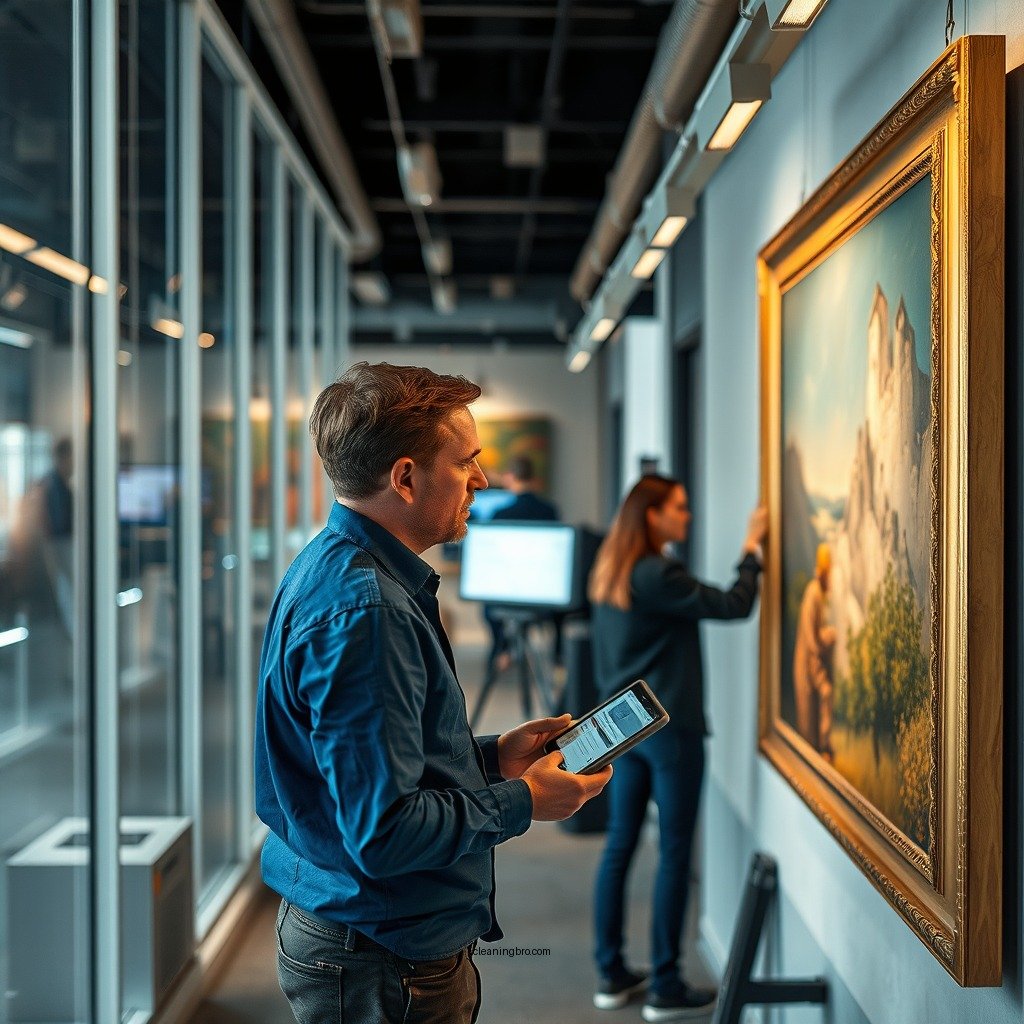
Cleaning oil paintings is not merely an aesthetic choice; it is a crucial part of maintaining the integrity and longevity of the artwork. Over time, paintings accumulate dust, dirt, and grime that can dull their vibrancy and alter their appearance. Regular cleaning helps preserve the colors and textures that the artist intended, ensuring that the artwork remains a true representation of their vision.
Moreover, cleaning can enhance the visual appeal of the painting. A well-maintained oil painting can look significantly more vibrant and captivating, which is especially important if the artwork is displayed in a prominent position or is part of a collection. Proper maintenance can also significantly increase the artwork’s value, making it a wise investment for collectors and art enthusiasts alike.
Tools You’ll Need
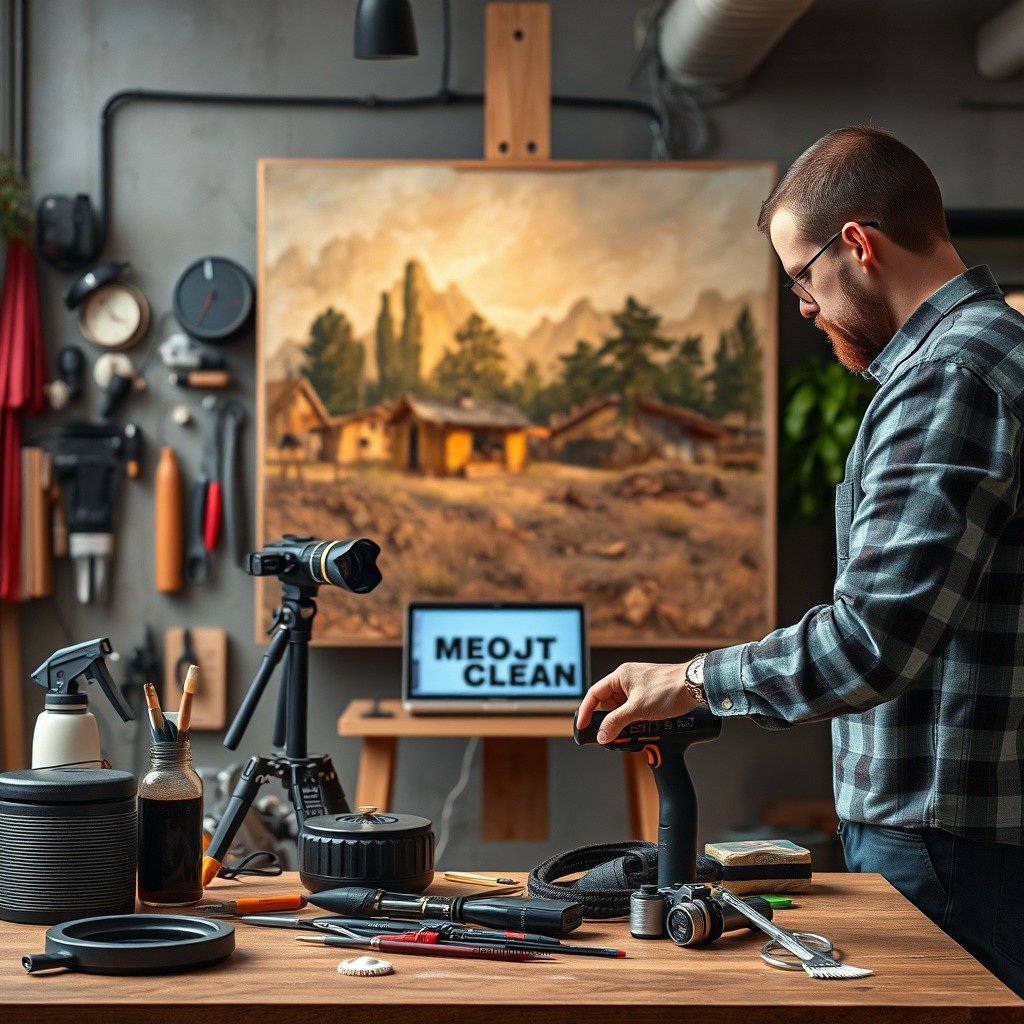
Before embarking on the cleaning process, gather the following tools to ensure you have everything necessary:
– Soft, Lint-Free Cloths or Microfiber Towels: These are essential for safe cleaning without scratching the surface.
– A Soft-Bristled Brush: Ideal for dusting off loose debris without damaging the paint.
– Mild Cleaning Solutions or Specialized Art Cleaners: These products are specifically formulated for cleaning oil paintings and can help remove stains without harming the artwork.
Having the right tools at your disposal can make the cleaning process more efficient and reduce the risk of damage to your painting.
The Dusting Process
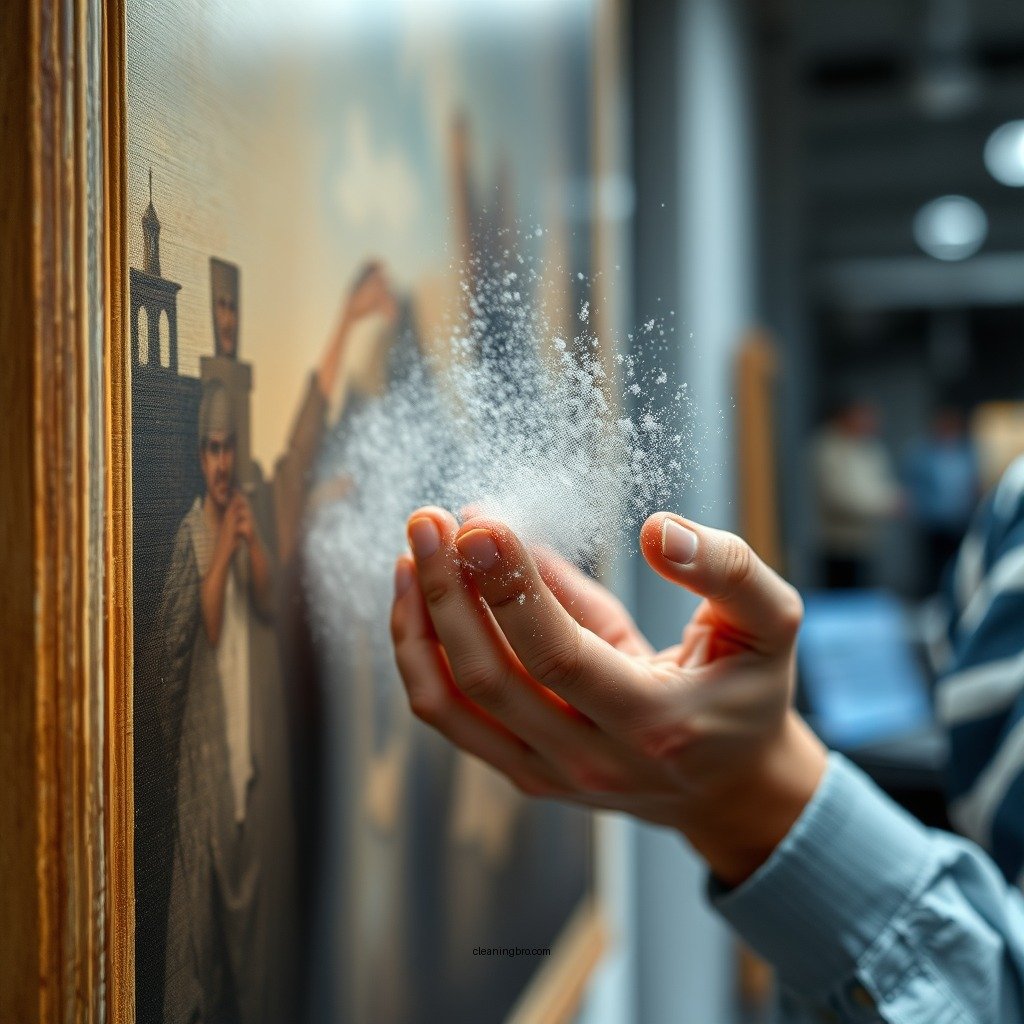
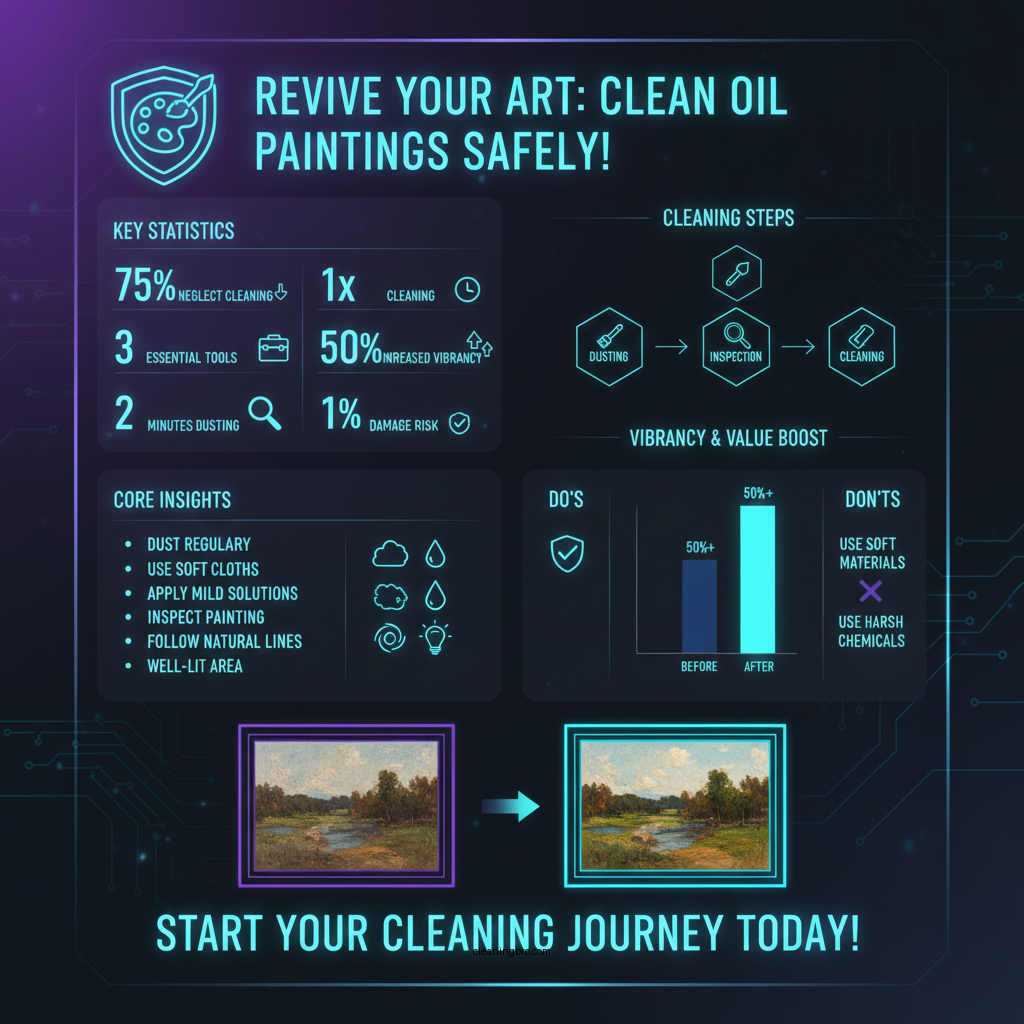
Dusting is the first and most crucial step in cleaning an oil painting. Follow these steps for effective dust removal:
1. Prepare Your Space: Ensure you are in a clean, well-lit area where the painting can be safely handled.
2. Use the Soft-Bristled Brush: Gently brush the surface of the painting to remove loose dust and debris. Always work in a consistent direction, following the natural lines of the artwork to avoid disturbing the paint layers.
3. Inspect the Surface: After dusting, check for any areas that may require further attention, such as spots or stains.
This gentle approach minimizes the risk of scratching the paint or damaging the canvas, preserving the artwork’s original condition.
Common Types of Oil Paintings and Their Cleaning Needs
| # | Painting Type | Cleaning Frequency | Special Considerations |
|---|---|---|---|
| 1 | Traditional Oil Painting | Every 6 months | Avoid solvents; use only a dry brush |
| 2 | Impressionist Painting | Every 3 months | Handle with care; use soft brushes |
| 3 | Contemporary Oil Painting | Every 4-6 months | Use specialized cleaning solutions if necessary |
| 4 | Varnished Oil Painting | Annually | Consult a professional before cleaning |
| 5 | Encaustic Painting | Every 2 years | Very delicate; use minimal moisture |
| 6 | Mixed Media | Every 4 months | Check compatibility of materials |
| 7 | Historical Painting | As needed | Seek professional advice |
Spot Cleaning Techniques
In cases where stains or marks are present, spot cleaning is necessary. Here’s how to do it effectively:
1. Test the Cleaning Solution: Before applying any cleaning product, test it on a small, inconspicuous area of the painting. This precaution helps to ensure that the solution won’t damage the paint or canvas.
2. Damp Cloth Application: If the test is successful, dampen a soft cloth with the cleaning solution. Gently dab the stained areas without rubbing, as excessive pressure can lift the paint or damage the canvas.
3. Blot, Don’t Rub: Always dab the area rather than rubbing it, which can cause friction and lead to further damage.
This method is particularly effective for removing small, localized stains without compromising the overall integrity of the painting.
Dealing with Stains and Grime
Identifying the type of stain is critical for choosing the correct cleaning method. Common stains include grease, smoke, and water damage, each requiring different approaches:
– Grease Stains: These can often be treated with a gentle cleaning solution designed for oils. Dab the area carefully with your damp cloth.
– Smoke Damage: This type of stain may require professional cleaning, especially if it has penetrated the paint layers.
– Water Damage: In the case of water stains, consult a conservator to assess whether the painting needs specialized cleaning or repair.
For tougher stains, or if you’re uncertain about the appropriate cleaning method, it is highly advisable to consult a professional conservator. Their expertise can prevent unintentional damage and ensure that your artwork is treated with the utmost care.
Preventative Care for Oil Paintings
Preventative care is just as important as cleaning. Here are key strategies to maintain your oil paintings:
– Avoid Direct Sunlight: Prolonged exposure to sunlight can cause fading and discoloration. Display artworks in shaded areas or use UV-filtering glass when framing.
– Humidity Control: Keep the painting in a stable environment with controlled humidity levels. Excess moisture can lead to mold growth and canvas warping.
– Regular Dusting: Establish a regular dusting schedule to prevent dirt buildup, which can be more challenging to remove over time.
By implementing these preventative measures, you can significantly extend the lifespan of your oil paintings and maintain their beauty.
When to Seek Professional Help
While many cleaning tasks can be performed by a well-informed owner, there are certain situations where professional help is essential:
– Signs of Significant Damage: If you notice cracks, peeling paint, or discoloration, it’s time to consult a conservator. They can assess the damage and recommend appropriate restoration techniques.
– Uncertainty About the Cleaning Process: If you’re unsure about how to proceed with cleaning or which products to use, do not hesitate to reach out to a professional. Their expertise will ensure that your artwork is treated properly.
Professional conservators possess specialized knowledge and tools that can preserve the integrity of your artwork, safeguarding it for future generations.
Cleaning your oil painting on canvas is essential for maintaining its beauty and value. By following these steps, you can ensure that your artwork remains in excellent condition for years to come. Remember to approach the cleaning process with care, and don’t hesitate to seek professional assistance if needed. Start giving your oil paintings the proper care they deserve today!
Frequently Asked Questions
How do I safely clean an oil painting on canvas without damaging it?
To safely clean an oil painting on canvas, start by gently dusting the surface with a soft, dry brush or microfiber cloth. Avoid using water or any liquid cleaners as they can damage the paint and canvas. If deeper cleaning is necessary, consult a professional conservator who specializes in oil paintings.
What household items can I use to clean my oil painting on canvas?
While it’s best to avoid household cleaners, you can use a soft, lint-free cloth lightly dampened with mineral spirits or a specialized art cleaning solution. Test any cleaning method on a small, inconspicuous area first to ensure it doesn’t harm the painting. Always remember to handle the artwork with care and avoid excessive pressure.
Why is it important to clean an oil painting on canvas regularly?
Regular cleaning of an oil painting on canvas is important to prevent the buildup of dust, dirt, and grime that can degrade the paint and canvas over time. Accumulated contaminants can attract pests or cause discoloration, potentially harming the artwork’s value and appearance. Maintaining a clean surface helps preserve the painting’s vibrancy and longevity.
What is the best way to remove mildew from an oil painting on canvas?
The best way to remove mildew from an oil painting on canvas is to first ensure the painting is in a dry, well-ventilated area to prevent further growth. You can then gently wipe the affected area with a soft, dry cloth or brush. For serious mildew issues, it’s advisable to seek professional cleaning services to avoid damaging the artwork.
Which professional services should I consider for cleaning an oil painting on canvas?
When seeking professional services for cleaning an oil painting on canvas, look for art conservators or restoration experts who specialize in oil paintings. Check their credentials, reviews, and previous work to ensure they have experience in handling similar artworks. Professional cleaning can help maintain the integrity of the painting while effectively removing dirt and contaminants.
References
- Oil painting
https://en.wikipedia.org/wiki/Oil_painting - https://www.si.edu/spotlight/conservation/oil-painting-cleaning
https://www.si.edu/spotlight/conservation/oil-painting-cleaning - https://www.getty.edu/conservation/publications_resources/newsletters/4_2/cleaning.html
https://www.getty.edu/conservation/publications_resources/newsletters/4_2/cleaning.html - Museums & Collections (U.S. National Park Service)
https://www.nps.gov/museum/publications/conserveogram/cons_toc.html - https://www.artgallery.nsw.gov.au/collection/works/cleaning-oil-paintings/
https://www.artgallery.nsw.gov.au/collection/works/cleaning-oil-paintings/ - Google Scholar Google Scholar
https://scholar.google.com/scholar?q=cleaning+oil+painting+canvas - Google Scholar Google Scholar
https://scholar.google.com/scholar?q=oil+painting+conservation+techniques - Google Scholar Google Scholar
https://scholar.google.com/scholar?q=art+conservation+cleaning+oil+paintings - https://www.arts.gov/publications/cleaning-oil-paintings
https://www.arts.gov/publications/cleaning-oil-paintings - Google Scholar Google Scholar
https://scholar.google.com/scholar?q=how+do+i+clean+an+oil+painting+on+canvas